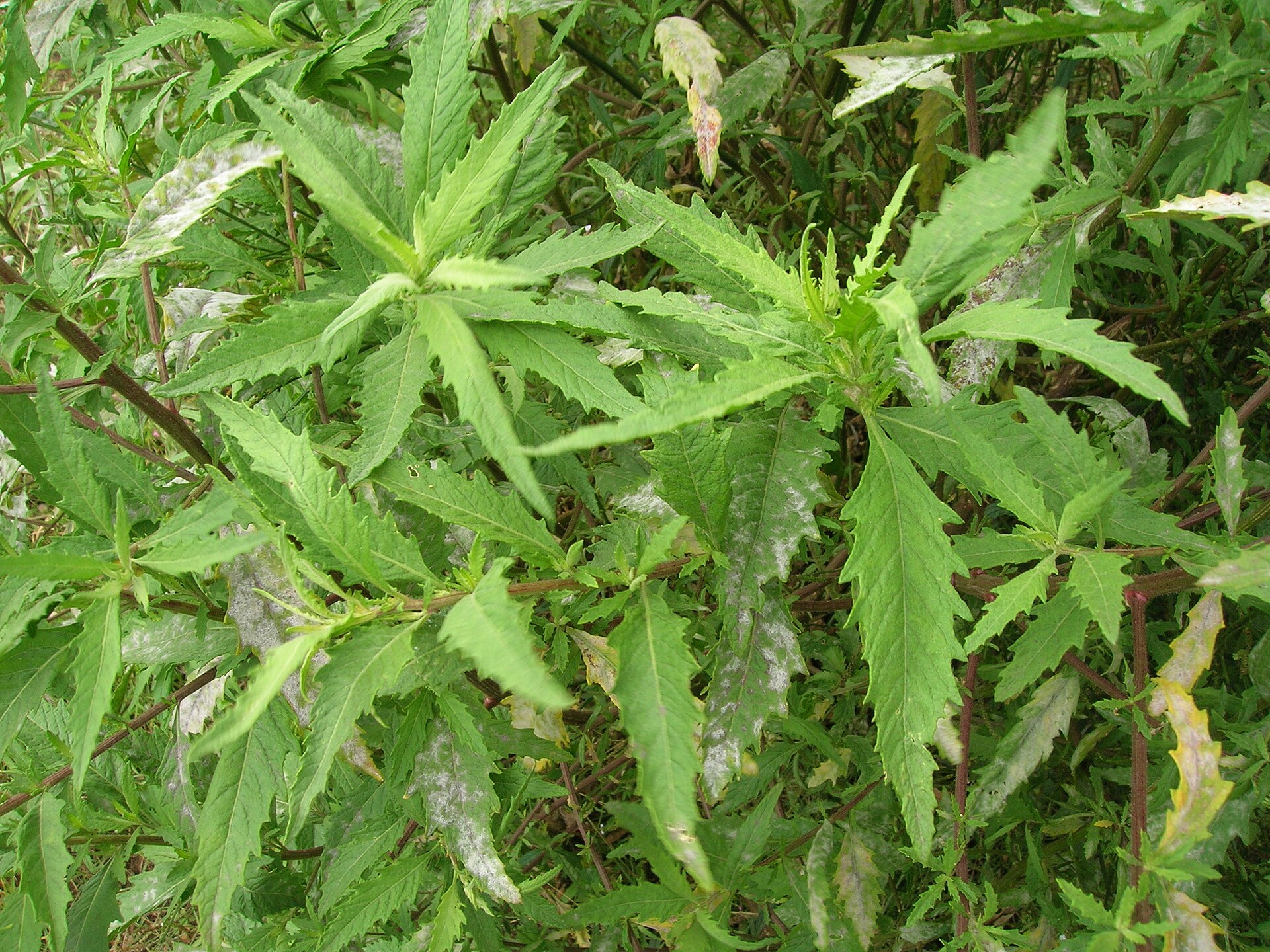
Epazote is a pungent Mexican kitchen herb traditionally stirred into a pot of beans, and it has a long folk history as a worm remedy. Its seed oil, though, is a known poison, so here’s where the uses come from and what to know before you go beyond a sprig in the pot.
Similar Posts
NAC (N-Acetylcysteine)
NAC (N-acetylcysteine) is a form of the amino acid cysteine that the body uses to make glutathione, its main built-in antioxidant. Members get the full entry: where the research is strong (and where it isn't), typical amounts, and the drug interactions every NAC user should know.
Astragalus
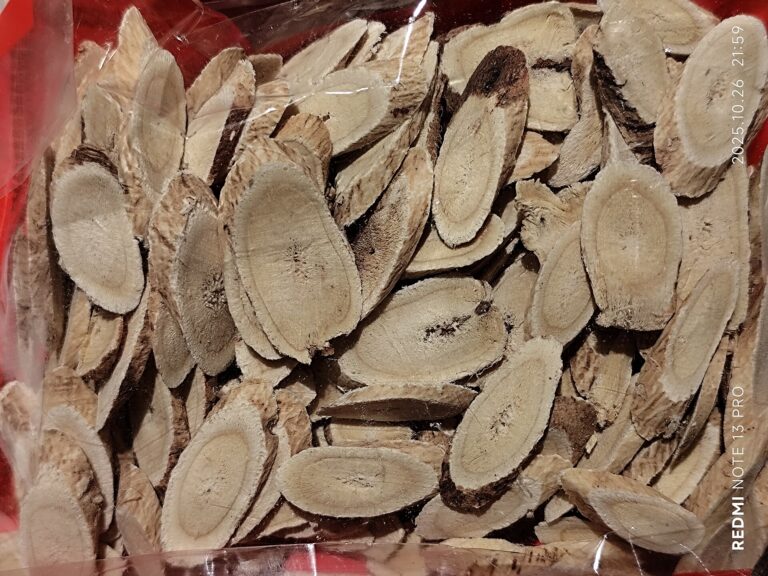
Huang Qi, the yellow root behind Chinese "Jade Windscreen" formulas, is one of the best-known qi tonics in traditional Chinese medicine and a popular immune-season herb in the West. Here's what the tradition uses it for, what the (mostly small, Chinese) studies show, the Health Canada amounts, and why people with autoimmune disease or a transplant should steer clear.
Turkey Tail Mushroom
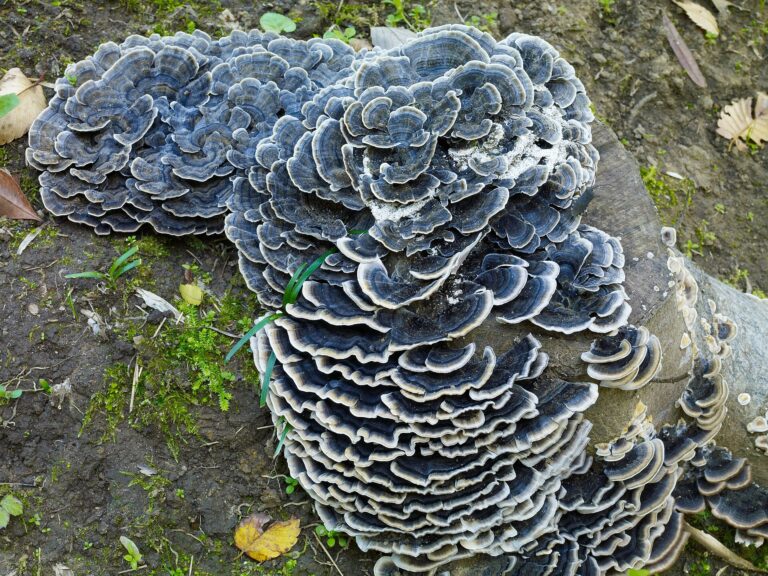
A striped, fan-shaped mushroom that grows on fallen logs across North America, Europe and Asia, turkey tail is one of the most studied medicinal mushrooms in the world. It has a long history in Chinese and Japanese medicine as an immune tonic, and its extracts are used in hospitals in Japan and China.
Reishi Mushroom
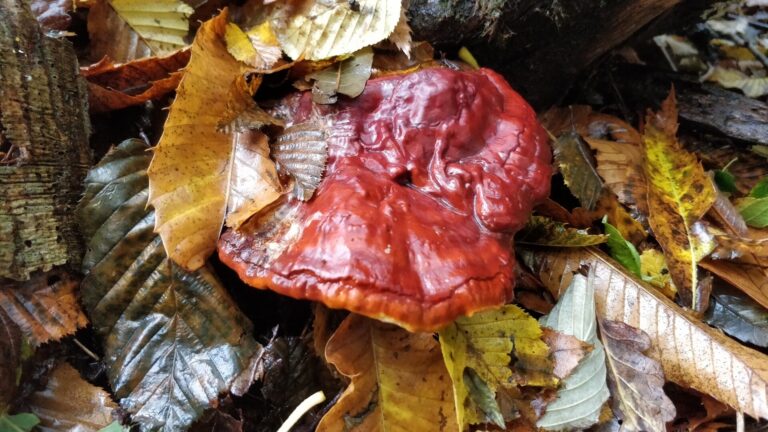
Reishi is the glossy "mushroom of immortality" of Chinese and Japanese tradition, prized for over 2,000 years as a calming, strengthening tonic. Here's what traditional medicine uses it for, what the research says so far, and who should be careful with it.
Artichoke Leaf
Artichoke leaf is the bitter green leaf of the globe artichoke, a European digestive herb that people use to support bile flow and the liver. Members get the full entry: what the human studies show, typical amounts from the official European monograph, and who should skip it (especially anyone with gallstones).
Celery Seed
The tiny seeds of the celery plant were an old European and Middle Eastern remedy for gout, sore joints and sluggish kidneys, and a celery seed extract has now had a small blood-pressure trial. This profile covers what's known, and why celery allergy and pregnancy are the big cautions.