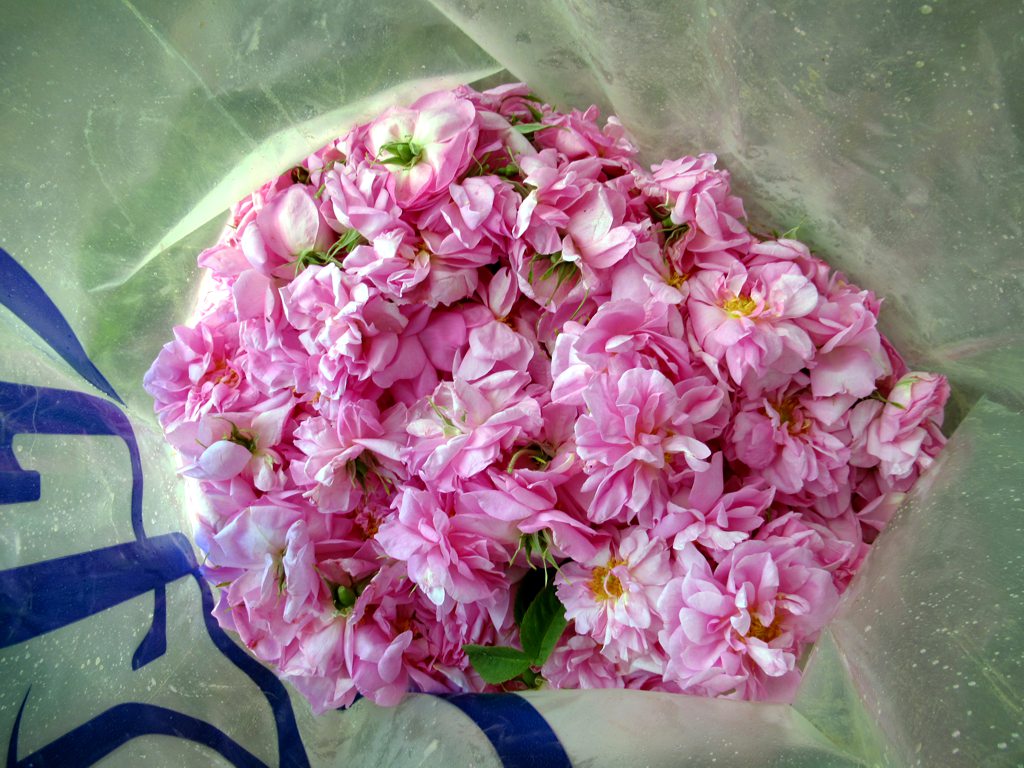
Long before rose was a perfume, Persian, Greek and European healers used the petals for sore mouths, nervous hearts and slow bowels. Today the EU recognises rose flower infusions for mild mouth, throat and skin inflammation, and one study tested rose tea for period pain. Here’s the tradition, the research, how to brew it, and the cautions that matter.
Similar Posts
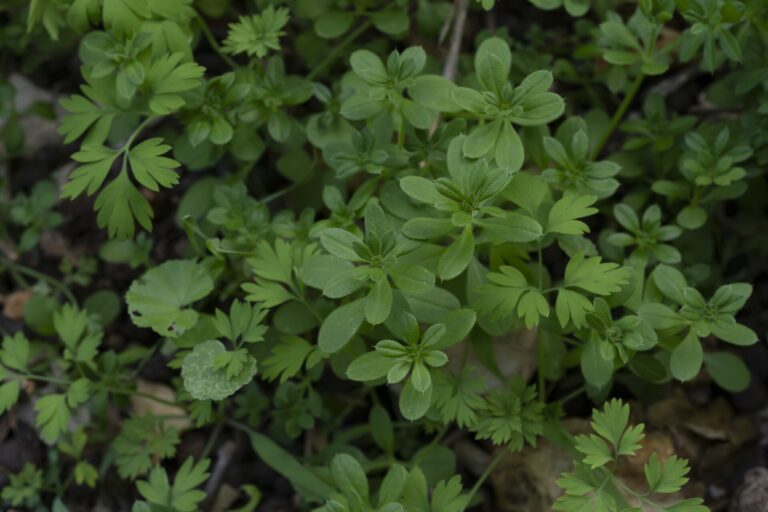
Cleavers
The sticky, climbing "goosegrass" weed that clings to your socks is one of herbalism's classic lymph herbs, usually taken as a gentle tea or fresh juice in spring. Members can see how people use it, what little research exists, and who should skip it.
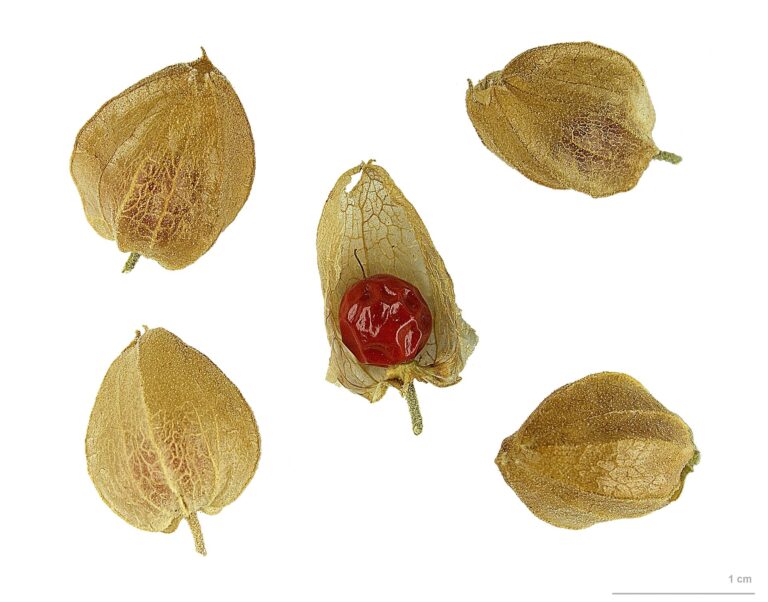
Ashwagandha (Withania somnifera)
One of Ayurveda's most prized rejuvenating roots, taken for centuries to build strength and help the body cope with stress. Members use it today for calm, sleep, energy and everyday resilience.
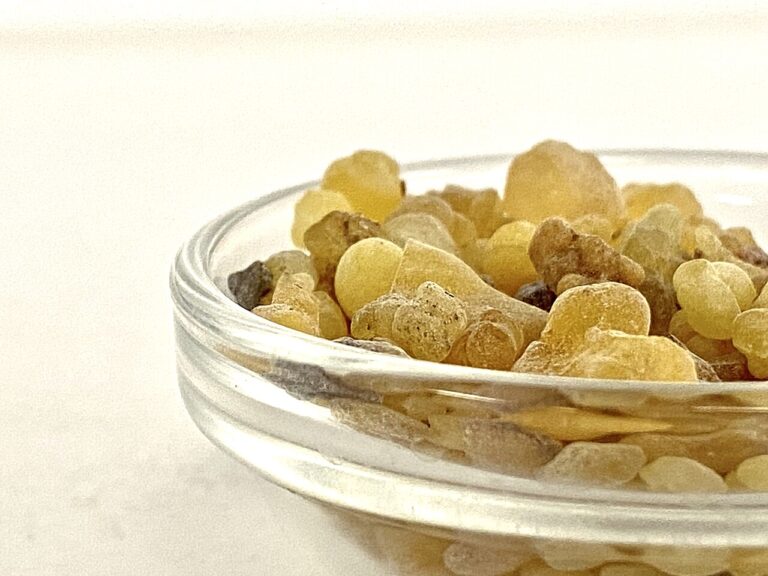
Boswellia (Frankincense)
The fragrant resin of the frankincense tree, burned in temples for thousands of years and used in Ayurveda for stiff, aching joints. Today it's one of the most-studied herbs for joint comfort.
Colloidal Silver
Colloidal silver is one of the most talked-about "natural antibiotics" online. Before you buy it, read why health regulators in Canada and the US warn against taking it, and what silver's real history in medicine looks like.
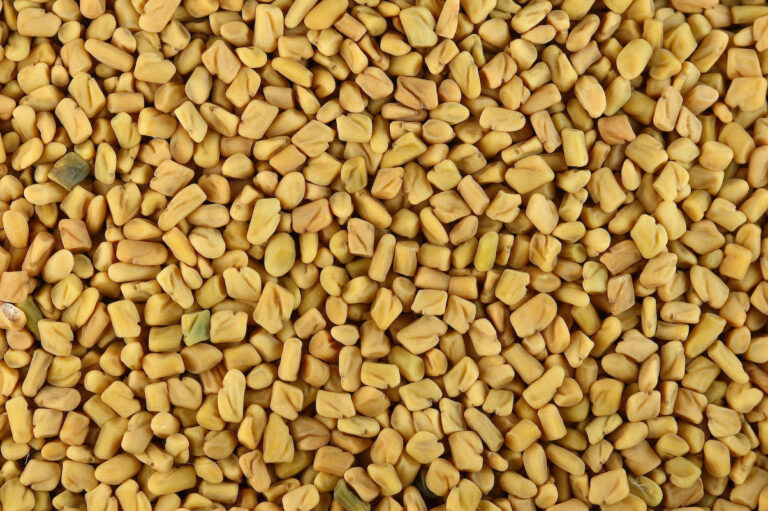
Fenugreek
A small golden seed that has flavoured curries and fed nursing mothers for thousands of years, from ancient Egypt to India. Its maple-syrup aroma is the same one that famously lingers on the skin of people who take it.
Bloating: natural options
Peppermint oil, caraway and fennel, low-FODMAP, belly breathing, enzymes and gut-directed hypnotherapy: the vault's full guide to the natural options people use for bloating, with each one labelled by how good the evidence is and the warning signs that mean see a doctor first.