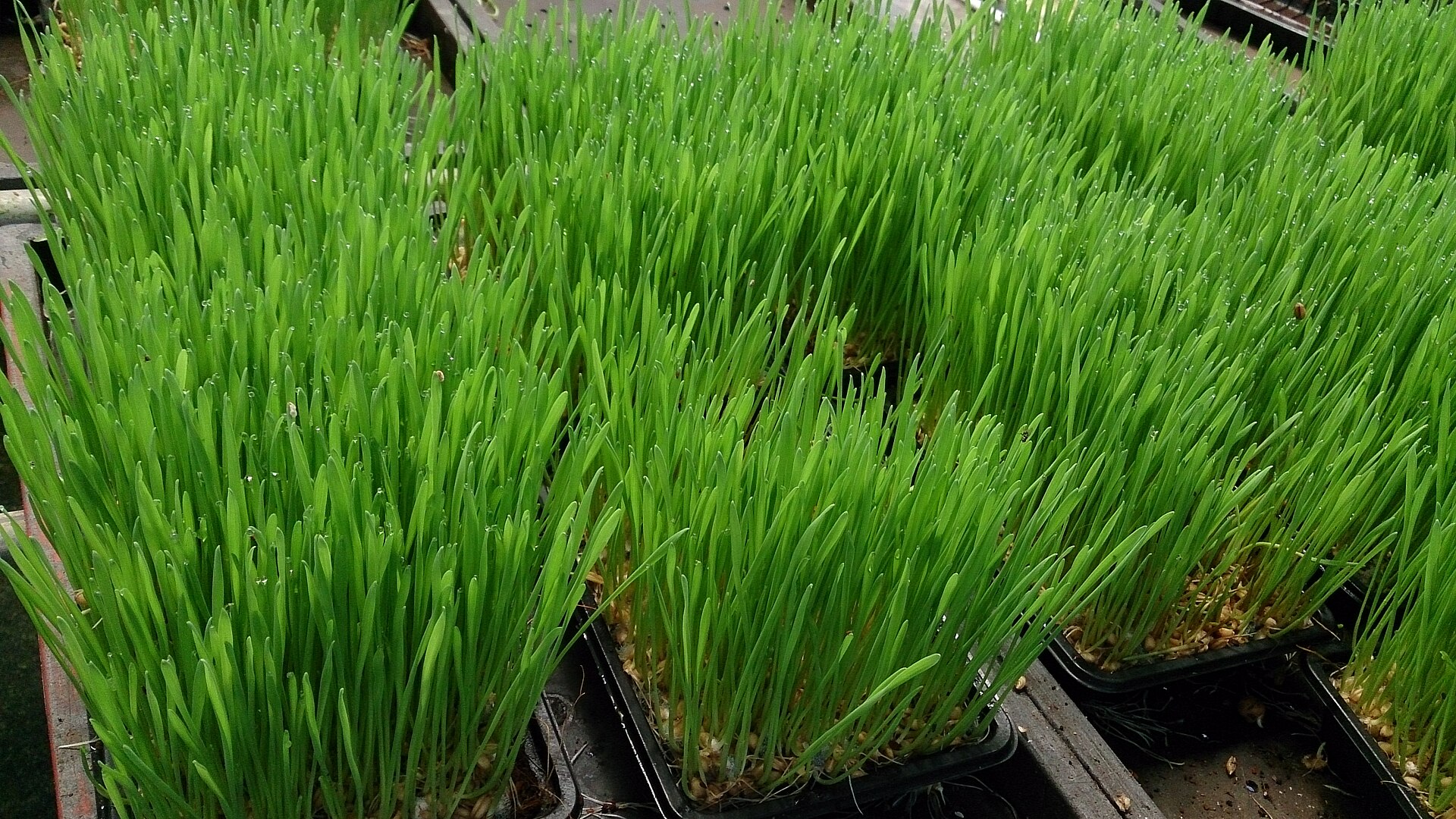
Wheatgrass shots and barley-grass powders have been sold as “detox” and “blood-builders” since the 1940s. Here is where the habit came from, what the small human trials found, how people use them, and the raw-sprout, wheat-allergy, coeliac and warfarin cautions.
Similar Posts
Quercetin
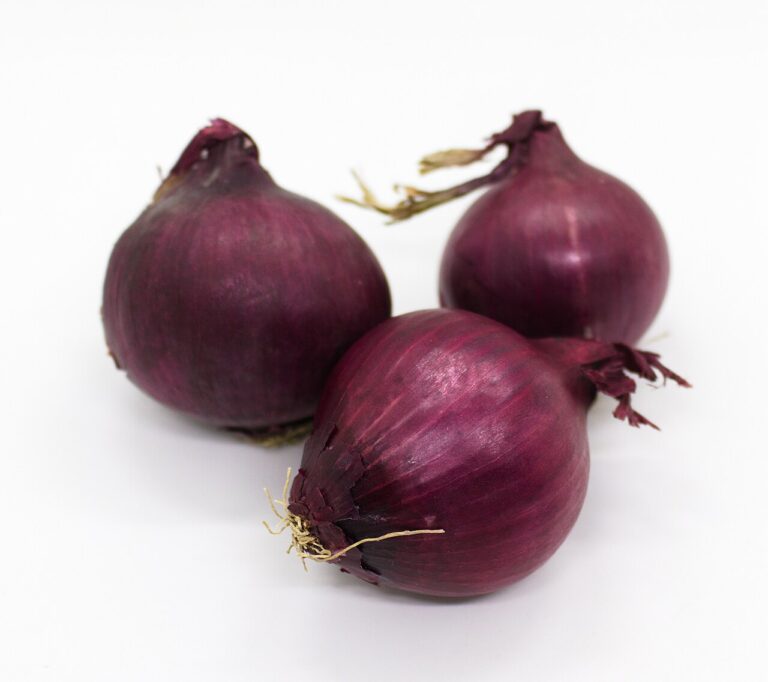
Quercetin is the most common flavonoid in the human diet, the yellow pigment behind onion skins and apple peels. Here's how naturopaths use it, the traditional herbs that are rich in it, and what the research shows.
Borage (Safety Profile)
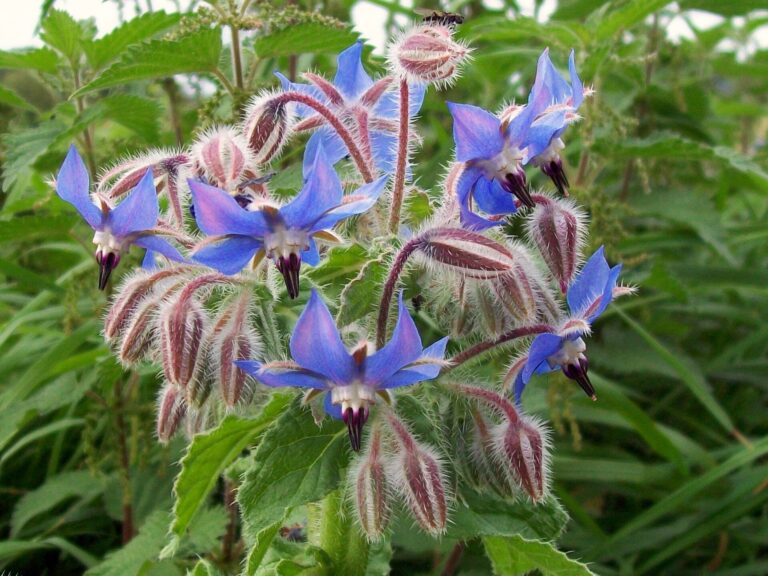
Borage is the blue "starflower" herb whose seed oil is one of the richest plant sources of GLA, an omega-6 fat. The leaf and flower carry liver-toxic alkaloids, so the vault page explains why only tested, PA-free seed oil is worth considering.
Black Walnut Hull
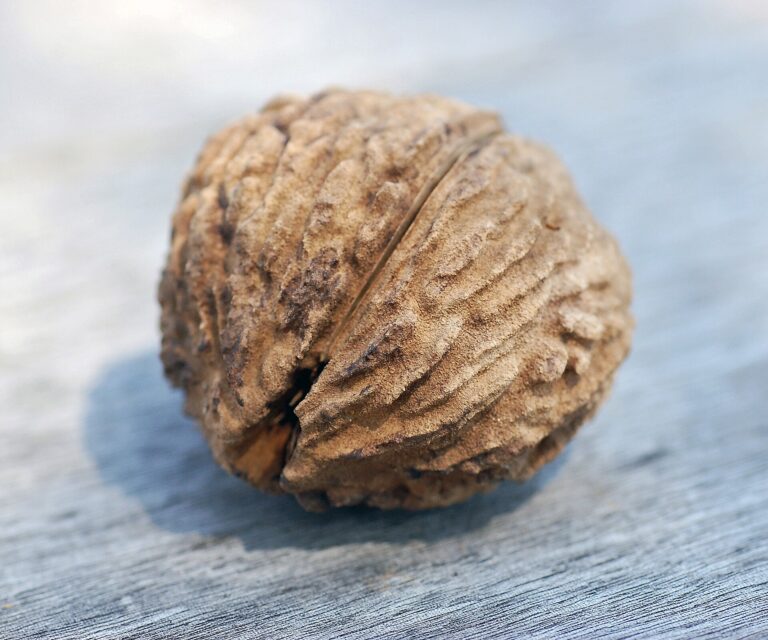
Black walnut hull is the bitter, dark-staining husk at the heart of the classic "wormwood, black walnut and clove" parasite cleanse. Members can read its traditional story, what the research does and doesn't show, and the safety points to know first.
Schisandra
Schisandra is a small red berry from Chinese medicine, known as the "five-flavour fruit", and it's one of the traditional liver tonics people add after a cleanse. Members get the full entry: what the small human studies show, how people take it, and the medication interactions to know about first.
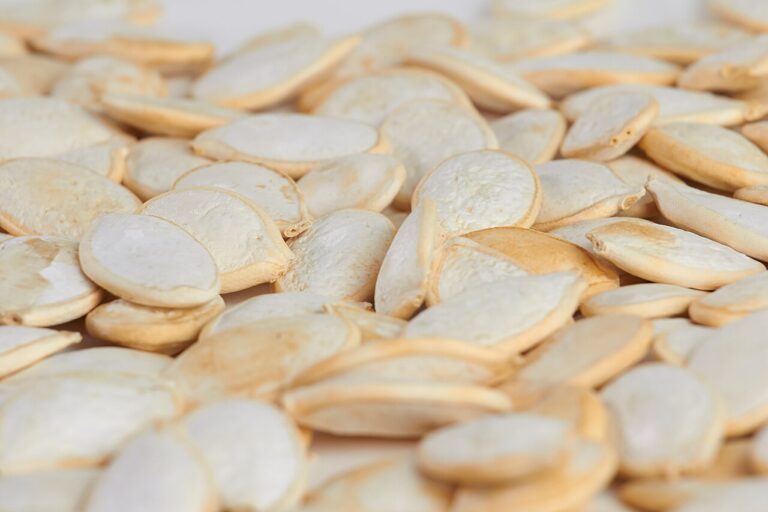
Pumpkin Seed
Pumpkin seed is one of the few everyday foods with an official European herbal monograph, for men's night-time bathroom trips and an overactive bladder. Members get the full profile: every traditional use, the large prostate trial and what it really showed, the official amounts, and who should check first.
Slippery Elm
Slippery elm is a North American tree bark that turns silky and gel-like in water, and it's a favourite gentle "soother" in gut-focused routines. Members can read its long history, what the (thin) research shows, and the timing and safety points to know first.