That heavy, too-full feeling that lingers long after a meal is one of the most common gut complaints. This guide walks through every natural option people use, from bitters and ginger to how you eat, with the evidence for each laid out honestly.
Similar Posts
Psyllium (Isabgol)
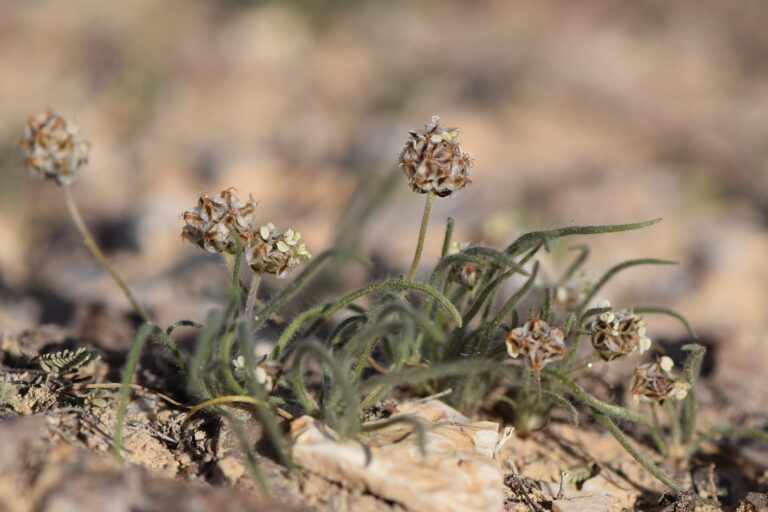
Psyllium, known in India as isabgol, is the plant fibre behind many everyday fibre supplements, and it has some of the strongest research of any herb in the vault. Here's how traditions use it, what the newest guidelines say, and how to take it safely.
Lavender
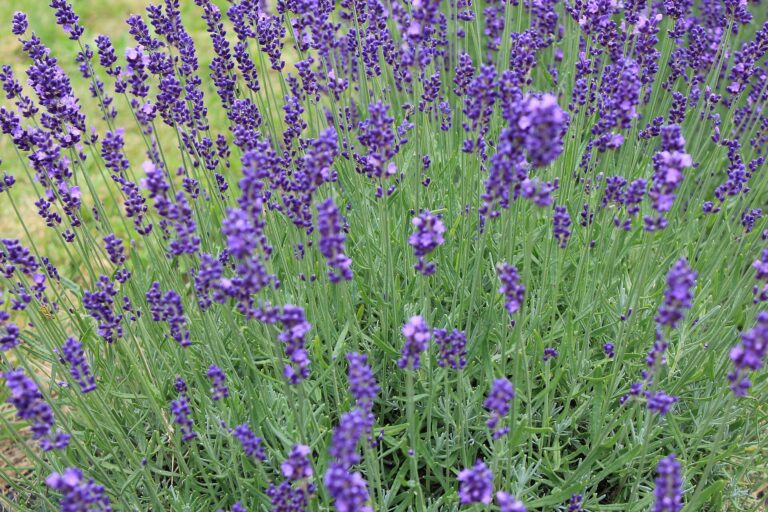
Lavender is the classic calming flower, sipped as a gentle evening tea, added to baths and breathed in from the oil. In Europe the flower tea is an approved traditional remedy for mild stress and to help with sleep.
Licorice Root
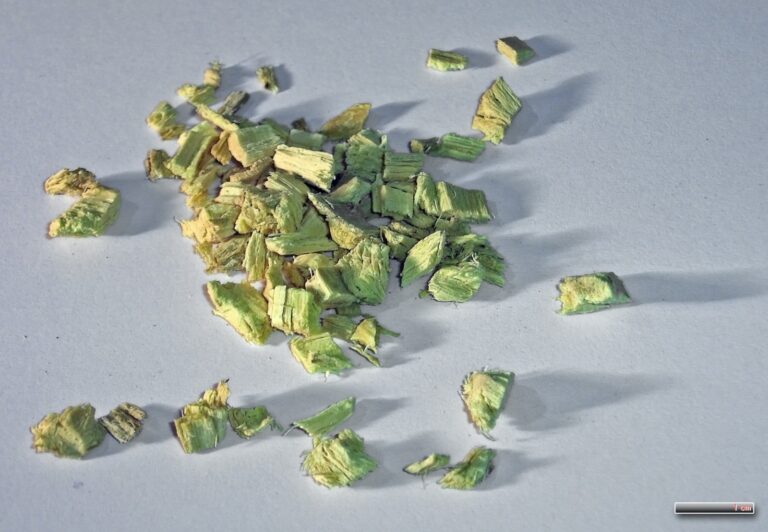
One of the oldest and most widely used herbs on earth, licorice root is the sweet "harmonizer" of Chinese formulas and a soothing tonic in Ayurveda. Here's what traditions use it for, what the research shows, and why it's one herb you need to respect.
Fermented Foods (sauerkraut, kimchi, kefir)
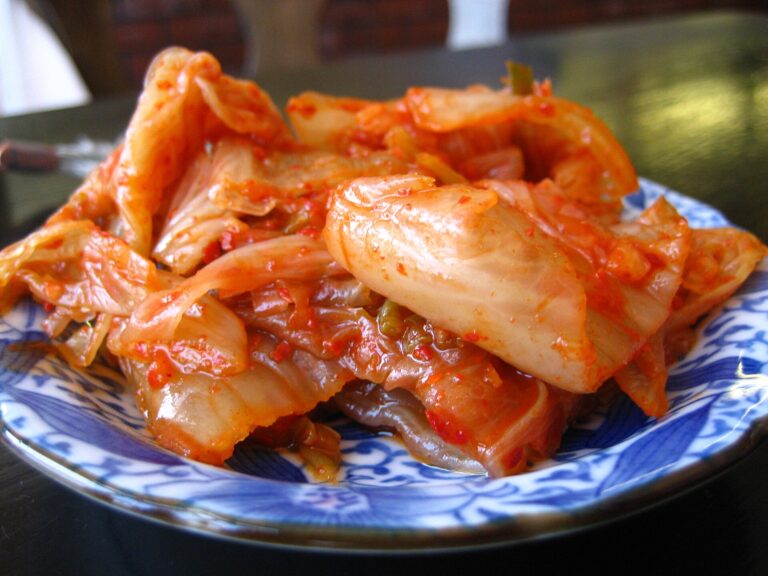
Cabbage in a crock, kimchi buried in clay jars for winter, kefir and spiced buttermilk after a meal: almost every food culture has a soured food. Here's what fermented foods are, what research has started to show, and how to choose or make them safely.
Schisandra
Schisandra is a small red berry from Chinese medicine, known as the "five-flavour fruit", and it's one of the traditional liver tonics people add after a cleanse. Members get the full entry: what the small human studies show, how people take it, and the medication interactions to know about first.
Ginger
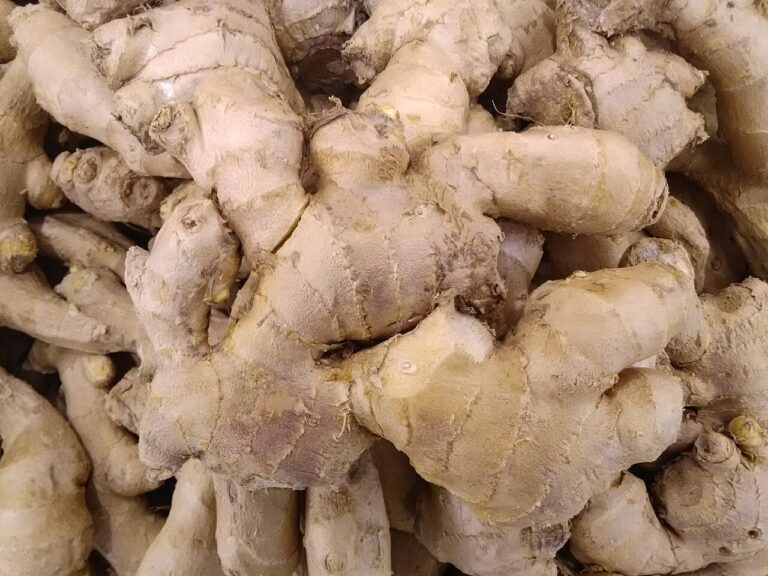
Ayurveda calls dried ginger "the great medicine" and Chinese medicine calls fresh ginger its most important herb for nausea. Here's how each tradition uses it, what the trials found for nausea, period pain and sore joints, and which medicines to check before taking it as a supplement.