PCOS has a new name. And the new name finally says what the condition is really about.
It’s now called PMOS: polyendocrine metabolic ovarian syndrome. Lots of people living with it are tired of being handed a prescription and sent home. They want to know every option. This post lays them all out: the habits, foods, teas, supplements and traditional herbs people use alongside their care, what the research says about each, and the safety lines that matter.
Quick take
- PMOS is the new name for PCOS. It’s a hormone and metabolism condition, not a “cyst” problem, and the diagnosis itself hasn’t changed.
- Steadier blood sugar is the thread that ties most natural approaches together: food, movement, sleep, stress, and supplements like inositol.
- Natural options sit alongside your doctor’s care. Never stop or change a prescription on your own.
Why the name changed
For decades the name pointed at the ovaries. But plenty of people with the condition don’t have “polycystic” ovaries at all, and those little follicles were never true cysts.
After more than 14 years of discussion involving patients, clinicians and over 50 medical societies, a global consensus proposed the new name in 2026. “Polyendocrine” means several hormone systems are involved. “Metabolic” points to blood sugar, insulin and weight. You’ll still see “PCOS” on most records and websites for years.
- It affects roughly 1 in 8 women, and many have never been diagnosed.
- Insulin resistance shows up in most people with PMOS, including many who are slim.
- It’s diagnosed when 2 of 3 features show up and other causes are ruled out: higher androgens (on blood tests, or as acne and extra hair), irregular or missing ovulation, and polycystic-looking ovaries on ultrasound or a raised AMH blood test in adults.
The root-cause view naturopaths take
Naturopaths tend to look at PMOS as a web, not a single broken part. High insulin nudges the ovaries to make more androgen. More androgen means acne, hair changes and irregular cycles. Stress, poor sleep and inflammation feed into the same loop.
So the natural approach mostly works on the levers that calm that loop. And it isn’t only about weight. Weight can matter for some people, but lean people with PMOS have the same insulin story.
Food first: steadying blood sugar
No single “PMOS diet” has been shown to beat the others. What the guidelines and naturopaths agree on is the pattern. (If blood sugar swings are new to you, Blood sugar swings: the foods and herbs traditionally used to steady them covers the basics.)
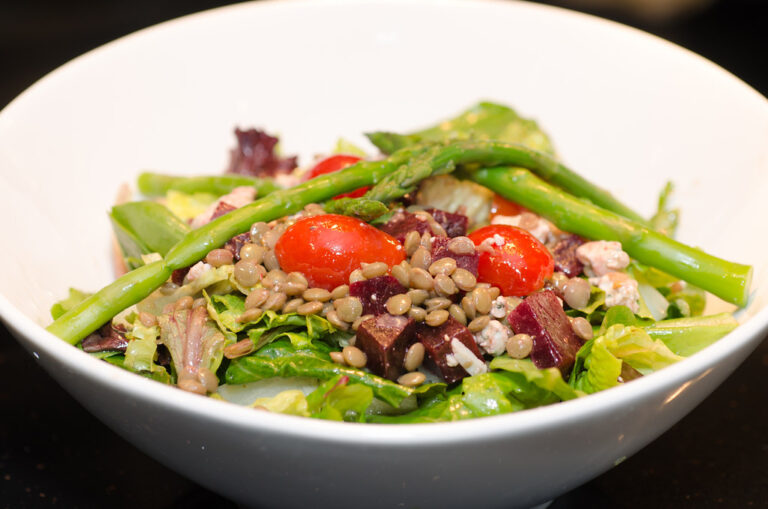
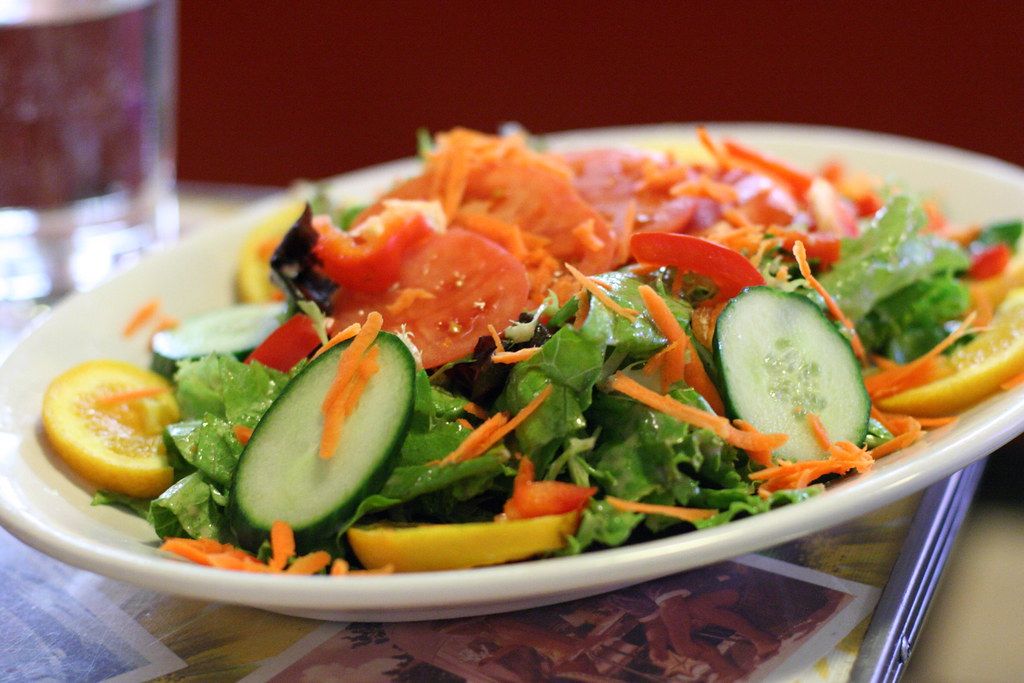
- Protein and fibre at every meal. Eggs, fish, beans, lentils, Greek yogurt, vegetables. They slow the sugar rush after eating.
- Slow carbs over fast ones. Whole grains, beans and fruit instead of white bread, pastries and sweet drinks.
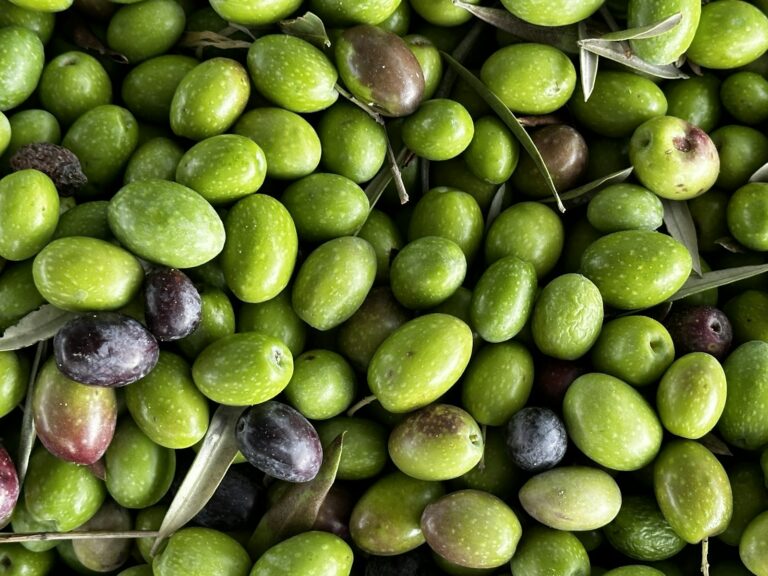
- Healthy fats. Olive oil, nuts, seeds and oily fish.
- Carbs last. Some people find eating vegetables and protein before the starch on their plate keeps them steadier.
Skip crash diets and long fasts. Eating disorders are already more common with PMOS, and extreme restriction can backfire.
Movement, sleep and stress

These are the unglamorous ones. They’re also the best-supported.
- Muscle is a sugar sponge. Strength training two days a week plus about 150 minutes of moderate activity is the standard target. A 10-minute walk after meals is an easy start.
- Sleep. Short sleep makes insulin work harder. Loud snoring, gasping or daytime sleepiness are worth a sleep check: sleep apnea is more common with PMOS.
- Stress. Cortisol and blood sugar travel together. Walks outside, breathing practice, yoga or counselling all count.
PMOS isn’t a cyst problem. It’s a hormone and blood sugar web, and that’s where the natural levers are.
Teas, spices and traditional herbs
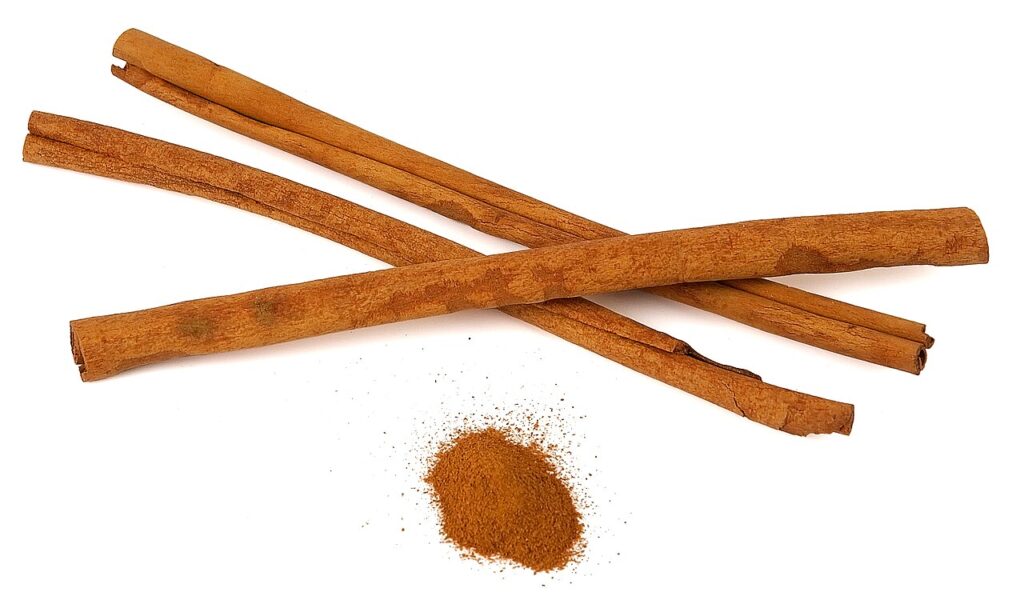
Spearmint tea
A naturopath favourite for unwanted hair growth. In a small 30-day UK trial, two cups a day lowered blood androgen levels. Hair changes were too small to measure in that short window. Skip it if mint gives you heartburn.
Cinnamon
Being studied for insulin and cycle regularity in a handful of small trials. Ceylon cinnamon is the better pick for daily use; cassia contains coumarin, which can strain the liver in large amounts.
Vitex, licorice with peony, saw palmetto and shatavari
- Vitex (chaste tree): traditionally used for cycle regularity. Its good evidence is for PMS, not PMOS. It can clash with the pill and fertility drugs.
- Licorice with white peony: a classic Chinese and Japanese pairing, studied in a few small trials for androgens. Licorice can raise blood pressure and lower potassium.
- Saw palmetto: used as an “anti-androgen” for hair. No clinical data in women that we could find.
- Shatavari: Ayurveda’s best-known women’s tonic. Traditional use only for PMOS.
Seed cycling (flax and pumpkin seeds in the first half of the cycle, sesame and sunflower in the second) is a popular folk practice. There are no studies on it. The seeds are good food either way.
Supplements people ask about
Inositol
The most-studied PMOS supplement. Myo-inositol and D-chiro-inositol (often combined in a 40:1 ratio) are being studied for insulin, androgens and ovulation. The review behind the 2023 international guideline called the evidence promising but limited. Myo-inositol caused fewer stomach side effects than metformin. Amounts vary by product; follow the label and check with your doctor first.
Berberine
A plant compound that’s been compared with metformin in small PMOS trials. It’s strong. Never in pregnancy or breastfeeding, and it can stack with metformin or other diabetes medicine and push blood sugar too low.
Vitamin D, omega-3, magnesium and NAC
- Vitamin D: a review of 13 trials found small drops in inflammation, cholesterol and testosterone. Adults shouldn’t go over 4,000 IU a day without a doctor.
- Omega-3 fish oil: being studied for triglycerides and insulin.
- Magnesium: naturopaths use it for insulin, sleep and stress. Gentle forms like glycinate are easiest on the gut.
- NAC: being studied for insulin and ovulation, sometimes alongside fertility treatment.
Also available: a blood sugar program
If insulin resistance is a big part of your picture, some readers look at a supplement-based blood sugar program, sold by an outside company. It isn’t made for PMOS specifically. If you take metformin or other diabetes medicine, are pregnant, trying to conceive or breastfeeding, talk to your doctor before trying it.
Sponsored link. If you buy through it, Clif may earn a commission at no extra cost to you. The claims on the seller’s page are theirs, not ours, and haven’t been checked by us. It’s not a substitute for seeing your doctor.
Using natural options alongside medication
Feeling done with medication is common, and it’s worth saying out loud to your doctor. But don’t stop or change metformin, the pill, spironolactone or fertility drugs on your own. Ask instead whether there’s room to adjust as your habits change.
- Blood sugar stacking: metformin, berberine, inositol, cinnamon and fenugreek all push in the same direction. Add one thing at a time.
- Hormone herbs (vitex, licorice, saw palmetto, shatavari) can interfere with the pill, fertility drugs and anti-androgens.
- Trying to conceive or pregnant? Talk to your doctor before any herb or supplement here. Berberine, vitex and licorice are out in pregnancy.
- Teens need a doctor’s assessment first. Diagnosis works differently under 18.
When to see a doctor
- No period for 3 months or more, or very heavy, long or frequent bleeding.
- Signs of diabetes: big thirst, peeing a lot, blurry vision, slow-healing cuts.
- Sudden hair growth, a deepening voice or fast-changing symptoms. These need checking for other causes.
- Low mood, anxiety or struggles with eating. In a crisis in the US or Canada, call or text 988.
- Any bleeding after menopause.
It’s also worth asking for regular checks of blood sugar, cholesterol and blood pressure. PMOS raises the long-term odds of type 2 diabetes, fatty liver and heart trouble.
Try this today
At your next meal, add a palm-sized portion of protein and a handful of vegetables, eat them first, then take a 10-minute walk afterwards. It’s free, it’s safe alongside any medication, and it works on the same insulin lever most PMOS supplements are aiming at.
Go deeper in the Vault
Members can open the full Herbal Library profiles for Vitex, Shatavari, Berberine and Cinnamon, with typical amounts, interactions and sources, plus everything we have on blood sugar in one place. New here? See what’s inside the Remedies Vault.
Educational only, not medical advice. This information has not been evaluated by the FDA or Health Canada and is not intended to diagnose, treat, cure, or prevent any disease. Talk to your healthcare provider before starting any remedy, supplement, or detox, especially if you are pregnant, nursing, taking medication, or managing a health condition. Read our full Medical Disclaimer.