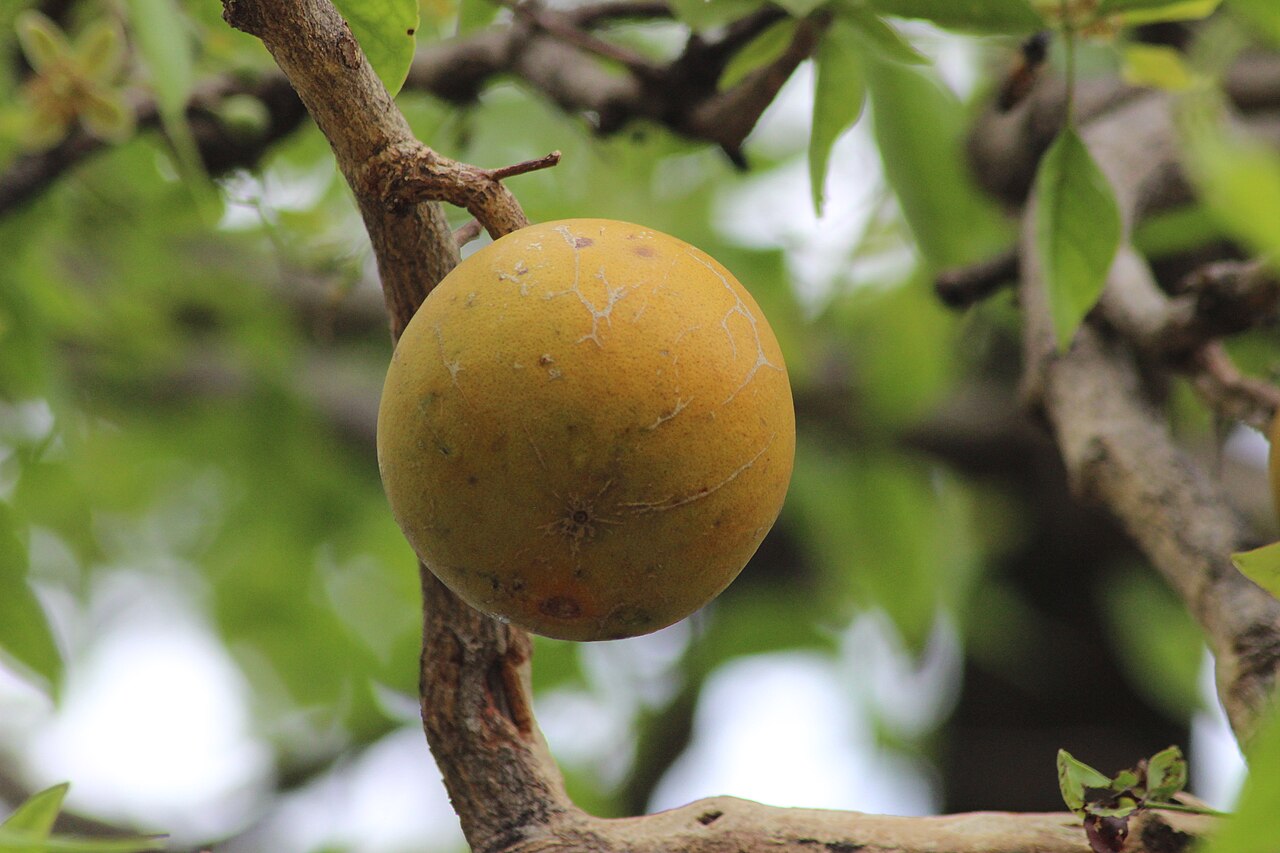
Bael is a hard-shelled fruit from a tree sacred in India, and its unripe pulp is one of Ayurveda’s best-known standbys for loose stools. Here’s what tradition and research say, and why unripe and ripe fruit are used so differently.
Similar Posts
Neem
Neem is a bitter Indian tree that Ayurveda has used for centuries, and it turns up in many parasite and candida cleanses today. Members get the full entry: what the lab and small human studies show, how people take the leaf, and why neem oil should never be swallowed.
Epazote (Safety Profile)
Epazote is a pungent Mexican kitchen herb traditionally stirred into a pot of beans, and it has a long folk history as a worm remedy. Its seed oil, though, is a known poison, so here's where the uses come from and what to know before you go beyond a sprig in the pot.
Magnesium
In 1618 an English farmer found that cattle on Epsom Common wouldn't drink from a bitter pool. The salt left behind became one of the best-known home remedies of the next 350 years. Here's how people use magnesium today for sleep, muscles, headaches and regularity, what the studies found, and the safety limits that matter.
Diarrhea: natural options
A bout of diarrhea usually passes within a week, and the most important remedy is the simplest: fluids and salts. This entry sorts rehydration drinks, bland foods, tannin teas, fibre, zinc and probiotics by how well they're backed, and lists the signs that mean see a doctor.
Cat’s Claw
A thorny vine from the Amazon rainforest, named for the curved hooks on its stems, that Peruvian peoples have boiled into a bitter bark tea for generations. Here's what tradition and research say about it, and who should be careful.
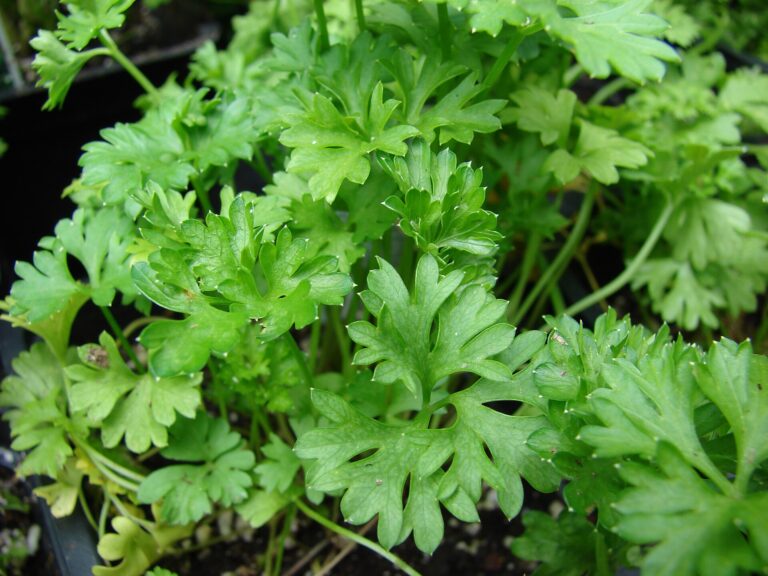
Parsley (Herbal Profile)
The garnish on your plate has a long history as a kitchen herb for the bladder and the belly. This profile covers how traditions used the leaf, root and seed, why the evidence is thin, and why the seed and its oil are a different matter from the leaf.