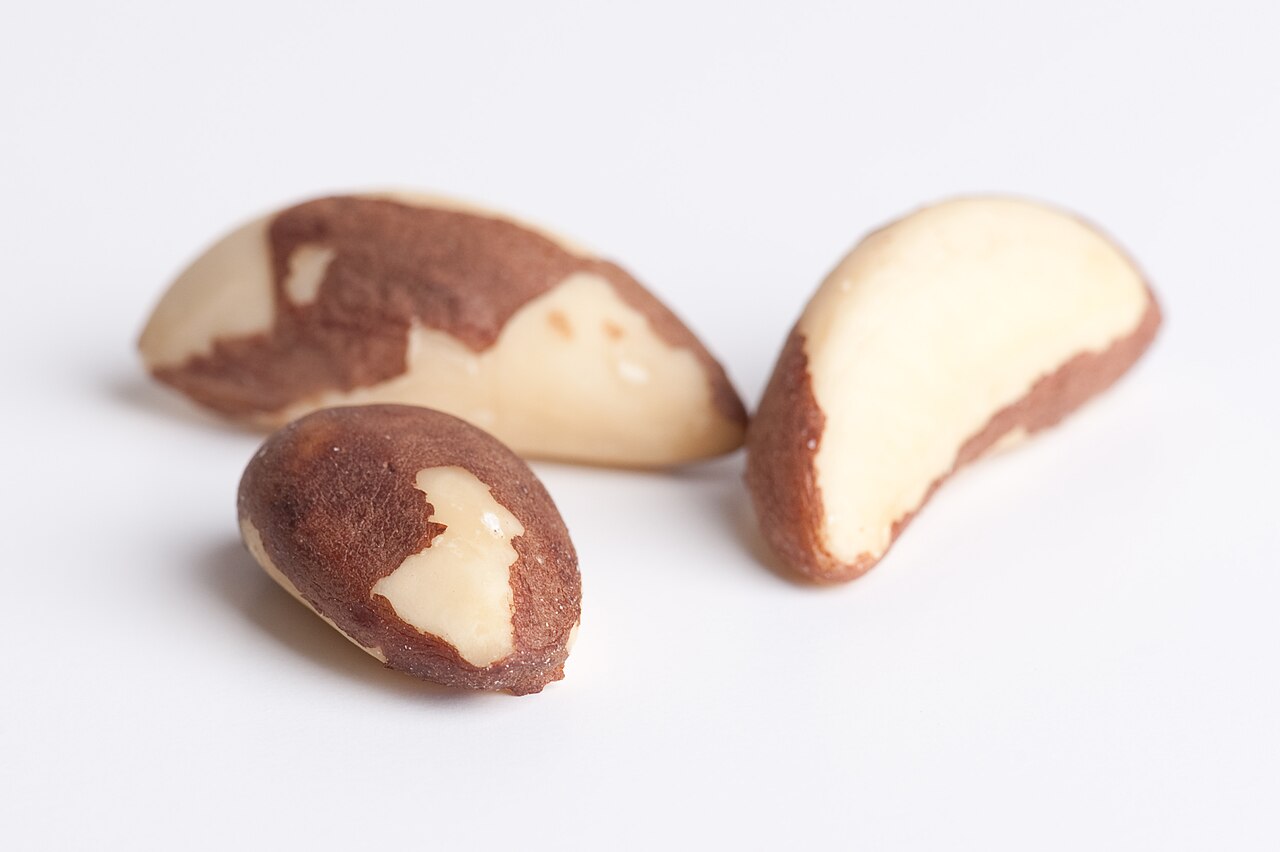
A trace mineral your thyroid and antioxidant enzymes depend on, where a little goes a long way and too much causes real harm. Here’s who may need it, the best food sources, and the safe upper limit.
Similar Posts
Nausea: natural options
Ginger, wrist acupressure, a sniff of an alcohol swab, cold sips and dry crackers: some nausea remedies have real trials behind them and others are mostly tradition. This entry sorts them by evidence and lists the signs that mean nausea needs a doctor, not a cup of tea.
Ashwagandha (Withania somnifera)
One of Ayurveda's most prized rejuvenating roots, taken for centuries to build strength and help the body cope with stress. Members use it today for calm, sleep, energy and everyday resilience.
Raw Honey and Manuka Honey
A spoonful of honey is one of the oldest cough remedies there is, and modern reviews back it up for children's coughs and cold symptoms. Here's what raw and manuka honey can and can't do, how manuka is graded, and the one rule every parent needs: no honey before the first birthday.
Chlorella
Chlorella is a single-celled freshwater green alga that many detoxers take as a daily "green binder." Members get the full entry: what the research does and doesn't show, typical amounts, and who should skip it.
Magnesium
In 1618 an English farmer found that cattle on Epsom Common wouldn't drink from a bitter pool. The salt left behind became one of the best-known home remedies of the next 350 years. Here's how people use magnesium today for sleep, muscles, headaches and regularity, what the studies found, and the safety limits that matter.
Cruciferous Vegetables and DIM
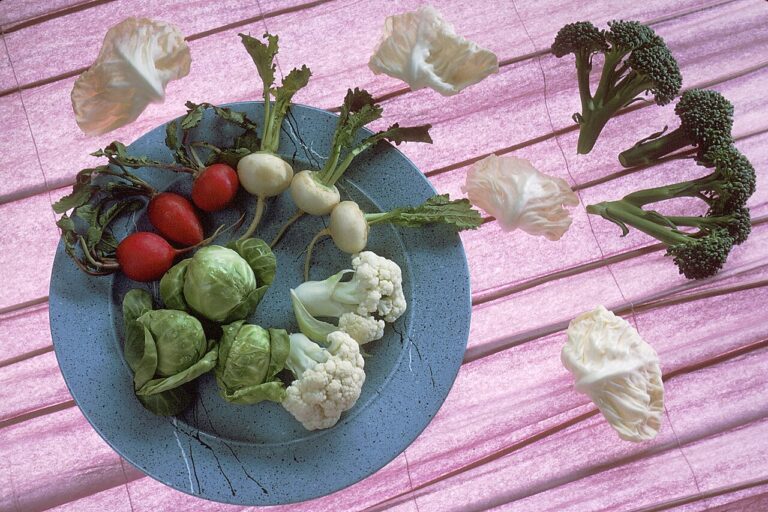
Broccoli, cabbage, kale and their cousins break down into compounds that change how the liver handles estrogen, and DIM and I3C capsules sell that effect as "estrogen detox". Here's what the vegetables and the capsules can and can't do, and the medicine cautions that come with the concentrated forms.