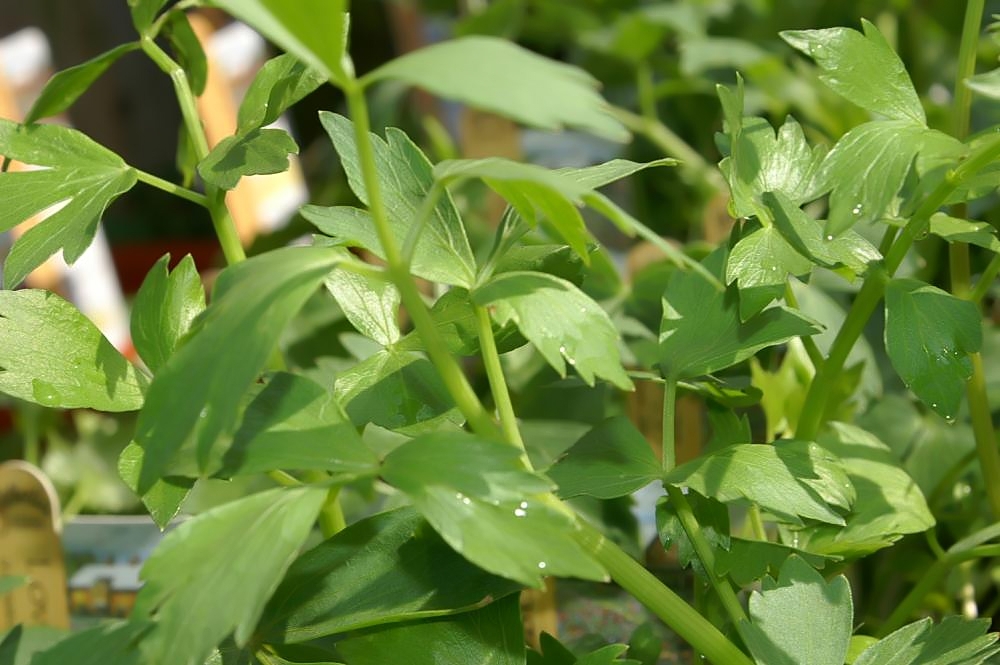
A tall, celery-scented garden herb that has been in European kitchens and medicine chests since the Greeks. Here’s how it’s used for the waterworks and the stomach, and what to know before you brew the root.
Similar Posts
Pau d’Arco
Pau d'arco is a South American tree bark that shows up in many candida and parasite cleanses. Members get the full entry: what the lab studies do and don't show, how people take the tea, and why anyone on a blood thinner should skip it.
Licorice Root
One of the oldest and most widely used herbs on earth, licorice root is the sweet "harmonizer" of Chinese formulas and a soothing tonic in Ayurveda. Here's what traditions use it for, what the research shows, and why it's one herb you need to respect.
Schisandra
Schisandra is a small red berry from Chinese medicine, known as the "five-flavour fruit", and it's one of the traditional liver tonics people add after a cleanse. Members get the full entry: what the small human studies show, how people take it, and the medication interactions to know about first.
St. John’s Wort
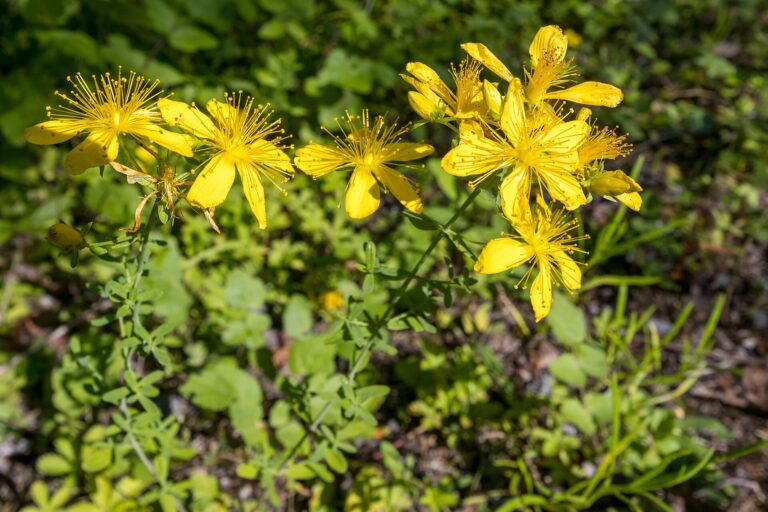
A bright yellow summer flower named after St. John, gathered around Midsummer and steeped in oil until it turns blood-red. Europe has used it for low spirits, nerves and skin for centuries, and today it's one of the most-studied herbs for mood. It also has more drug interactions than almost any other herb, so this page starts its Safety section there.
Gotu Kola
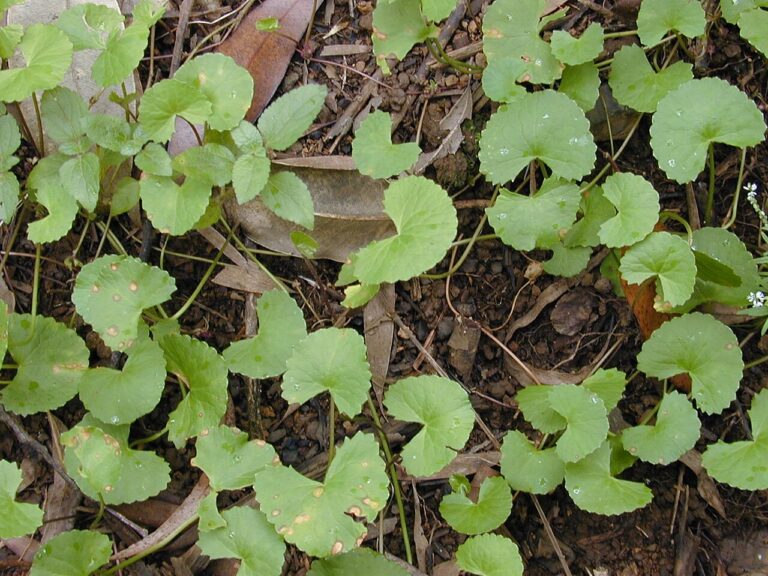
A small creeping plant from the carrot family, prized in Ayurveda as a "medhya rasayana", a tonic for the mind, and across Asia for skin, wounds and longevity. Sri Lankan tradition held that eating the leaves helped people live longer.
Ginger
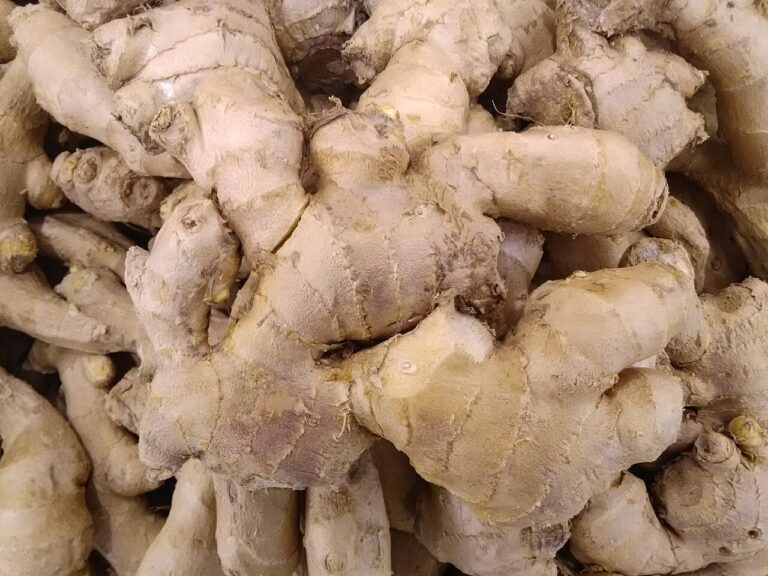
Ayurveda calls dried ginger "the great medicine" and Chinese medicine calls fresh ginger its most important herb for nausea. Here's how each tradition uses it, what the trials found for nausea, period pain and sore joints, and which medicines to check before taking it as a supplement.