A cold cabbage leaf. A cotton sock. Lights out. It sounds like something your great-grandmother would have done, and she probably did.
The cabbage-on-your-feet habit has been popping up all over social media lately, usually with big promises attached. We wanted to look at it the way we look at every old remedy: where it comes from, why people reach for it, how they do it, and what we actually know so far.
Quick take
- Cabbage leaf wraps are a classic Eastern European folk remedy for sore joints, puffy feet, bruises and swollen breasts.
- Nobody has studied leaves on the feet at bedtime, but cabbage wraps have been tested on sore knees and on breast engorgement, with encouraging but small results.
- It’s gentle and cheap. Wash the leaf, keep it loose, and skip it on broken skin or with diabetes-related foot problems unless your doctor says yes.
Why people reach for it
Most people find their way to cabbage wraps through a symptom, not a theory. The common ones:
- Tired, puffy or achy feet after a long day standing, walking or travelling.
- Sore joints, especially knees, ankles and the small joints of the feet.
- Restless nights, when a cool, calming bedtime ritual sounds better than another screen.
- A feverish, fussy child, which is where a lot of grandmother stories start.
- Bruises and bumps that feel hot and tender.
- Swollen, sore breasts in the early weeks of breastfeeding, the use with the most modern attention.
Underneath all of them is the same wish: something soothing, natural and close at hand.
Where the habit comes from
Cabbage has been a “kitchen poultice” for centuries across Poland, Ukraine, Russia, Germany and the Balkans. Families would bruise a leaf, warm or chill it, and bind it over whatever hurt: a swollen knee, a sprained ankle, a chest cold, a teething baby’s cheek.
The feet version grew out of that tradition. Folk healers saw the soles as a place to “draw” heat and puffiness out of the body overnight. It’s the same idea behind onion-in-the-sock and the wet-sock (warming socks) routine.
That “drawing out” language is old and poetic. There’s no evidence a leaf pulls toxins or a fever out through your skin, the same reason we were cautious about detox foot pads in our binder myth-check. But there are a few real things a cool leaf may be doing, and that’s worth a closer look.
Sometimes the oldest remedies work partly because they make us slow down, put our feet up and rest.
What the research has looked at
Here’s the honest picture: no one has run a study on cabbage leaves on the feet at bedtime. Research on cabbage wraps is small, but it’s more than most folk remedies have, and it’s interesting.
Sore knees
A German trial published in the Clinical Journal of Pain in 2016 (Lauche and colleagues) gave 81 people with knee osteoarthritis either cabbage leaf wraps, a pain-relief gel, or usual care for four weeks. The cabbage group reported less pain than usual care, and results were broadly similar to the gel. It was small and couldn’t be blinded, so the researchers called for more work, but it’s an encouraging start.
Breast engorgement
Chilled cabbage leaves inside the bra are a long-standing tip from midwives and lactation consultants. A 2020 Cochrane review of treatments for engorgement found cabbage leaves may help with pain, but the studies were small and the evidence low in certainty.
What might be going on
- Coolness. A chilled leaf is a gentle cold compress that hugs the skin.
- Plant compounds. Cabbage is rich in glucosinolates, which break down into compounds such as sulforaphane that are being studied in the lab for inflammation. Whether any of that crosses intact skin hasn’t been shown.
- Rest. Putting your feet up and winding down for bed does a lot on its own.
For sore joints more generally, our spice-rack guide to inflammation covers turmeric, ginger and the other kitchen favourites people use alongside wraps.
How people do it
There’s no official method, but the traditional version goes like this:
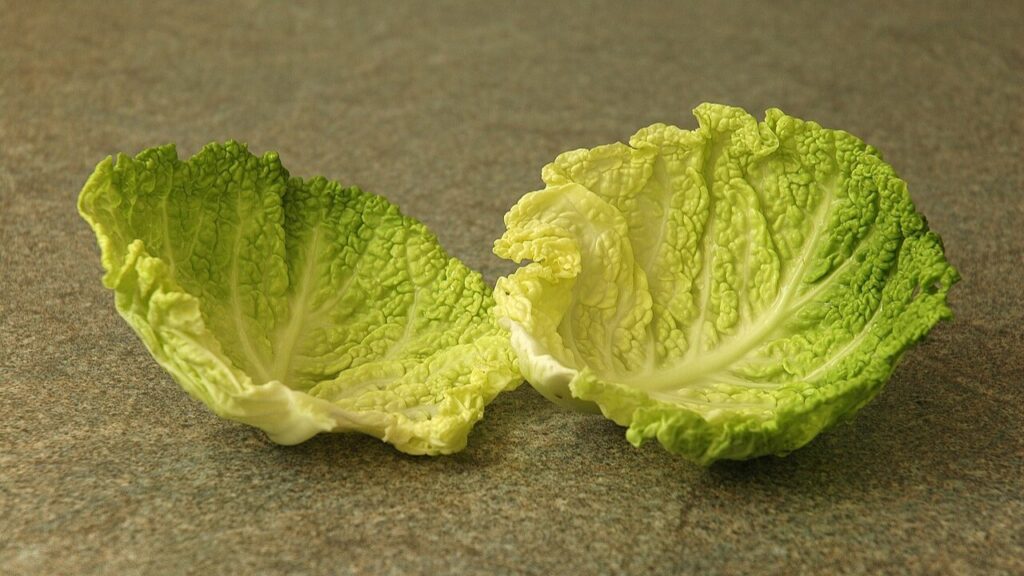
- Pick a leaf. Green or savoy cabbage. Peel off an outer leaf or two and wash them well (cabbage can carry pesticide residue and soil).
- Soften it. Cut out or flatten the thick centre rib with a rolling pin until the leaf is pliable and a little juicy.
- Choose cool or room temperature. Chilled leaves (from the fridge) are popular for hot, puffy feet; room-temperature leaves for a gentler feel. Never heat a leaf until it’s hot.
- Wrap loosely. Lay it over the sole and top of the foot and hold it in place with a clean cotton sock. It should never feel tight.
- Overnight or shorter. Some people sleep in it; others do 20 to 60 minutes with their feet up. In the morning, toss the leaf and wash your feet.
Who should go easy

- Diabetes, neuropathy or poor circulation: you may not feel a problem developing under a damp wrap. The US CDC (and Diabetes Canada) advises checking your feet every day; ask your doctor or foot-care nurse before trying overnight wraps.
- Broken, cracked or infected skin: skip it until the skin has healed.
- Itching, rash or redness: stop. Some people react to cabbage, and cabbage allergy is real (it’s rare).
- Babies and young children: keep wraps short and loose, check the skin often, and don’t use them to manage a fever on their own (see below).
- Breastfeeding: if you’re using leaves for engorgement, some lactation consultants suggest limiting how long leaves stay on, so ask yours about timing.
When to see a doctor
Cabbage leaves are a comfort measure. These symptoms need a professional, US guidance first (CDC and MedlinePlus), with the same advice in Canada:
- Swelling, pain, warmth or redness in one calf or leg, especially after travel, surgery or bed rest. That can be a blood clot (deep vein thrombosis): get same-day care. Call 911 (US and Canada) if you’re also short of breath, have chest pain or a racing heart.
- Swelling in both feet along with breathlessness, needing extra pillows to sleep, or sudden weight gain. It can be a sign of heart, kidney or liver trouble.
- Red, hot, spreading skin, red streaks or a fever with a sore foot (possible infection).
- A foot sore that won’t heal, or any new wound if you have diabetes.
- Fever in a baby under 3 months (100.4°F / 38°C or higher): call a doctor right away. In Canada, you can also call 811 in most provinces for nurse advice.
- Joint pain with a hot, very swollen joint, or pain that’s getting worse instead of better.
For everyday puffy ankles that come and go, our post on keeping your lymph moving covers the simple habits people pair with foot rituals: walking, elevating your legs and staying hydrated.
Try this today
Tonight, put two washed cabbage leaves in the fridge for an hour. Flatten the ribs, wrap one loosely around each foot under a cotton sock, then lie down with your feet up on a pillow for 20 minutes before bed. Notice how your feet feel in the morning. If your skin itches or reddens, stop and rinse.
Go deeper in the Vault
Members can find the full Poultices entry (cabbage leaf, onion, clay, mustard and more), plus Hot and Cold Compresses, Warming Socks and Water Retention in the Natural Remedy Library, and the Arthritis hub for sore joints. Explore the Remedies Vault.
Educational only, not medical advice. This information has not been evaluated by the FDA or Health Canada and is not intended to diagnose, treat, cure, or prevent any disease. Talk to your healthcare provider before starting any remedy, supplement, or detox, especially if you are pregnant, nursing, taking medication, or managing a health condition. Read our full Medical Disclaimer.