Safflower
Safflower is the bright orange "false saffron" flower that's also the source of a common kitchen oil. The vault page explains why the flower and the oil are two very different products, and who should leave the flower alone.
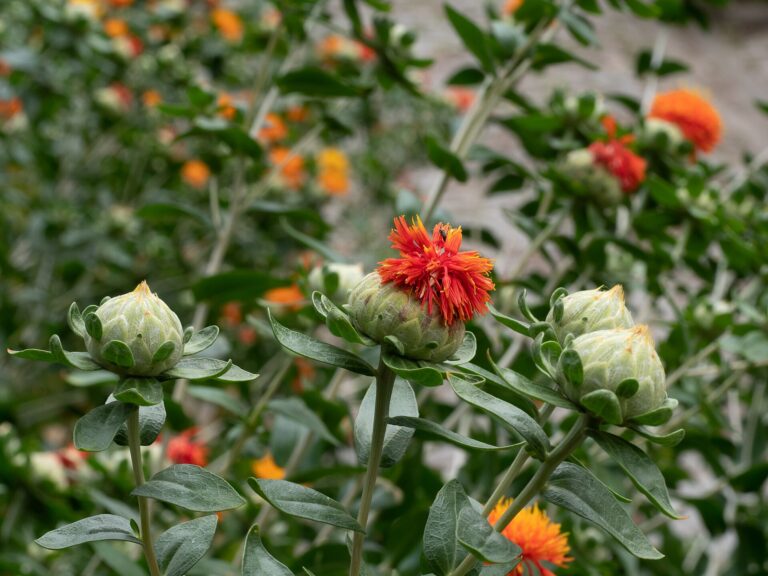
Safflower is the bright orange "false saffron" flower that's also the source of a common kitchen oil. The vault page explains why the flower and the oil are two very different products, and who should leave the flower alone.
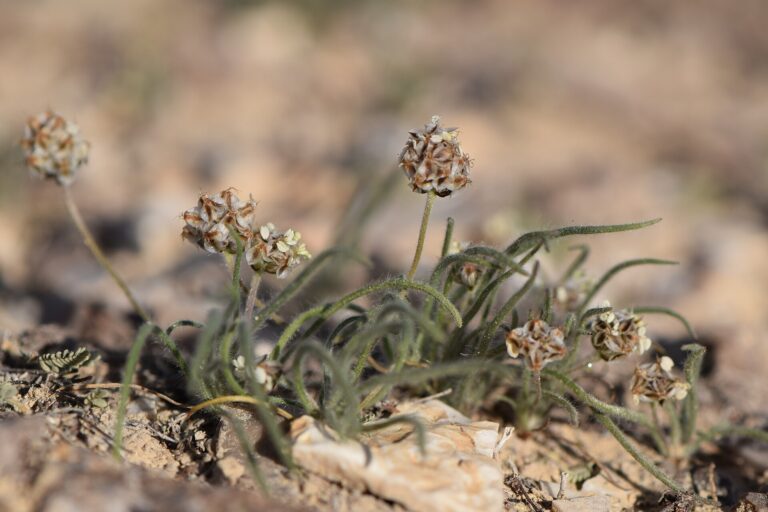
Psyllium, known in India as isabgol, is the plant fibre behind many everyday fibre supplements, and it has some of the strongest research of any herb in the vault. Here's how traditions use it, what the newest guidelines say, and how to take it safely.
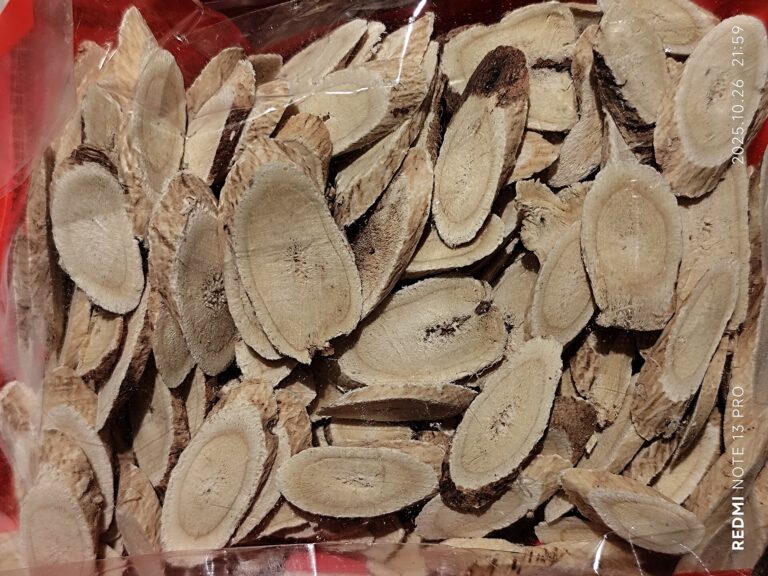
Huang Qi, the yellow root behind Chinese "Jade Windscreen" formulas, is one of the best-known qi tonics in traditional Chinese medicine and a popular immune-season herb in the West. Here's what the tradition uses it for, what the (mostly small, Chinese) studies show, the Health Canada amounts, and why people with autoimmune disease or a transplant should steer clear.
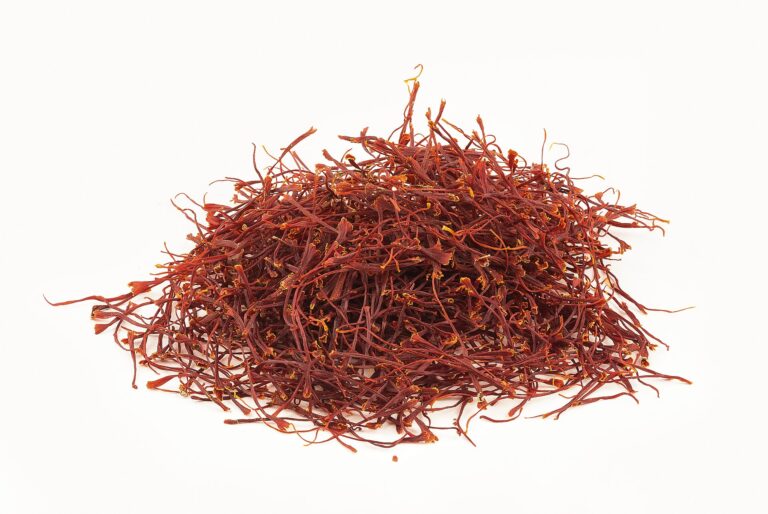
The world's most expensive spice is also one of the oldest mood herbs on record: Persian physicians called it a heart-gladdener, and modern trials have tested it for low mood and PMS. This profile covers how tradition uses it, what the research shows, and why "more" is not better with saffron.
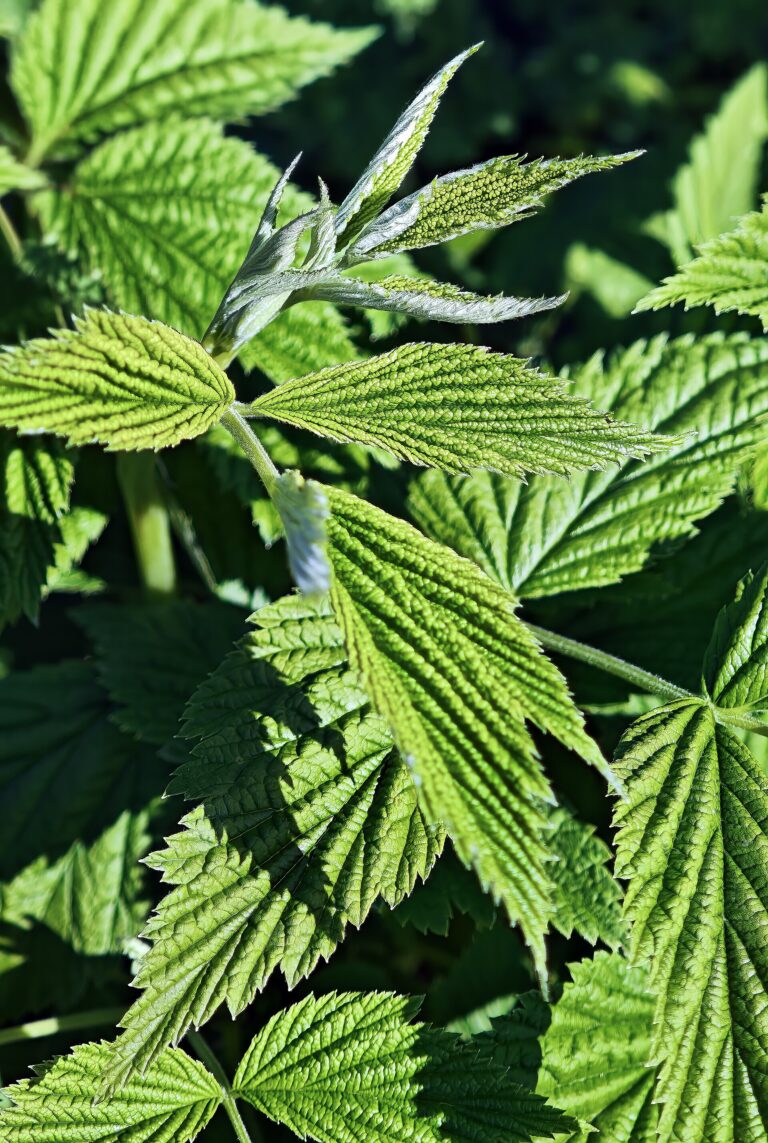
Raspberry leaf is one of the best-known "women's teas", a mild, slightly drying leaf that midwives and herbalists have handed down for generations. It is also a European-approved traditional tea for period cramps, mild tummy upsets and as a mouth and throat gargle.
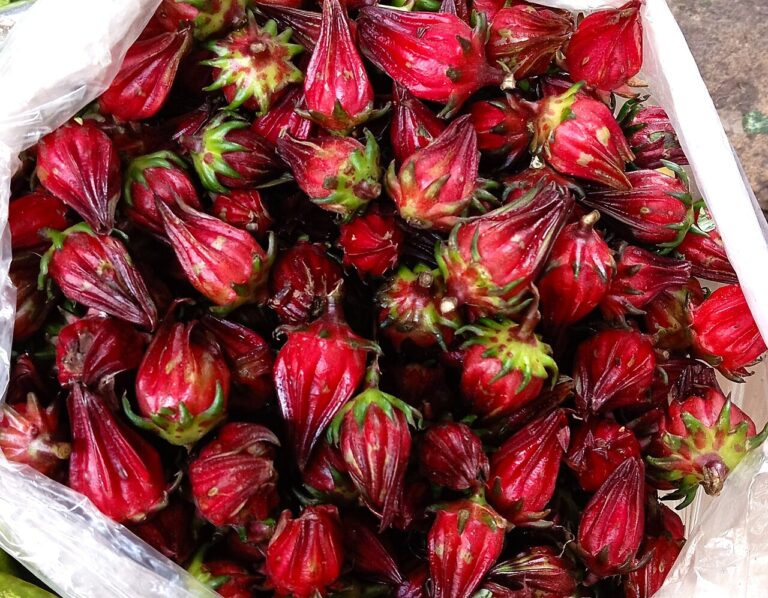
Tart, ruby-red hibiscus tea is drunk hot or iced from Egypt to Mexico and is one of the most-studied herbal teas for heart wellness. Here's what traditions use it for, what the trials show, how people brew it, and who should check first.
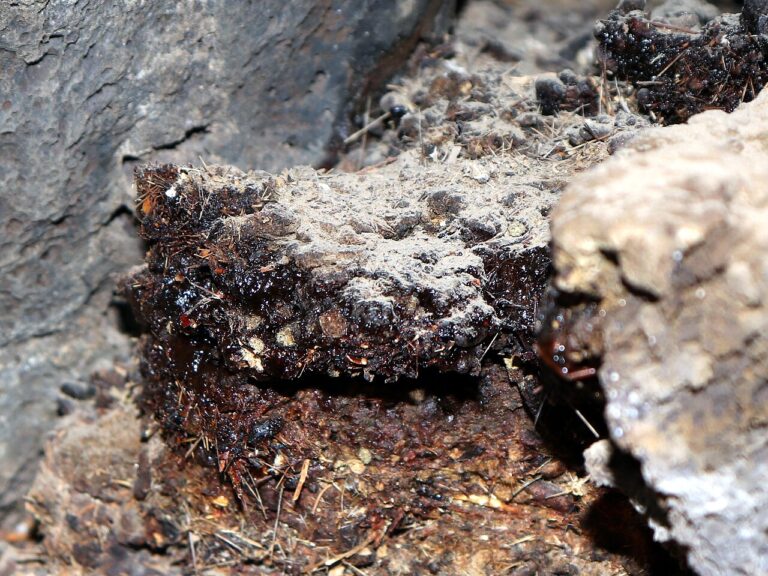
A dark mountain resin that Ayurveda has treated as a prized rejuvenating tonic for centuries, now sold worldwide for energy and men's vitality, and one of the supplements most likely to be contaminated.
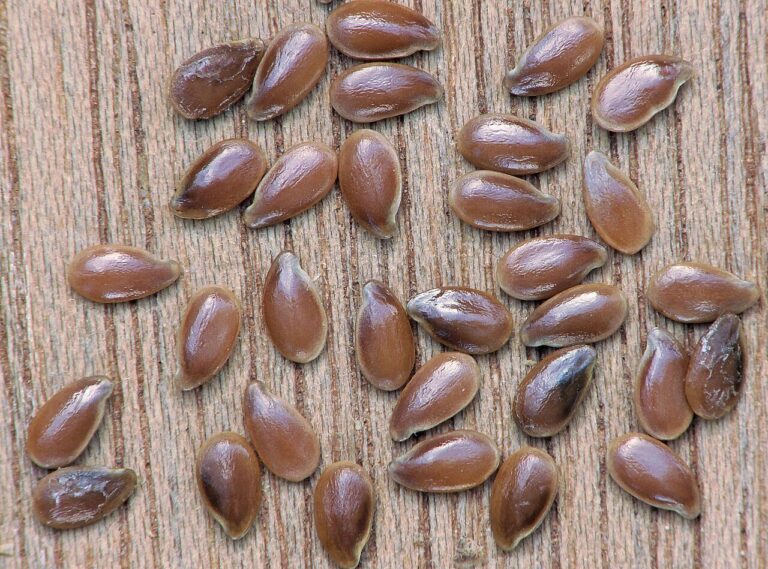
The small brown or golden seed behind linseed tea, old-fashioned linseed poultices and today's breakfast sprinkle. Flax has been a food, fibre and folk remedy for thousands of years and is now one of the better-studied seeds for the bowels and blood pressure.
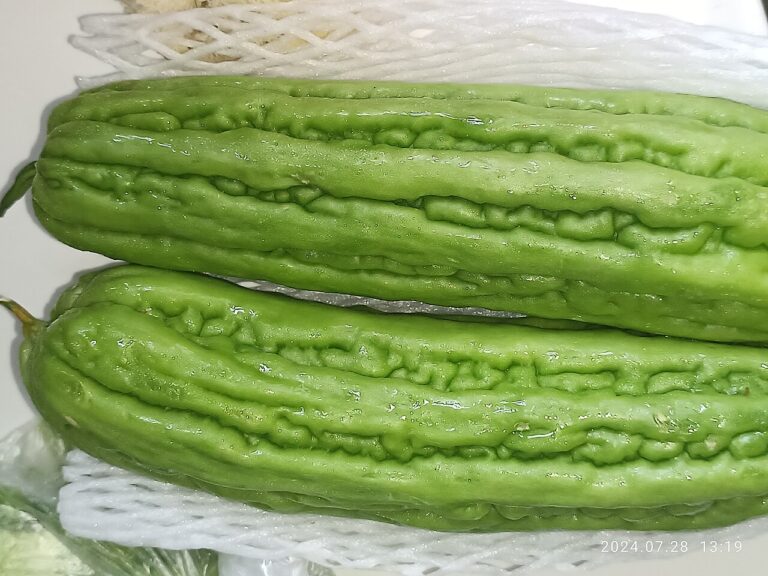
A knobbly green gourd that is everyday food from India and China to the Philippines, and the famously bitter "cerasee" bush tea of Jamaica and the Caribbean. Few plants are used in as many traditional kitchens and medicine systems at once.
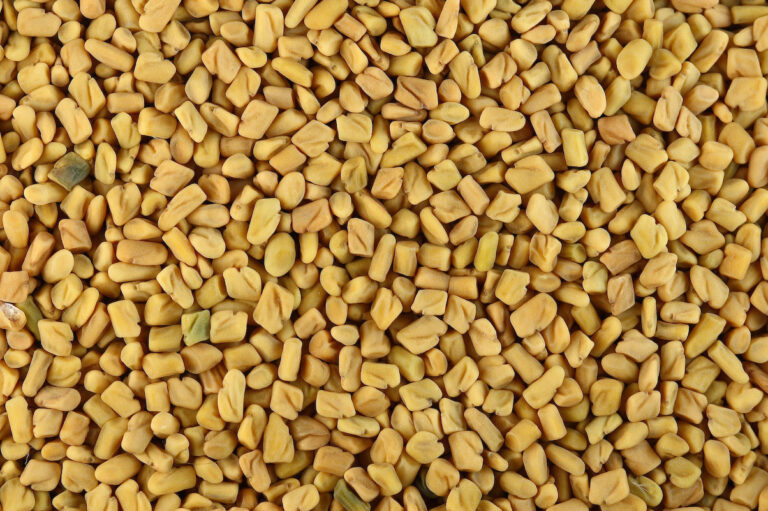
A small golden seed that has flavoured curries and fed nursing mothers for thousands of years, from ancient Egypt to India. Its maple-syrup aroma is the same one that famously lingers on the skin of people who take it.