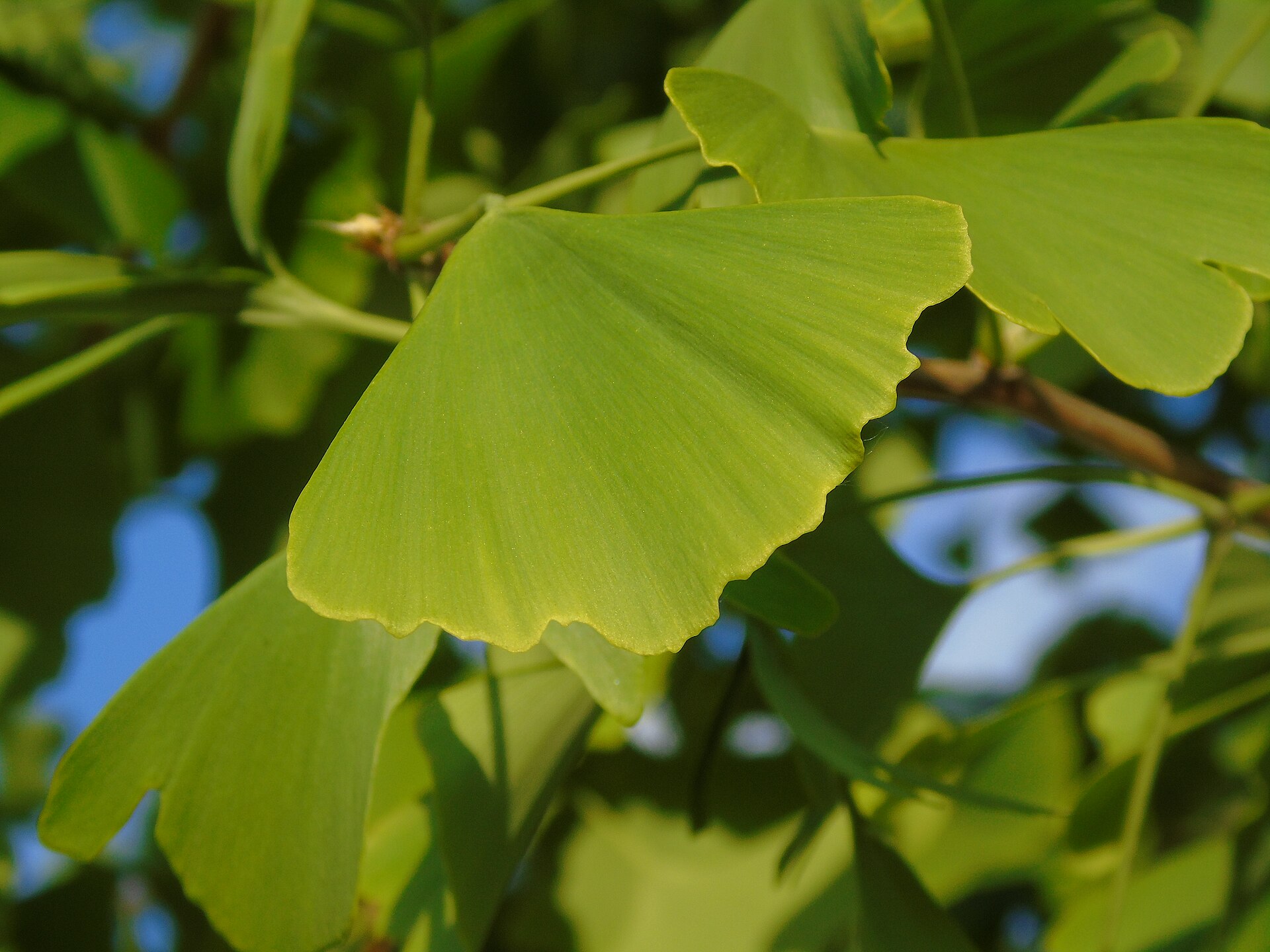
One of the oldest tree species on earth, long planted beside Buddhist temples in China and now grown on city streets across Canada. Its fan-shaped leaves became one of Europe’s best-known herbal medicines for memory and circulation.
Similar Posts
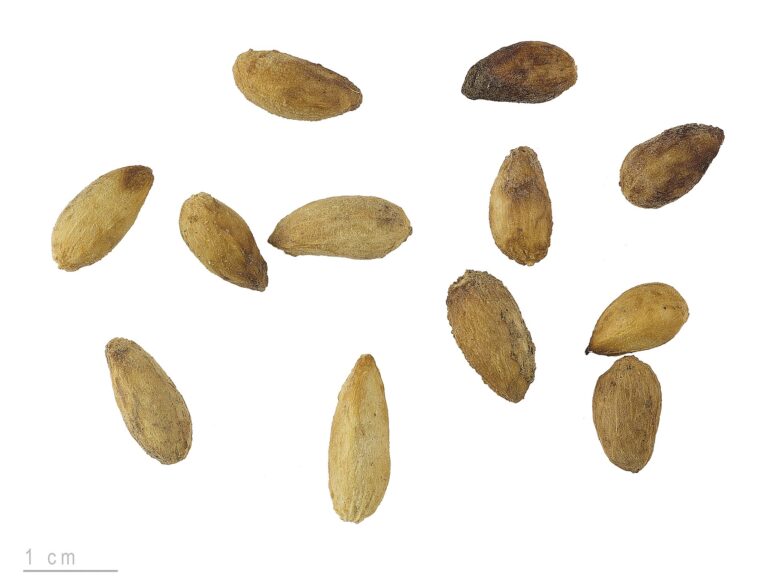
Neem
Neem is a bitter Indian tree that Ayurveda has used for centuries, and it turns up in many parasite and candida cleanses today. Members get the full entry: what the lab and small human studies show, how people take the leaf, and why neem oil should never be swallowed.
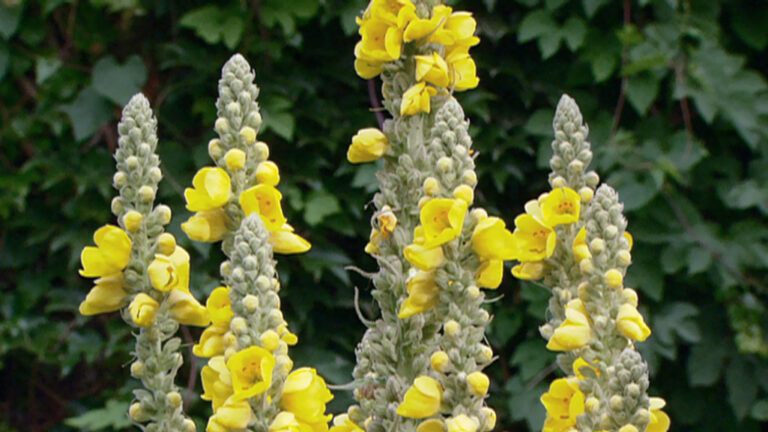
Mullein
Mullein is the tall, velvety roadside plant that peoples from Spain to Turkey to the Canadian Interior have turned to for tight, irritated chests. Members can read every traditional use, how its soothing compounds are believed to work, and what the small body of research shows.
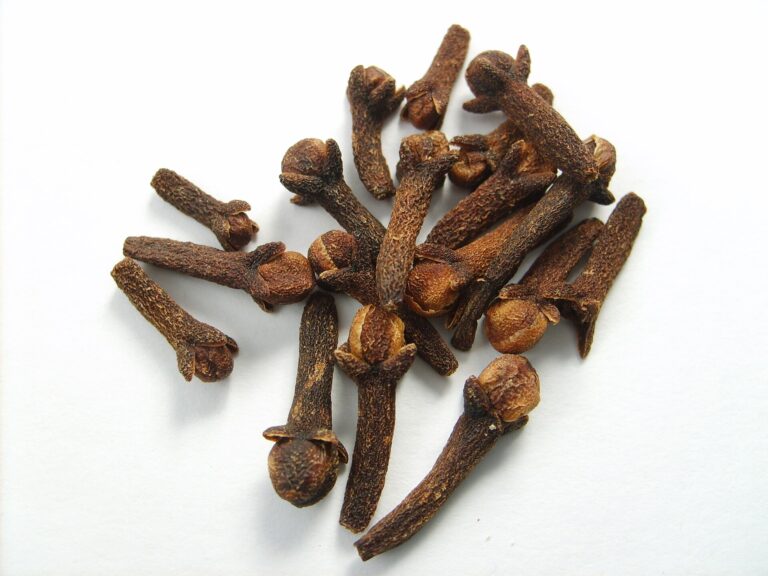
Clove
Clove is the warming kitchen spice that rounds out the classic three-herb parasite cleanse, alongside black walnut and wormwood. Members can read what the research really shows, what product labels list, and why clove oil is a very different thing from ground clove.
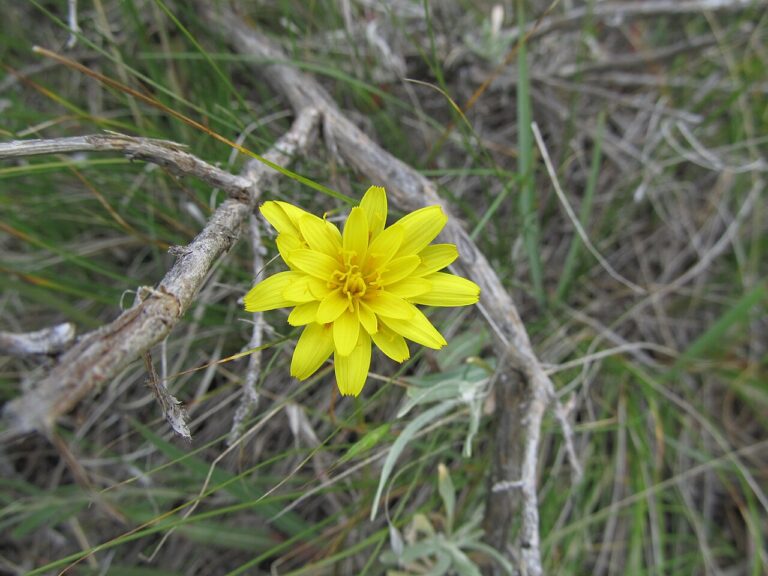
Dandelion
The common lawn weed is one of the most widely used plants in folk medicine, from European herbalists to Chinese and Native American healers. Members can read the traditional uses of its root, leaf and flower, how it's believed to work, what the research says, typical amounts and who should skip it.
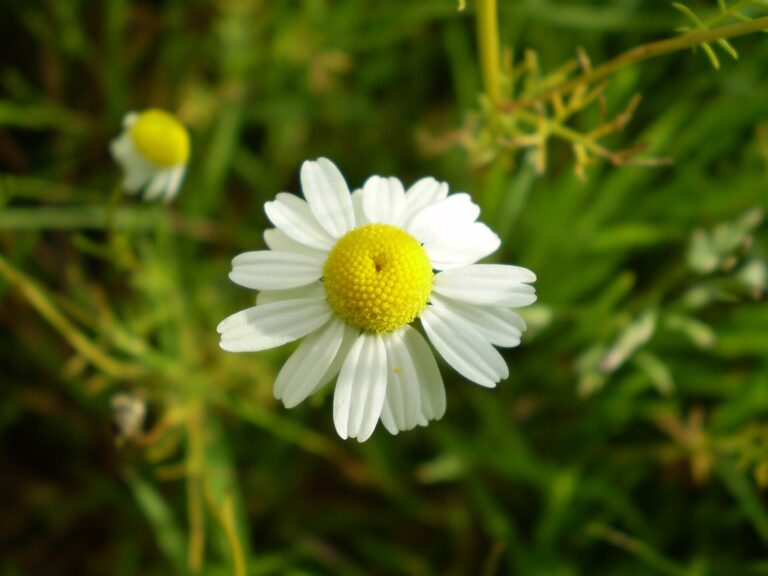
Chamomile
One of the oldest and gentlest herbs in the world, with more than a million cups of its tea drunk every day. Here's how tradition uses chamomile for nerves, sleep, digestion, mouth and skin, what the research shows, and the one allergy to watch for.
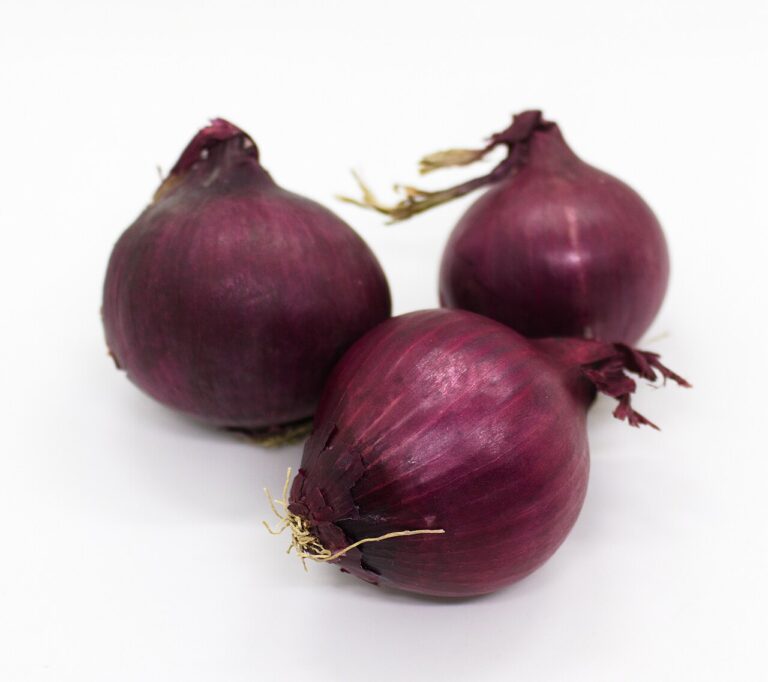
Quercetin
Quercetin is the most common flavonoid in the human diet, the yellow pigment behind onion skins and apple peels. Here's how naturopaths use it, the traditional herbs that are rich in it, and what the research shows.