You already have yeast in your gut. Everyone does.
Candida is a normal resident of the mouth, gut and skin. Most of the time it sits quietly alongside trillions of bacteria and causes no trouble at all.
The trouble starts when the balance shifts. That’s where naturopaths put their attention: not on “killing” yeast, but on asking what changed.
Here’s what tips the balance, the signs people link to it, and the foods and herbs traditionally used to support a calmer gut.
Quick take
- Candida is normal. Problems are about balance, not presence.
- Antibiotics, high blood sugar and some medicines are the classic triggers.
- Naturopaths start with food and fibre, then add herbs like garlic and oregano, carefully.
Candida is already part of you
Candida albicans is a yeast, a kind of fungus. It lives in most healthy people.
Your friendly gut bacteria keep it in check. They compete for space and food, and they make the gut a less welcoming place for yeast to spread.
When that team gets knocked back, yeast can take up more room.
Mainstream medicine recognises the yeast infections you can see and test: oral thrush, vaginal yeast infections, and itchy rashes in warm skin folds. Serious, invasive infections happen mainly in people who are very ill or have a weakened immune system.
“Candida overgrowth” in the gut as the cause of everyday symptoms is more debated. Many naturopaths work with it. Many doctors are skeptical. The research is thin. We’ll be upfront about that as we go.
What tips the balance
These are the usual suspects, and most are well recognised:
- Antibiotics. They clear harmful bacteria, but friendly ones too. Yeast isn’t affected, so it gets room to grow. Thrush after a course of antibiotics is common.
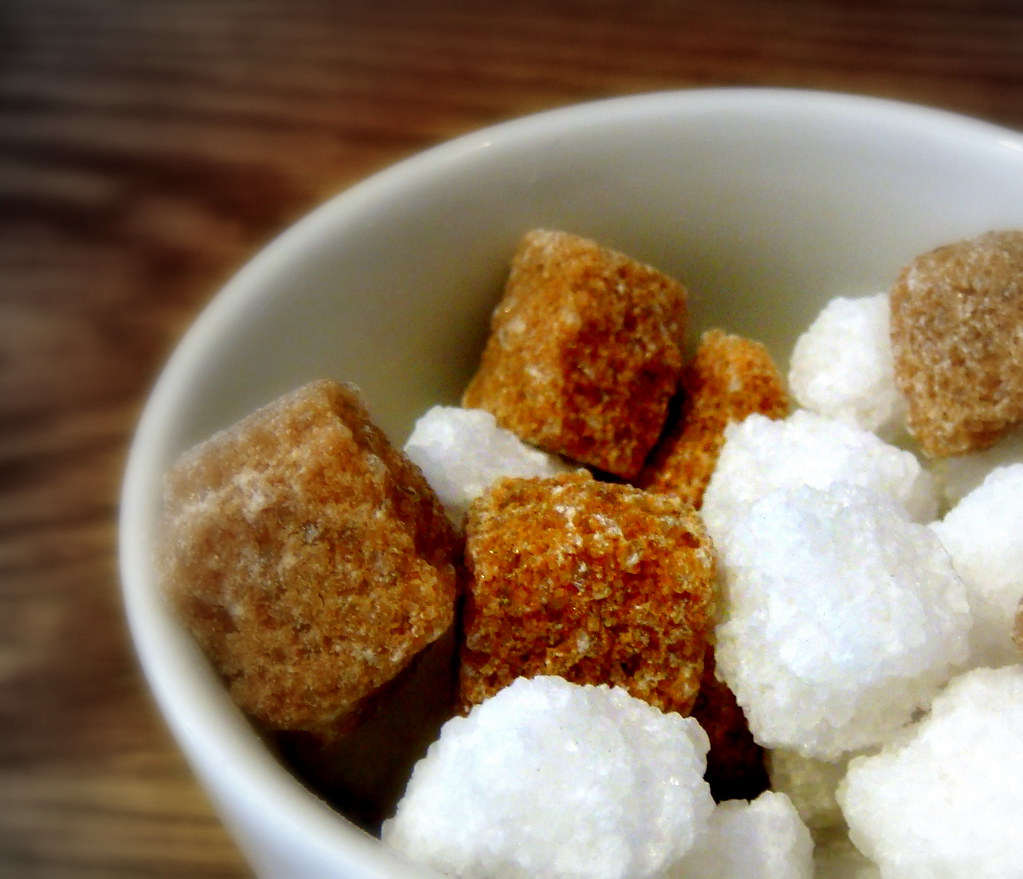
- High blood sugar. Yeast feeds on sugar. Poorly controlled diabetes is a known risk factor for yeast infections.
- Steroid medicines, including inhaled steroids for asthma. (Rinsing your mouth after each puff helps.)
- A weakened immune system, from illness or its treatment.
- Dentures, especially worn overnight.
- A diet heavy in sugar and refined carbs. Naturopaths often look here first. Human research on diet and gut yeast is still limited, but less added sugar is a sensible step for most people anyway.
If blood sugar is part of your picture, our post on blood sugar swings covers the foods and herbs traditionally used to steady them.
Signs people link to yeast overgrowth
Clearly yeast-related (and easy for a doctor to check):
- White patches in the mouth or on the tongue that may bleed a little when wiped (thrush)
- Vaginal itching with a thick, white discharge
- A red, itchy rash in skin folds
Often linked to gut yeast by naturopaths (but with many other possible causes):
- Bloating and gas after sugary or starchy meals
- Strong sugar cravings
- Brain fog and tiredness
- A coated tongue
That second list overlaps with dozens of other things: food intolerances, IBS, thyroid problems, poor sleep. So get checked rather than assuming it’s yeast. Our bloating and gas post covers other common causes.
Naturopaths don’t start by attacking yeast. They start by asking what let it spread.
The foods traditionally used
Food comes first in most naturopathic gut plans. The common steps:
- Cut back added sugar and white flour. Not forever, and not to zero. Just less fuel for yeast and steadier blood sugar.
- Eat more vegetables and fibre. Fibre feeds the friendly bacteria that keep yeast in line.
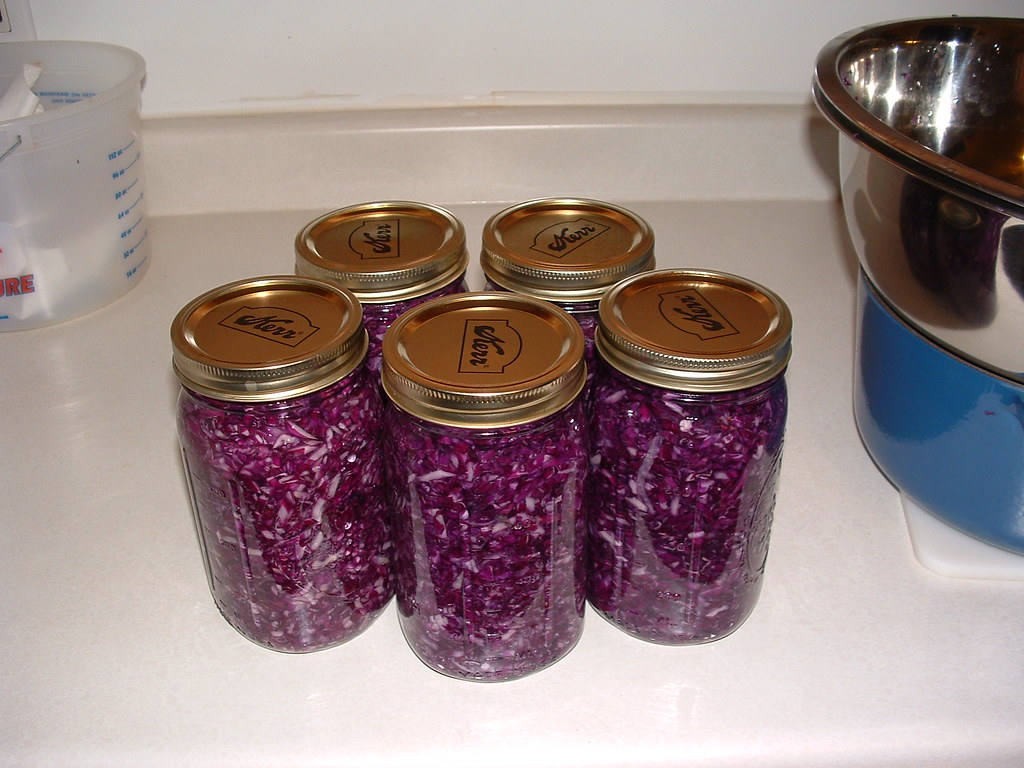
- Add fermented foods. Plain yogurt or kefir with live cultures, sauerkraut, kimchi. Probiotics are being studied for yeast problems, with promising but mixed results, mostly for vaginal yeast and for thrush in denture wearers.
- Cook with garlic, onion, oregano, thyme and cinnamon. Kitchen herbs traditionally used for gut support.
- Drink water. Simple, but it keeps things moving.
Strict “candida diets” that cut out all fruit and most carbs are popular online. There’s little evidence they work better than a sensible lower-sugar way of eating, and they’re hard to keep up. Go gentle.
The herbs naturopaths reach for
A word on the research first: most of what follows shows antifungal activity in lab dishes. That’s a long way from proof in people. Think of these as support, not a replacement for medical treatment.
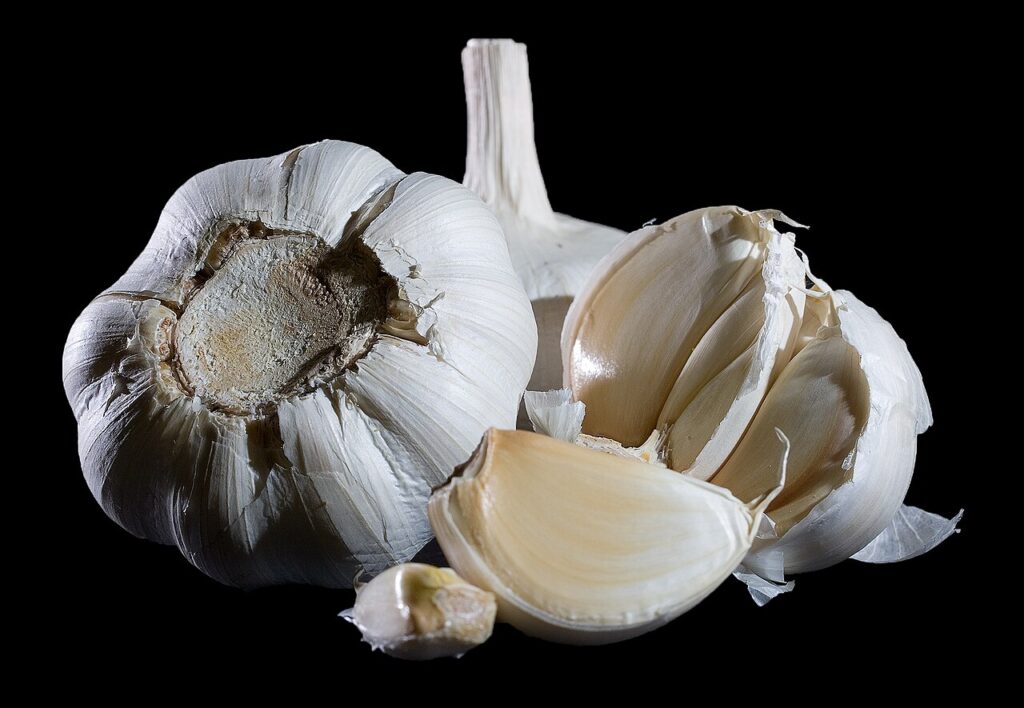
Garlic
Garlic contains allicin, which has shown antifungal effects against Candida in lab studies. It’s traditionally used for gut and immune support. Fresh, crushed garlic in food is the gentle way in. For supplements, amounts vary by product; follow the label and check with your doctor first, especially if you take blood thinners or have surgery coming up.
Oregano oil
Oregano’s main compound, carvacrol, is strongly antifungal in the lab. Naturopaths use oregano oil for short stretches to support gut balance. It’s potent: never take it undiluted, as it can burn the mouth and upset the stomach. Avoid it in pregnancy and breastfeeding.
Caprylic acid
A fatty acid found in coconut oil. It’s a staple of traditional candida protocols, and lab studies show it can disrupt yeast cell walls. Human evidence is limited. It can cause stomach upset, so naturopaths start low; follow the label and check with your doctor first.
Pau d’arco
The inner bark of a South American tree, traditionally brewed as a tea for infections, including yeast. Lab studies show antifungal activity. But high doses of one of its compounds (lapachol) caused side effects in older studies, and it may raise bleeding risk. Avoid it in pregnancy and with blood thinners, and keep any use short and doctor-approved.
Before reaching for strong herbs, read why most detoxes backfire. Opening the exits (regular bowel movements, enough water) comes first.
Who should be careful
- Pregnant or breastfeeding: skip oregano oil and pau d’arco unless your doctor approves.
- On blood thinners or before surgery: garlic supplements and pau d’arco may increase bleeding risk.
- On diabetes medicine: big diet changes can shift your blood sugar. Talk to your provider first.
- Weakened immune system (chemotherapy, transplant, HIV): get medical care for any suspected yeast infection, and ask before taking probiotics.
- Children: check with a doctor first.
Some people feel worse for a few days after changing their diet or starting herbs. Naturopaths call this “die-off”. If you feel unwell, stop and talk to your doctor. Don’t push through it.
When to see a doctor
- Thrush that doesn’t clear within a week or two, or keeps coming back
- White patches that are painful or make swallowing hard
- Your first vaginal yeast infection, or four or more in a year
- Fever, chills or feeling very unwell
- Unexplained weight loss, ongoing diarrhea, or blood in your stool
- Yeast symptoms alongside diabetes, pregnancy or a weakened immune system
Recurring yeast infections can be an early sign of high blood sugar. A simple blood test is worth asking about.
Try this today
For the next three days, swap one sugary snack for plain yogurt or kefir with live cultures, or add a forkful of sauerkraut to lunch. Notice how your gut feels. Small changes you can keep beat a strict cleanse you can’t.
Go deeper in the Vault
Vault members get the Gut & Candida hub: everything the Vault has on gut balance in one place, with the safety notes up top and the Gut & Candida protocol (full step-by-step version for Full Vault members), plus Library entries on garlic, oregano oil and pau d’arco.
Educational only, not medical advice. This information has not been evaluated by the FDA or Health Canada and is not intended to diagnose, treat, cure, or prevent any disease. Talk to your healthcare provider before starting any remedy, supplement, or detox, especially if you are pregnant, nursing, taking medication, or managing a health condition. Read our full Medical Disclaimer.