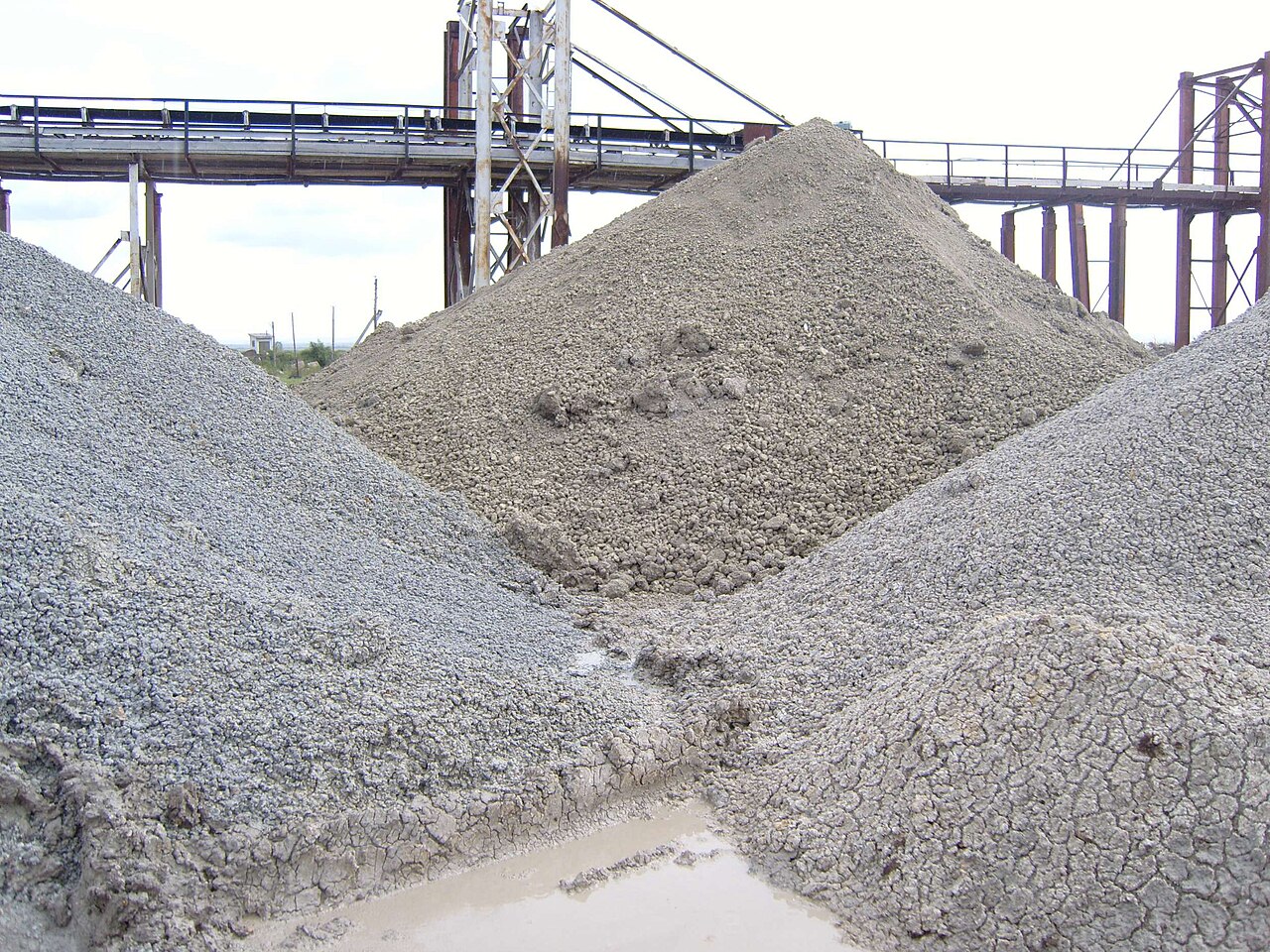
Some binders come from plants. Bentonite and zeolite come out of the ground.
They are the two “rock” binders people reach for during a cleanse. One is a soft volcanic clay. The other is a hard mineral full of tiny pores. Both come with big promises online.
If you are new to binders, start with our overview, Binders explained: charcoal, clay, chlorella and pectin. (Charcoal got its own post: Activated charcoal up close.) This one goes deeper on the clays: the names, the studies, and the one quality check that matters most.
Quick take
- Bentonite is a clay from the smectite family; zeolite (clinoptilolite) is a different, honeycomb-shaped volcanic mineral.
- The best human data is narrow: smectite for children’s diarrhea, and a tested calcium clay for a mould toxin in Ghana. “Whole-body detox” claims are still unproven.
- Clay comes out of the ground and can carry lead. Only use a food-grade product with published heavy-metal testing, and keep it 2 hours away from medicines.
Bentonite, montmorillonite, smectite: sorting out the names
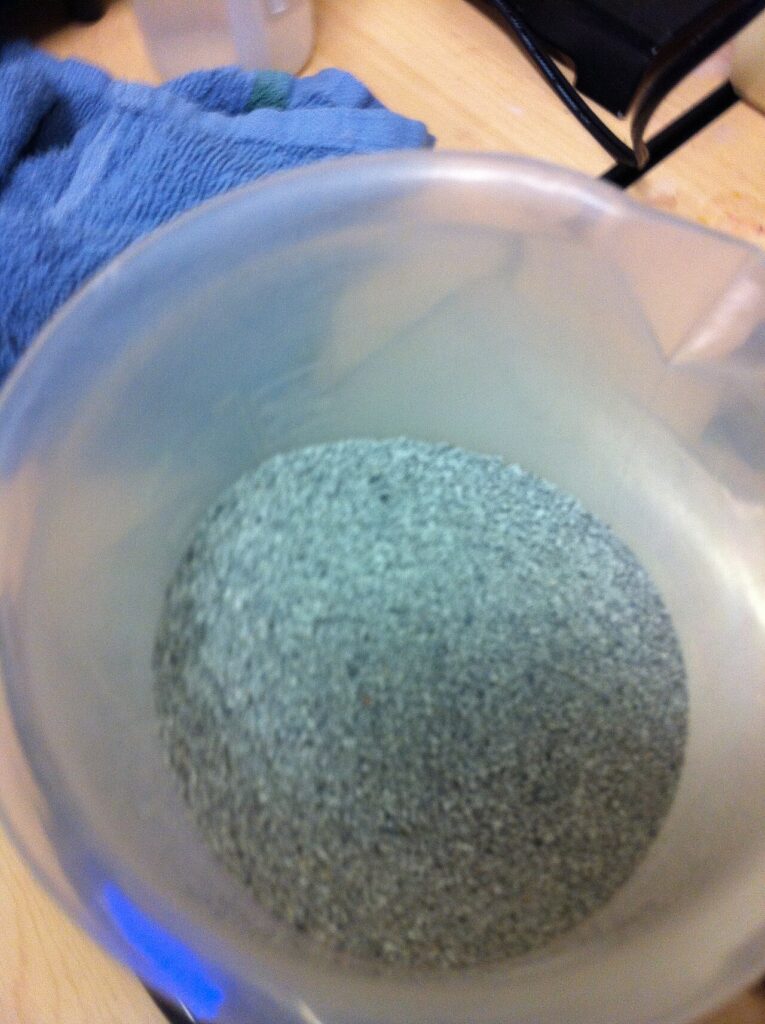
The labels can be confusing, so here is the family tree in plain words.
- Smectite is the big family. These clays swell when wet and have a large, charged surface that can hold onto other particles.
- Montmorillonite is the main mineral inside most of these clays. You will see “montmorillonite clay” on some labels; it is essentially the same idea as bentonite.
- Bentonite is the rock name for clay made mostly of montmorillonite, formed from weathered volcanic ash. It comes as calcium bentonite or sodium bentonite. Calcium types are the ones usually sold for drinking.
- Zeolite is not a clay at all. It is a separate mineral group. The one sold as a supplement is clinoptilolite (“clino”).
Eating clay is an old folk habit across Africa, the Americas and Asia, traditionally used for upset stomachs and loose stools.
What the studies on clay actually show
Diarrhea in children
A Cochrane review of 18 trials, in about 2,600 children, found that a pharmacy-grade smectite given with rehydration fluids may shorten acute diarrhea by roughly a day. The evidence was rated low certainty. It was a medicine-grade product.
The aflatoxin trials in Ghana
Aflatoxin is a toxin made by mould on stored grains and peanuts, and in parts of Ghana people are exposed to it daily.
- In a 3-month placebo-controlled trial in 177 adults, a refined, tested calcium clay was well tolerated.
- A later 60-day trial in 200 children found a urine marker of aflatoxin dropped by about 60% in the clay group, while it rose in the placebo group.
So one tested clay may help hold a specific toxin in the gut, where exposure is very high. A real finding, but a narrow one.
Heavy metals, parasites and “whole-body detox”
There are no good human studies showing retail bentonite clears heavy metals, parasites or candida from the body. Those ideas come from lab binding studies and tradition. Naturopaths who use clay see it as one support in the binder phase, not the whole plan.
A binder dug from the ground can carry the very metals you are trying to avoid. The test report matters more than the story on the bag.
Zeolite: the honeycomb mineral
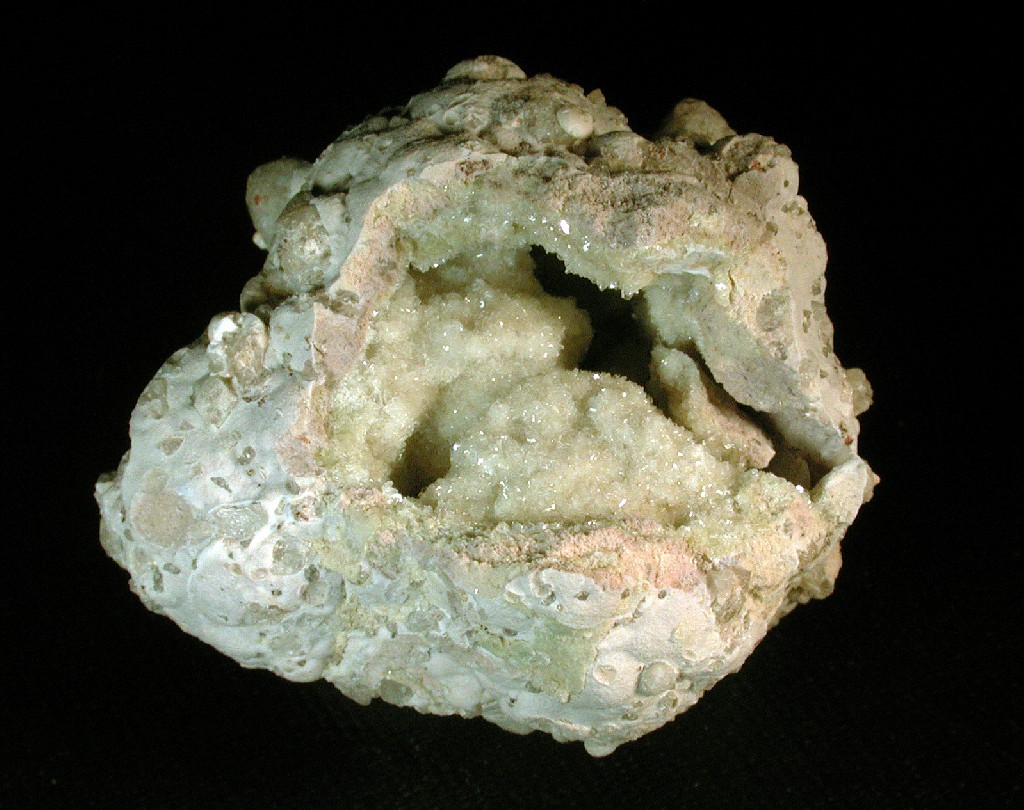
Zeolite is built like a cage of tiny, negatively charged pores. It can swap and hold certain charged particles, including some metals and ammonia. It was used in farming (it is an approved feed additive in the EU) before it became a supplement.
- Lab and animal work: it holds onto lead and some toxins in the lab, and long animal studies found no serious harm.
- Human studies are few and small. A 2018 review counted only a handful, most without a comparison group.
- The best-designed trial was neutral. In a 2022 study, 30 adults with IBS with diarrhea took 6 g a day of purified clinoptilolite or a placebo for 12 weeks. Relief was about the same in both groups (21% vs 25%). Side effects were mild.
- No human studies show it pulls heavy metals out of the body. Memorial Sloan Kettering says zeolites have not been shown to treat any condition in people, and the US FDA has sent warning letters to sellers making disease claims.
Liquid zeolite drops vs powder
Zeolite is a rock. It does not dissolve in water. So a clear “liquid zeolite” or “nano zeolite” product is often a very different thing from the powder in the studies, and some contain very little actual mineral. The small human studies used the powder, in grams, not drops. Read exactly what is in a drop product, and how much.
The lead problem: why tested, food-grade clay matters
Clay and zeolite come out of the earth, and the earth contains metals. In 2016 the US FDA warned people not to use one bentonite powder sold online after testing found high levels of lead. Memorial Sloan Kettering also notes a European zeolite product found to contain arsenic, lead, mercury and cadmium.
Before you buy, look for:
- “Food grade” or “for internal use” on the label (not cosmetic or industrial clay)
- A third-party heavy-metal test for each batch, published or sent on request
- For zeolite, clinoptilolite named on the label, plus how it was purified
- No disease claims on the label or website
If a company will not show you its lead results, that is your answer.
How people take clay and zeolite
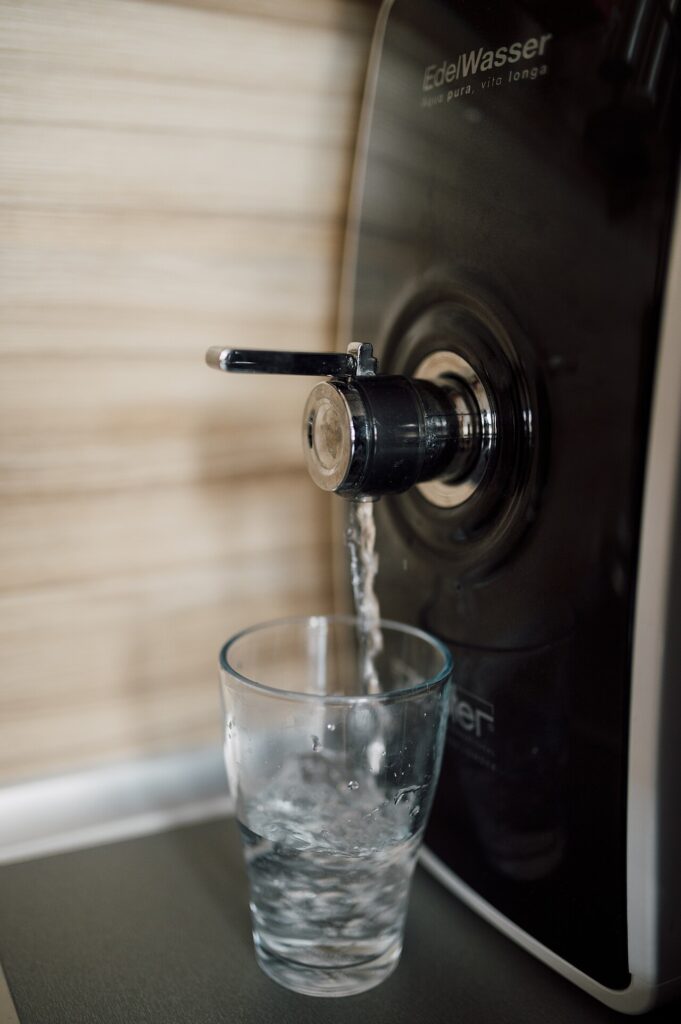
Amounts vary by product; follow the label, and check with your doctor first. For context, the aflatoxin trials used 1.5 g or 3 g a day of one tested clay, and zeolite studies have used about 1.85 to 6 g a day. Don’t assume those numbers carry over to any retail powder.
- Mixed into water, usually a full glass, stirred and drunk right away.
- Away from everything else. Keep a binder at least 2 hours away from medicines, supplements, herbs and meals. It does not know the difference between a toxin and your thyroid pill.
- Lots of water through the day. Clays can slow the bowels. If you get constipated, stop and get things moving again first (see why most detoxes backfire).
- Short-term. The safety data covers a few weeks to 3 months. Most people use clay only during the binder phase of a cleanse.
- Don’t breathe the dust. Mix gently. Inhaled mineral dust is linked to lung scarring, and one fibrous zeolite (erionite, not the supplement type) is a known cause of lung disease.
Also available: detox kits that include a binder
If you would rather not piece a binder routine together yourself, two kits are sold by an outside company: The Ultimate Parasite Kit, which includes binders, and The Heavy Metal Blaster Kit. Check each label to see which binders it uses. Skip them if you are pregnant, nursing, on daily medication without your doctor’s OK, or prone to constipation.
Sponsored link. If you buy through it, Clif may earn a commission at no extra cost to you. The claims on the seller’s page are theirs, not ours, and haven’t been checked by us. It’s not a substitute for seeing your doctor.
Who should skip clay binders
- Anyone pregnant or nursing, and children, unless a doctor says otherwise
- Anyone on daily prescription medicine, unless a doctor or pharmacist helps time the doses (binders can lower how much you absorb)
- Transplant patients, people on immune-suppressing drugs, and anyone in chemotherapy without their care team’s OK
- People with a bowel blockage, long-term constipation, serious gut conditions or kidney problems
Never stop a prescribed medicine to make room for a binder.
When to see a doctor
- Diarrhea that lasts more than a couple of days, or any blood in the stool
- Severe belly pain, vomiting, or no bowel movement for several days after starting a binder
- Signs of dehydration: dizziness, very dark urine, a dry mouth
- If you think someone has swallowed something poisonous, call Poison Control or 911 right away. Do not try a home binder first.
Try this today
If you already have a tub of clay or zeolite in the cupboard, check the label for “food grade” and a batch number. Then look on the company’s website for a heavy-metal test for that batch. No report? Email and ask. Two minutes tells you whether it belongs in your glass.
Go deeper in the Vault
Members can open the full Detox Library entries for Bentonite Clay, Zeolite (Clinoptilolite), Activated Charcoal and Psyllium Husk, plus everything we have on heavy metals and gut and candida in one place. New here? See what’s inside the Remedies Vault.
Educational only, not medical advice. This information has not been evaluated by the FDA or Health Canada and is not intended to diagnose, treat, cure, or prevent any disease. Talk to your healthcare provider before starting any remedy, supplement, or detox, especially if you are pregnant, nursing, taking medication, or managing a health condition. Read our full Medical Disclaimer.