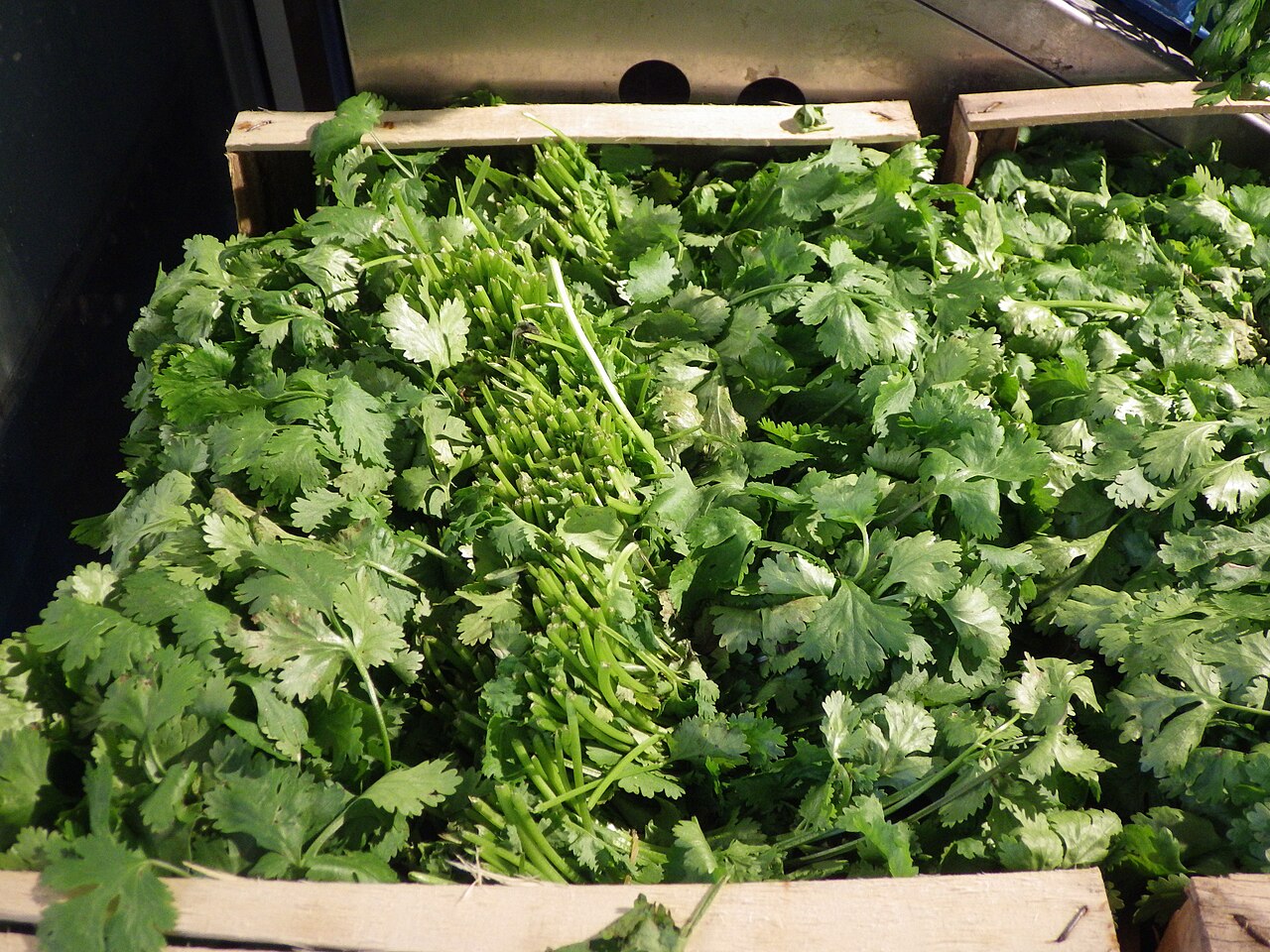
Cilantro to loosen. Chlorella to bind. Spirulina to nourish.
That is the famous heavy metal trio. You will find it in smoothie recipes, detox forums and plenty of combination formulas.
It sounds tidy. But how much of it holds up? If binders are new to you, start with Binders explained: charcoal, clay, chlorella and pectin. This post goes deeper on the three green ones: where the idea came from, what the small human studies found, and the safety checks that matter most. (The “rock” binders got their own post: Bentonite, zeolite and other clays.)
Quick take
- The trio rests on a “mobilize then bind” idea: cilantro said to loosen metals, chlorella to carry them out, spirulina to nourish.
- The evidence is mostly animal studies plus a few small human trials. The one cilantro trial in children found no difference from the comparison group.
- The biggest real risk is contamination. Algae can pick up the very metals you are trying to avoid, so choose tested products.
Where the “mobilize then bind” idea came from
The cilantro part is surprisingly recent. It traces mainly to case reports from the 1990s by a New York physician. He described mercury leaving the organs of a patient taking cilantro tablets after amalgam fillings were removed.
The catch: those measurements used a muscle-testing method that mainstream medicine does not accept as a way to measure metals.
From there, the idea grew. Cilantro was said to stir metals loose. Chlorella was paired with it to “catch” what was released in the gut. Spirulina joined later as the nutrient-dense partner.
Naturopaths who use the trio see it as gentle, food-based support. Mainstream reviewers see a nice story with thin proof. Here is what each one actually brings.
Chlorella: the green binder
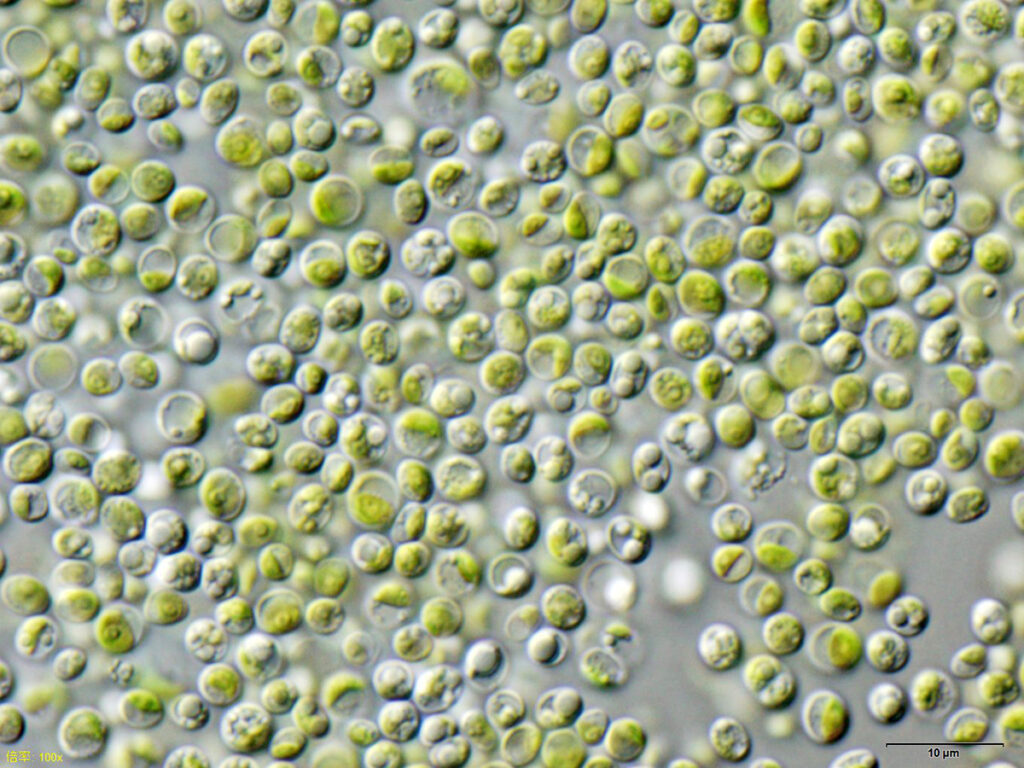
Chlorella is a single-celled freshwater green alga. It was studied as a protein food in the mid-1900s and became a popular supplement in Japan from the 1960s and 70s.
- Animal studies: in mice, chlorella lowered mercury and lead in tissues and raised how much left in the stool. The effect was much stronger when it was given during the exposure than afterward.
- People: a small Japanese study found that women who took chlorella through pregnancy had lower dioxin levels in their breast milk. Dioxins are industrial pollutants, not metals, and the result has not been widely repeated.
- What is missing: no well-designed human trial shows chlorella pulls stored metals out of the body.
It is rich in vitamin K and can contain iodine, which matters for some people (see “Who should skip the trio” below).
Spirulina: the nourishing one
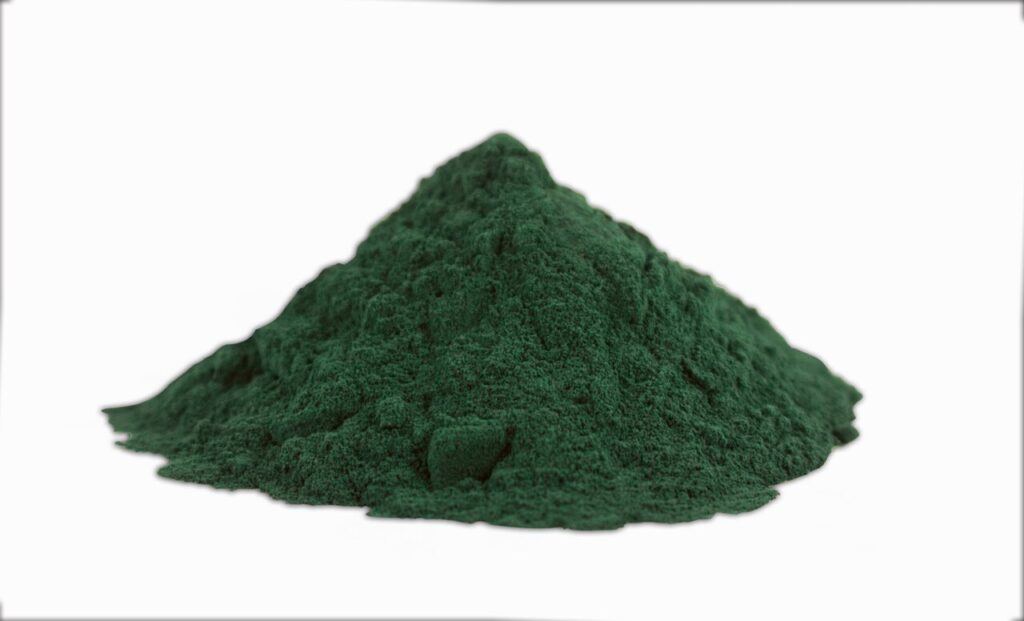
Spirulina is not a plant. It is a blue-green cyanobacterium, a tiny water organism that lives on sunlight. Spanish explorers described the Aztecs drying it into cakes from Lake Texcoco, and people around Lake Chad have long eaten it as a food called “dihe.”
Dried spirulina is about two-thirds protein. That is why detoxers treat it more as a rebuilding food than a binder.
- Arsenic: in a small trial in Bangladesh, people with long-term arsenic exposure from well water took spirulina plus zinc twice a day for 16 weeks. They passed more arsenic in their urine than the placebo group. Because zinc was given too, nobody can say how much was the spirulina.
- Other metals: no human trials were found for mercury, lead or general “metal detox.”
With algae, where it was grown matters as much as what it is.
Cilantro: the one said to loosen things
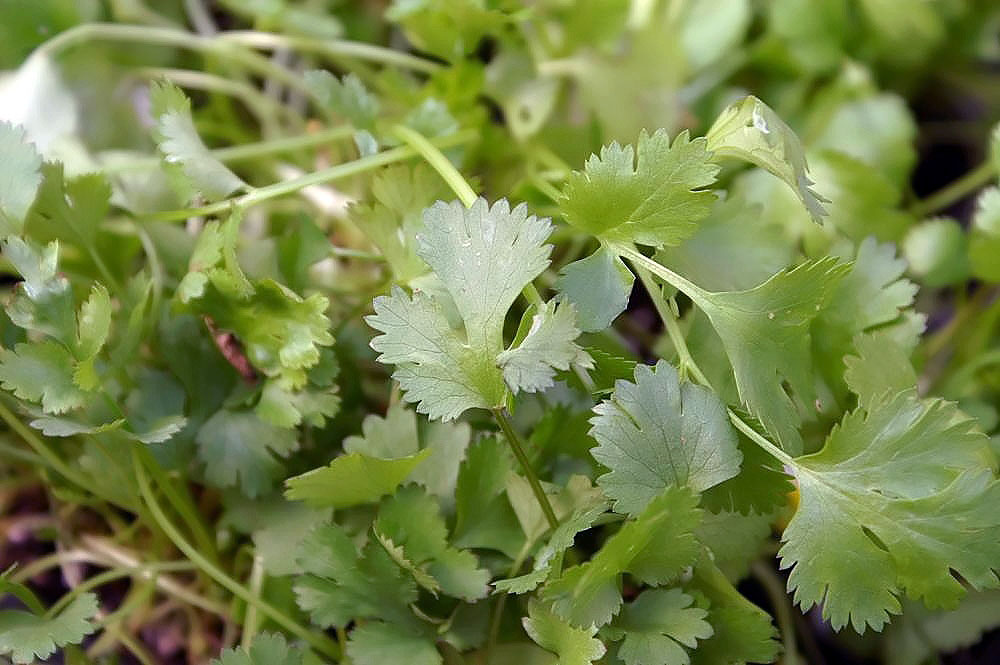
Cilantro (coriander leaf) is one of the oldest kitchen herbs in the world. In folk practice the seeds were used more than the leaves, mostly for gas, indigestion and a poor appetite.
- Animal studies: several rat and mouse studies found concentrated coriander extracts lowered lead, mercury or aluminium in blood and tissues.
- The one human trial: 32 children aged 3 to 7 with raised lead levels, in Iran, for 14 days. Lead went down in the cilantro group, but it went down just as much in the comparison group. The researchers concluded the extract was not effective and credited better nutrition in both groups.
Some detox writers warn that cilantro on its own could stir metals up without carrying them out. That is why it is almost always paired with a binder. That worry has not been tested in good human studies either, but it is the reason behind the pairing.
Contamination: the catch nobody puts on the label
Here is the irony: algae soak up whatever is in their water. Spirulina from open ponds can pick up liver-harming toxins from other algae (microcystins), bacteria, and metals like lead, mercury, cadmium and arsenic. Contaminated blue-green algae products have caused serious illness. Chlorella can pick up contaminants too.
- Choose a brand that publishes third-party testing for heavy metals, and for spirulina, microcystins too.
- Avoid products with no batch testing, no country of origin, or “wild-harvested” algae from unknown lakes.
- If a product is sold “for heavy metals” but cannot show you its own metal results, skip it.
Open your exits first
Every binder plan rests on one rule: what the body loosens has to leave. That means daily bowel movements, plenty of water and a liver and kidneys that are not already struggling.
That is the whole idea behind Why most detoxes backfire (and the order that actually works). Mobilizing before your exits are open is exactly the mistake that post warns about. If you are constipated, fix that first. For where metals hide in the first place, see Heavy metals: where they hide in everyday life.
How people use the trio sensibly
- Food first: cilantro in salads, salsa and smoothies is safe for most people at food amounts.
- Start low, with water: stomach upset and green stools are common in the first week of chlorella. People often start with a small amount and build up slowly.
- Typical amounts: chlorella varies widely by product, so follow the label. One spirulina label lists 1 g a day; studies used 1 to 10 g. One cilantro capsule label lists 425 mg twice a day for adults. Check with your doctor first.
- The 2-hour gap: take any binder at least 2 hours away from medicines, supplements and other herbs.
- Stop if constipated. A binder that is not moving out is not helping.
- Short courses: as supplements, people use them in phases rather than forever. Long-term safety at high amounts is not well studied.
Also available: a heavy metal detox kit
If you would rather not piece a routine together yourself, The Heavy Metal Blaster Kit is sold by an outside company. Check the label to see exactly what it contains and whether it includes a binder. Skip it if you are pregnant, nursing, on daily medication without your doctor’s OK, or prone to constipation.
Sponsored link. If you buy through it, Clif may earn a commission at no extra cost to you. The claims on the seller’s page are theirs, not ours, and haven’t been checked by us. It’s not a substitute for seeing your doctor.
Who should skip the trio
- Blood thinners: chlorella is high in vitamin K, which can make warfarin work less well. Spirulina may add to bleeding risk with blood thinners.
- Iodine sensitivity or thyroid conditions: check with your doctor before taking chlorella or other algae.
- Immune-suppressing medicines or autoimmune conditions (like lupus, MS or rheumatoid arthritis): both algae may stimulate the immune system.
- Phenylketonuria (PKU): avoid spirulina.
- Diabetes or blood pressure medicines: concentrated cilantro may lower blood sugar and blood pressure further.
- Allergies: to moulds (chlorella), or to fennel, dill, caraway or mugwort (cilantro). Allergic reactions to algae have been reported.
- Pregnancy, nursing and children: not without a doctor.
- Never stop prescribed medicine to make room for a cleanse.
When to see a doctor
- If you think you have real lead, mercury or arsenic exposure, get a blood or urine test through your doctor. Medical chelation exists for true poisoning and is given under supervision.
- Suspected poisoning, especially in a child: call Poison Control or 911 right away.
- Trouble breathing, swelling or hives after algae: stop and get help now.
- Belly pain, dark urine or yellowing skin or eyes: stop and get checked.
Try this today
Pick up the algae product you already own (or the one you are eyeing) and look for third-party test results for heavy metals. No results on the label or website? Email the company and ask for them before you take another scoop.
Go deeper in the Vault
Members can open the full Detox Library entries for Chlorella, Spirulina, Cilantro and Modified Citrus Pectin, plus everything we have on heavy metals in one place. New here? See what’s inside the Remedies Vault.
Educational only, not medical advice. This information has not been evaluated by the FDA or Health Canada and is not intended to diagnose, treat, cure, or prevent any disease. Talk to your healthcare provider before starting any remedy, supplement, or detox, especially if you are pregnant, nursing, taking medication, or managing a health condition. Read our full Medical Disclaimer.