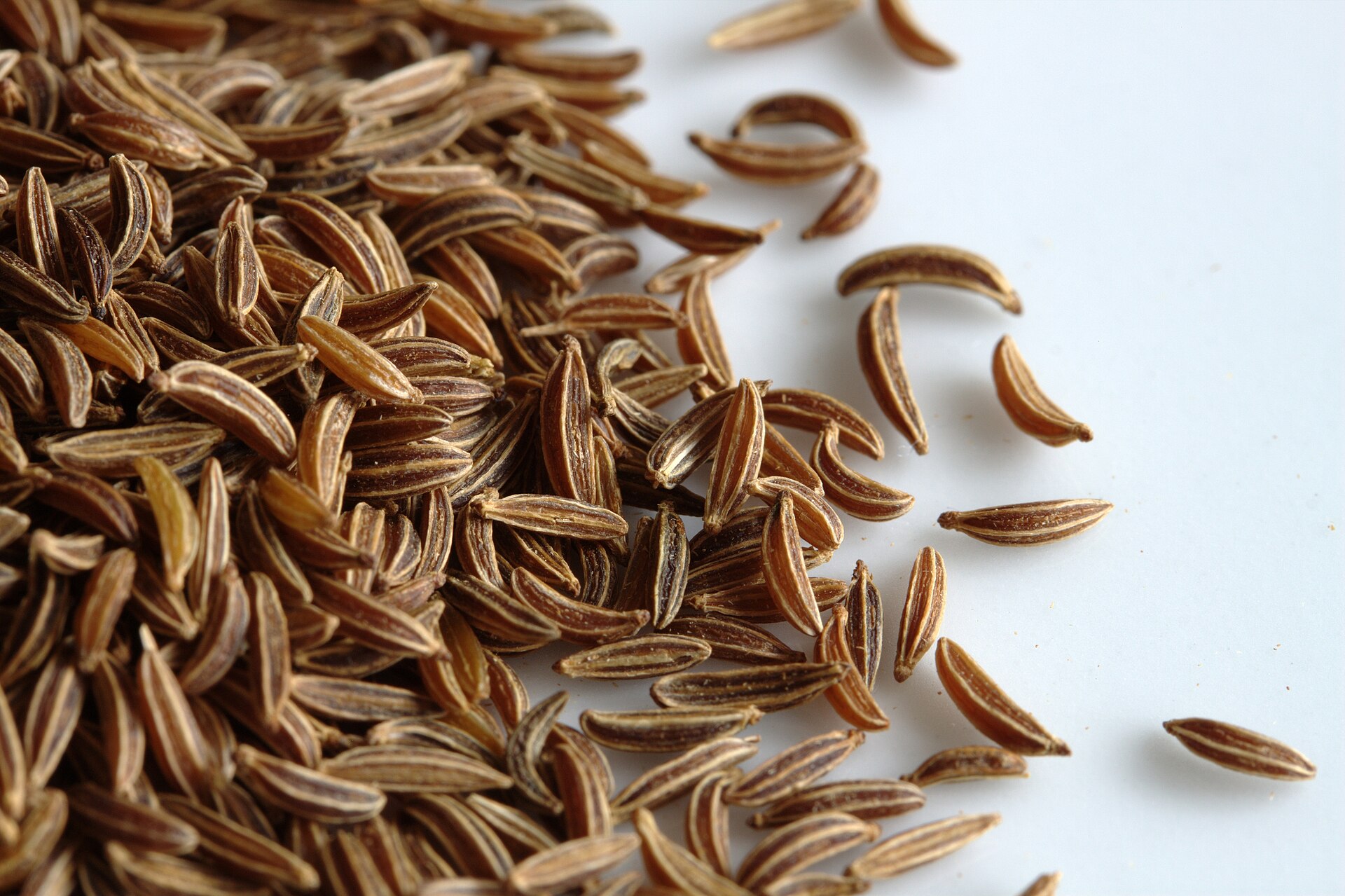
Caraway is the seed that flavours rye bread and sauerkraut, and Europe’s classic after-dinner tea for wind and that over-full feeling. Here’s what traditions use it for, what the studies on the caraway-plus-peppermint capsules show, how the EU says to brew it, and who should skip it.
Similar Posts
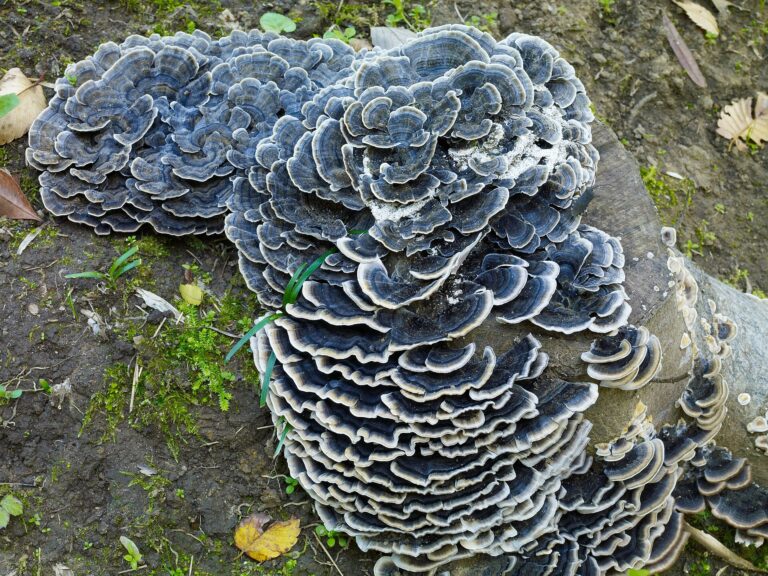
Turkey Tail Mushroom
A striped, fan-shaped mushroom that grows on fallen logs across North America, Europe and Asia, turkey tail is one of the most studied medicinal mushrooms in the world. It has a long history in Chinese and Japanese medicine as an immune tonic, and its extracts are used in hospitals in Japan and China.
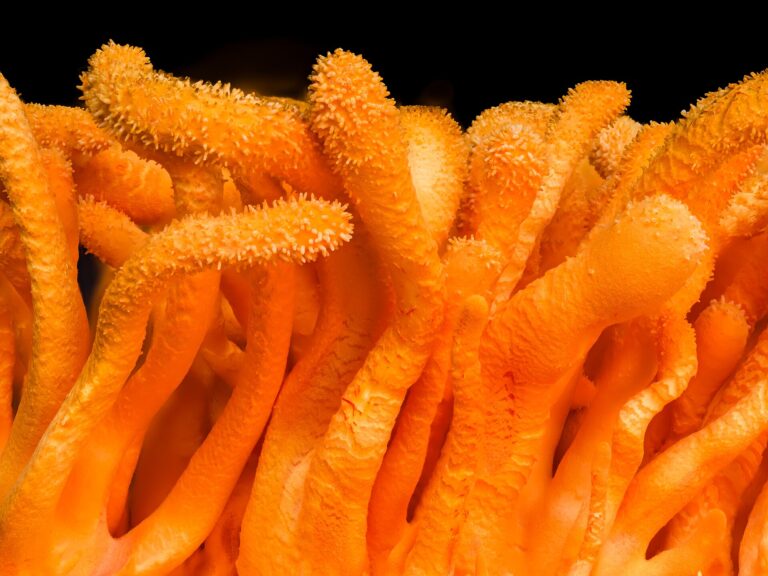
Cordyceps
A rare Himalayan fungus that grows out of moth caterpillars, cordyceps has been prized in Tibetan and Chinese medicine since at least the 1400s as an energy and lung–kidney tonic. Today almost all of it is grown in labs, and the research is far thinner than the marketing.
Bloating: natural options
Peppermint oil, caraway and fennel, low-FODMAP, belly breathing, enzymes and gut-directed hypnotherapy: the vault's full guide to the natural options people use for bloating, with each one labelled by how good the evidence is and the warning signs that mean see a doctor first.
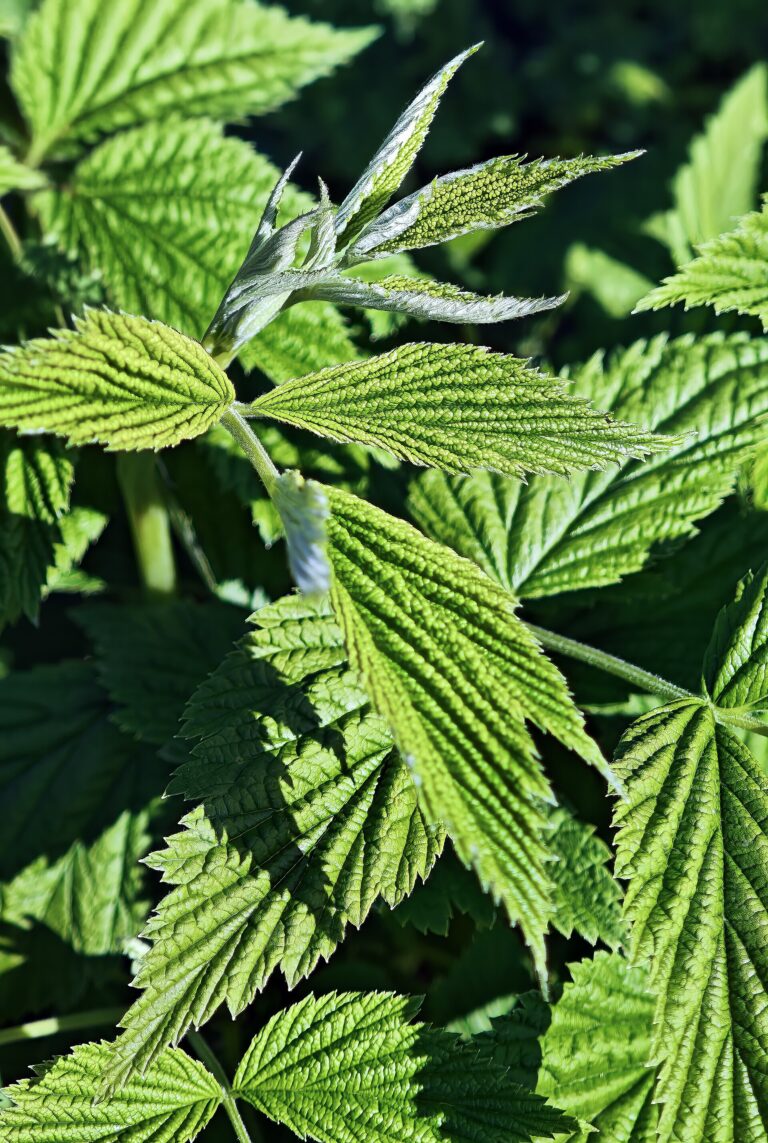
Red Raspberry Leaf
Raspberry leaf is one of the best-known "women's teas", a mild, slightly drying leaf that midwives and herbalists have handed down for generations. It is also a European-approved traditional tea for period cramps, mild tummy upsets and as a mouth and throat gargle.
Lion’s Mane Mushroom
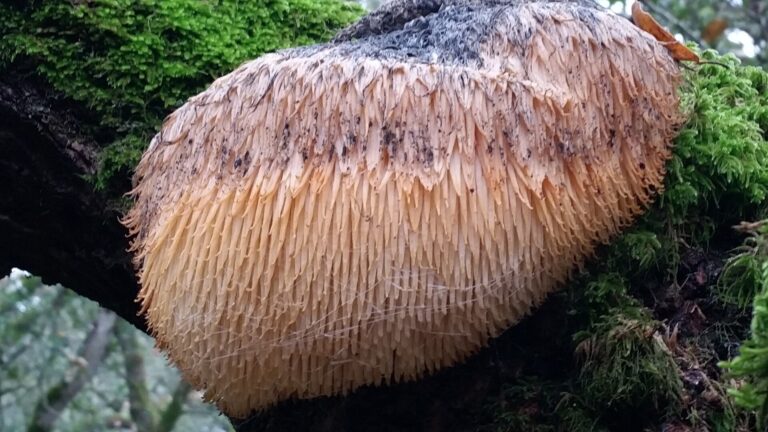
Lion's mane is the shaggy white "monkey head" mushroom of Chinese and Japanese tradition, eaten as a delicacy and used for centuries to support the stomach and, more recently, memory and mood. Here's what tradition says, what the early research shows, and who should be careful with it.
Sarsaparilla
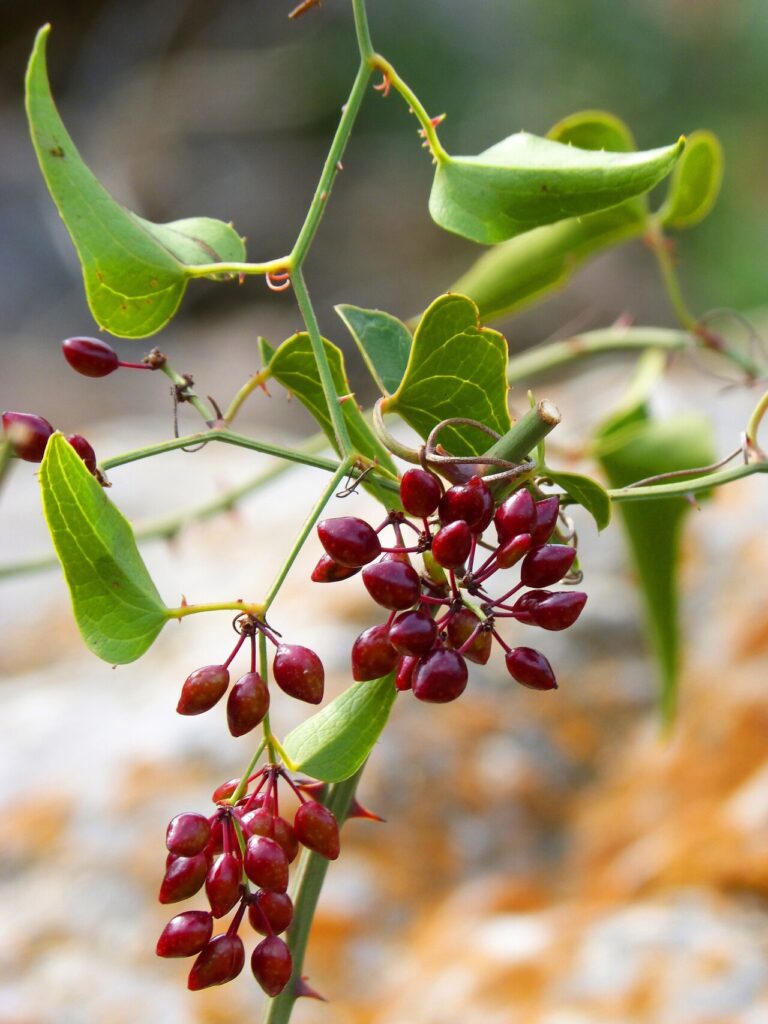
Sarsaparilla root was one of the most famous "blood purifiers" of European and American medicine for about three centuries, and it still turns up in blood-cleanse, skin and men's tonic blends. Members get the full entry: its history, why doctors doubted it as early as the 1850s, what the research does and doesn't show, and its digoxin, lithium and kidney cautions.