Your knees creak on the stairs. Your hands are stiff when you open a jar. The first ten steps out of bed feel like someone forgot to oil the hinges.
If that sounds familiar, you have plenty of company. About 1 in 5 adults in the US has been told they have arthritis, according to the CDC, and roughly 6 million people in Canada live with it, per Arthritis Society Canada.
The good news? There’s a lot people can do at home, alongside their doctor’s care. Some of it comes from old kitchen traditions. Some of it has surprisingly strong research behind it. Let’s walk through the options.
Quick take
- Gentle, regular movement, tai chi and easing extra load off the joints have the strongest backing of anything people try for achy joints.
- Turmeric, ginger, boswellia and fish oil are the herbs and supplements people reach for most; the research is early but encouraging for some.
- A hot, red, swollen joint (especially with a fever) needs a doctor the same day.
What brings people here
Most people start looking for natural options when one of these shows up:
- Morning stiffness that eases once you get moving
- Knees, hips or lower back that ache after a long walk or a day on your feet
- Stiff, sore finger joints, or small bumps forming on the knuckles
- Joints that “predict the weather”, feeling worse on cold, damp days
- Clicking or grinding when you bend or climb stairs
- Wanting to lean less on pain pills, or to add something gentle alongside them
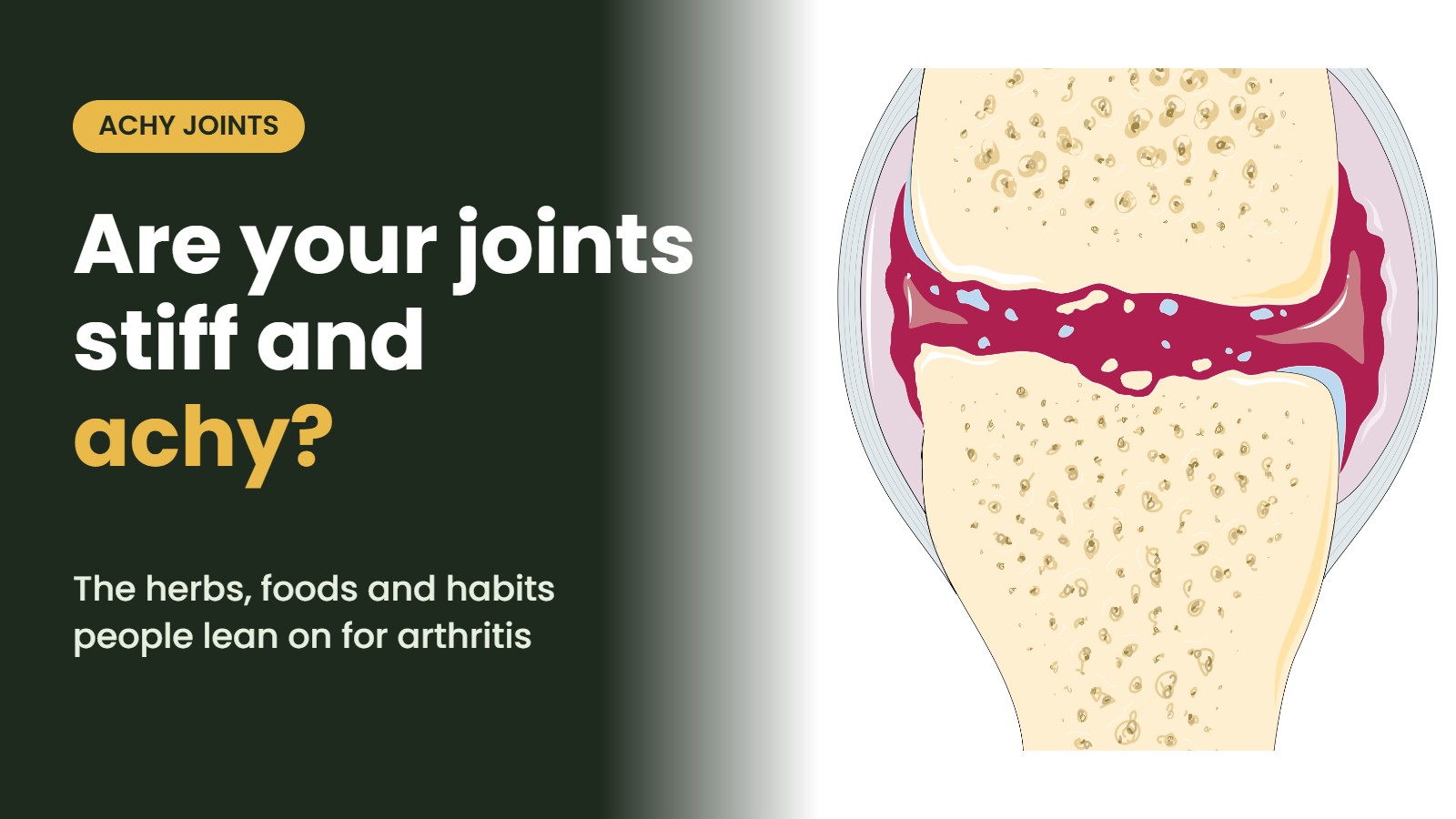
Arthritis isn’t one thing. The most common kind, osteoarthritis, is the slow wearing of the cartilage that cushions a joint. Others, like rheumatoid arthritis, psoriatic arthritis and gout, are driven by inflammation or by the immune system. The home habits below can support comfort with any of them, but the inflammatory kinds need a doctor’s care early, because getting them on the right treatment protects the joints.
Movement: the habit with the strongest backing
It sounds backwards when a joint hurts, but joints love motion. Cartilage has no blood supply of its own; it gets its nourishment as the joint moves and the fluid around it shifts.
This is one place where tradition and modern guidelines agree. The 2019 American College of Rheumatology and Arthritis Foundation guideline for osteoarthritis puts exercise, tai chi and losing extra weight at the top of its list for knees and hips. Even a 5% weight loss made a noticeable difference to knee and hip pain in the studies it reviewed.
- Walking, cycling and swimming or water exercise are easy on the joints.
- Tai chi combines slow movement, balance and breathing, and its benefits lasted for months in studies.
- Strength work for the thighs and hips takes load off the knees.
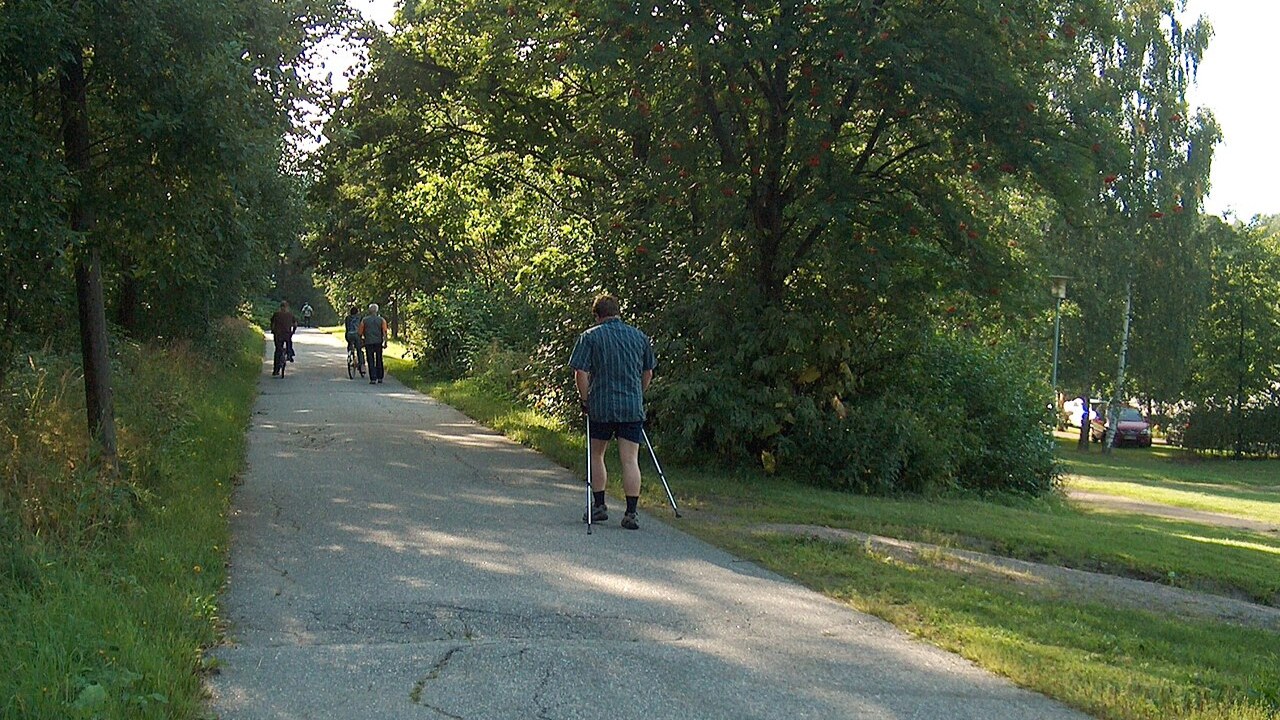
- Nordic walking poles spread the work to the arms and help with balance.
How much? In the US, the Physical Activity Guidelines for Americans suggest about 150 minutes of moderate activity a week plus 2 days of strength work, and Canada’s 24-Hour Movement Guidelines say the same. With sore joints, start well below that and build up. Ten minutes counts. The CDC also runs a free, self-paced walking program for people with arthritis called Walk With Ease.
Joints love motion. Gentle, regular movement is the one habit nearly every arthritis guideline agrees on.
The kitchen herbs people reach for
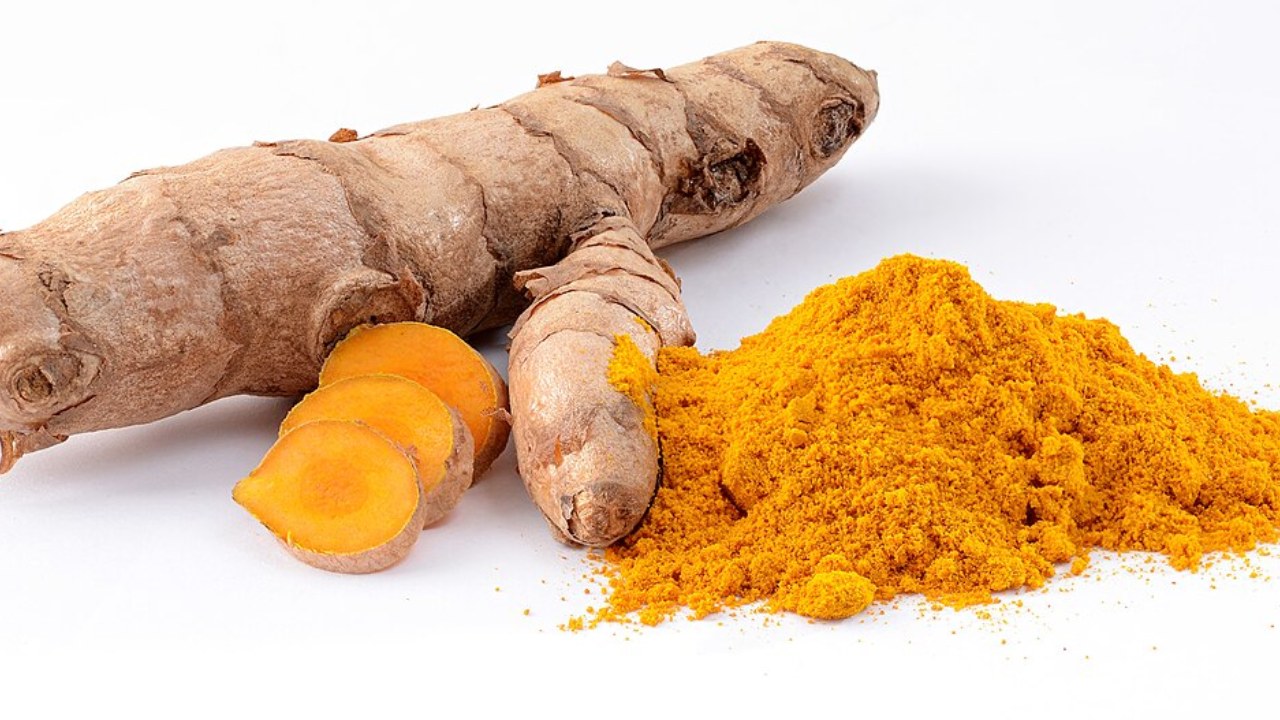
We’ve covered the spice rack for inflammation before in Inflammation and your spice rack. Here’s how the main ones line up for joints.
Turmeric
Turmeric has been used in Ayurvedic and Chinese medicine for joint aches for centuries, and it’s the herb people ask about most. The US National Center for Complementary and Integrative Health (NCCIH) says early studies of turmeric or curcumin for knee osteoarthritis look positive for pain and stiffness, though bigger, better trials are still needed.
One important note: some “high-absorption” curcumin products (for example, those boosted with black pepper extract) have been linked to liver injury in a small number of people. Cooking with turmeric is a different story; that’s a long, safe food tradition.
Ginger
Ginger is turmeric’s cousin and a traditional warming herb for stiff joints. A handful of small trials of ginger extract in knee osteoarthritis found modest changes in pain. Fresh ginger tea is an easy way to start.
Boswellia (Indian frankincense)
Boswellia resin is used in Ayurveda for joints. Small trials of standardized extracts suggest it may ease knee pain and stiffness, though many were short and funded by makers. (Frankincense essential oil is a different product; see our frankincense post for why.)
Also available: a turmeric supplement
Some readers ask about a turmeric supplement rather than cooking with the spice. This one is sold by an outside company. Read the label against the cautions further down, stop it if you notice dark urine or yellowing skin, and check with your doctor or pharmacist first if you take any medicine.
Sponsored link. If you buy through it, Clif may earn a commission at no extra cost to you. The claims on the seller’s page are theirs, not ours, and haven’t been checked by us. It’s not a substitute for seeing your doctor.
Supplements people ask about
- Fish oil (omega-3): studied most for rheumatoid arthritis, where some people find it eases morning stiffness. For osteoarthritis, the ACR guideline says the benefit hasn’t been clear enough to recommend it.
- Glucosamine and chondroitin: hugely popular. Some people swear by them, but the ACR guideline recommends against them for knees and hips because independent trials didn’t show a clear benefit. If you try them, give it about 3 months and judge honestly.
Typical amounts: in the US, the FDA doesn’t approve supplements before they’re sold or set official doses for herbs, so there’s no US standard amount. Choose a product with a USP Verified or NSF Certified seal, follow its label, and check with your doctor first. In Canada, look for an 8-digit NPN on the label; Health Canada’s monographs set the amounts those products can list.
Warmth, cold and other home comforts
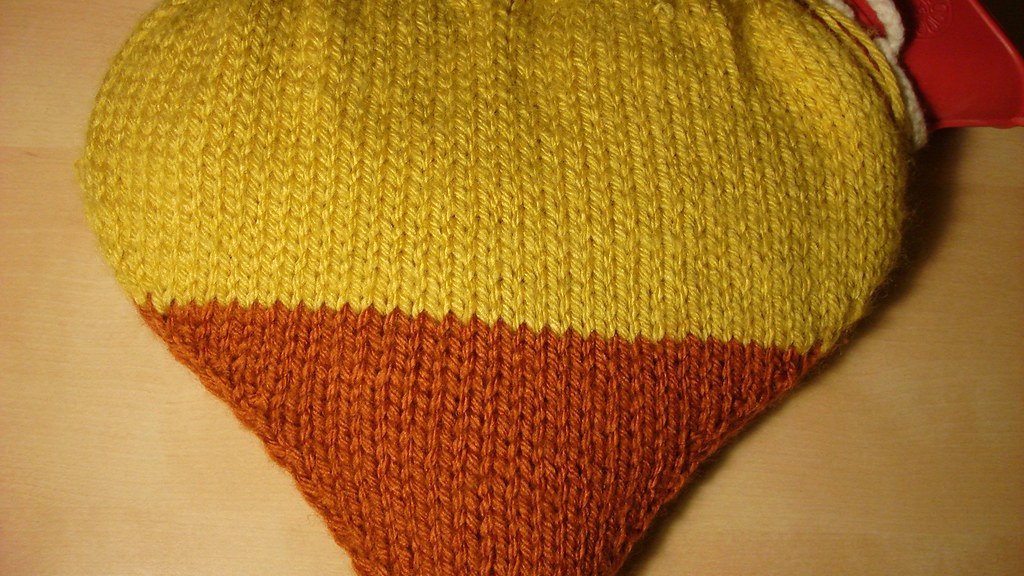
Grandma’s hot water bottle has more support than you might think. The ACR guideline lists heat and cold as reasonable options for small improvements in pain and stiffness.
- Warmth for stiffness: a warm shower, bath or heating pad in the morning, 15 to 20 minutes.
- Cold for swelling: a wrapped ice pack after a busy day, 10 to 15 minutes, never straight on the skin.
- A warm bath with Epsom salts is a favourite evening ritual; the warmth does most of the work.
- Old folk wraps like the cabbage-leaf poultice are still popular; we covered that one in our cabbage leaves post.
- Acupuncture and supportive shoes, a cane or a knee brace help some people get moving more comfortably.
Also available: a step-by-step arthritis guide
Some readers ask for a structured home plan to follow. This arthritis program is a step-by-step guide, meant to be used alongside your doctor’s care, not instead of it. It’s sold by an outside company.
Sponsored link. If you buy through it, Clif may earn a commission at no extra cost to you. The claims on the seller’s page are theirs, not ours, and haven’t been checked by us. It’s not a substitute for seeing your doctor.
Who should go easy
- On blood thinners (warfarin, apixaban, daily aspirin): turmeric, ginger, fish oil and glucosamine can all add to bleeding risk. Ask first.
- Gallstones, bile duct problems or liver disease: skip turmeric supplements.
- Pregnant or breastfeeding: stick to food amounts of turmeric and ginger.
- Shellfish allergy: many glucosamine products come from shellfish.
- Diabetes medicines: turmeric may nudge blood sugar; watch your numbers.
- Surgery coming up: stop herbal supplements about 2 weeks before, unless your surgeon says otherwise.
- Diabetes or numb feet: be careful with heat and ice; check skin afterward.
When to see a doctor
- A hot, red, swollen joint with a fever, or feeling unwell: get seen the same day or go to the emergency department. A joint infection needs urgent care.
- Sudden, severe pain in one joint, often the big toe, overnight (this can be gout).
- Stiffness lasting more than an hour each morning, or swelling in several small joints on both hands or feet: ask about inflammatory arthritis. Early treatment protects the joints.
- Joint pain after a tick bite, especially with a rash or fever.
- A joint that gave way after an injury, or you can’t put weight on it.
- One calf suddenly swollen and painful: same-day care. Call 911 (US and Canada) if you’re also short of breath or have chest pain.
- Weight loss, fevers or night sweats along with joint pain.
Try this today
Tomorrow morning, warm up your stiffest joint first: 15 minutes with a warm shower or heating pad. Then take a gentle 10-minute walk, or slowly bend and straighten that joint 10 times. Note how it feels at lunchtime. Small, daily motion is where most people start.
Go deeper in the Vault
Members get the full Arthritis hub and the Joint Pain & Stiffness guide, plus detailed profiles of turmeric, ginger, boswellia and omega-3 fish oil, and home how-tos for hot and cold compresses and Epsom salt baths. There’s a free overview on the Arthritis page of the Remedy Library. See what’s inside the Vault.
Educational only, not medical advice. This information has not been evaluated by the FDA or Health Canada and is not intended to diagnose, treat, cure, or prevent any disease. Talk to your healthcare provider before starting any remedy, supplement, or detox, especially if you are pregnant, nursing, taking medication, or managing a health condition. Read our full Medical Disclaimer.