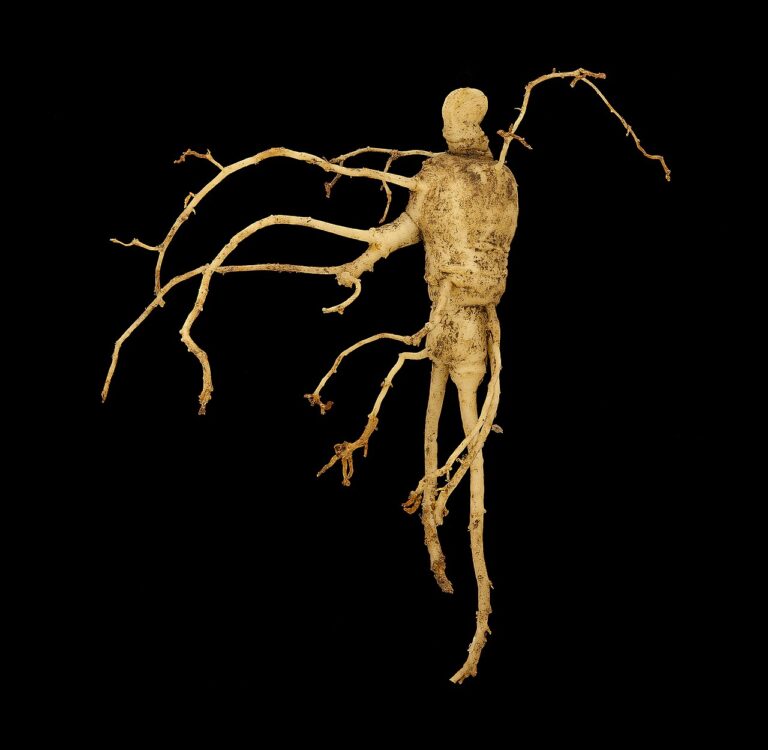
Ginger
Ginger is the warming, spicy root found in most kitchens, traditionally used to settle the stomach and ease digestion. Members can read what the research says, typical amounts and who should check with a doctor first.
The golden spice of Indian cooking has been a digestive and liver herb in Ayurvedic and Chinese traditions for centuries. Here's what people use it for in a cleanse, what the research really shows, and the liver-safety warning every turmeric buyer should know.
Mullein is the tall, velvety roadside plant that peoples from Spain to Turkey to the Canadian Interior have turned to for tight, irritated chests. Members can read every traditional use, how its soothing compounds are believed to work, and what the small body of research shows.
Clove is the warming kitchen spice that rounds out the classic three-herb parasite cleanse, alongside black walnut and wormwood. Members can read what the research really shows, what product labels list, and why clove oil is a very different thing from ground clove.
Burdock root is an edible root that herbalists have long called a "blood purifier", traditionally used to support the body's own exit routes through the kidneys and skin. Members can read what the research does and doesn't show, typical amounts from official herbal monographs, and who should skip it.
The common lawn weed is one of the most widely used plants in folk medicine, from European herbalists to Chinese and Native American healers. Members can read the traditional uses of its root, leaf and flower, how it's believed to work, what the research says, typical amounts and who should skip it.