Body system: Nervous system & sleep

  • Bacopa (Brahmi)

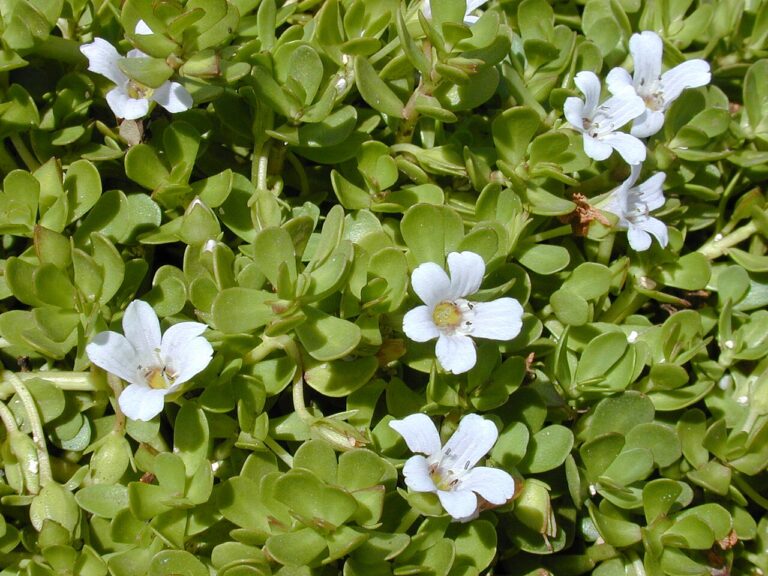
    Bacopa is the creeping wetland herb Ayurveda has prized for centuries as a "medhya" tonic for memory and the mind, and one of the most-studied memory herbs today. Members get the full profile: every traditional use, what the trials really showed, the official amounts, and the side effects and drug interactions to know first.
    Members-only guide

    The full guide, with how to use it and the safety notes, is in the Remedies Vault.

    See what’s in the Vault

    Already a member? Log in here
  • Green Tea

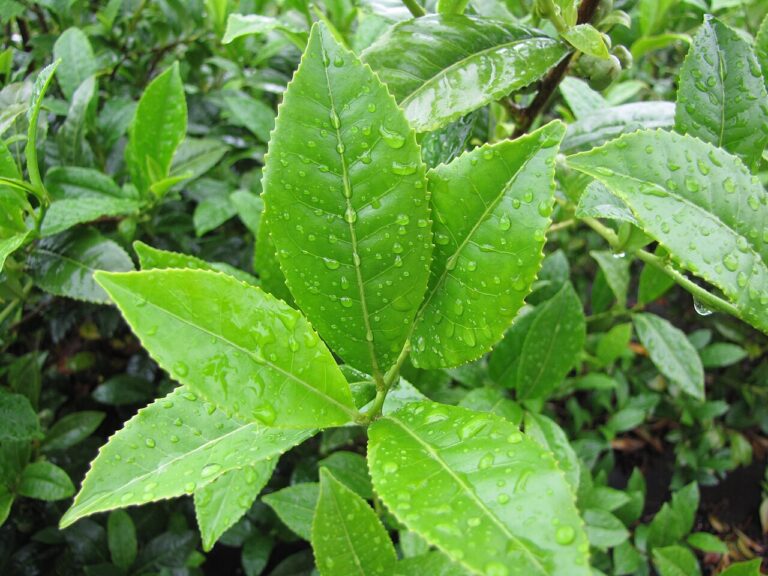
    The tea plant was first grown in China thousands of years ago, and a Japanese monk wrote in 1211 that tea was a medicine for long life. Today green tea is one of the world's most-loved daily drinks, and its leaf and extracts are some of the most-studied plant compounds there are.

    Members-only guide

    The full guide, with how to use it and the safety notes, is in the Remedies Vault.

    See what’s in the Vault

    Already a member? Log in here
  • St. John’s Wort

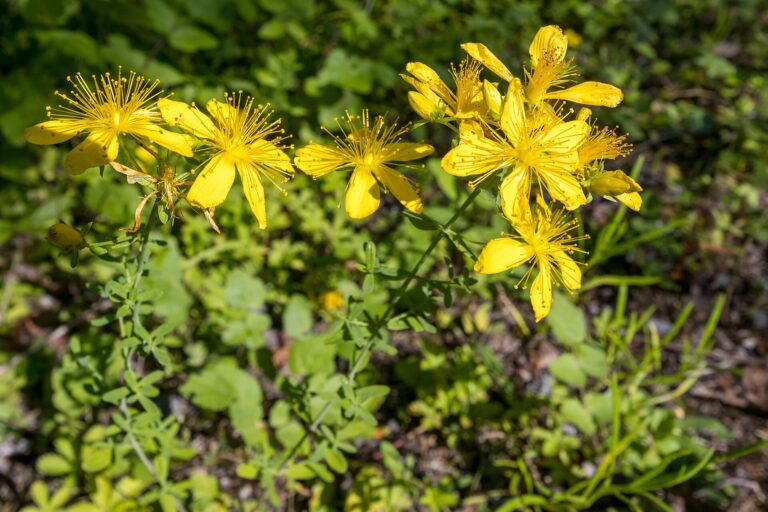
    A bright yellow summer flower named after St. John, gathered around Midsummer and steeped in oil until it turns blood-red. Europe has used it for low spirits, nerves and skin for centuries, and today it's one of the most-studied herbs for mood. It also has more drug interactions than almost any other herb, so this page starts its Safety section there.

    Members-only guide

    The full guide, with how to use it and the safety notes, is in the Remedies Vault.

    See what’s in the Vault

    Already a member? Log in here
  • Ginkgo

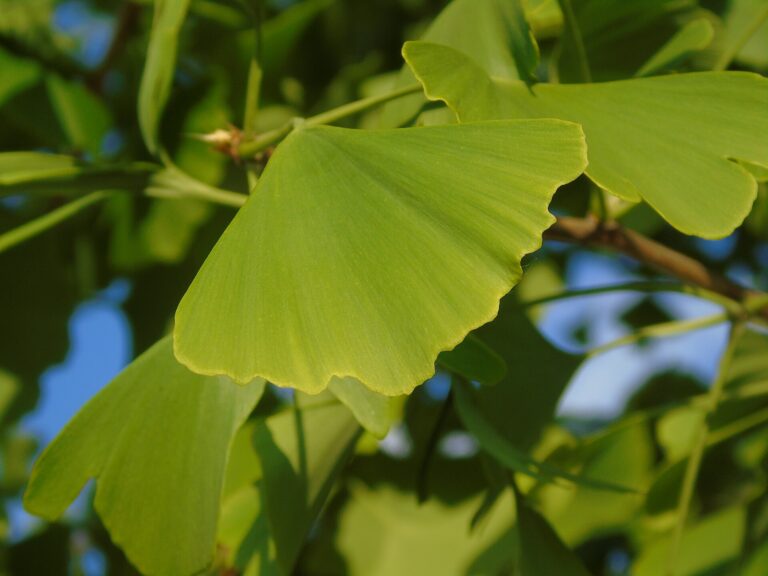
    One of the oldest tree species on earth, long planted beside Buddhist temples in China and now grown on city streets across Canada. Its fan-shaped leaves became one of Europe's best-known herbal medicines for memory and circulation.

    Members-only guide

    The full guide, with how to use it and the safety notes, is in the Remedies Vault.

    See what’s in the Vault

    Already a member? Log in here
  • Maca

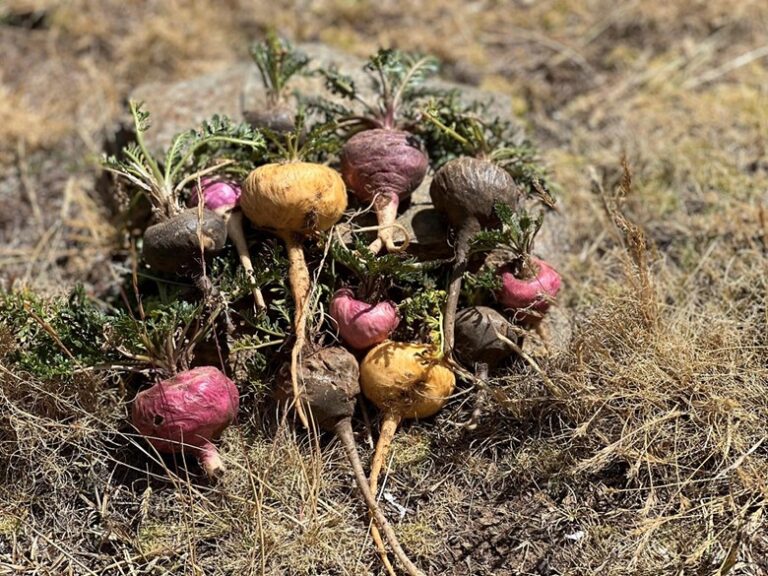
    A hardy root from the high Peruvian Andes, grown at around 4,000 metres for up to 2,000 years. Andean families have long eaten it as a staple food and an energizing tonic, and today it's one of the most popular "superfood" roots for energy and vitality.

    Members-only guide

    The full guide, with how to use it and the safety notes, is in the Remedies Vault.

    See what’s in the Vault

    Already a member? Log in here
  • |

    Omega-3 Fish Oil

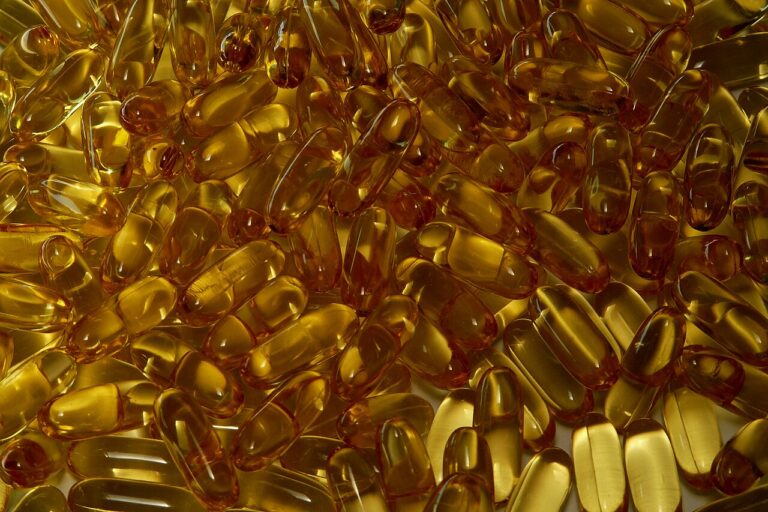
    Fish oil carries EPA and DHA, the long-chain omega-3 fats found in oily fish. Here's how folk medicine and naturopaths have used it, from cod liver oil for "aches and pains" to heart and brain support, and what the big trials found.

    Members-only guide

    The full guide, with how to use it and the safety notes, is in the Remedies Vault.

    See what’s in the Vault

    Already a member? Log in here
  • |

    Magnesium

    In 1618 an English farmer found that cattle on Epsom Common wouldn't drink from a bitter pool. The salt left behind became one of the best-known home remedies of the next 350 years. Here's how people use magnesium today for sleep, muscles, headaches and regularity, what the studies found, and the safety limits that matter.

    Members-only guide

    The full guide, with how to use it and the safety notes, is in the Remedies Vault.

    See what’s in the Vault

    Already a member? Log in here
  • Soursop (Graviola)

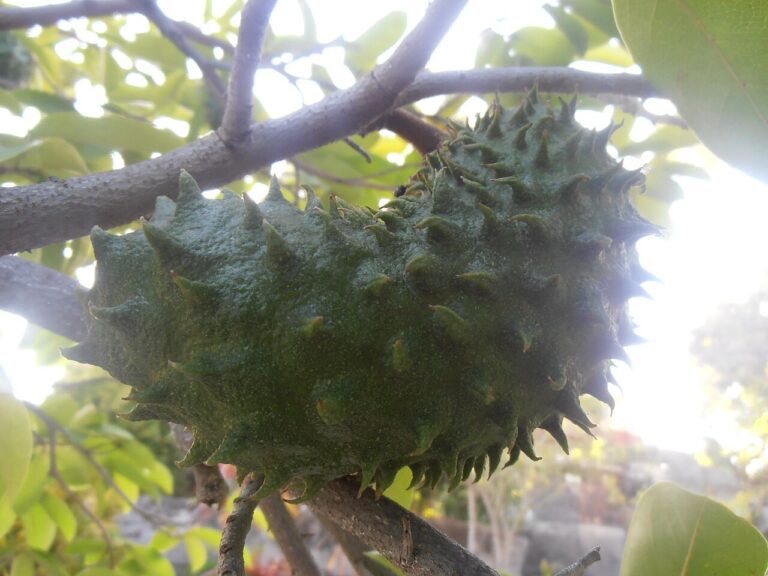
    A tropical fruit tree whose leaves have been brewed as a folk tea across the Caribbean, Latin America and Africa for generations. Here's what tradition says, what the research has (and hasn't) shown, and the safety points every user should know first.

    Members-only guide

    The full guide, with how to use it and the safety notes, is in the Remedies Vault.

    See what’s in the Vault

    Already a member? Log in here
  • Gotu Kola

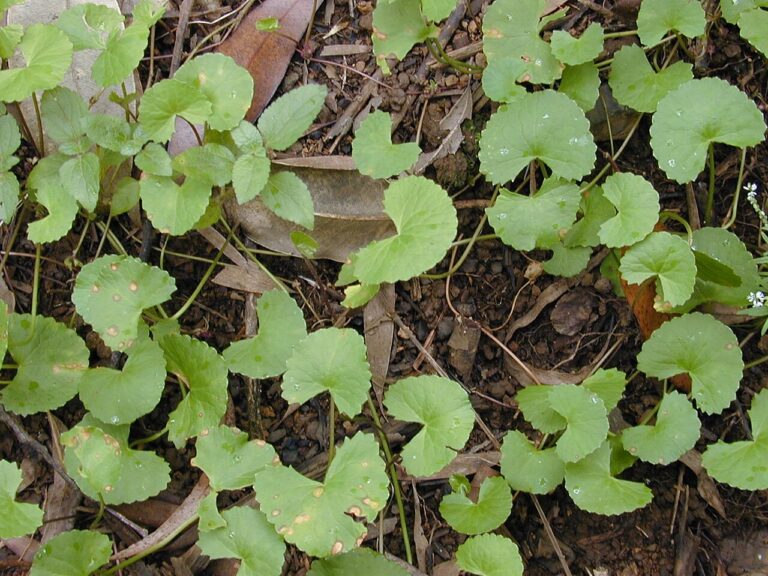
    A small creeping plant from the carrot family, prized in Ayurveda as a "medhya rasayana", a tonic for the mind, and across Asia for skin, wounds and longevity. Sri Lankan tradition held that eating the leaves helped people live longer.

    Members-only guide

    The full guide, with how to use it and the safety notes, is in the Remedies Vault.

    See what’s in the Vault

    Already a member? Log in here