
Sesame
Sesame is the seed behind tahini, halva and the warm oil of Ayurvedic massage. Here's what traditions have used it for, what research is looking at in its lignans, and the allergy facts every member should know.
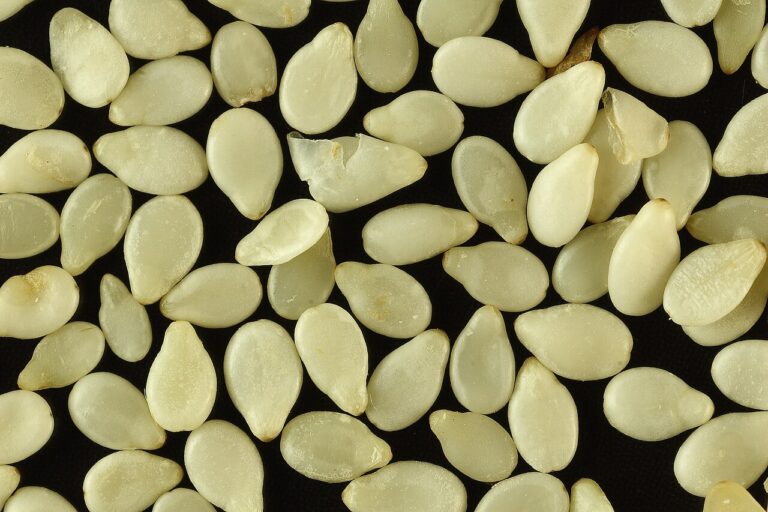
Sesame is the seed behind tahini, halva and the warm oil of Ayurvedic massage. Here's what traditions have used it for, what research is looking at in its lignans, and the allergy facts every member should know.
The full guide, with how to use it and the safety notes, is in the Remedies Vault.
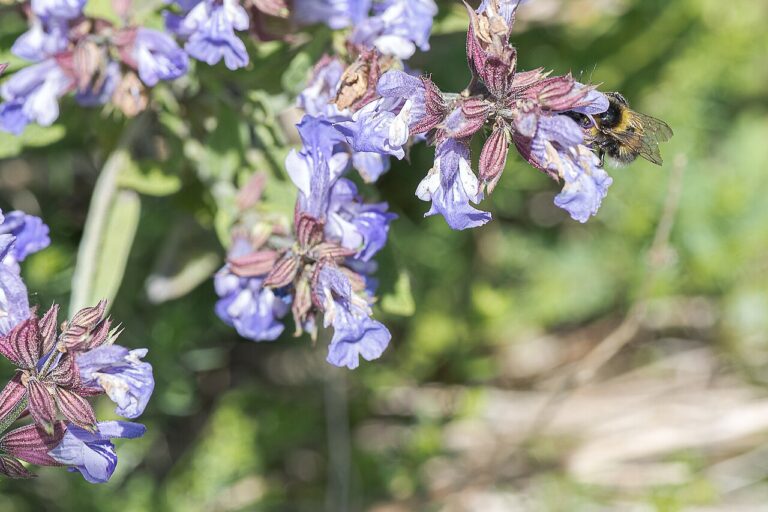
The grey-green kitchen herb of stuffing and brown butter has one of the longest medicinal records in Europe — "Sage the Saviour" to the medieval school of Salerno. Members can read what it has been used for, from sore throats and night sweats to memory, and how to use it well.
The full guide, with how to use it and the safety notes, is in the Remedies Vault.
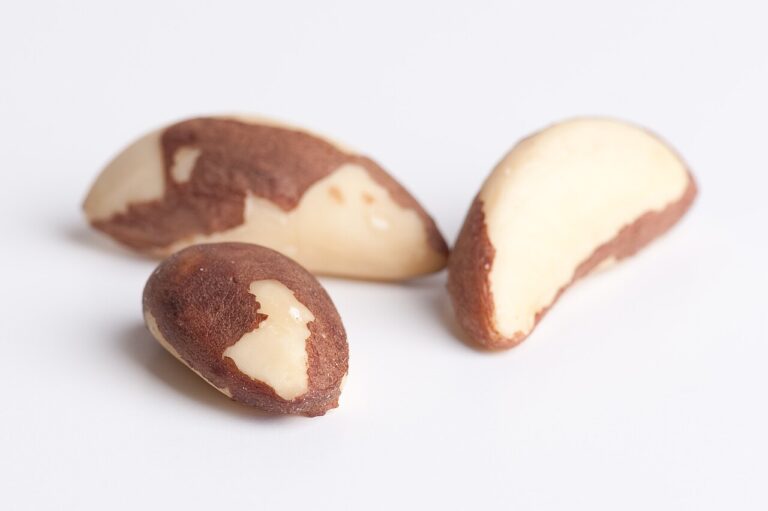
A trace mineral your thyroid and antioxidant enzymes depend on, where a little goes a long way and too much causes real harm. Here's who may need it, the best food sources, and the safe upper limit.
The full guide, with how to use it and the safety notes, is in the Remedies Vault.
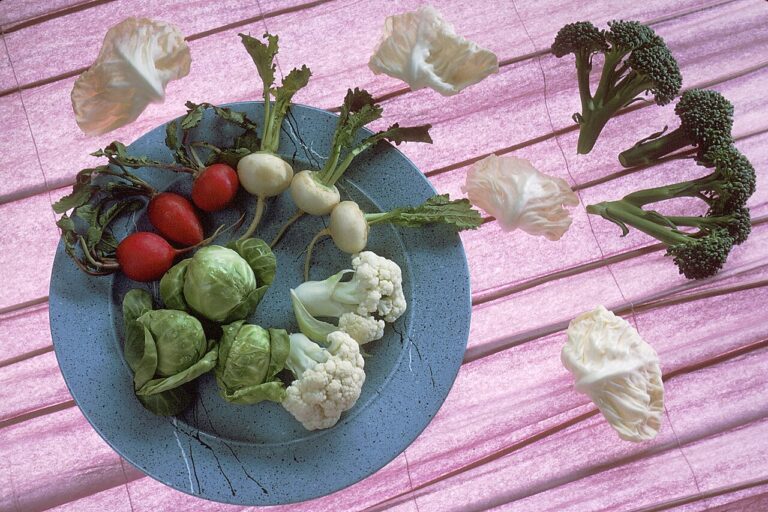
Broccoli, cabbage, kale and their cousins break down into compounds that change how the liver handles estrogen, and DIM and I3C capsules sell that effect as "estrogen detox". Here's what the vegetables and the capsules can and can't do, and the medicine cautions that come with the concentrated forms.
The full guide, with how to use it and the safety notes, is in the Remedies Vault.
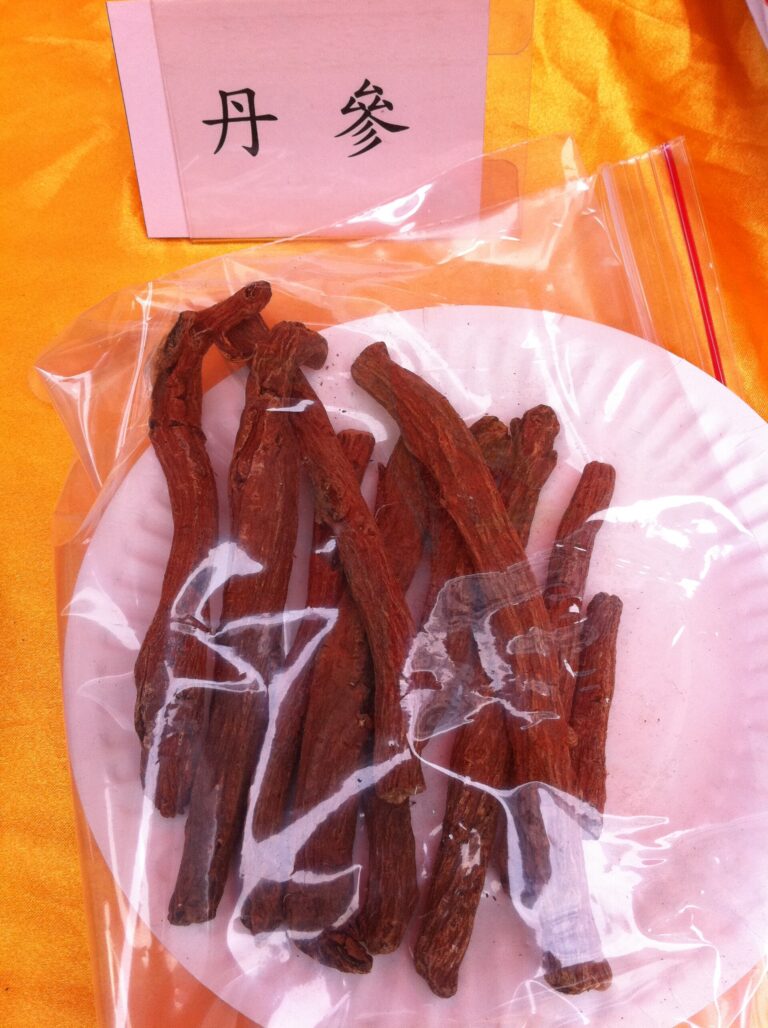
Danshen, the red root of a Chinese sage, is one of the most-used herbs in Chinese medicine for the heart and circulation. It also thins the blood, which makes it one of the riskiest herbs to mix with warfarin and other blood thinners.
The full guide, with how to use it and the safety notes, is in the Remedies Vault.
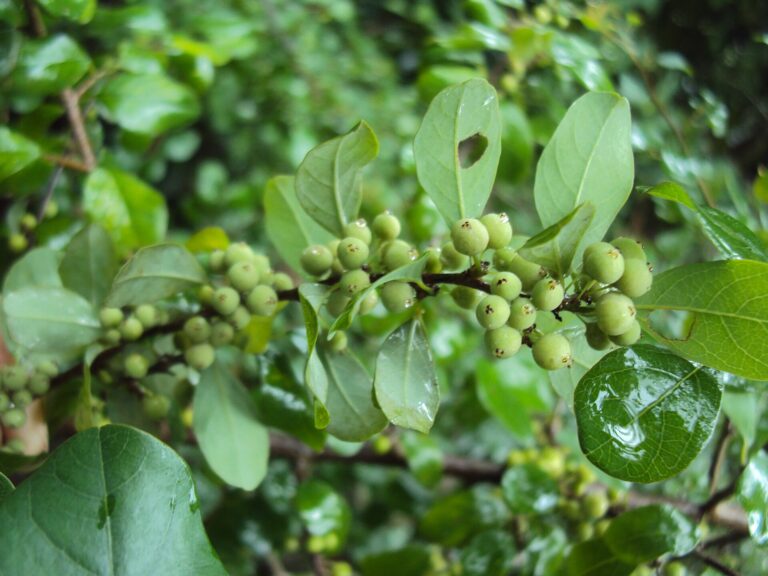
Guggul is the fragrant resin at the heart of Ayurveda's "guggulu" tablets, used for centuries for joints, weight and skin. Here's what the tradition uses it for, why a well-known US trial surprised everyone, and the rash, thyroid and medicine cautions to know first. The tree is also critically endangered, so where it comes from matters.
The full guide, with how to use it and the safety notes, is in the Remedies Vault.
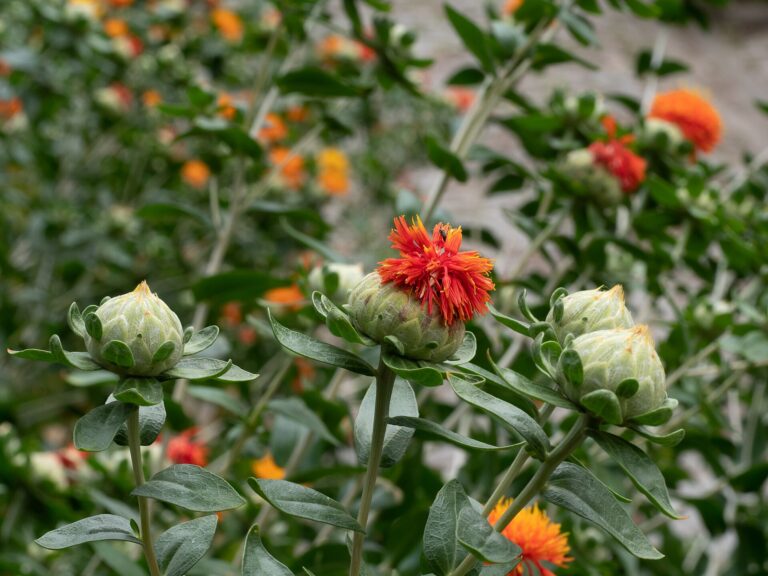
Safflower is the bright orange "false saffron" flower that's also the source of a common kitchen oil. The vault page explains why the flower and the oil are two very different products, and who should leave the flower alone.
The full guide, with how to use it and the safety notes, is in the Remedies Vault.
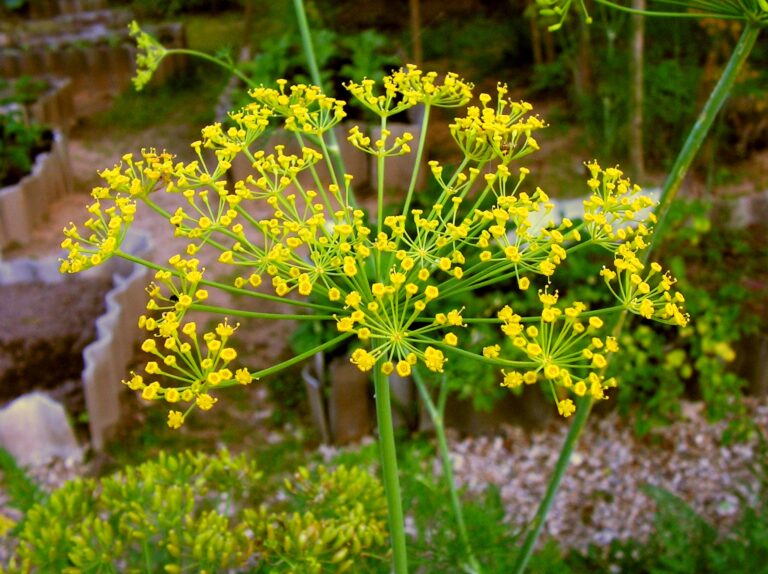
The feathery pickle herb is also one of the oldest "wind" seeds, brewed after meals, taken in Ayurveda for digestion and breast milk, and used as the original base of gripe water. Members can see what traditions use it for, what small studies show, and who should keep to kitchen amounts.
The full guide, with how to use it and the safety notes, is in the Remedies Vault.
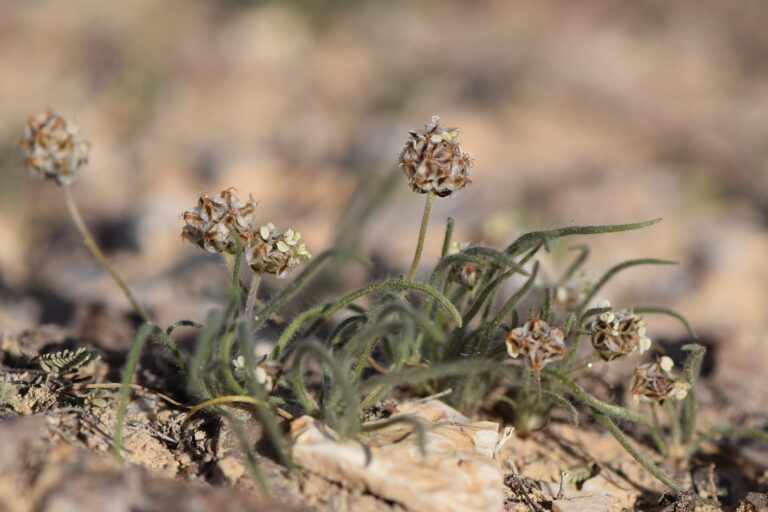
Psyllium, known in India as isabgol, is the plant fibre behind many everyday fibre supplements, and it has some of the strongest research of any herb in the vault. Here's how traditions use it, what the newest guidelines say, and how to take it safely.
The full guide, with how to use it and the safety notes, is in the Remedies Vault.
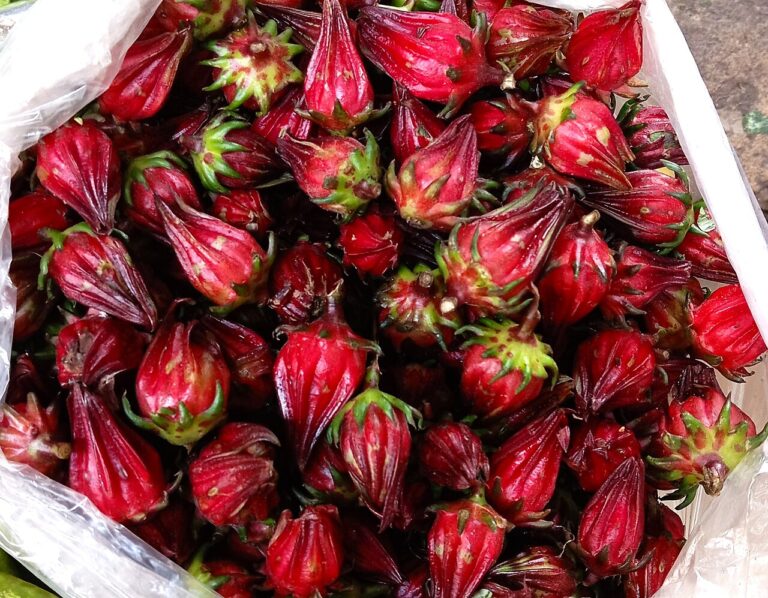
Tart, ruby-red hibiscus tea is drunk hot or iced from Egypt to Mexico and is one of the most-studied herbal teas for heart wellness. Here's what traditions use it for, what the trials show, how people brew it, and who should check first.
The full guide, with how to use it and the safety notes, is in the Remedies Vault.