Condition: Immune support

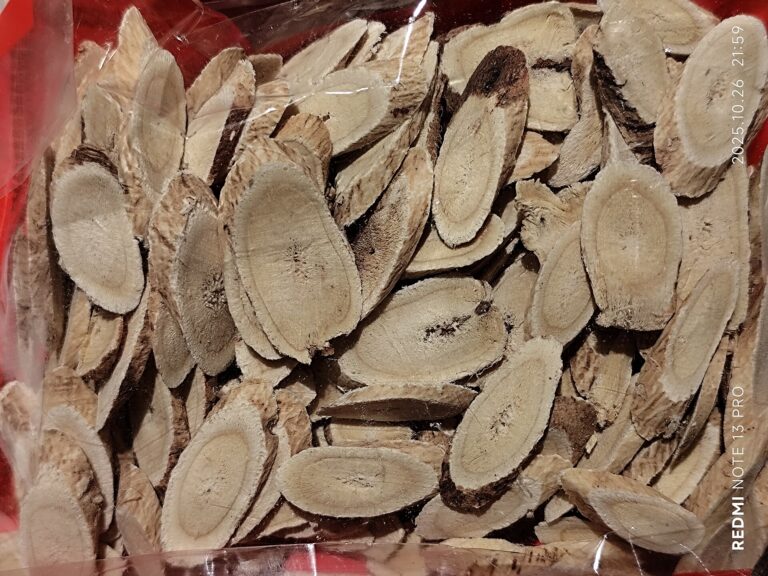
  • Astragalus

    Huang Qi, the yellow root behind Chinese "Jade Windscreen" formulas, is one of the best-known qi tonics in traditional Chinese medicine and a popular immune-season herb in the West. Here's what the tradition uses it for, what the (mostly small, Chinese) studies show, the Health Canada amounts, and why people with autoimmune disease or a transplant should steer clear.
    Membership Required

    You must be a member to access this content.

    View Membership Levels

    Already a member? Log in here
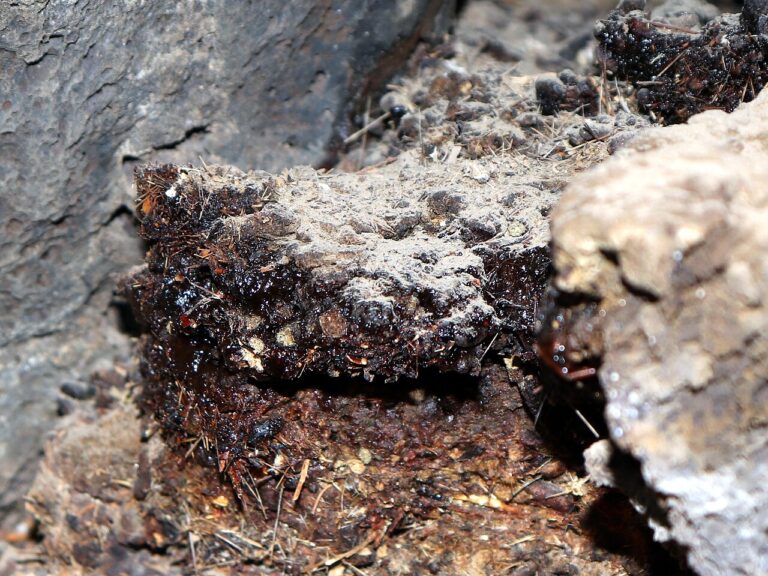
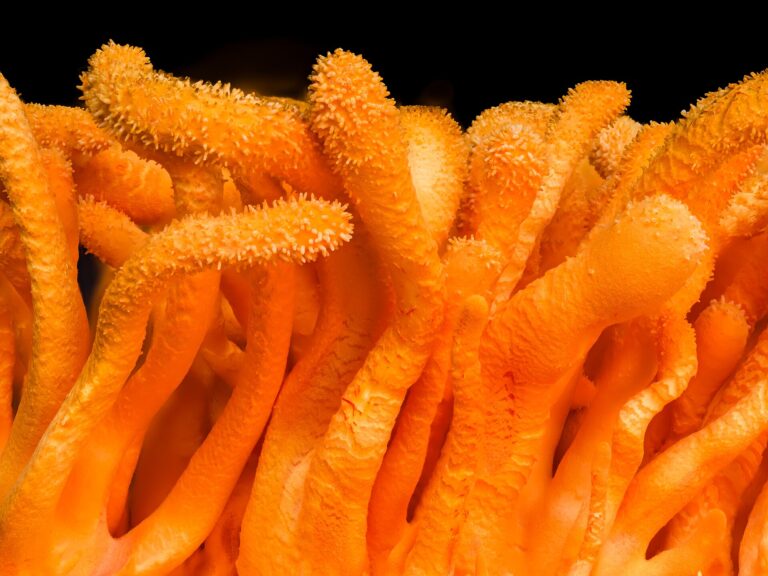
  • Cordyceps

    A rare Himalayan fungus that grows out of moth caterpillars, cordyceps has been prized in Tibetan and Chinese medicine since at least the 1400s as an energy and lung–kidney tonic. Today almost all of it is grown in labs, and the research is far thinner than the marketing.

    Membership Required

    You must be a member to access this content.

    View Membership Levels

    Already a member? Log in here
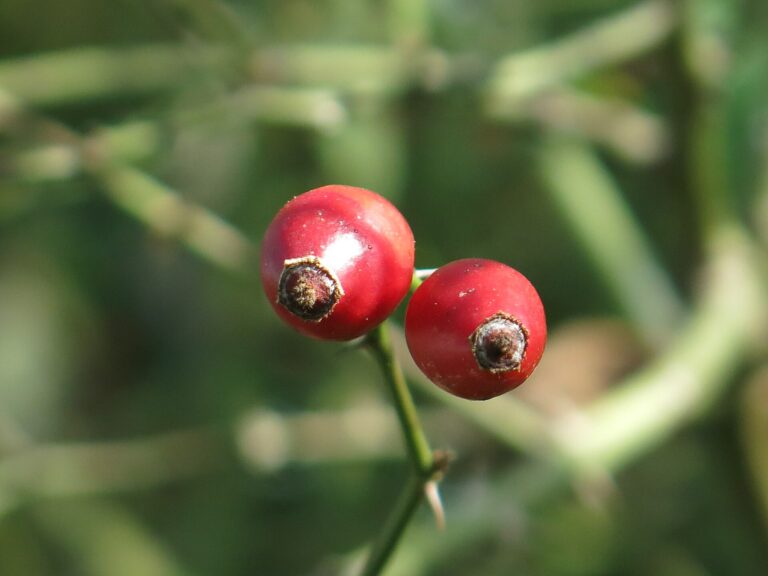
  • Rosehip

    The bright red fruit left on wild roses after the petals fall has been brewed into a warming winter tea for generations, from Indigenous communities in British Columbia to European kitchens. This profile covers its traditional uses, the joint research that put rosehip powder on the map, and who should go easy on it.

    Membership Required

    You must be a member to access this content.

    View Membership Levels

    Already a member? Log in here
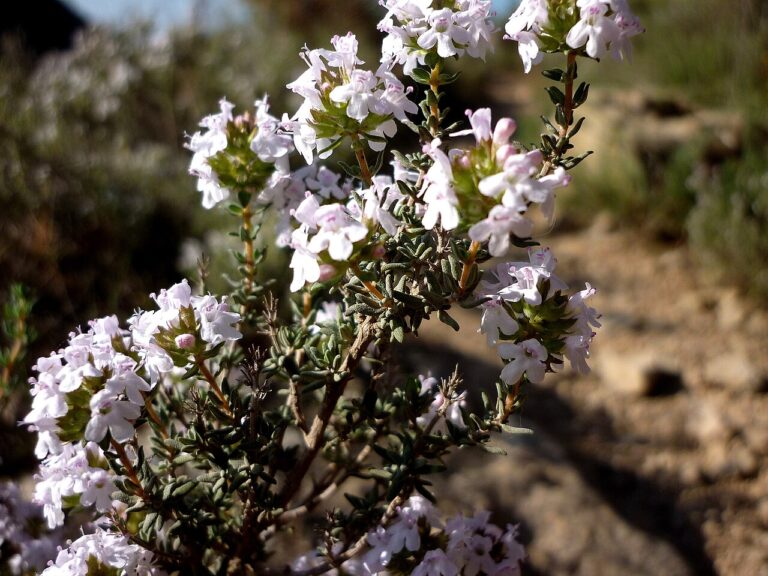
  • Thyme

    The kitchen herb behind many old-fashioned cough syrups and mouthwashes. Thyme has been used for chesty coughs, sore throats and digestion since ancient Greece, and it's still an approved traditional cough remedy in Europe.

    Membership Required

    You must be a member to access this content.

    View Membership Levels

    Already a member? Log in here
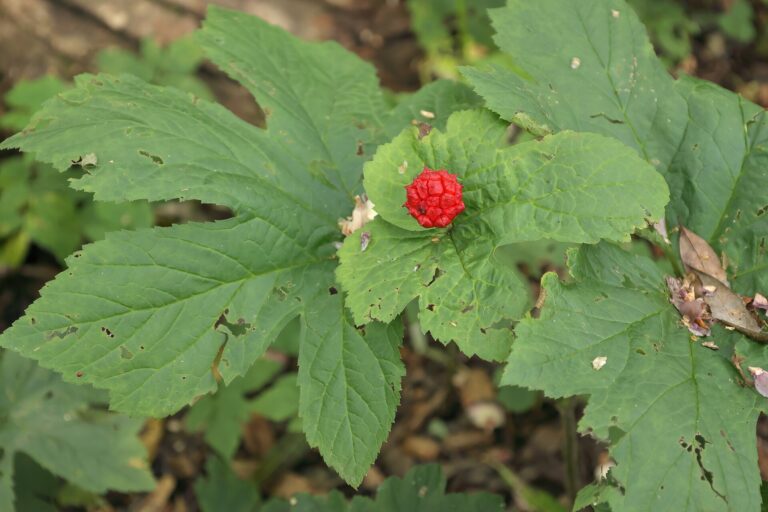
  • Goldenseal

    A small woodland plant of eastern North America with a bright-yellow root, used by Cherokee, Iroquois and other Indigenous nations for sore eyes, wounds and as a yellow dye. It became one of the best-known remedies of 19th-century herbal medicine, and is now so heavily harvested that it's a protected, at-risk species, so where it comes from matters.

    Membership Required

    You must be a member to access this content.

    View Membership Levels

    Already a member? Log in here