
Colloidal Silver
Colloidal silver is one of the most talked-about "natural antibiotics" online. Before you buy it, read why health regulators in Canada and the US warn against taking it, and what silver's real history in medicine looks like.
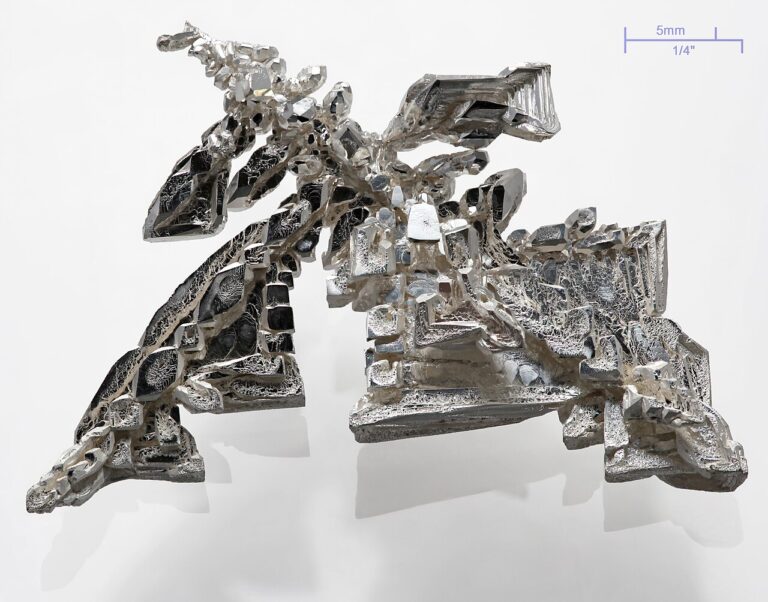
Colloidal silver is one of the most talked-about "natural antibiotics" online. Before you buy it, read why health regulators in Canada and the US warn against taking it, and what silver's real history in medicine looks like.
The full guide, with how to use it and the safety notes, is in the Remedies Vault.
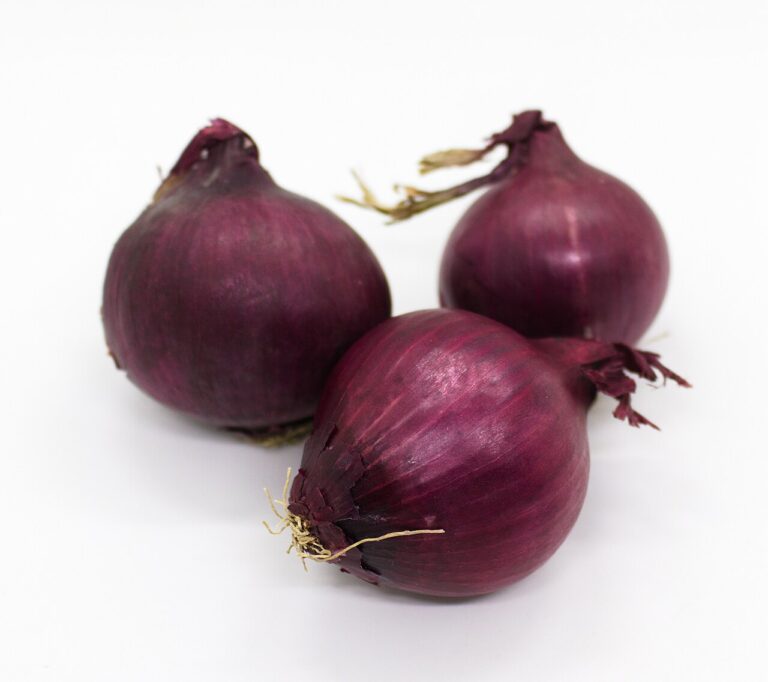
Quercetin is the most common flavonoid in the human diet, the yellow pigment behind onion skins and apple peels. Here's how naturopaths use it, the traditional herbs that are rich in it, and what the research shows.
The full guide, with how to use it and the safety notes, is in the Remedies Vault.
Zinc is a trace mineral your body uses in hundreds of enzymes, from immune cells to skin repair. Here's how traditional medicine and naturopaths use it, what the research shows, and why more isn't better.
The full guide, with how to use it and the safety notes, is in the Remedies Vault.
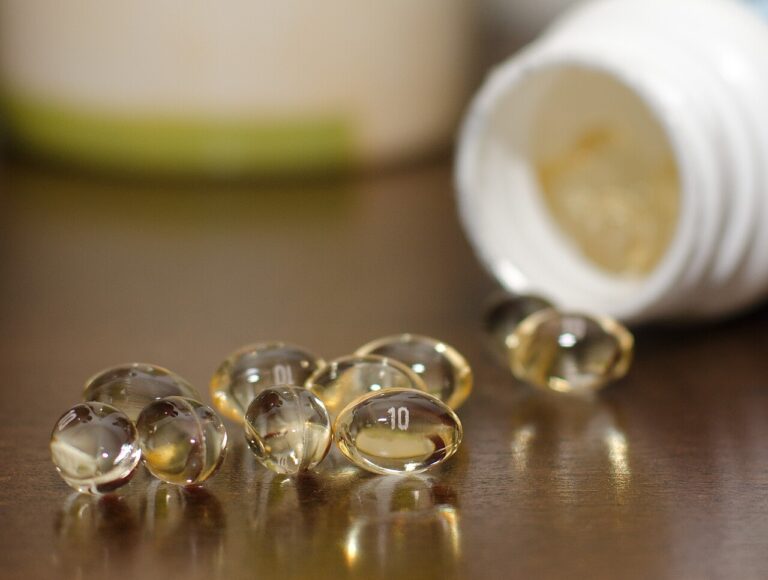
A hundred years ago, doctors found that cod liver oil and sunshine could straighten the bowed legs of children with rickets. Twenty years later a dentist found a mysterious "Activator X" in spring butter. Here's why people now take vitamin D3 and K2 together, what the studies actually show, and the one medicine that makes K2 a serious matter.
The full guide, with how to use it and the safety notes, is in the Remedies Vault.
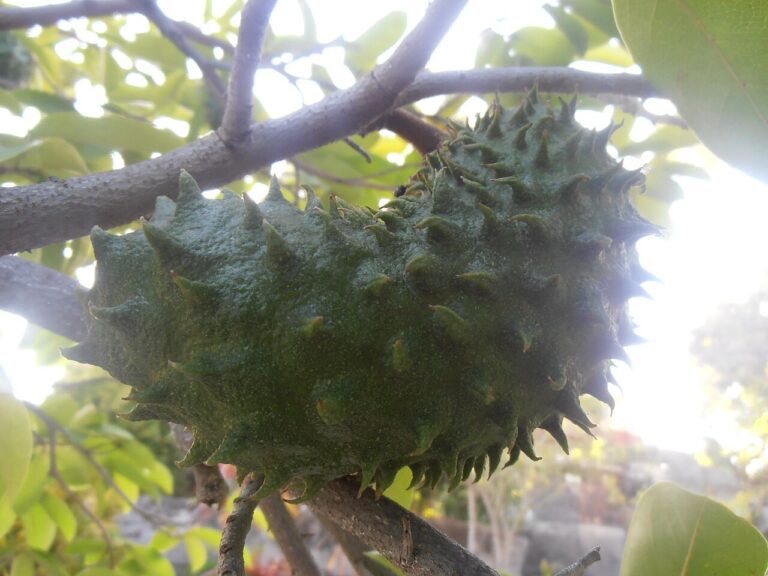
A tropical fruit tree whose leaves have been brewed as a folk tea across the Caribbean, Latin America and Africa for generations. Here's what tradition says, what the research has (and hasn't) shown, and the safety points every user should know first.
The full guide, with how to use it and the safety notes, is in the Remedies Vault.
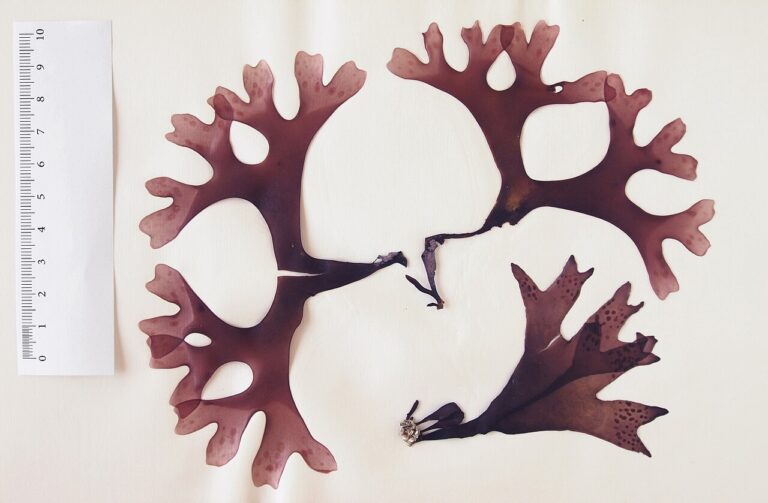
A red seaweed from rocky North Atlantic shores that Irish families boiled into a soothing drink for coughs and colds, and that Caribbean kitchens turned into a thick, spiced milk drink for strength. Today it's a popular gel and gummy sold as a mineral-rich "superfood".
The full guide, with how to use it and the safety notes, is in the Remedies Vault.
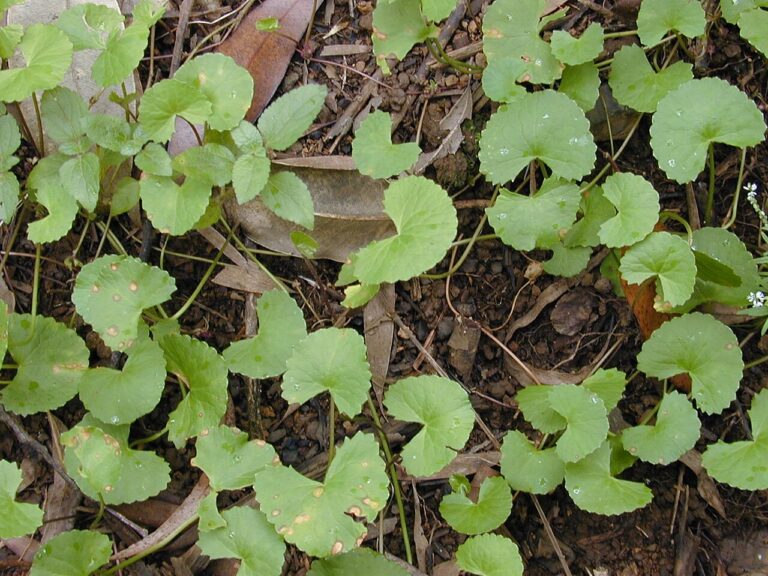
A small creeping plant from the carrot family, prized in Ayurveda as a "medhya rasayana", a tonic for the mind, and across Asia for skin, wounds and longevity. Sri Lankan tradition held that eating the leaves helped people live longer.
The full guide, with how to use it and the safety notes, is in the Remedies Vault.
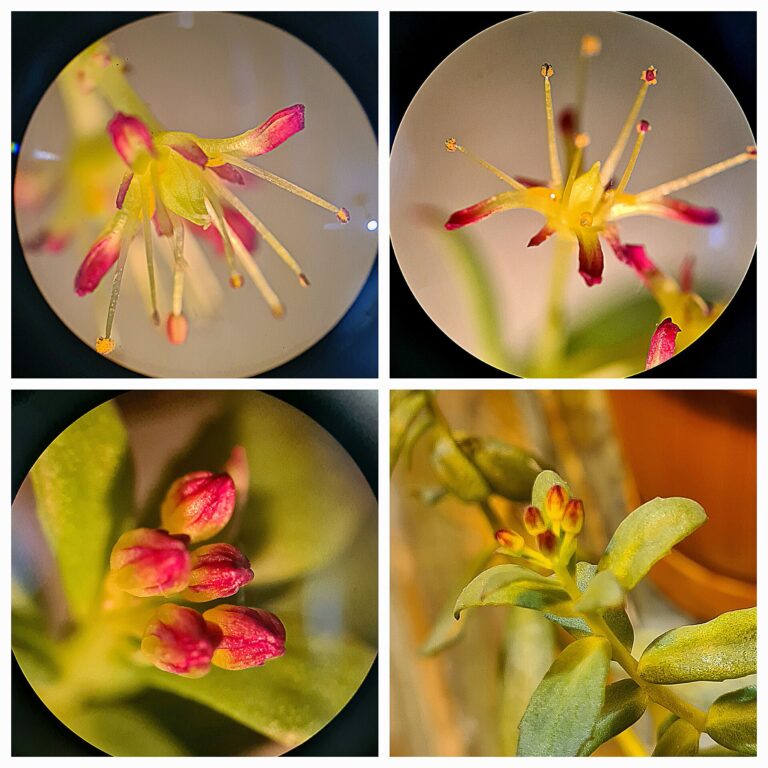
A hardy Arctic and mountain root that Scandinavian, Siberian and Russian folk medicine have long used for endurance, cold winters and recovering strength. Today it's one of the best-known "adaptogens" for everyday stress and tiredness.
The full guide, with how to use it and the safety notes, is in the Remedies Vault.
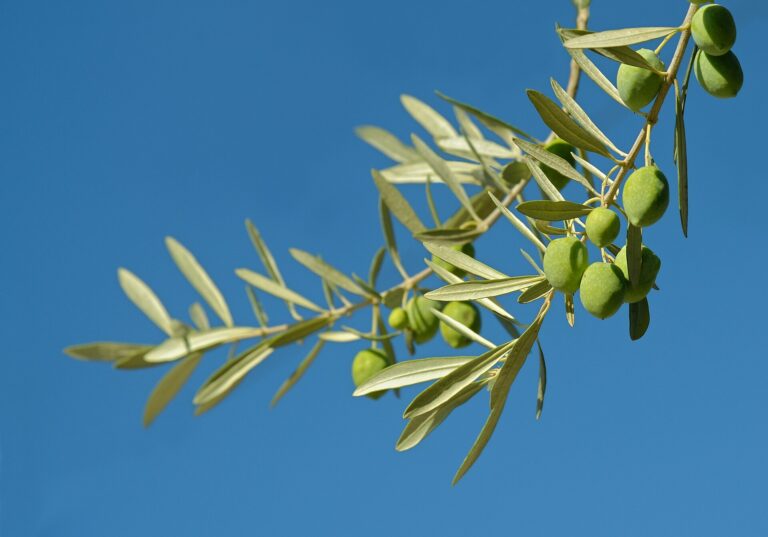
The silver-green leaves of the olive tree, one of the oldest cultivated trees on earth, have been brewed into a bitter tea around the Mediterranean for centuries. Here's what tradition and research say about them, and who should be careful.
The full guide, with how to use it and the safety notes, is in the Remedies Vault.
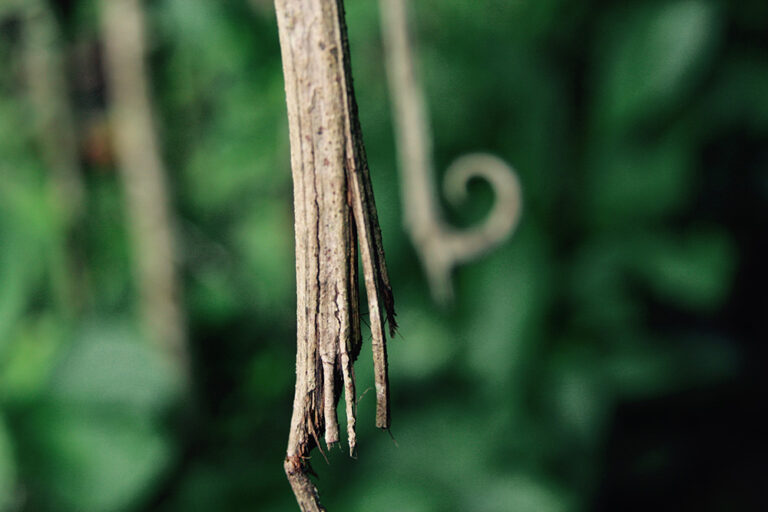
A thorny vine from the Amazon rainforest, named for the curved hooks on its stems, that Peruvian peoples have boiled into a bitter bark tea for generations. Here's what tradition and research say about it, and who should be careful.
The full guide, with how to use it and the safety notes, is in the Remedies Vault.