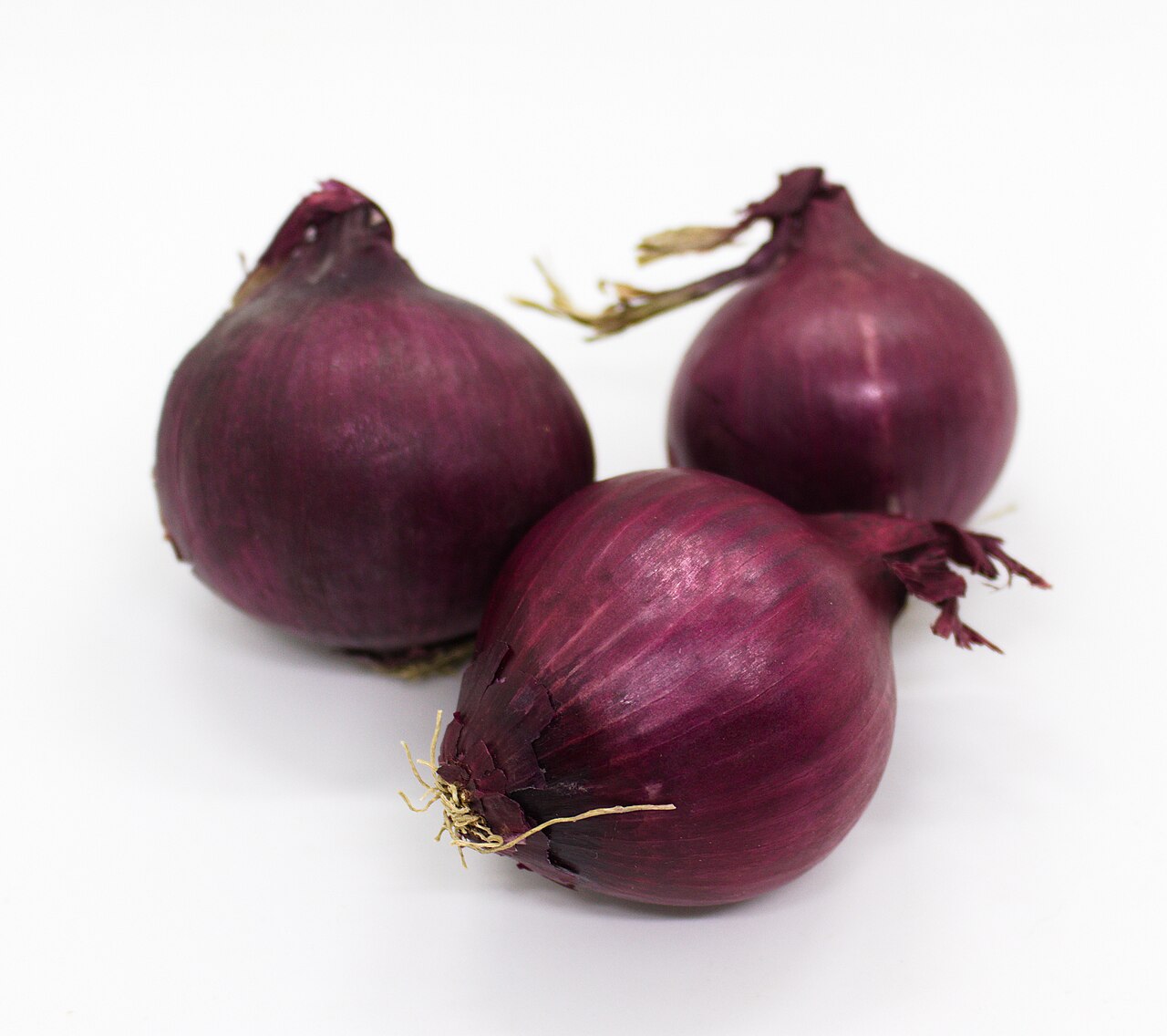
Quercetin is the most common flavonoid in the human diet, the yellow pigment behind onion skins and apple peels. Here’s how naturopaths use it, the traditional herbs that are rich in it, and what the research shows.
Similar Posts
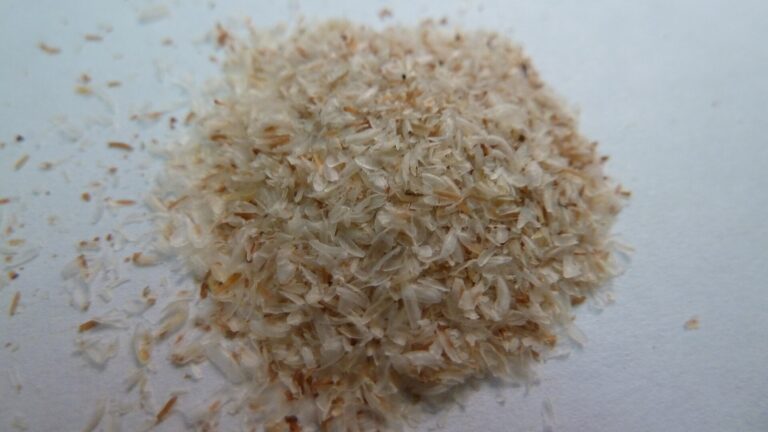
Psyllium Husk
Psyllium husk is a gentle, gel-forming fibre that many detoxers use to keep things moving while they cleanse. Members get the full entry: what the research actually shows, typical amounts, and the safety points that matter most (especially water and medication timing).
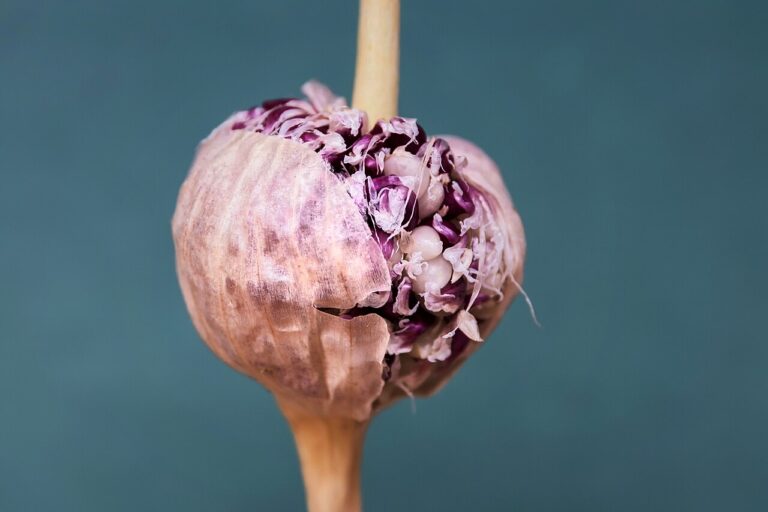
Garlic
Garlic has been food and folk medicine for thousands of years, and it's a staple of herbal parasite and gut cleanses. Here's how people use it when detoxing, what one small lead-exposure study found, and the bleeding and medication cautions that come with garlic supplements.
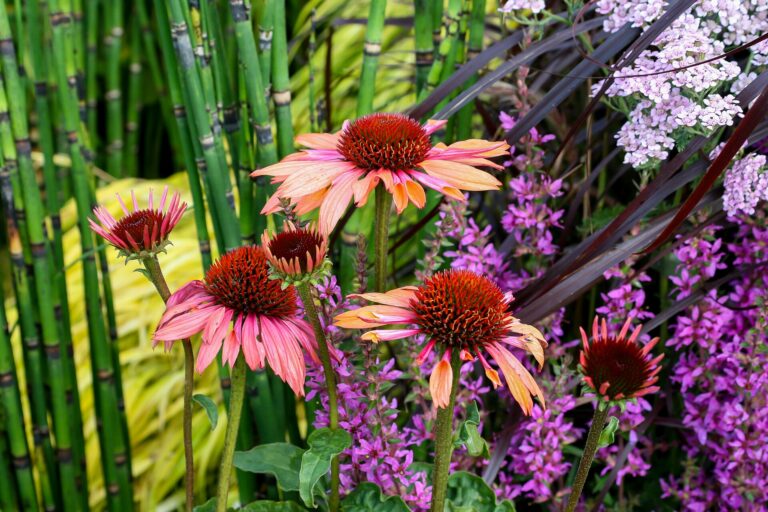
Echinacea
A prairie wildflower that Plains nations used for sore throats, toothache and wounds long before it became Europe's best-known cold remedy. Here's what tradition says, what the research shows, and who should skip it.
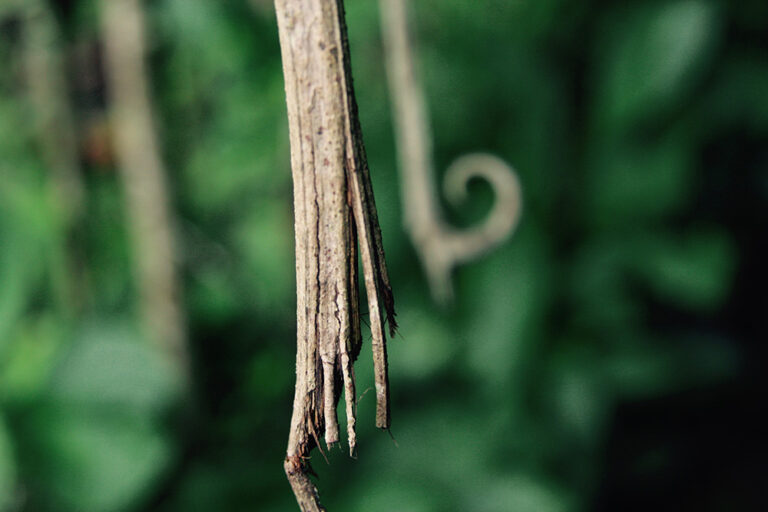
Cat’s Claw
A thorny vine from the Amazon rainforest, named for the curved hooks on its stems, that Peruvian peoples have boiled into a bitter bark tea for generations. Here's what tradition and research say about it, and who should be careful.
Mullein
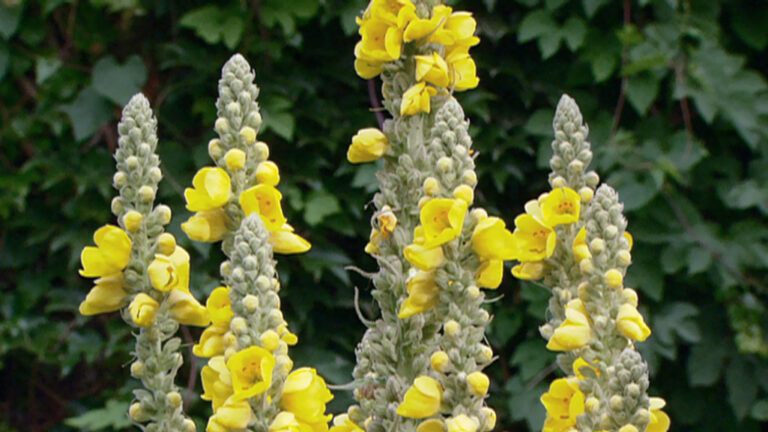
Mullein is the tall, velvety roadside plant that peoples from Spain to Turkey to the Canadian Interior have turned to for tight, irritated chests. Members can read every traditional use, how its soothing compounds are believed to work, and what the small body of research shows.
Artichoke Leaf
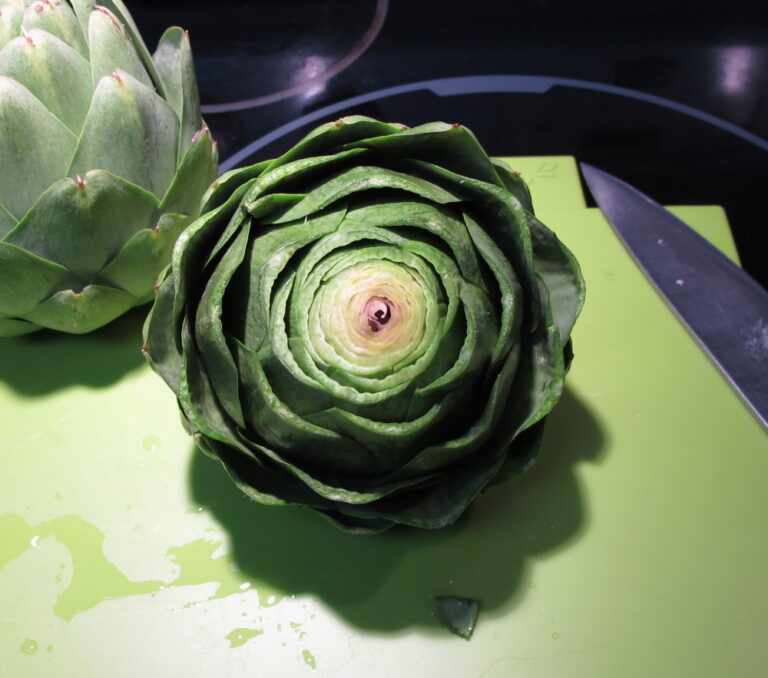
Artichoke leaf is the bitter green leaf of the globe artichoke, a European digestive herb that people use to support bile flow and the liver. Members get the full entry: what the human studies show, typical amounts from the official European monograph, and who should skip it (especially anyone with gallstones).