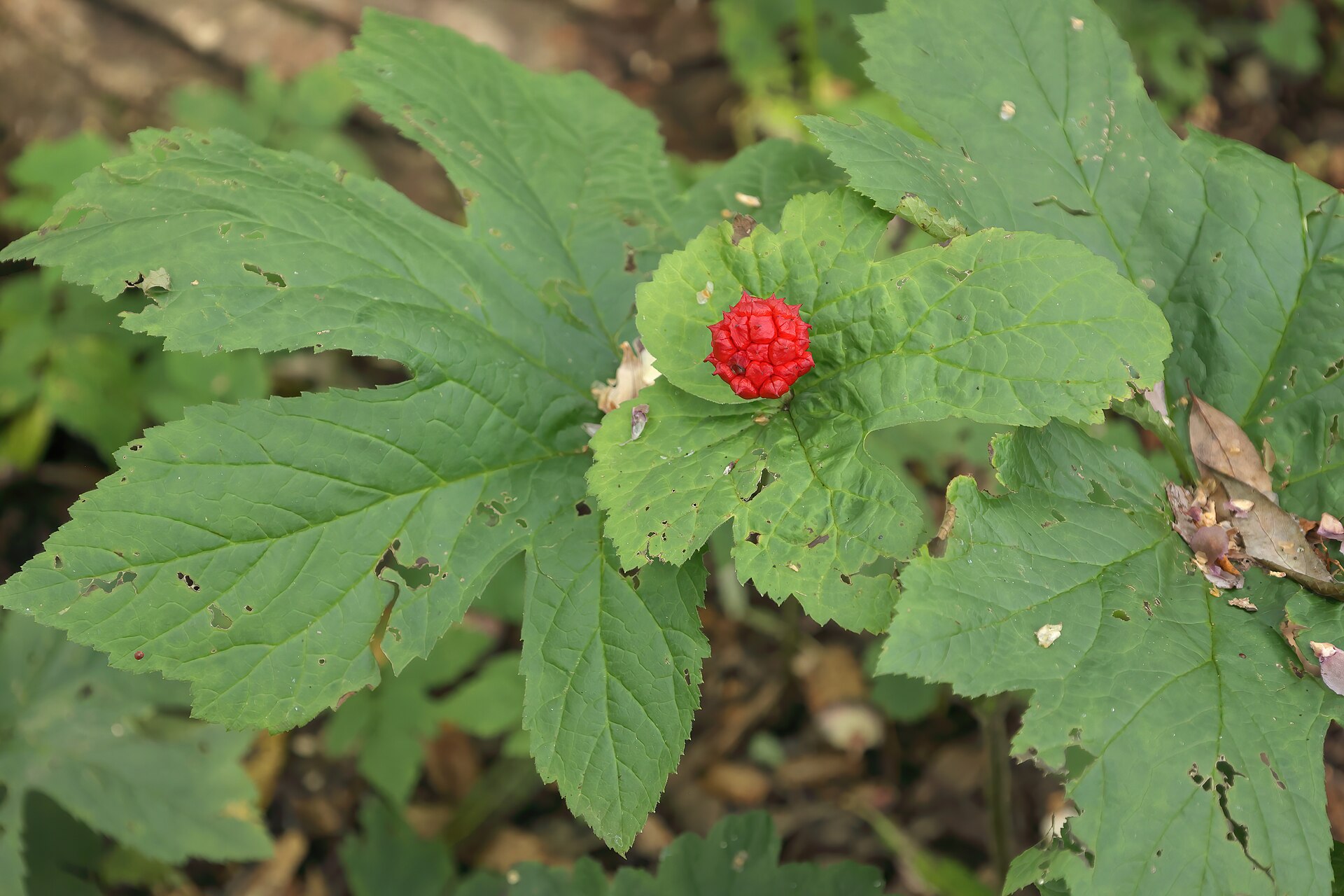
A small woodland plant of eastern North America with a bright-yellow root, used by Cherokee, Iroquois and other Indigenous nations for sore eyes, wounds and as a yellow dye. It became one of the best-known remedies of 19th-century herbal medicine, and is now so heavily harvested that it’s a protected, at-risk species, so where it comes from matters.
Similar Posts
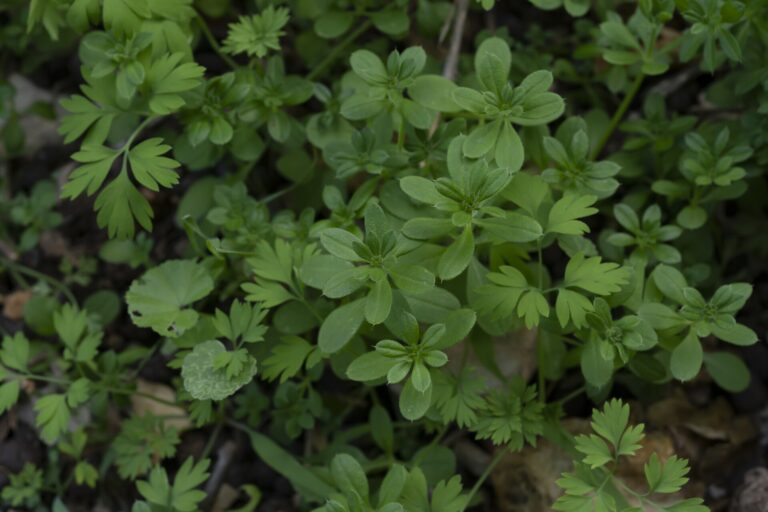
Cleavers
The sticky, climbing "goosegrass" weed that clings to your socks is one of herbalism's classic lymph herbs, usually taken as a gentle tea or fresh juice in spring. Members can see how people use it, what little research exists, and who should skip it.
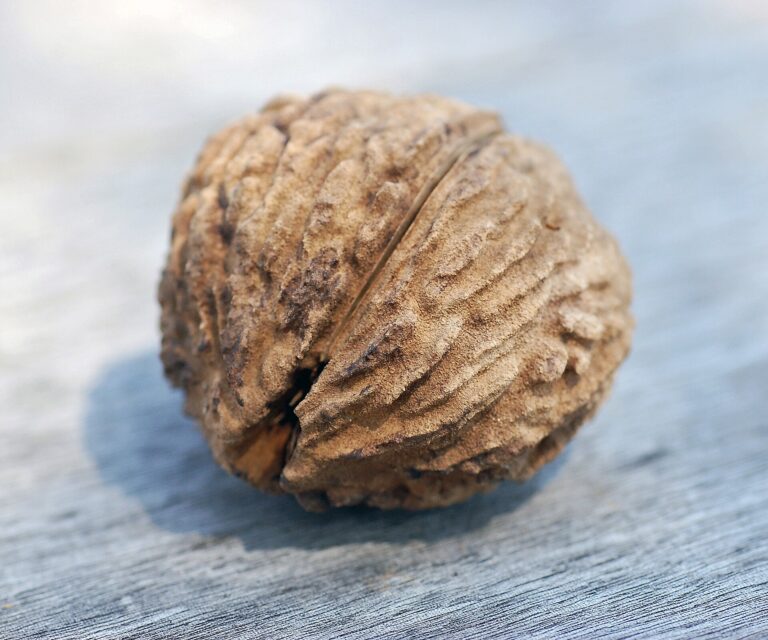
Black Walnut Hull
Black walnut hull is the bitter, dark-staining husk at the heart of the classic "wormwood, black walnut and clove" parasite cleanse. Members can read its traditional story, what the research does and doesn't show, and the safety points to know first.
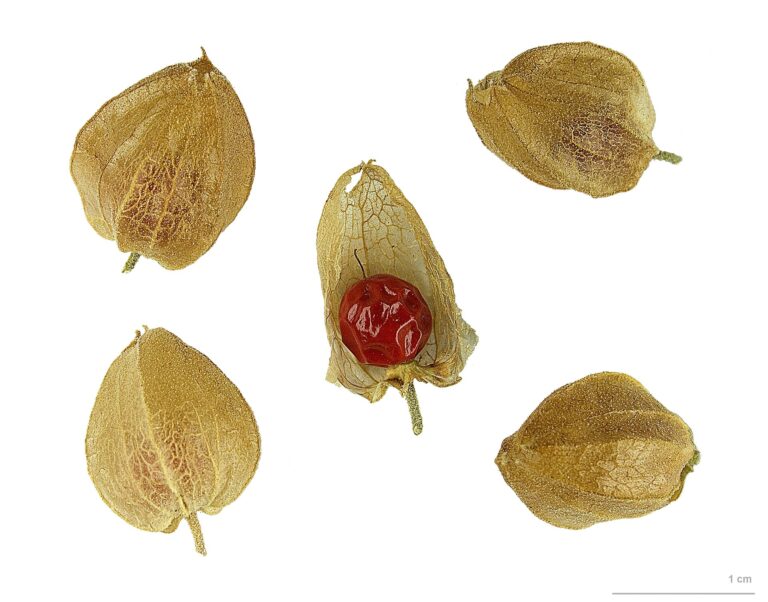
Ashwagandha (Withania somnifera)
One of Ayurveda's most prized rejuvenating roots, taken for centuries to build strength and help the body cope with stress. Members use it today for calm, sleep, energy and everyday resilience.
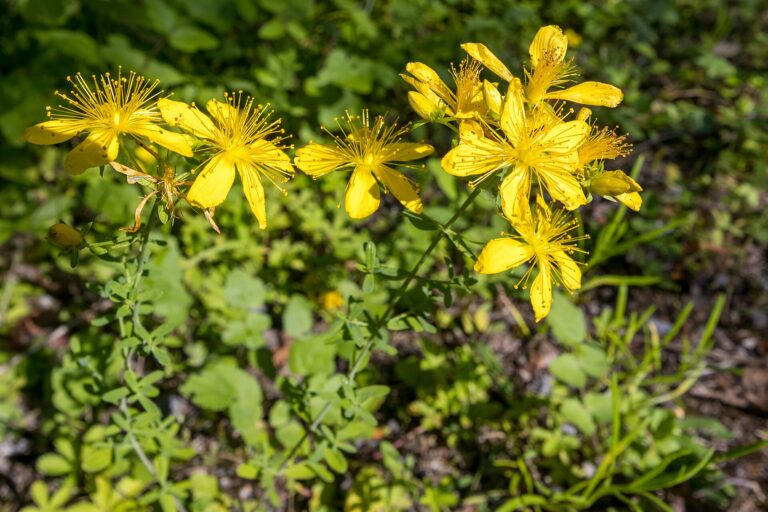
St. John’s Wort
A bright yellow summer flower named after St. John, gathered around Midsummer and steeped in oil until it turns blood-red. Europe has used it for low spirits, nerves and skin for centuries, and today it's one of the most-studied herbs for mood. It also has more drug interactions than almost any other herb, so this page starts its Safety section there.
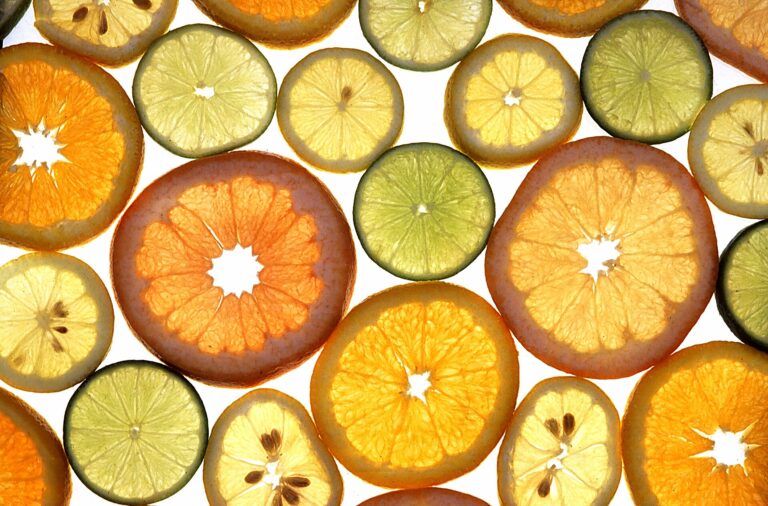
Modified Citrus Pectin
Modified citrus pectin is a citrus-peel fibre that's been broken into smaller pieces, and detoxers use it as a gentle binder. Members can read what the small studies found, how people take it, and the safety points to know first.
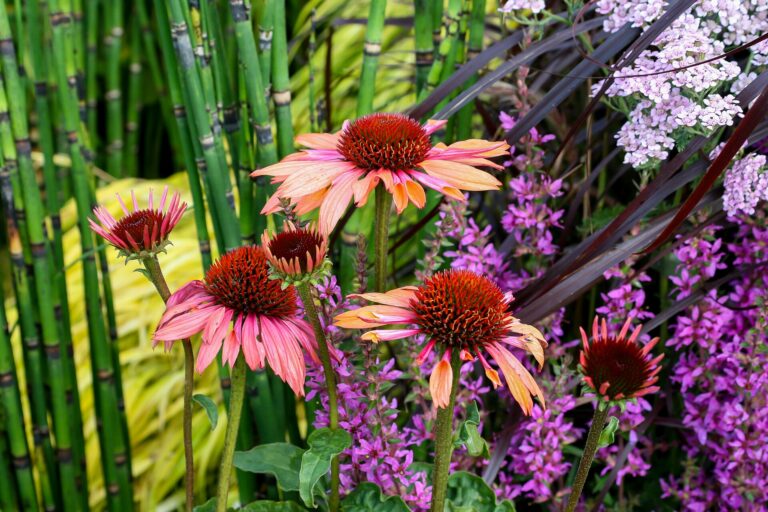
Echinacea
A prairie wildflower that Plains nations used for sore throats, toothache and wounds long before it became Europe's best-known cold remedy. Here's what tradition says, what the research shows, and who should skip it.