Every fall it happens. The kids go back to school, the office fills up, the heat comes on, and suddenly everyone is sniffling.
You can’t avoid every bug. Nobody can. But the old herbal traditions and modern naturopaths agree on one thing: the body handles cold season better when the basics are in place before the season starts.
Here’s what people lean on to support their immune system through the colder months, from the boring foundations to the foods, herbs and supplements that get the most attention, plus who should be careful and when to stop self-care and call your doctor.
Quick take
- Sleep, daylight, movement and stress come first. No supplement makes up for running on empty.
- Garlic, ginger, broths, colourful produce and fermented foods are the traditional cold-season kitchen.
- Vitamin D, zinc, quercetin and elderberry are the most-used supplements. Evidence is mixed, so know what each is (and isn’t).
Why cold season hits harder

There are a few reasons colds and flu cluster from October to March:
- Indoor crowding. Closed windows and shared air mean viruses pass around more easily.
- Dry air. Indoor heating dries out the lining of your nose and throat, one of your first lines of defence.
- Less sunlight. In Canada and the northern US, the sun is too low from about October to March for your skin to make much vitamin D.
- Less sleep, more stress. Shorter days, busier schedules, holidays. It adds up.
Traditional systems saw it too. Many herbal traditions treat the change of season as the time to “build up” the body, rather than waiting for the first sore throat.
The foundations naturopaths start with
These aren’t exciting. They’re also the things naturopaths ask about first, because everything else sits on top of them.
Sleep
Short sleep is linked in studies with catching more colds. Most adults do best with 7 to 9 hours. If sleep is the weak spot, our post on binaural beats for sleep and calm covers one wind-down idea some people like.
Daylight and movement
A daily walk outside, especially in the morning, gets you light, fresh air and gentle movement in one go. Regular moderate exercise is linked with fewer and milder colds. Exhausting, all-out sessions don’t seem to add more.
Stress
Long-running stress keeps cortisol up, and that’s tied to a less responsive immune system. Breathing practice, time outdoors and simply saying no to a few things all count.
Hand washing and humidity
Plain soap and water still beats almost everything. A humidifier set to around 40 to 50% can help your nose and throat stay moist through heating season (clean it often so it doesn’t grow mould).
No supplement can make up for short sleep, no daylight and constant stress. Fix the foundations first.
The cold-season kitchen
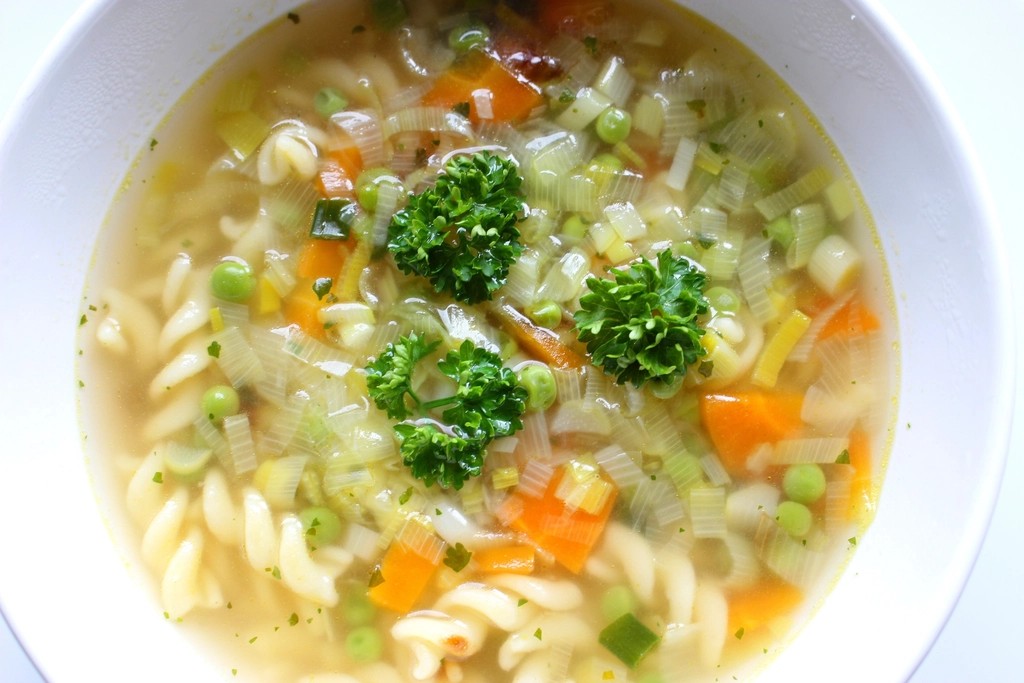
Long before supplement aisles, people got through winter with food. These are the ones that come up again and again in traditional and naturopathic practice:
- Garlic and onions. Traditionally used across Europe and Asia in the cold months. Garlic’s allicin forms when it’s crushed, so chop it and let it sit a few minutes before cooking.
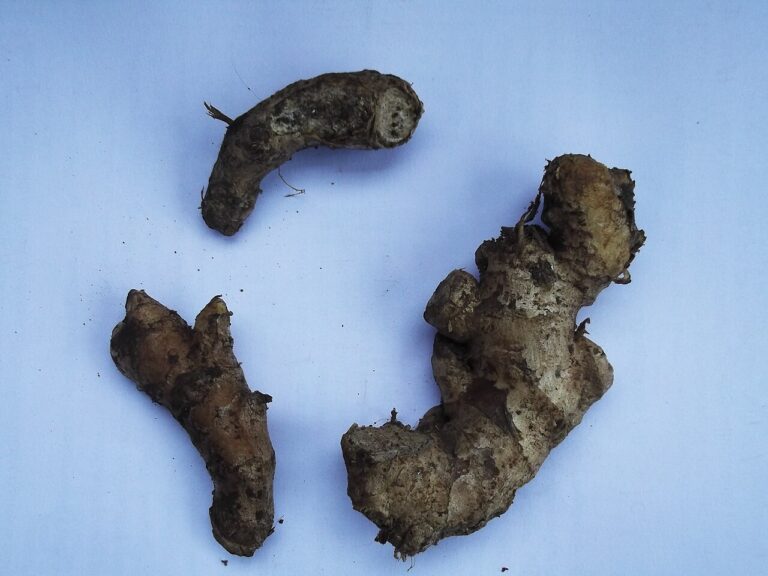
- Ginger. A warming root used in hot teas for chills and sore throats in Chinese and Ayurvedic traditions. Our post on kitchen herbs and inflammation goes deeper on ginger and its spice-rack cousins.
- Broth and soup. Warm fluids, salt and vegetables. Chicken soup has been studied a little, and at the very least it keeps you hydrated and fed.
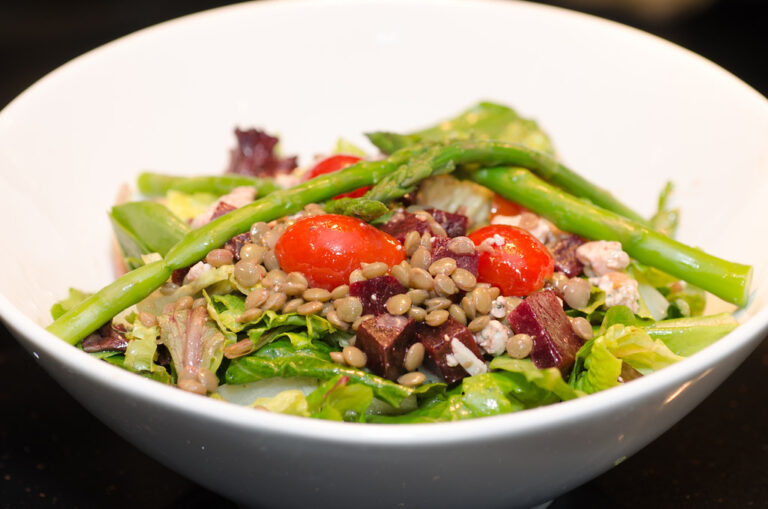
- Colourful produce. Citrus, red peppers, kiwi and broccoli for vitamin C; leafy greens and berries for a wide range of plant compounds.
- Fermented foods. Sauerkraut, kefir, yogurt and kimchi. Much of the immune system lives in and around the gut, which is why naturopaths pay attention to it.
- Honey. A spoonful in warm water or tea is a traditional cough soother, and research supports it for night-time cough. Never give honey to babies under 1.
The supplements people reach for most
Walk into any health store in October and these four will be front and centre. Here’s an honest look at each.
Vitamin D
Vitamin D plays a role in how immune cells work, and low levels are common in northern winters. Pooled analyses of trials suggest a small reduction in respiratory infections with regular daily or weekly vitamin D, mostly in people who started out low. Big, occasional doses didn’t show the same effect. It’s often paired with vitamin K2, which works alongside D in how the body handles calcium. Typical adult amounts are 600 to 2,000 IU a day; Health Canada and the NIH put the adult upper limit at 4,000 IU a day unless your doctor says otherwise. A simple blood test tells you where you stand. Check with your doctor first.
Zinc
Zinc is needed for immune cells to develop and work. Reviews of zinc lozenges started within a day of symptoms suggest they may shorten a cold by a day or two in some people, though the evidence is rated low certainty, and there’s little sign zinc stops you catching one. Lozenges can leave a bad taste or cause nausea. The adult upper limit is 40 mg a day from all sources, and long-term high doses can lower copper levels. Avoid zinc nasal sprays, which have been linked to loss of smell.
Quercetin
Quercetin is a plant pigment found in onions, apples, capers and berries. It’s being studied for its effects on immune signalling, and it’s often sold with zinc because lab work suggests it may help zinc get into cells. Human evidence is still limited. Food sources are an easy place to start.
Elderberry
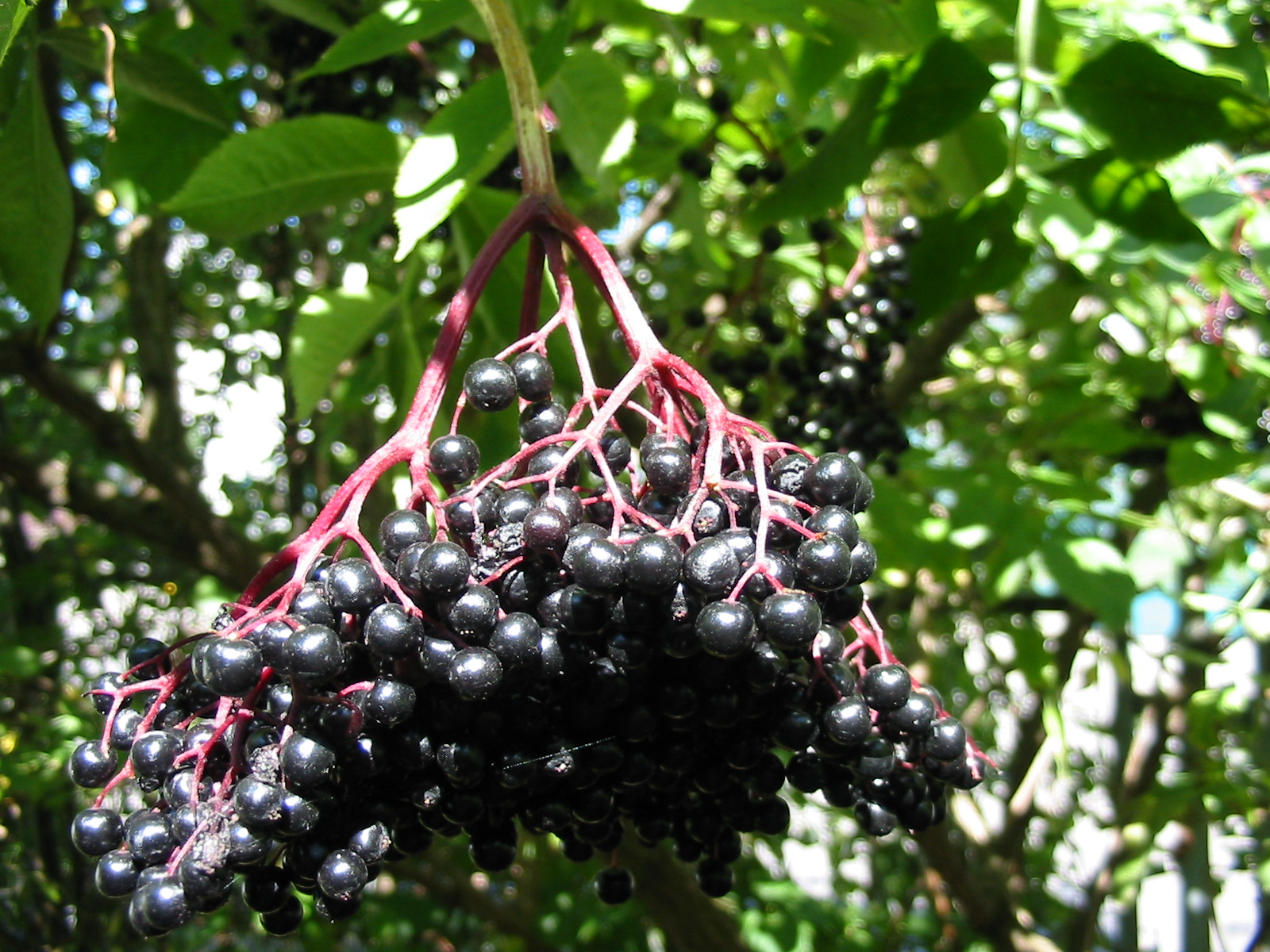
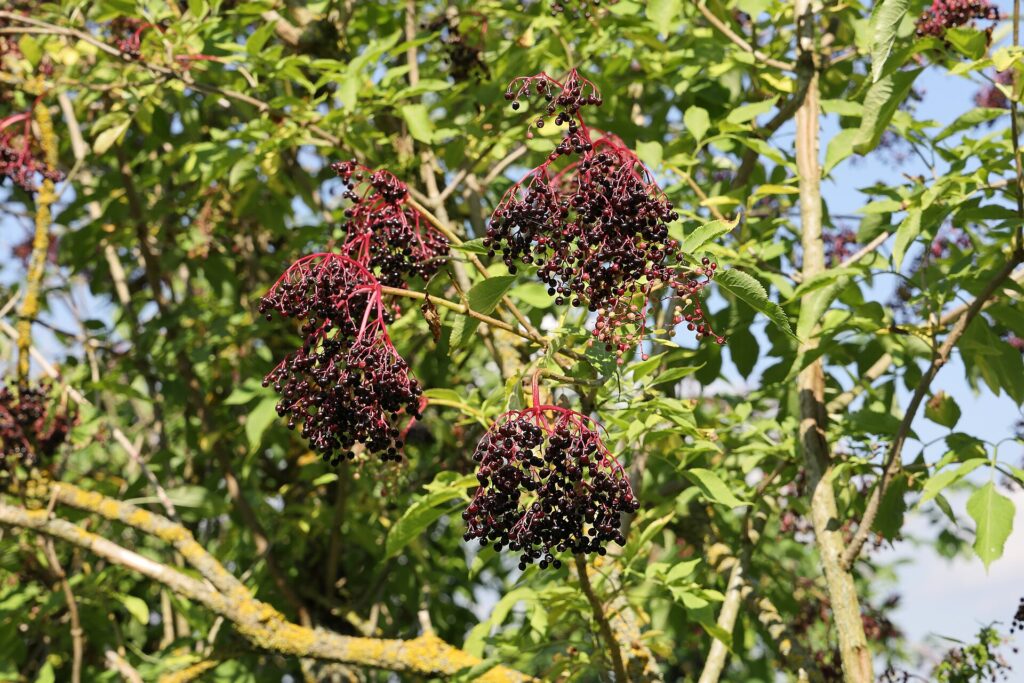
Elderberry (Sambucus nigra) has a long history in European folk medicine as a winter syrup. A few small studies suggest it may ease flu-like symptoms, but NCCIH notes that the research is limited and higher-quality studies are needed. One important safety point: raw or unripe berries, leaves, bark and stems can cause nausea and vomiting, so only use properly cooked berries or a commercial product.
Also available: cold-season supplements
If you’d rather not shop around, these are the three supplements we feature on our Immune Support page: Vitamin D3 + K2, Zinc + Quercetin, and elderberry capsules, sold by an outside company. They may suit adults who want a simple cold-season routine. Skip them if you’re pregnant or breastfeeding, take blood thinners or other regular medicines, or have an autoimmune condition, unless your doctor okays it. Follow the label.
Sponsored link. If you buy through it, Clif may earn a commission at no extra cost to you. The claims on the seller’s page are theirs, not ours, and haven’t been checked by us. It’s not a substitute for seeing your doctor.
Who should be careful
- Blood thinners: vitamin K2 can interfere with warfarin. Don’t start it without your doctor.
- Autoimmune conditions or immune-suppressing medicines: herbs and supplements marketed to “boost” immunity, elderberry included, haven’t been well studied here. Ask first.
- Pregnancy, breastfeeding and children: there’s little safety data for elderberry and quercetin supplements. Food sources are the safe default.
- Kidney disease or high calcium: be careful with vitamin D.
- Antibiotics and some other medicines: zinc can reduce how well they’re absorbed. Space them apart and check with your pharmacist.
When to see a doctor
Self-care is for ordinary colds. Get medical help if you have:
- Trouble breathing, chest pain, confusion or bluish lips (call 911).
- A fever that lasts more than 3 days or goes above 39.4 °C (103 °F).
- Symptoms that improve and then suddenly get worse.
- Flu symptoms and you’re pregnant, over 65, or have a long-term condition. Antiviral medicine works best when started early.
- Infections that keep coming back.
Our lungs post has more on supporting your breathing through the season.
Try this today
Crush a clove of garlic, let it sit for 10 minutes, and stir it into tonight’s soup or sauce near the end of cooking. Then get to bed 30 minutes earlier than usual. Two small deposits in the cold-season bank.
Go deeper in the Vault
Vault members get the Immune Support hub: everything the Vault has on immune support in one place, with the “get medical help first” signs up top, plus the Lung & Breathing protocol overview and the Colds & Coughs symptom page. New Detox Library entries show up there automatically. See what’s in the Vault.
Educational only, not medical advice. This information has not been evaluated by the FDA or Health Canada and is not intended to diagnose, treat, cure, or prevent any disease. Talk to your healthcare provider before starting any remedy, supplement, or detox, especially if you are pregnant, nursing, taking medication, or managing a health condition. Read our full Medical Disclaimer.