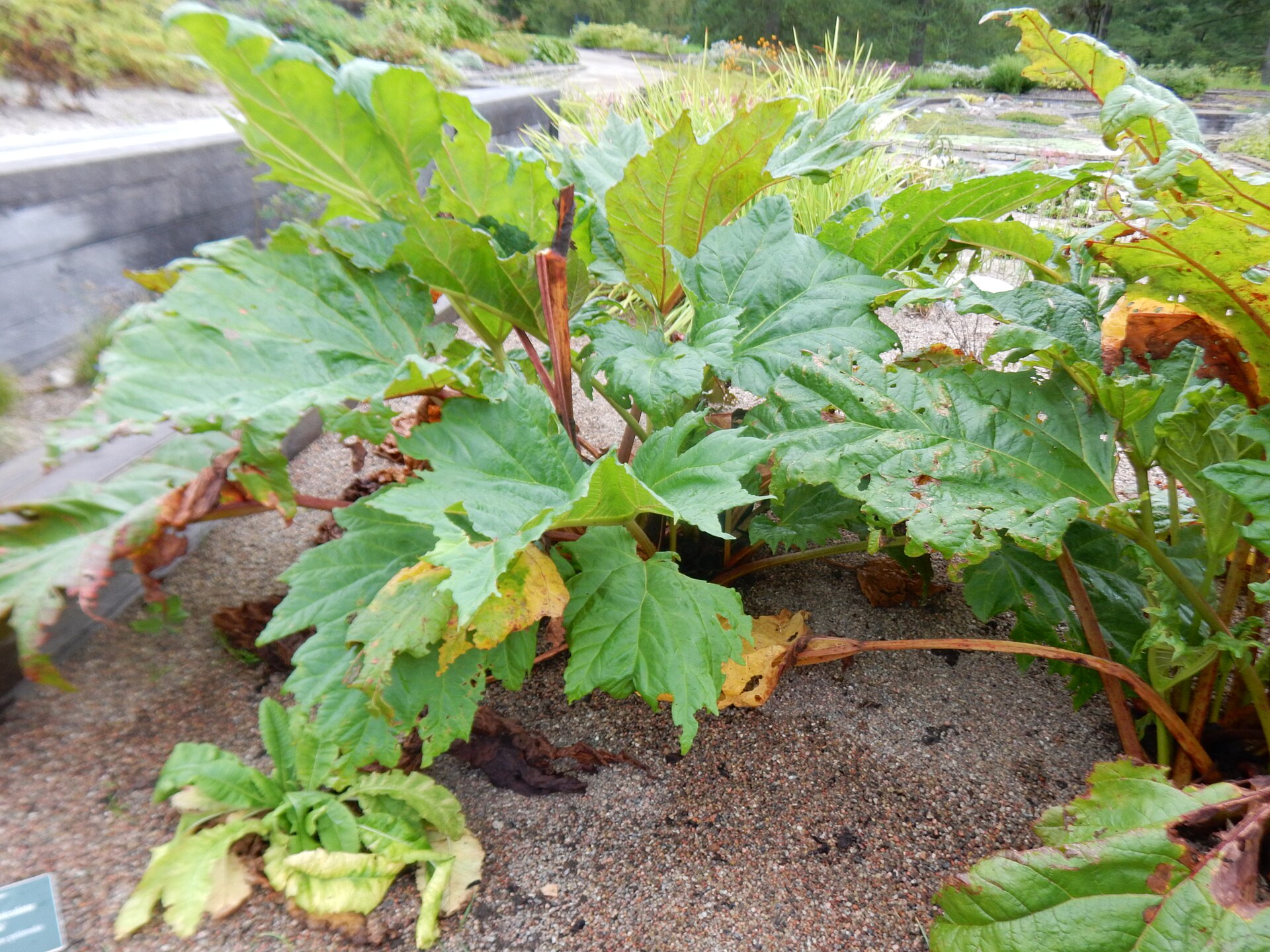
Chinese rhubarb root is a strong stimulant laxative herb with a 2,000-year history in Chinese medicine. Europe’s herbal regulators allow it only for short-term use, and it isn’t for everyone; here’s what members need to know before trying it.
Similar Posts
Holy Basil (Tulsi)
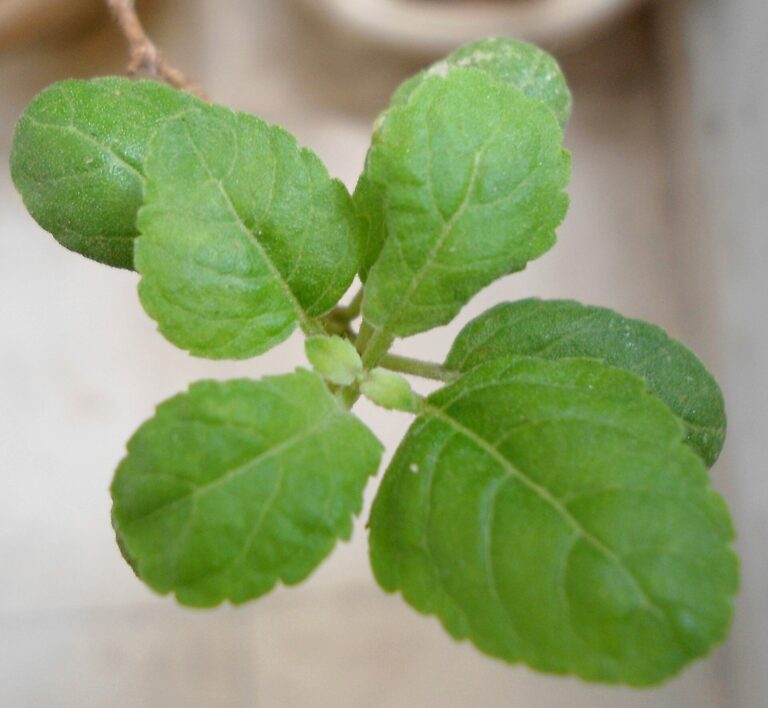
Sacred in Hindu tradition and called the "elixir of life" in Ayurveda, tulsi has been a daily tonic in India for thousands of years. Here's what tradition uses it for, what the modern studies show, and who should be careful with it.
Mimosa Pudica Seed
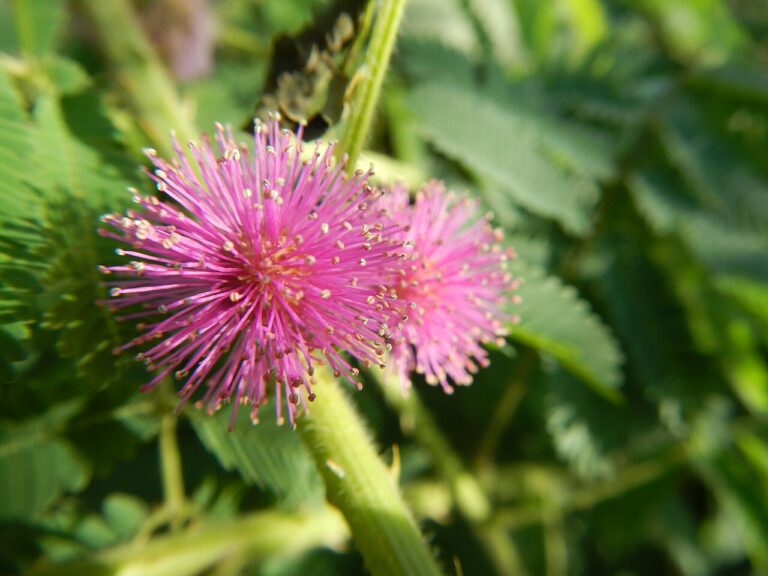
Mimosa pudica, the "sensitive plant" whose leaves fold shut when touched, has become one of the most talked-about parasite-cleanse seeds online. Members get the full entry: its Ayurvedic and folk history, what the lab studies do and don't show, what labels list, and the safety gaps to know before trying it.
Gas: natural options
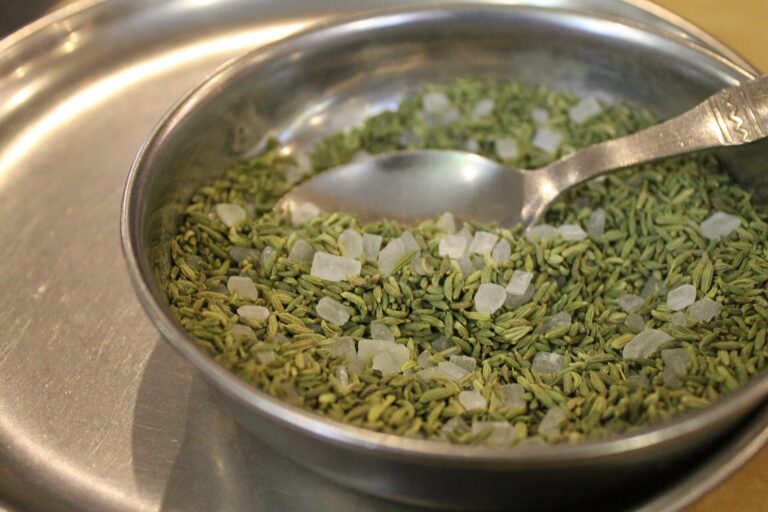
Everyone has gas: most people pass it up to 20 times a day. This entry sorts the kitchen spices, teas, bean-cooking tricks, enzymes and breathing practices people use for extra wind and burping by how well they're backed, and flags when gas is a sign to see a doctor.
Ashwagandha (Withania somnifera)
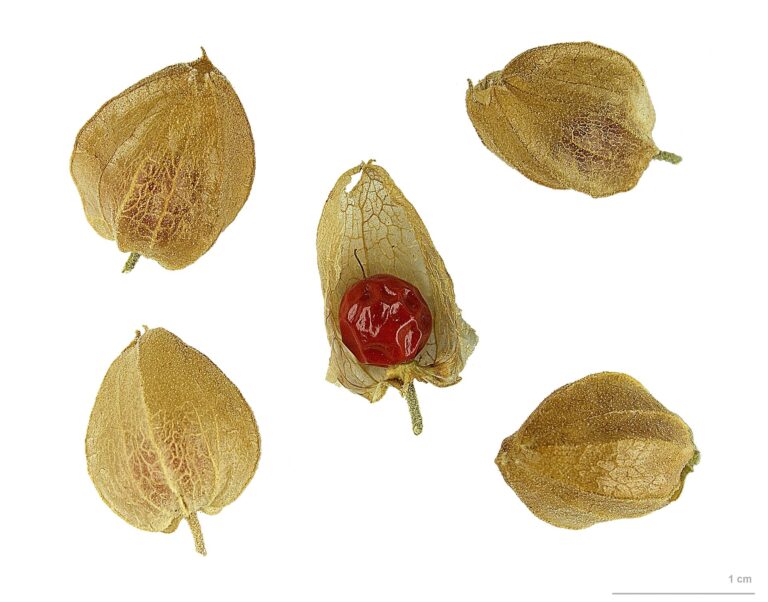
One of Ayurveda's most prized rejuvenating roots, taken for centuries to build strength and help the body cope with stress. Members use it today for calm, sleep, energy and everyday resilience.
Slippery Elm
Slippery elm is a North American tree bark that turns silky and gel-like in water, and it's a favourite gentle "soother" in gut-focused routines. Members can read its long history, what the (thin) research shows, and the timing and safety points to know first.
Quercetin
Quercetin is the most common flavonoid in the human diet, the yellow pigment behind onion skins and apple peels. Here's how naturopaths use it, the traditional herbs that are rich in it, and what the research shows.