
Frangula (Alder Buckthorn)
Frangula, or alder buckthorn bark, is a strong stimulant laxative herb used in Europe since the 1500s. It's for short-term use only, and the bark has to be properly aged first; here's what to know before reaching for it.
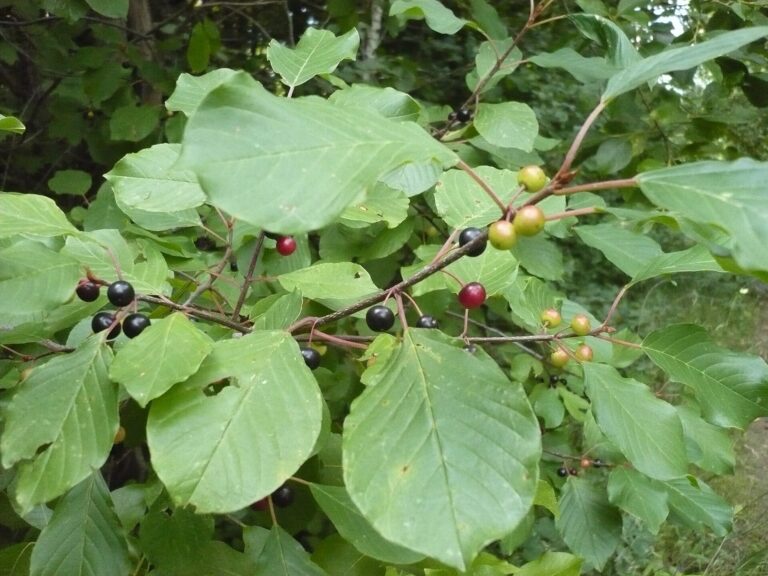
Frangula, or alder buckthorn bark, is a strong stimulant laxative herb used in Europe since the 1500s. It's for short-term use only, and the bark has to be properly aged first; here's what to know before reaching for it.
The full guide, with how to use it and the safety notes, is in the Remedies Vault.
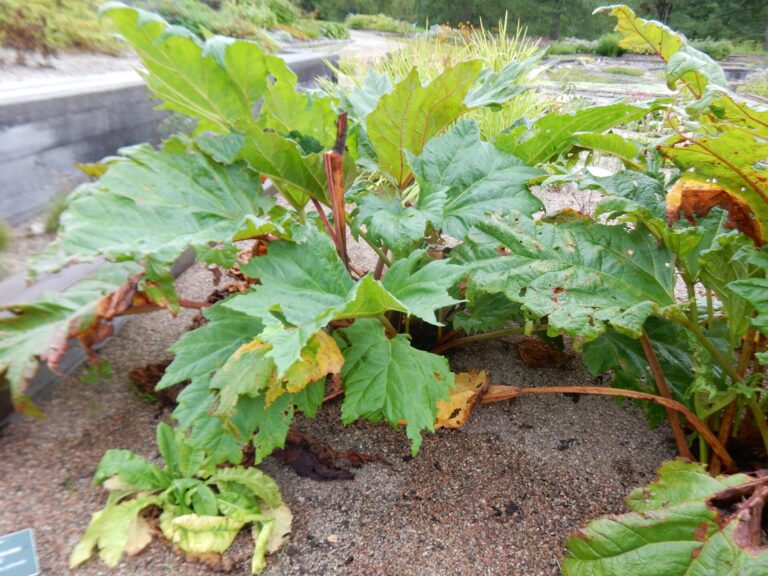
Chinese rhubarb root is a strong stimulant laxative herb with a 2,000-year history in Chinese medicine. Europe's herbal regulators allow it only for short-term use, and it isn't for everyone; here's what members need to know before trying it.
The full guide, with how to use it and the safety notes, is in the Remedies Vault.
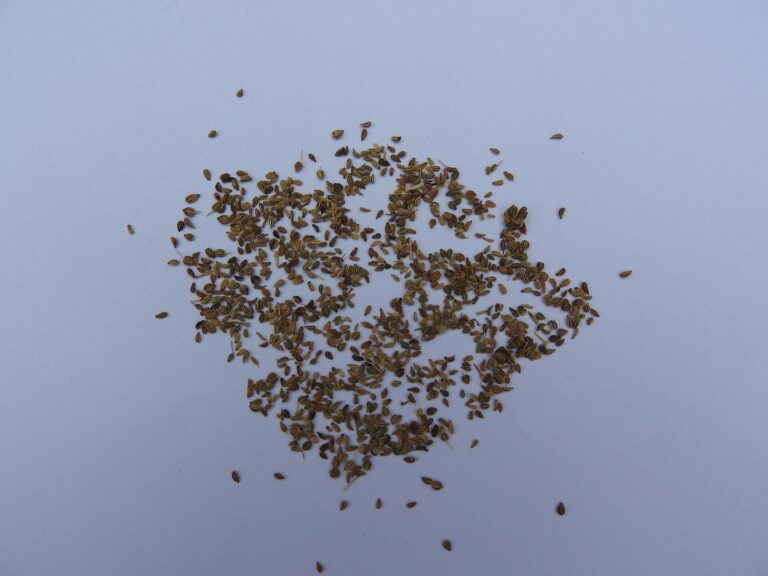
Ajwain is the tiny, thyme-scented seed that goes into Indian breads, pakoras and bean dishes, and it's one of Ayurveda's and Unani medicine's best-known kitchen remedies for wind and indigestion. Here's what those traditions use it for, what little research there is, how it's taken, and why it's a firm no in pregnancy.
The full guide, with how to use it and the safety notes, is in the Remedies Vault.
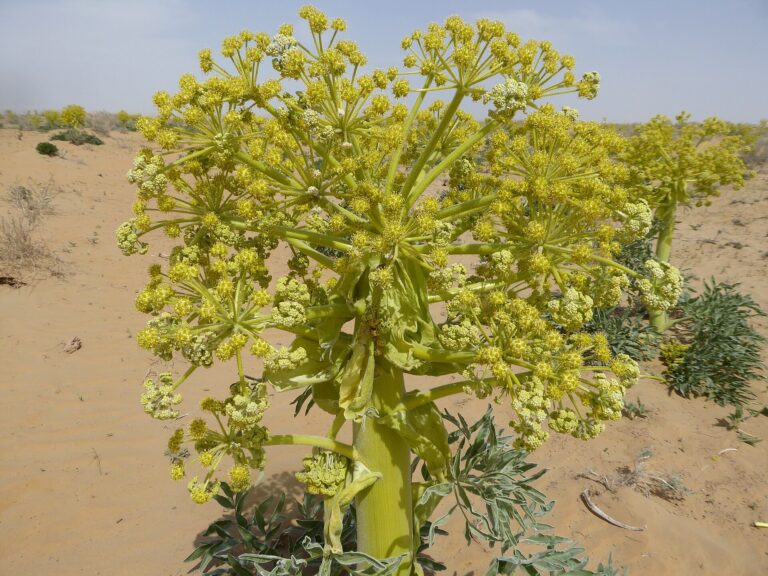
Asafoetida, or hing, is the pungent resin that Indian cooks add by the pinch to beans and lentils, and that Ayurvedic and Persian healers have long used for wind and sluggish digestion. Here's what traditions use it for, what the small trials found, and who should keep it to food amounts.
The full guide, with how to use it and the safety notes, is in the Remedies Vault.
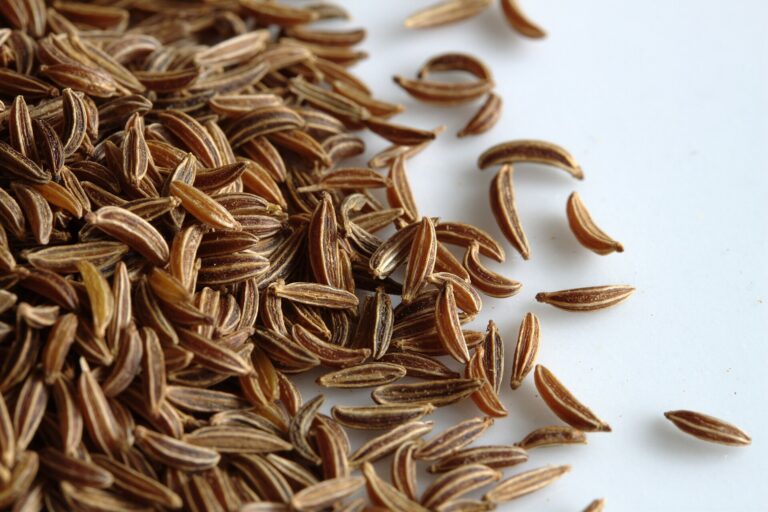
Caraway is the seed that flavours rye bread and sauerkraut, and Europe's classic after-dinner tea for wind and that over-full feeling. Here's what traditions use it for, what the studies on the caraway-plus-peppermint capsules show, how the EU says to brew it, and who should skip it.
The full guide, with how to use it and the safety notes, is in the Remedies Vault.
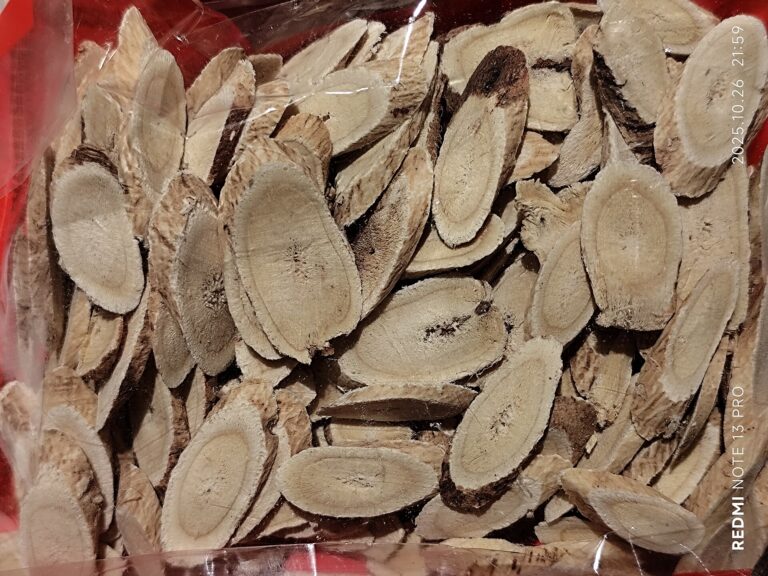
Huang Qi, the yellow root behind Chinese "Jade Windscreen" formulas, is one of the best-known qi tonics in traditional Chinese medicine and a popular immune-season herb in the West. Here's what the tradition uses it for, what the (mostly small, Chinese) studies show, the Health Canada amounts, and why people with autoimmune disease or a transplant should steer clear.
The full guide, with how to use it and the safety notes, is in the Remedies Vault.
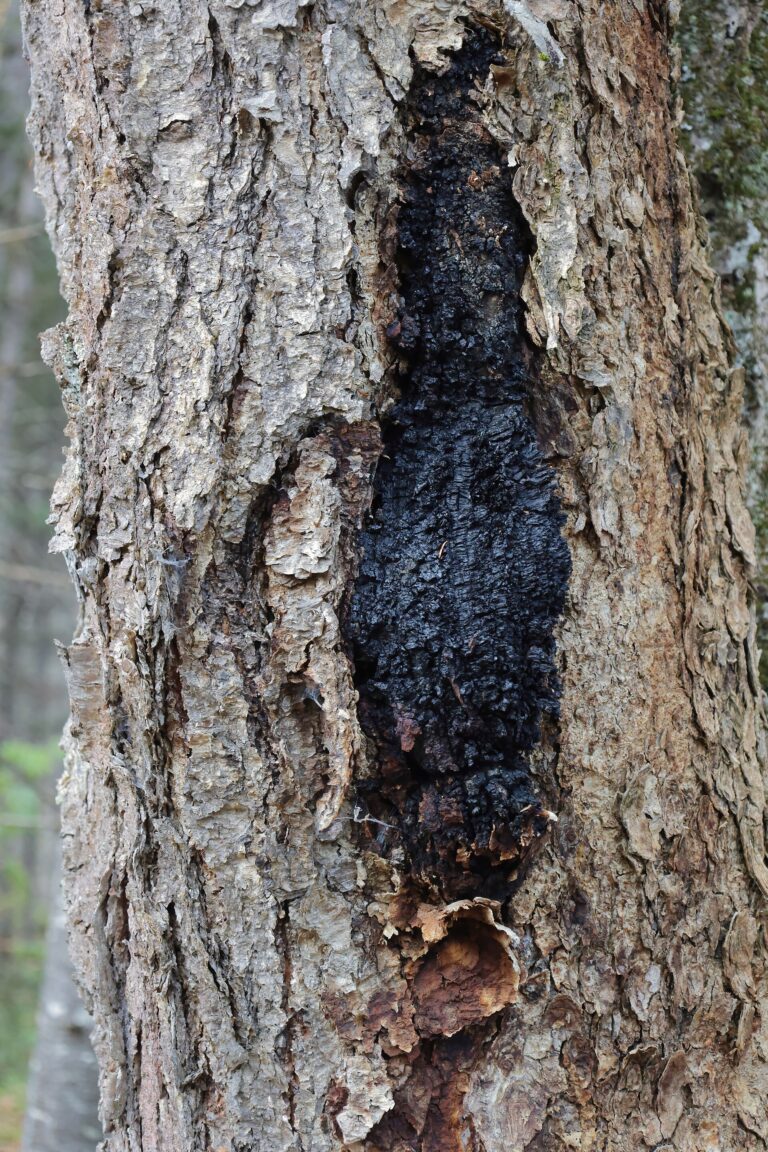
Chaga is the black, crusty "birch conk" of the northern forests, brewed for centuries into a dark, earthy tea in Siberia, Scandinavia and Indigenous North America. Here's where it comes from, what the research actually shows so far, and the kidney caution everyone should know before trying it.
The full guide, with how to use it and the safety notes, is in the Remedies Vault.
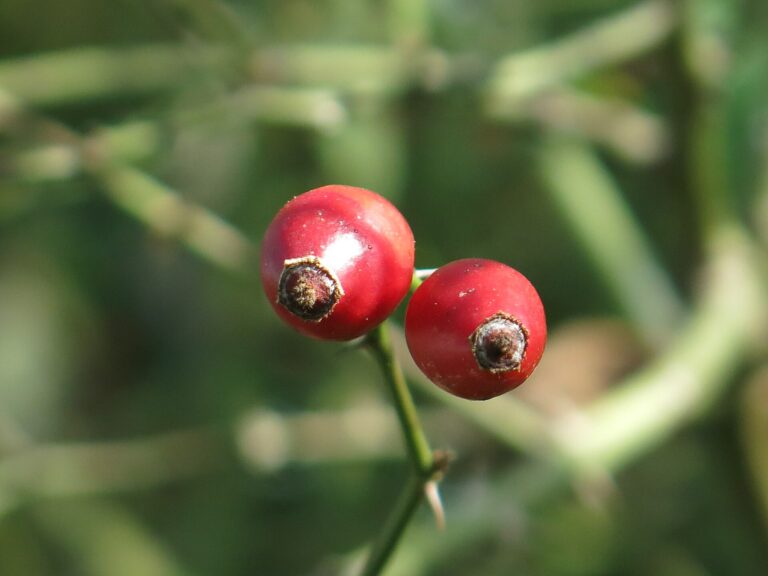
The bright red fruit left on wild roses after the petals fall has been brewed into a warming winter tea for generations, from Indigenous communities in British Columbia to European kitchens. This profile covers its traditional uses, the joint research that put rosehip powder on the map, and who should go easy on it.
The full guide, with how to use it and the safety notes, is in the Remedies Vault.
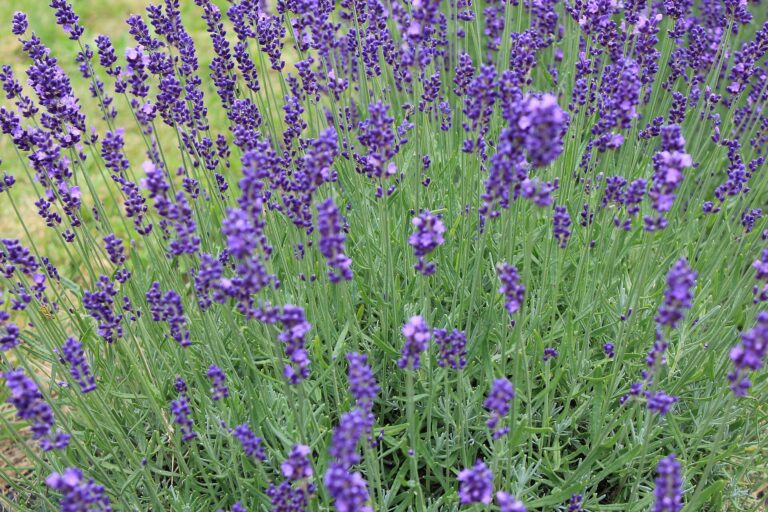
Lavender is the classic calming flower, sipped as a gentle evening tea, added to baths and breathed in from the oil. In Europe the flower tea is an approved traditional remedy for mild stress and to help with sleep.
The full guide, with how to use it and the safety notes, is in the Remedies Vault.
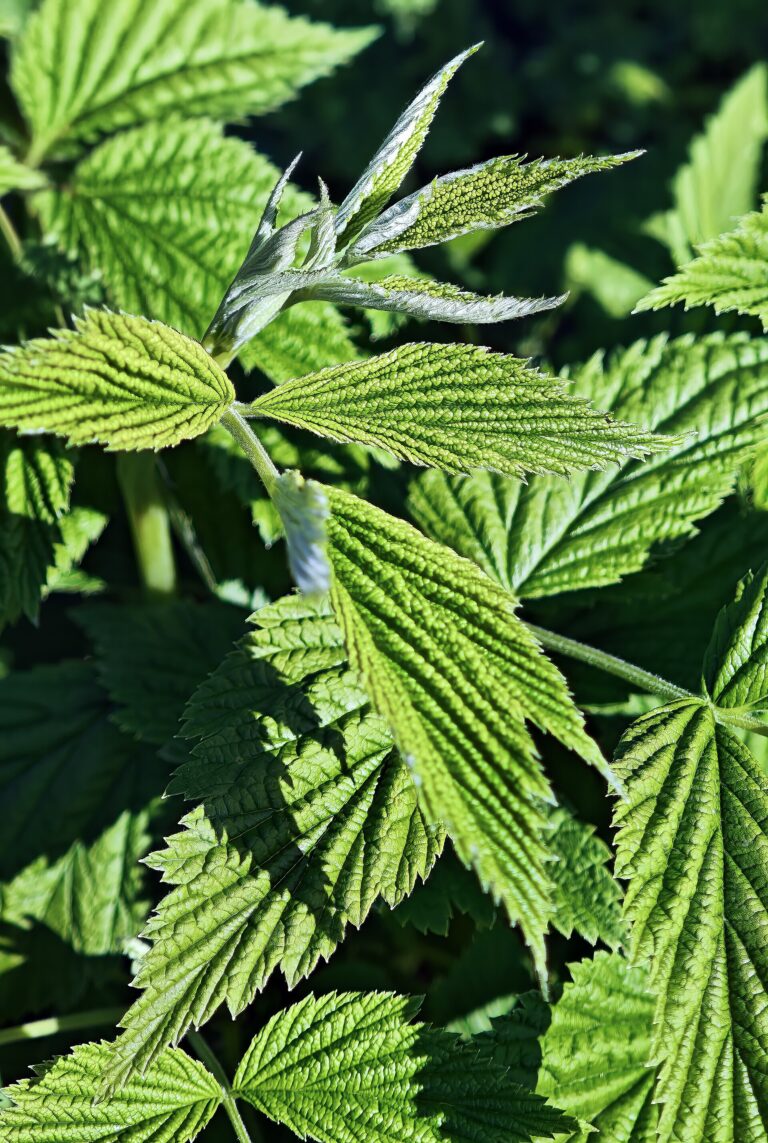
Raspberry leaf is one of the best-known "women's teas", a mild, slightly drying leaf that midwives and herbalists have handed down for generations. It is also a European-approved traditional tea for period cramps, mild tummy upsets and as a mouth and throat gargle.
The full guide, with how to use it and the safety notes, is in the Remedies Vault.