
Mustard Seed
The seed in your mustard jar was once the go-to chest plaster and digestive spice. Here's how it was used, what the research says, and why mustard plasters can burn.
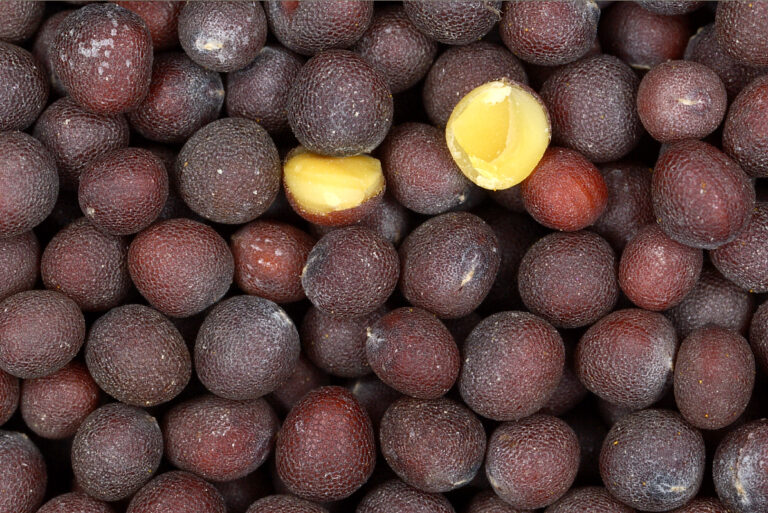
The seed in your mustard jar was once the go-to chest plaster and digestive spice. Here's how it was used, what the research says, and why mustard plasters can burn.
The full guide, with how to use it and the safety notes, is in the Remedies Vault.
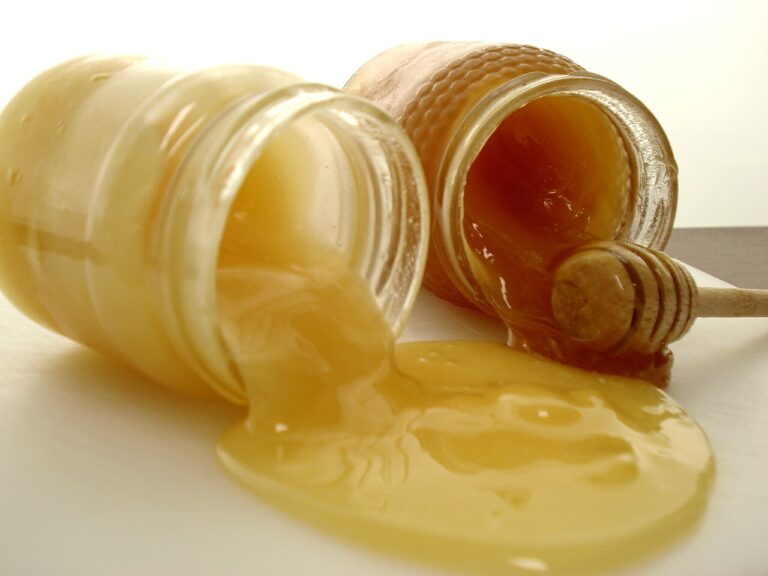
A spoonful of honey is one of the oldest cough remedies there is, and modern reviews back it up for children's coughs and cold symptoms. Here's what raw and manuka honey can and can't do, how manuka is graded, and the one rule every parent needs: no honey before the first birthday.
The full guide, with how to use it and the safety notes, is in the Remedies Vault.
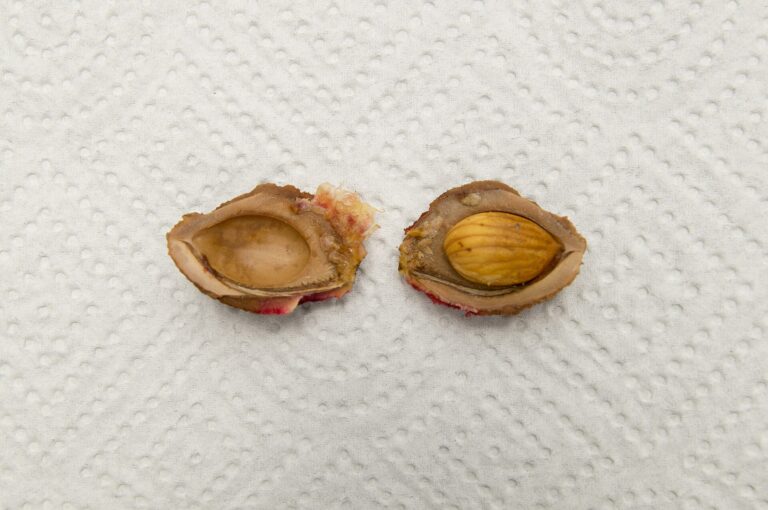
Peach kernel is a classic Chinese herb for menstrual pain and constipation, but the raw seed contains amygdalin, which the body turns into cyanide. This profile explains the tradition and why it's a practitioner-only herb.
The full guide, with how to use it and the safety notes, is in the Remedies Vault.
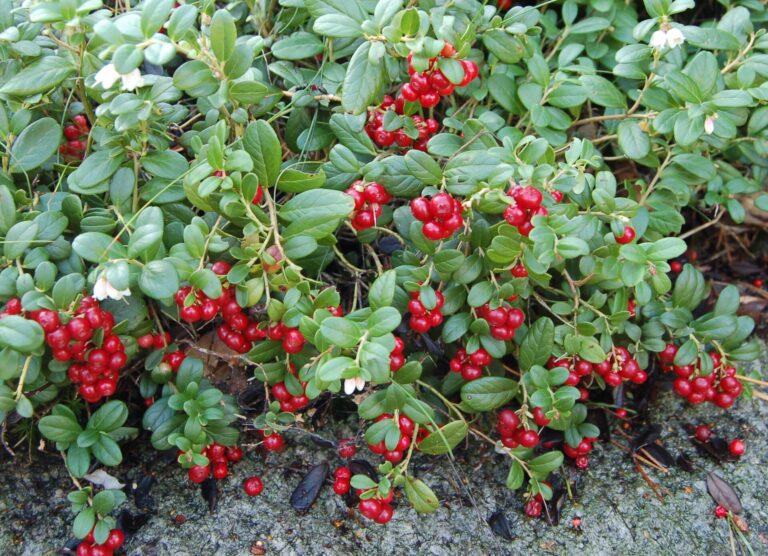
The tart red berry of Nordic kitchens and Newfoundland "partridgeberry" jam is also a folk urinary remedy, and its juice, blended with cranberry, is in some of the best-known bladder-infection trials. Here's what it's used for, what the studies show, and why the berry and the leaf are two very different safety stories.
The full guide, with how to use it and the safety notes, is in the Remedies Vault.
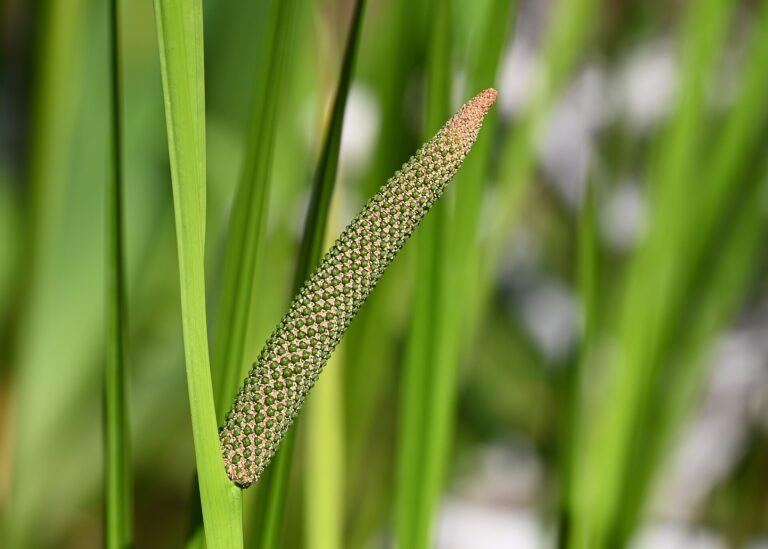
Sweet flag is an aromatic marsh plant with a long history in Ayurveda, Chinese medicine and Indigenous North American medicine. It's also one of the few herbs banned from food in the US, because its oil contains beta-asarone, which caused cancer in rodent studies.
The full guide, with how to use it and the safety notes, is in the Remedies Vault.
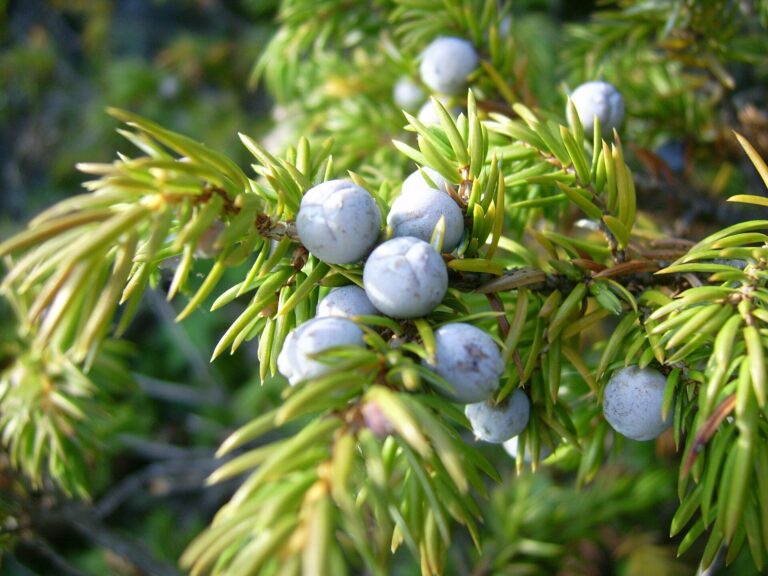
The berry that flavours gin has a long second life as a European and North American folk herb for the bladder and the belly. This profile covers how traditions use it, why the evidence is thin, and the clear limits on how long and for whom it's used.
The full guide, with how to use it and the safety notes, is in the Remedies Vault.
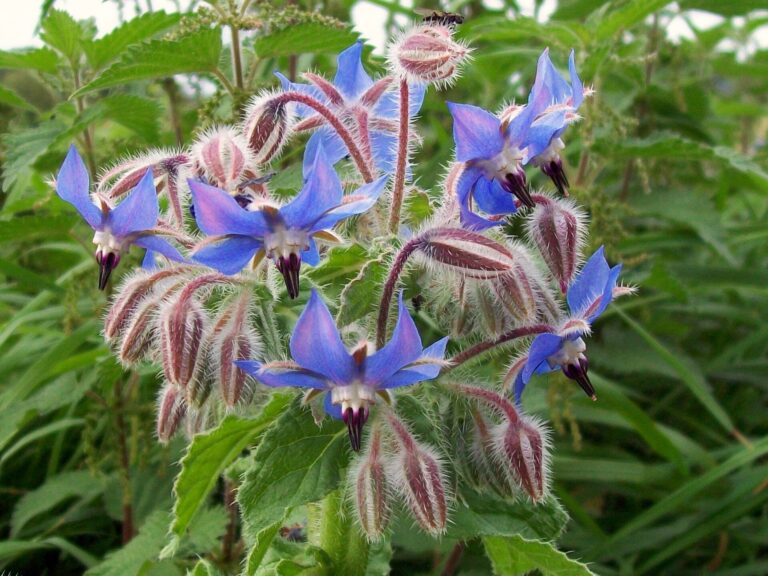
Borage is the blue "starflower" herb whose seed oil is one of the richest plant sources of GLA, an omega-6 fat. The leaf and flower carry liver-toxic alkaloids, so the vault page explains why only tested, PA-free seed oil is worth considering.
The full guide, with how to use it and the safety notes, is in the Remedies Vault.
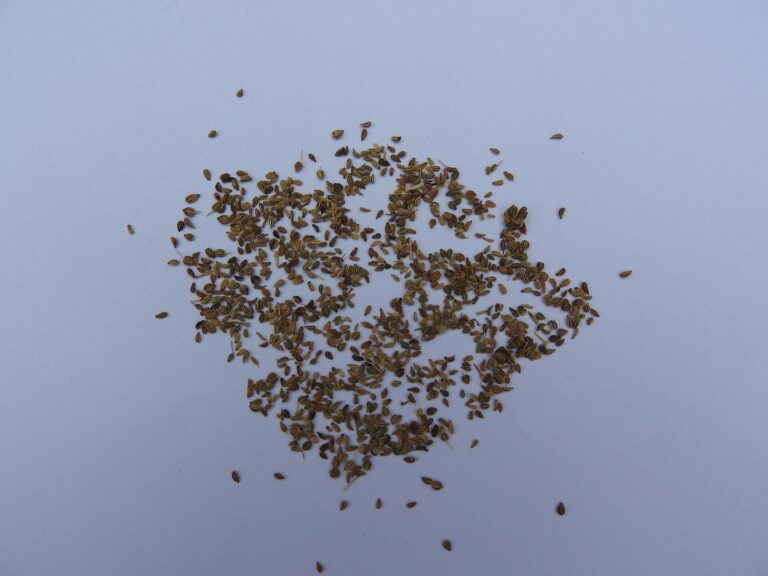
Ajwain is the tiny, thyme-scented seed that goes into Indian breads, pakoras and bean dishes, and it's one of Ayurveda's and Unani medicine's best-known kitchen remedies for wind and indigestion. Here's what those traditions use it for, what little research there is, how it's taken, and why it's a firm no in pregnancy.
The full guide, with how to use it and the safety notes, is in the Remedies Vault.
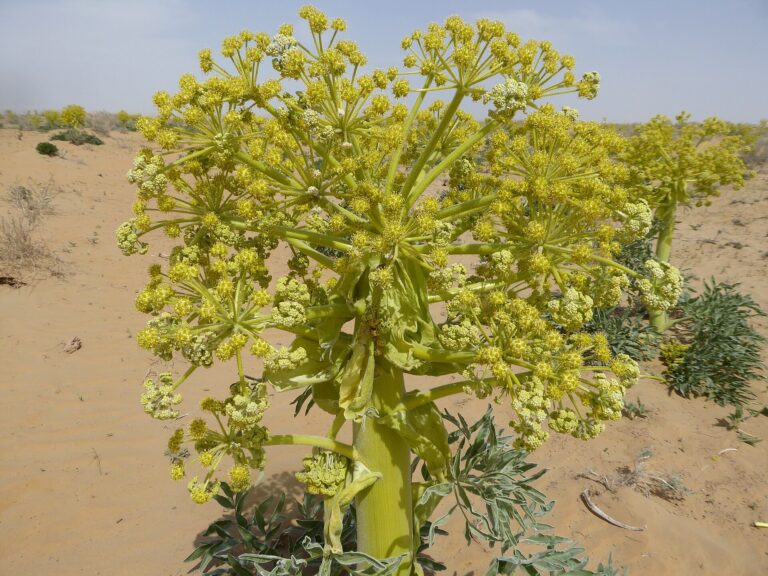
Asafoetida, or hing, is the pungent resin that Indian cooks add by the pinch to beans and lentils, and that Ayurvedic and Persian healers have long used for wind and sluggish digestion. Here's what traditions use it for, what the small trials found, and who should keep it to food amounts.
The full guide, with how to use it and the safety notes, is in the Remedies Vault.
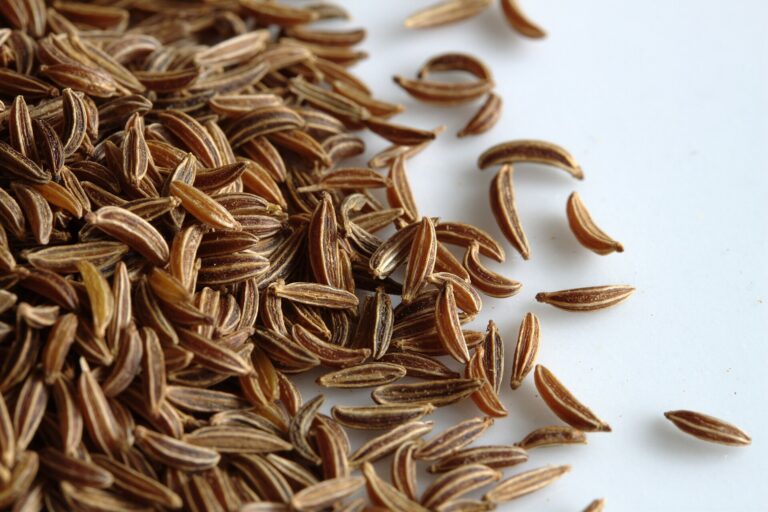
Caraway is the seed that flavours rye bread and sauerkraut, and Europe's classic after-dinner tea for wind and that over-full feeling. Here's what traditions use it for, what the studies on the caraway-plus-peppermint capsules show, how the EU says to brew it, and who should skip it.
The full guide, with how to use it and the safety notes, is in the Remedies Vault.