
Collagen
The scaffolding protein of skin, joints and bone, and one of the most popular powders in the kitchen cupboard. Here's what people take it for, what the research is finding, and how to choose a clean one.
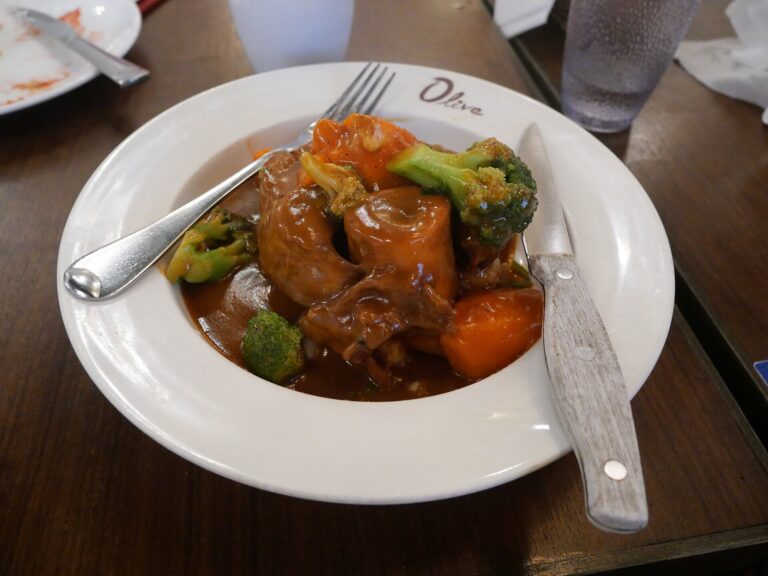
The scaffolding protein of skin, joints and bone, and one of the most popular powders in the kitchen cupboard. Here's what people take it for, what the research is finding, and how to choose a clean one.
The full guide, with how to use it and the safety notes, is in the Remedies Vault.
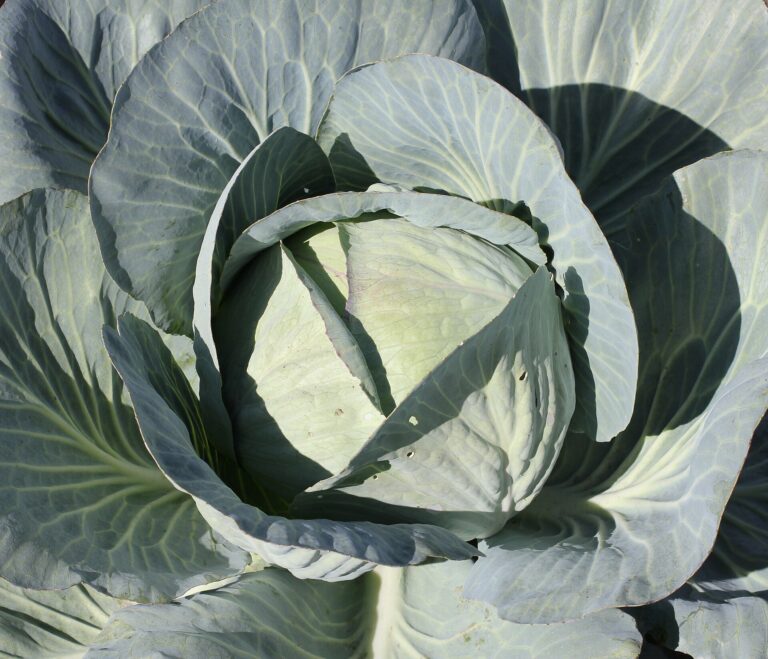
A kitchen-staple leaf that's done double duty in European folk medicine for generations: not eaten this time, but wrapped on.
The full guide, with how to use it and the safety notes, is in the Remedies Vault.
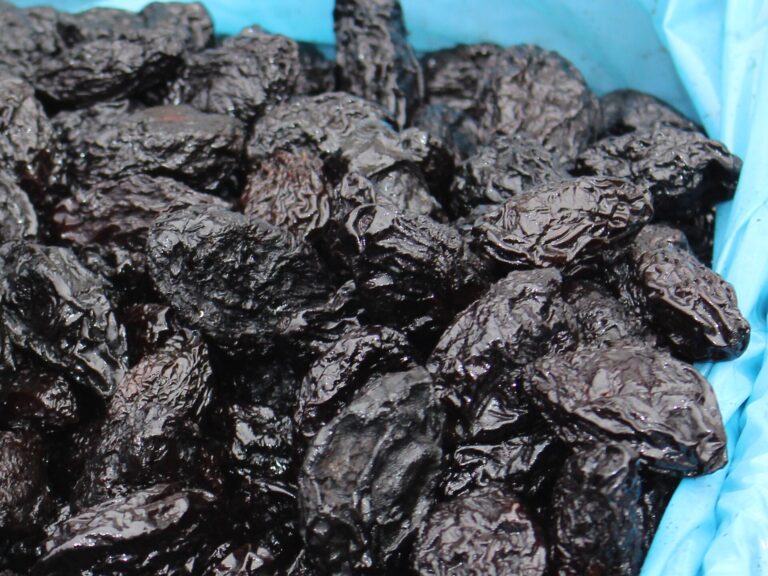
A trace mineral most people have never thought about, found in prunes, avocados and raisins, and getting a lot of attention for joints, bones and hormones. Here's what it does, how much is in food, and where the safe ceiling sits.
The full guide, with how to use it and the safety notes, is in the Remedies Vault.
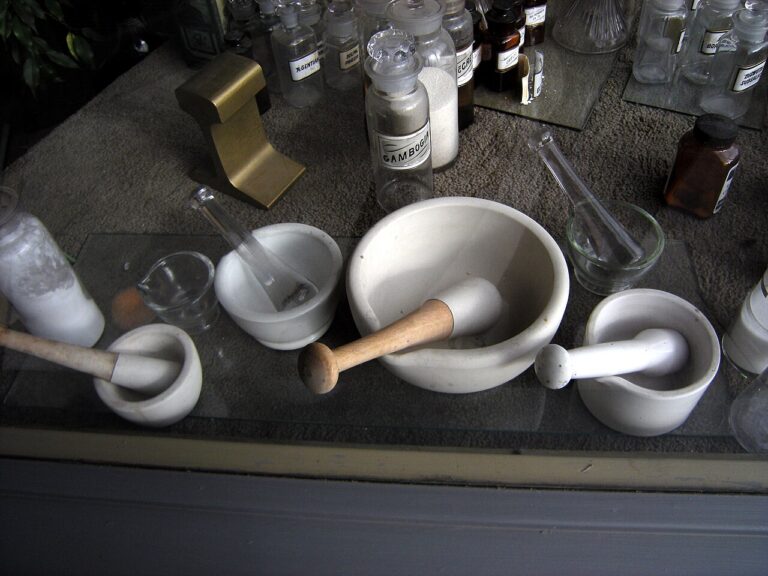
Before there were tubes of cream, there was the poultice: a warm cloth of onion, mustard, bread or clay laid where it hurt. Here's how each one has been used, what people still reach for them for, and how to use them safely.
The full guide, with how to use it and the safety notes, is in the Remedies Vault.
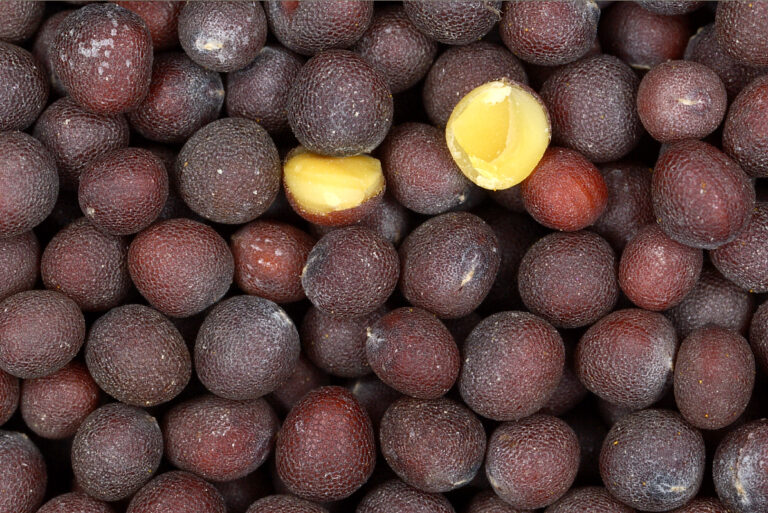
The seed in your mustard jar was once the go-to chest plaster and digestive spice. Here's how it was used, what the research says, and why mustard plasters can burn.
The full guide, with how to use it and the safety notes, is in the Remedies Vault.
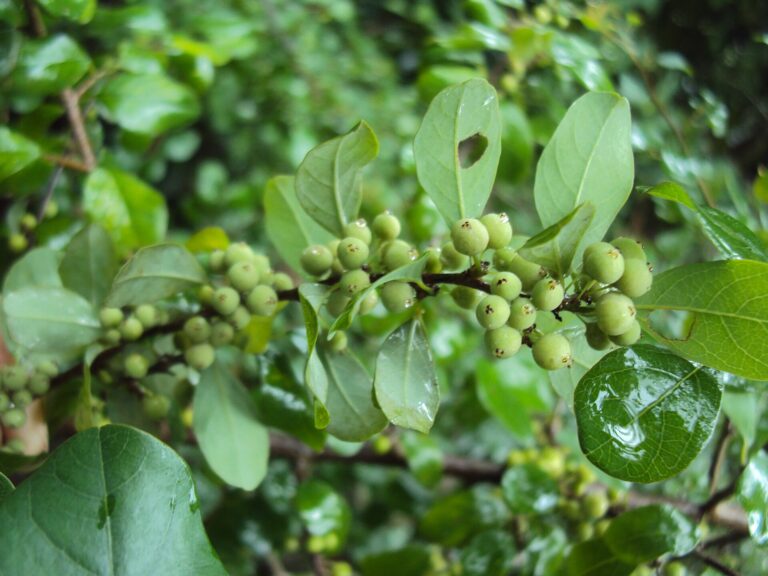
Guggul is the fragrant resin at the heart of Ayurveda's "guggulu" tablets, used for centuries for joints, weight and skin. Here's what the tradition uses it for, why a well-known US trial surprised everyone, and the rash, thyroid and medicine cautions to know first. The tree is also critically endangered, so where it comes from matters.
The full guide, with how to use it and the safety notes, is in the Remedies Vault.
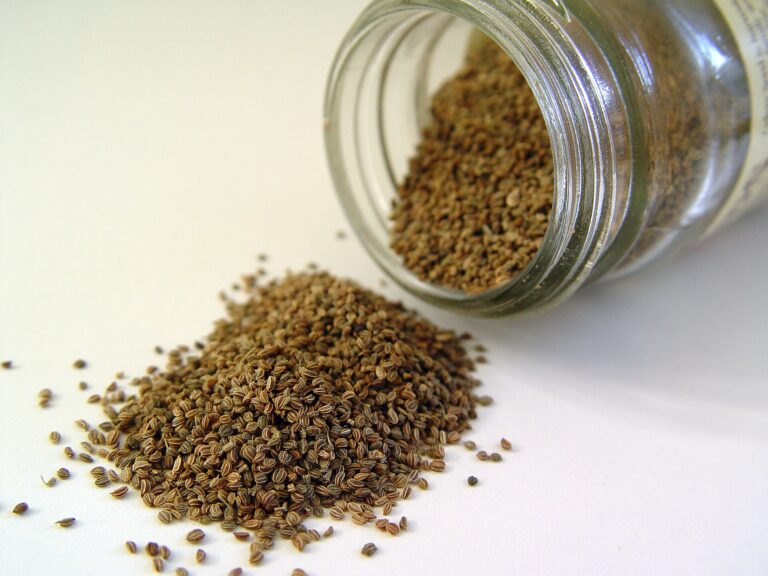
The tiny seeds of the celery plant were an old European and Middle Eastern remedy for gout, sore joints and sluggish kidneys, and a celery seed extract has now had a small blood-pressure trial. This profile covers what's known, and why celery allergy and pregnancy are the big cautions.
The full guide, with how to use it and the safety notes, is in the Remedies Vault.
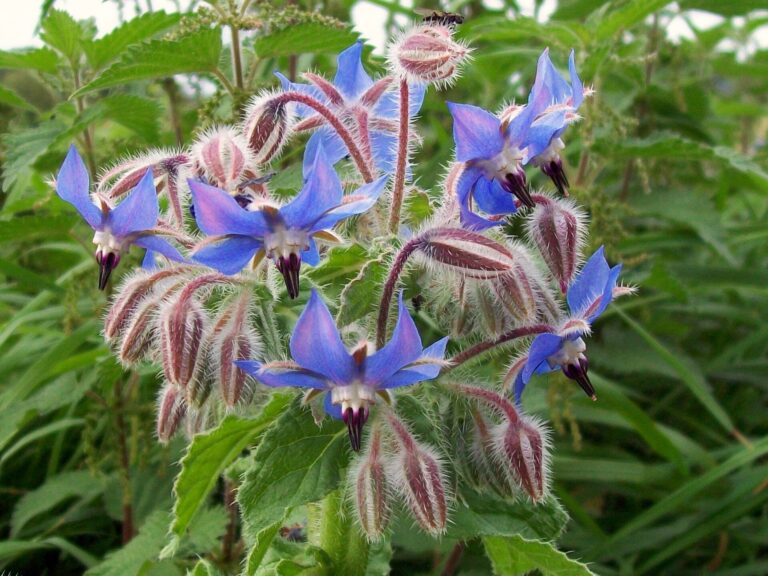
Borage is the blue "starflower" herb whose seed oil is one of the richest plant sources of GLA, an omega-6 fat. The leaf and flower carry liver-toxic alkaloids, so the vault page explains why only tested, PA-free seed oil is worth considering.
The full guide, with how to use it and the safety notes, is in the Remedies Vault.
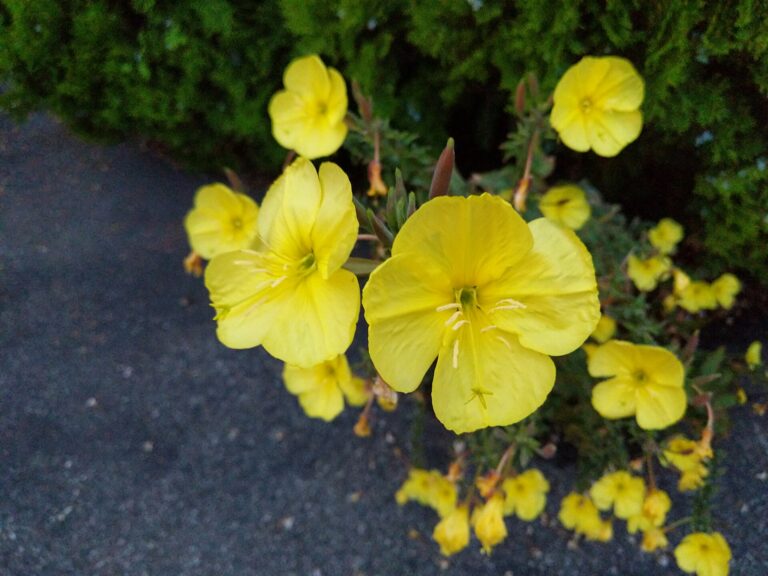
Evening primrose is a tall North American wildflower whose yellow blooms open at dusk. Indigenous peoples ate its roots and greens and used it on bruises and sore skin, and today its seed oil is one of the best-known "women's" and skin supplements.
The full guide, with how to use it and the safety notes, is in the Remedies Vault.
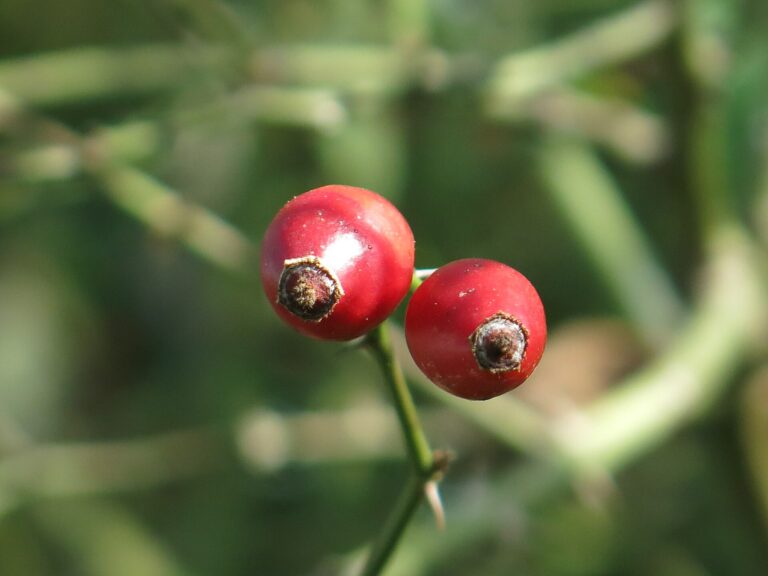
The bright red fruit left on wild roses after the petals fall has been brewed into a warming winter tea for generations, from Indigenous communities in British Columbia to European kitchens. This profile covers its traditional uses, the joint research that put rosehip powder on the map, and who should go easy on it.
The full guide, with how to use it and the safety notes, is in the Remedies Vault.