
Cat’s Claw
A thorny vine from the Amazon rainforest, named for the curved hooks on its stems, that Peruvian peoples have boiled into a bitter bark tea for generations. Here's what tradition and research say about it, and who should be careful.
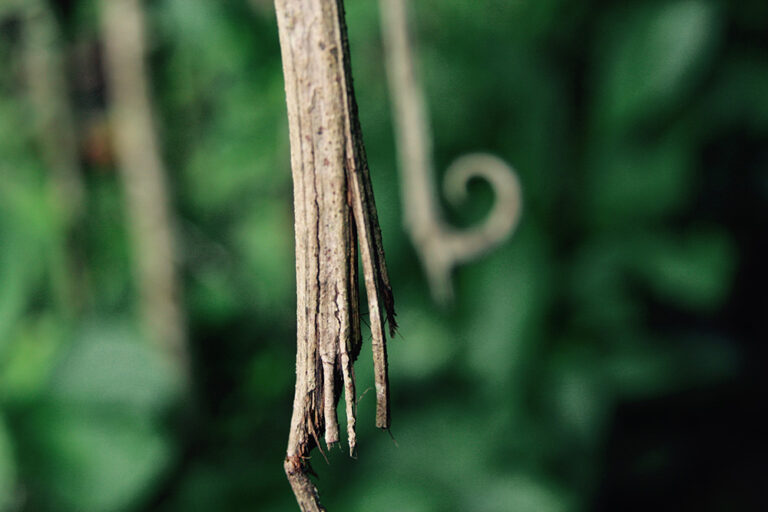
A thorny vine from the Amazon rainforest, named for the curved hooks on its stems, that Peruvian peoples have boiled into a bitter bark tea for generations. Here's what tradition and research say about it, and who should be careful.
The full guide, with how to use it and the safety notes, is in the Remedies Vault.
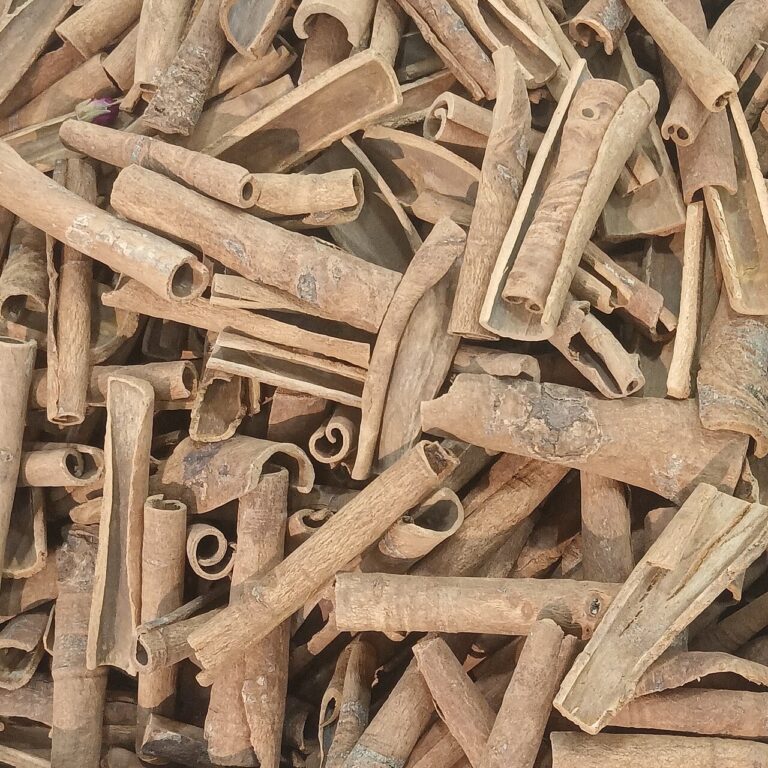
One of the oldest spices in the world, cinnamon was traded from Asia to Egypt as far back as 2000 BC. Ayurveda, Chinese medicine and Persian medicine all use it as a warming herb for digestion, circulation and the womb, and modern researchers are studying it for period pain and metabolic health.
The full guide, with how to use it and the safety notes, is in the Remedies Vault.
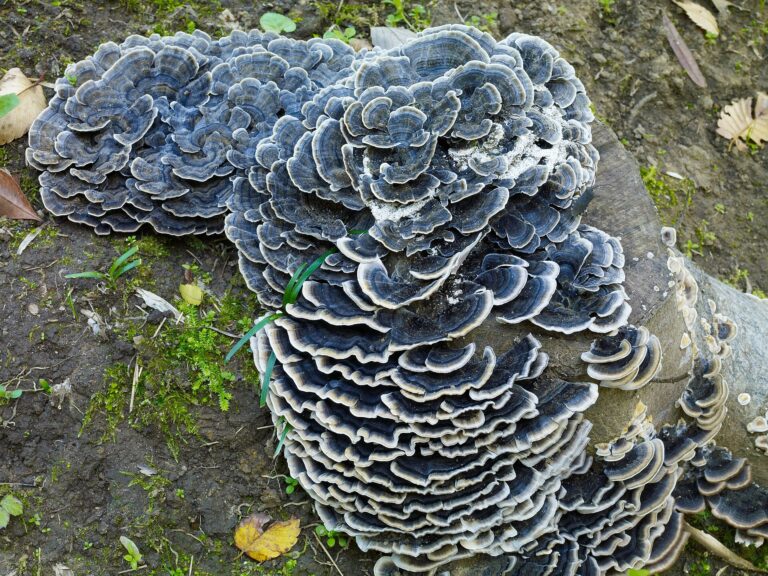
A striped, fan-shaped mushroom that grows on fallen logs across North America, Europe and Asia, turkey tail is one of the most studied medicinal mushrooms in the world. It has a long history in Chinese and Japanese medicine as an immune tonic, and its extracts are used in hospitals in Japan and China.
The full guide, with how to use it and the safety notes, is in the Remedies Vault.
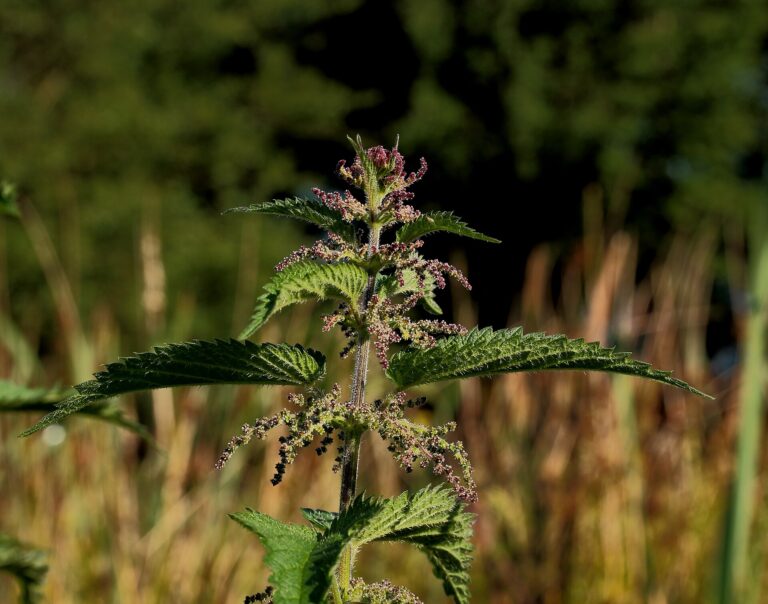
Nettle stings on the trail, but it has been a spring food, a joint remedy, a fibre plant and a "strengthening and cleansing" tea for peoples across Europe, North Africa and North America. Here's how tradition uses the leaf and the root, what the research shows for joints, the prostate and urination, and who should skip it.
The full guide, with how to use it and the safety notes, is in the Remedies Vault.
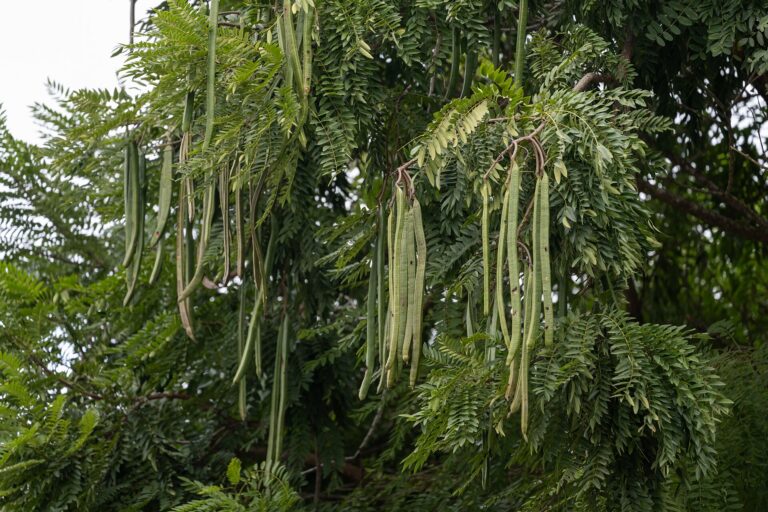
Called the "miracle tree" across Asia and Africa, moringa is both a food and a traditional medicine, and its leaves are packed with plant nutrients. Here's what tradition uses it for, what the studies show, and who should be careful with it.
The full guide, with how to use it and the safety notes, is in the Remedies Vault.
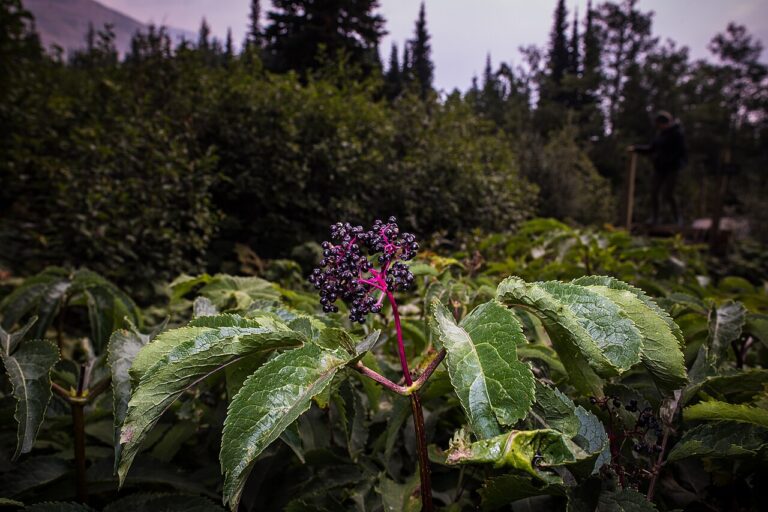
A dark purple berry that European households have cooked into syrups for generations at the first sign of a cold. Today it's one of the most popular herbal supports for the cold and flu season.
The full guide, with how to use it and the safety notes, is in the Remedies Vault.
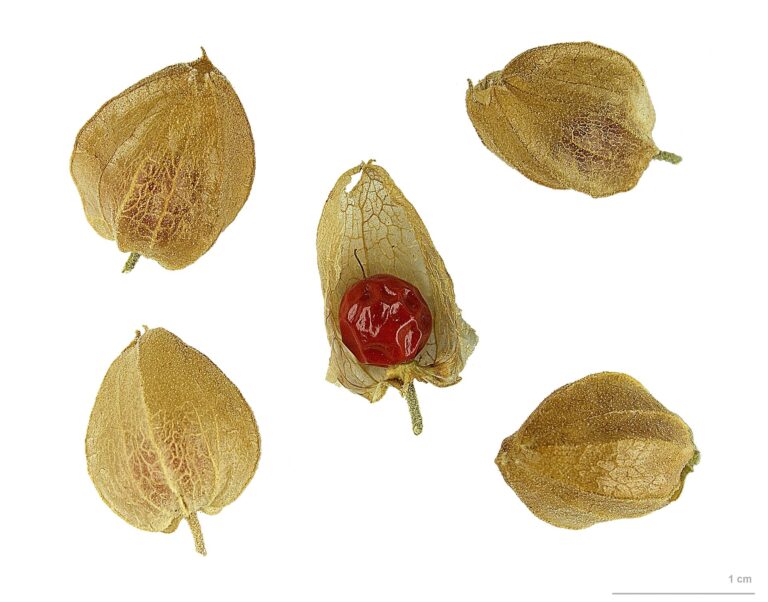
One of Ayurveda's most prized rejuvenating roots, taken for centuries to build strength and help the body cope with stress. Members use it today for calm, sleep, energy and everyday resilience.
The full guide, with how to use it and the safety notes, is in the Remedies Vault.
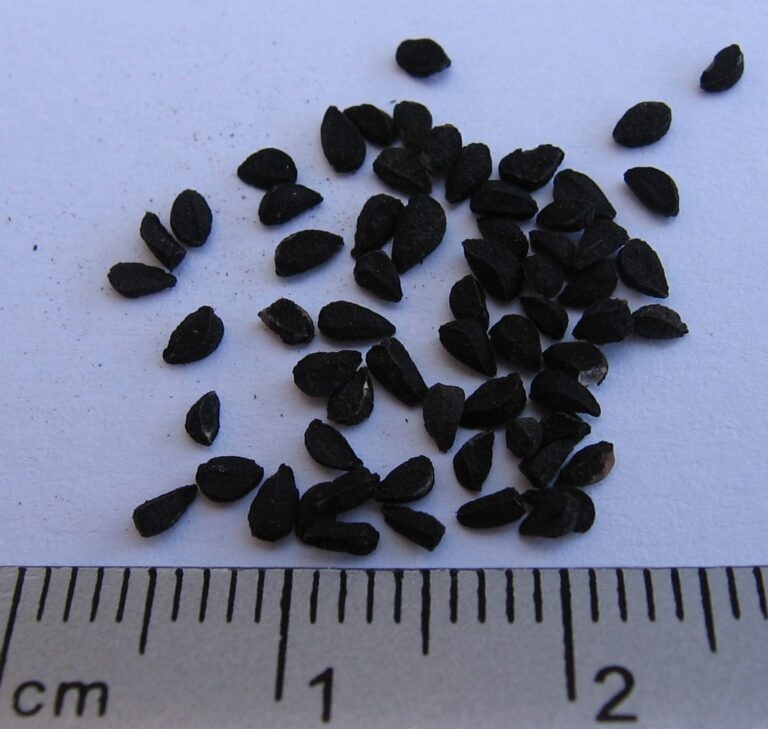
A small black seed that has been a kitchen spice and a household remedy across the Middle East, North Africa and South Asia for centuries. Members use the seeds and cold-pressed oil for digestion, breathing, skin and everyday wellness.
The full guide, with how to use it and the safety notes, is in the Remedies Vault.
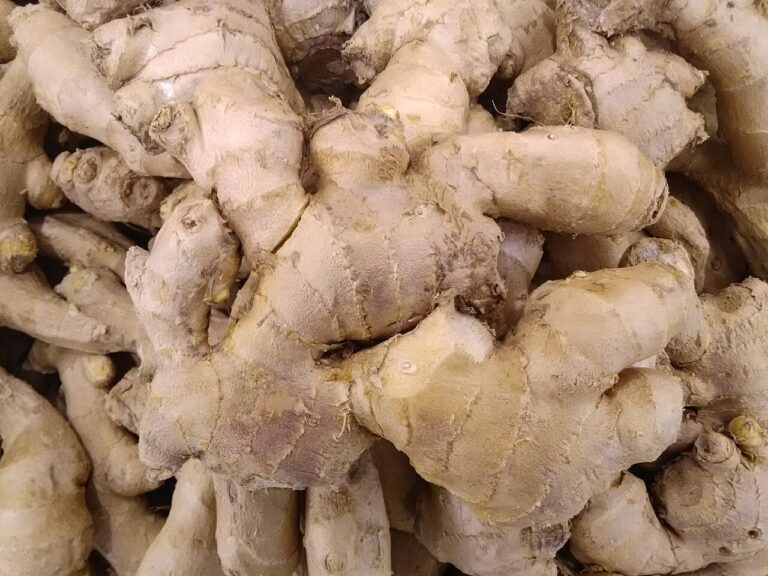
Ayurveda calls dried ginger "the great medicine" and Chinese medicine calls fresh ginger its most important herb for nausea. Here's how each tradition uses it, what the trials found for nausea, period pain and sore joints, and which medicines to check before taking it as a supplement.
The full guide, with how to use it and the safety notes, is in the Remedies Vault.
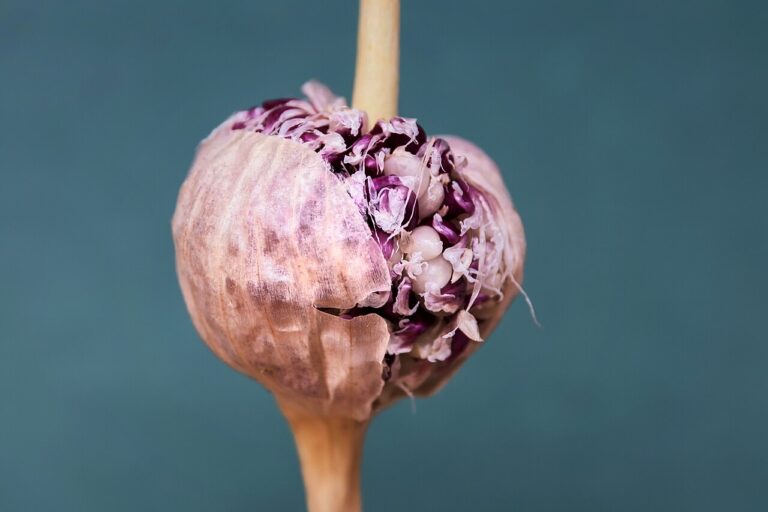
Garlic fed the pyramid builders, went into Hippocrates' remedies and is still one of the most used herbs in Ayurveda and Chinese medicine. Here's how each tradition uses it, what the bigger modern studies found for blood pressure, cholesterol and colds, and the medicine interactions that come with the supplements.
The full guide, with how to use it and the safety notes, is in the Remedies Vault.