
Vitamin E
The antioxidant vitamin in nuts, seeds and plant oils — and in the AREDS eye formula. How much people need, the food sources, what the big heart and eye trials found, and where high doses get risky.
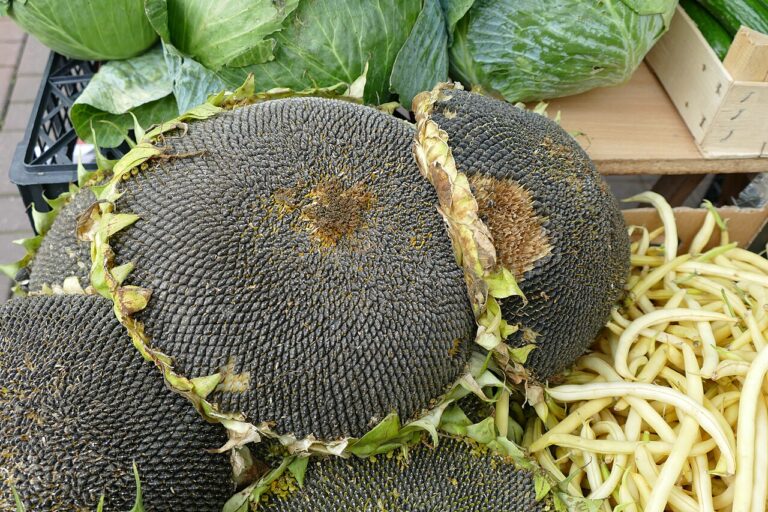
The antioxidant vitamin in nuts, seeds and plant oils — and in the AREDS eye formula. How much people need, the food sources, what the big heart and eye trials found, and where high doses get risky.
The full guide, with how to use it and the safety notes, is in the Remedies Vault.
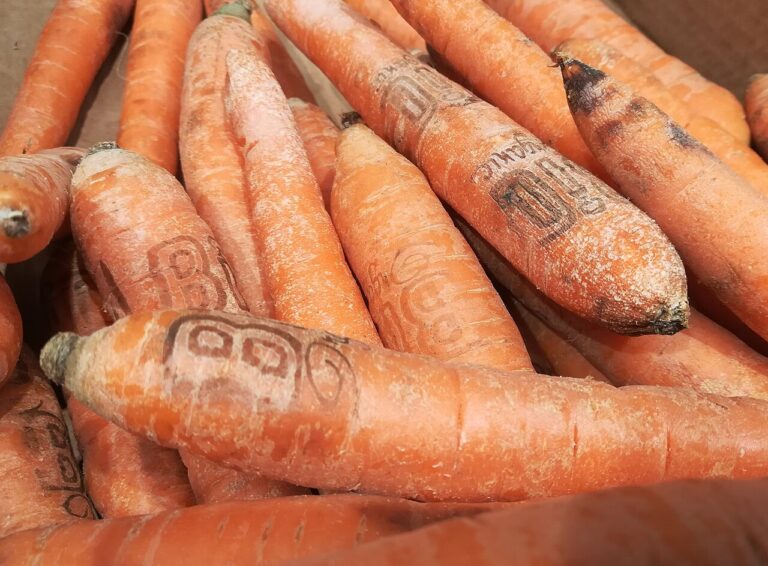
The vitamin behind night vision, healthy skin and a strong immune system — found in liver, carrots and sweet potatoes. Here's who runs low, what people take it for, and why more isn't better.
The full guide, with how to use it and the safety notes, is in the Remedies Vault.
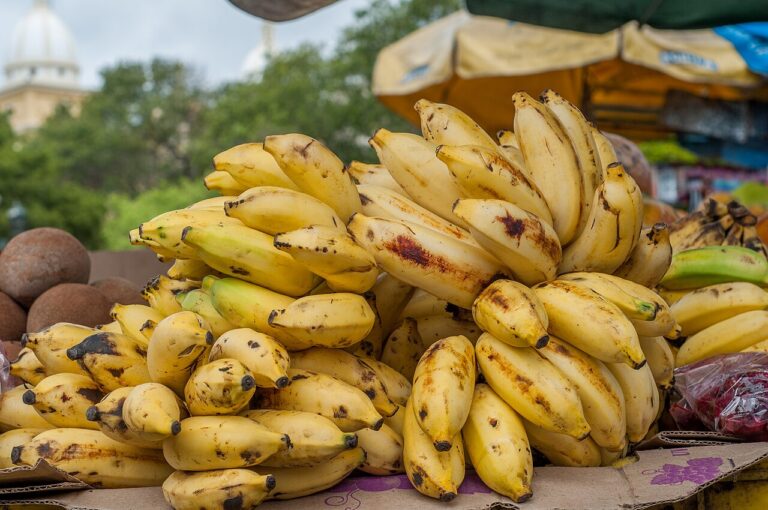
Potassium is the mineral most of us eat too little of — and the one behind the electrolyte drinks, powders and salt substitutes on every shelf. Here's what it does, who runs low, the foods richest in it, and why the supplement aisle caps it at 99 mg.
The full guide, with how to use it and the safety notes, is in the Remedies Vault.
Iodine is the mineral your thyroid builds its hormones from, and pregnancy and breastfeeding raise the need more than almost any other nutrient. Members can read who runs low, where it comes from, and why more isn't always better.
The full guide, with how to use it and the safety notes, is in the Remedies Vault.
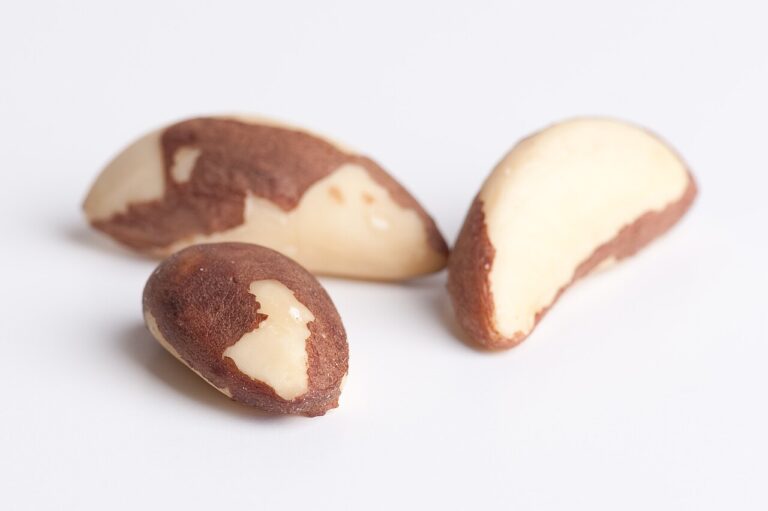
A trace mineral your thyroid and antioxidant enzymes depend on, where a little goes a long way and too much causes real harm. Here's who may need it, the best food sources, and the safe upper limit.
The full guide, with how to use it and the safety notes, is in the Remedies Vault.
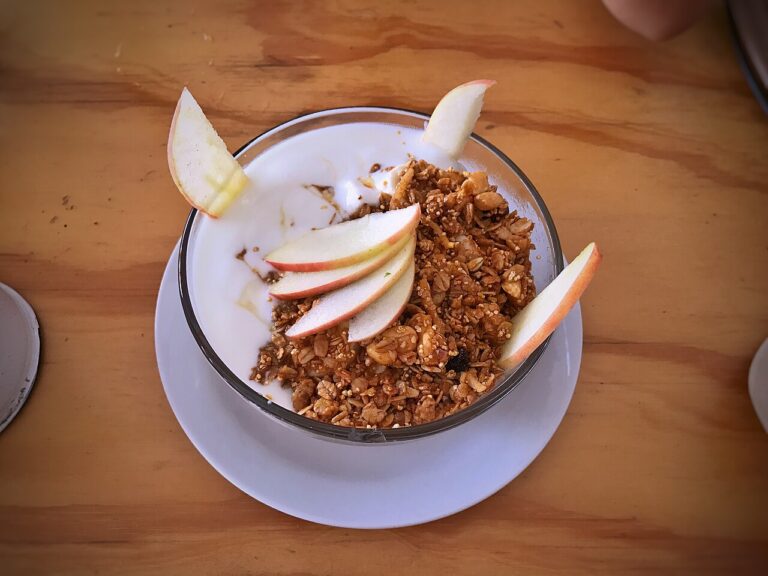
Calcium is the main mineral in bones and teeth, and most people can get enough from food. Here's who may need a supplement, which form to pick, how much is too much, and the medicines it clashes with.
The full guide, with how to use it and the safety notes, is in the Remedies Vault.
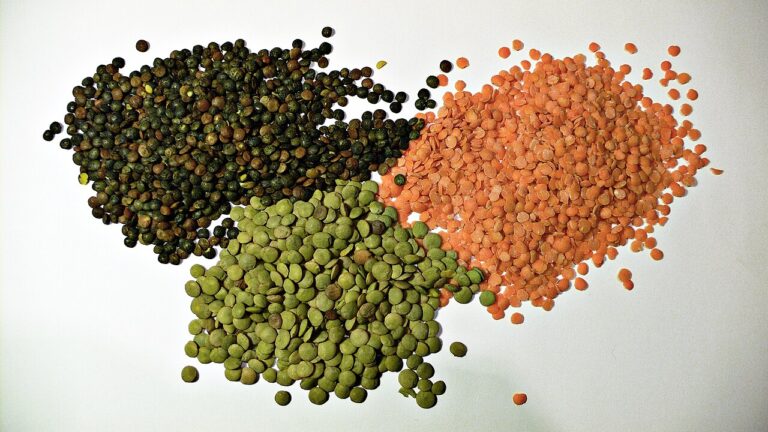
Iron carries oxygen in every red blood cell, and running low is one of the most common nutrient gaps. Here's who needs a supplement, why low iron always needs a reason, which forms are gentler, and why iron belongs locked away from children.
The full guide, with how to use it and the safety notes, is in the Remedies Vault.
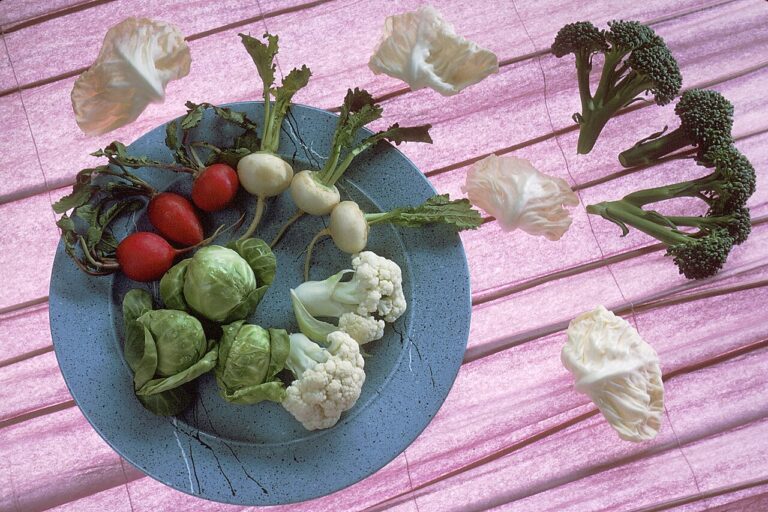
Broccoli, cabbage, kale and their cousins break down into compounds that change how the liver handles estrogen, and DIM and I3C capsules sell that effect as "estrogen detox". Here's what the vegetables and the capsules can and can't do, and the medicine cautions that come with the concentrated forms.
The full guide, with how to use it and the safety notes, is in the Remedies Vault.
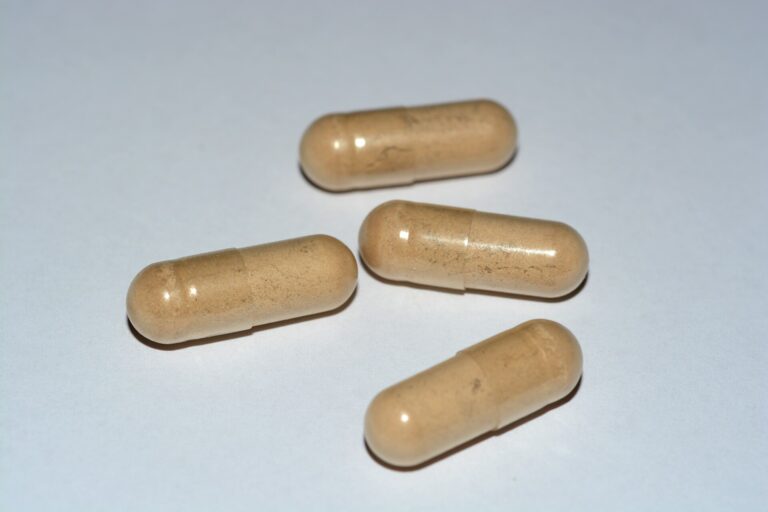
TUDCA and ox bile are bile-acid supplements sold for "liver detox", bile flow and fat digestion, especially after gallbladder removal. Here's what the research on the related drug ursodiol shows, what's missing for supplements, and who must get checked first.
The full guide, with how to use it and the safety notes, is in the Remedies Vault.
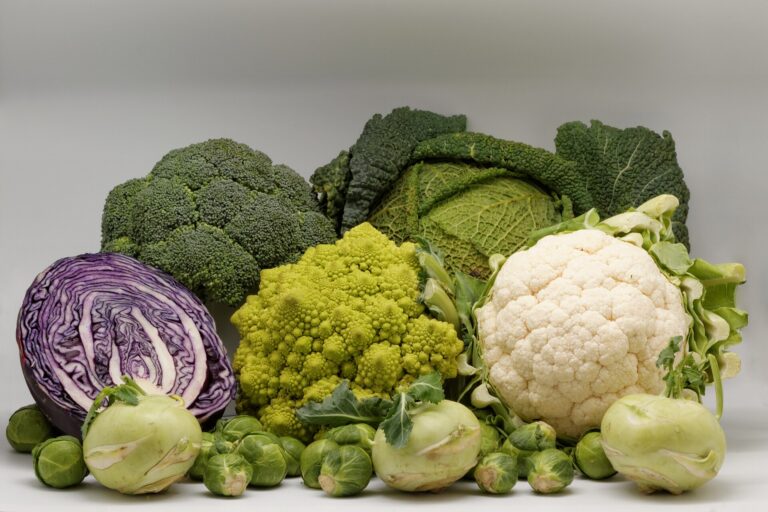
Calcium-D-glucarate is a staple of "estrogen detox" and liver formulas. Here is the beta-glucuronidase idea behind it, what lab, animal and the one small human study show, typical label amounts, and why it may make some medicines and hormones work less well.
The full guide, with how to use it and the safety notes, is in the Remedies Vault.