
Steam Inhalation
Breathing warm, moist air over a bowl of hot water is a family remedy for stuffy noses and sinus trouble. Here's what the trials show, how people do it, and why burns units warn against bowl steaming with children.
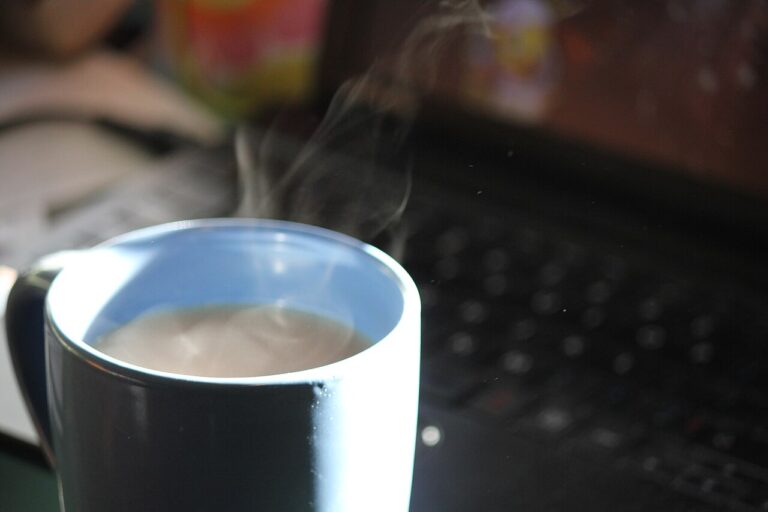
Breathing warm, moist air over a bowl of hot water is a family remedy for stuffy noses and sinus trouble. Here's what the trials show, how people do it, and why burns units warn against bowl steaming with children.
The full guide, with how to use it and the safety notes, is in the Remedies Vault.
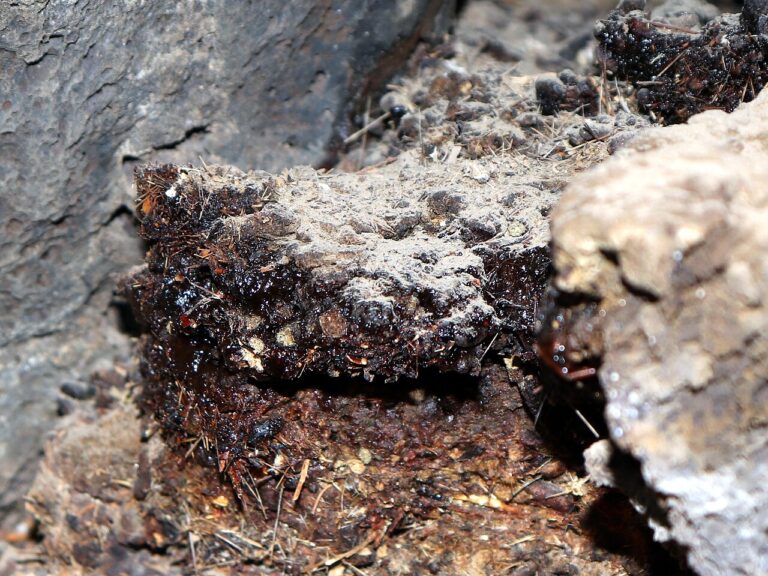
A dark mountain resin that Ayurveda has treated as a prized rejuvenating tonic for centuries, now sold worldwide for energy and men's vitality, and one of the supplements most likely to be contaminated.
The full guide, with how to use it and the safety notes, is in the Remedies Vault.
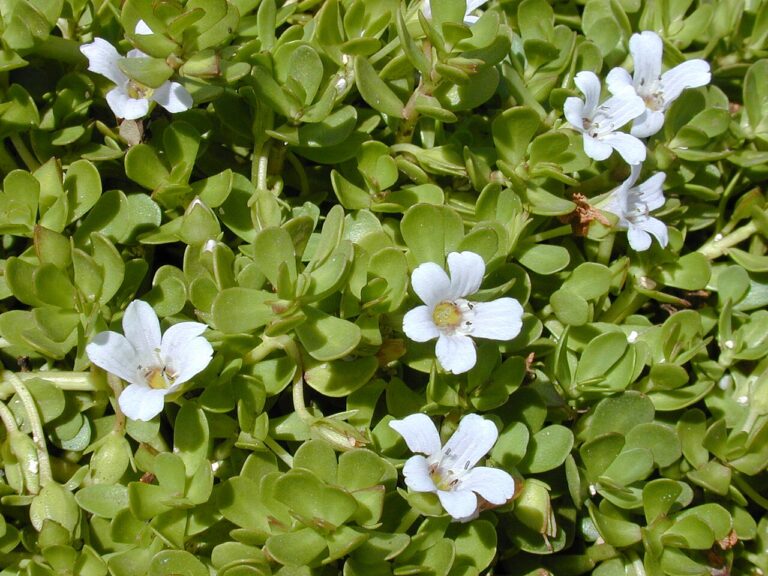
Bacopa is the creeping wetland herb Ayurveda has prized for centuries as a "medhya" tonic for memory and the mind, and one of the most-studied memory herbs today. Members get the full profile: every traditional use, what the trials really showed, the official amounts, and the side effects and drug interactions to know first.
The full guide, with how to use it and the safety notes, is in the Remedies Vault.
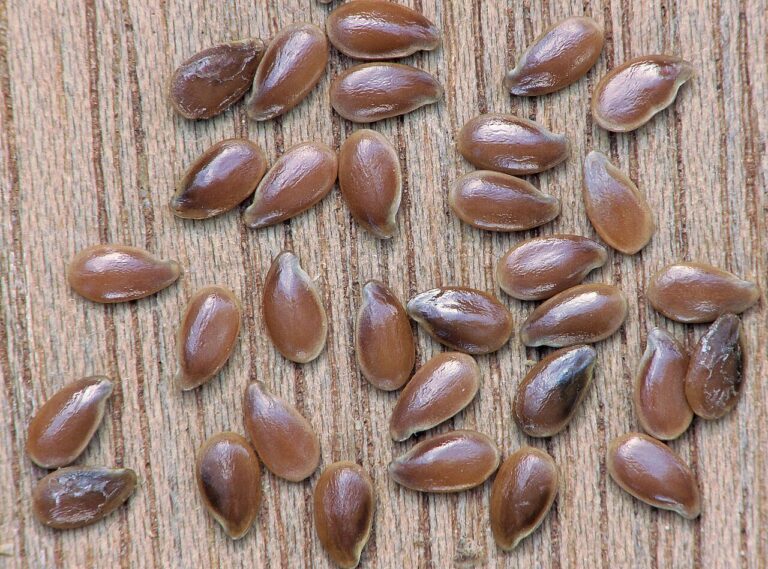
The small brown or golden seed behind linseed tea, old-fashioned linseed poultices and today's breakfast sprinkle. Flax has been a food, fibre and folk remedy for thousands of years and is now one of the better-studied seeds for the bowels and blood pressure.
The full guide, with how to use it and the safety notes, is in the Remedies Vault.
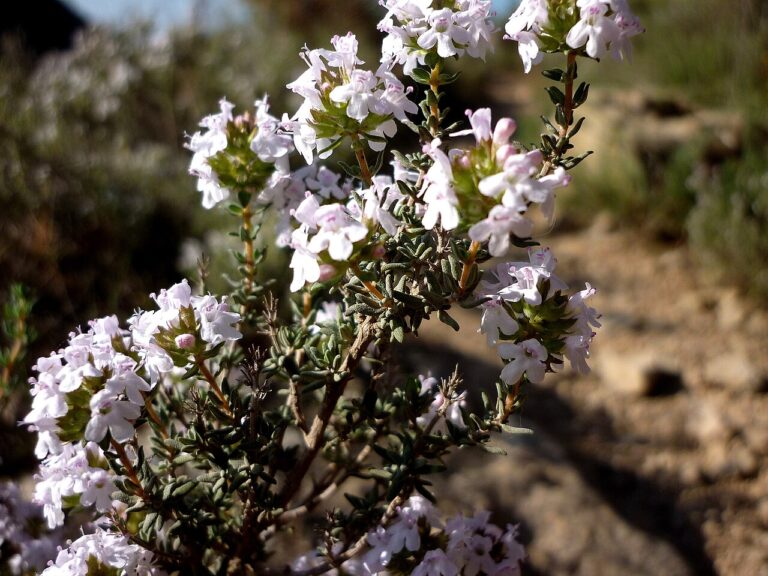
The kitchen herb behind many old-fashioned cough syrups and mouthwashes. Thyme has been used for chesty coughs, sore throats and digestion since ancient Greece, and it's still an approved traditional cough remedy in Europe.
The full guide, with how to use it and the safety notes, is in the Remedies Vault.
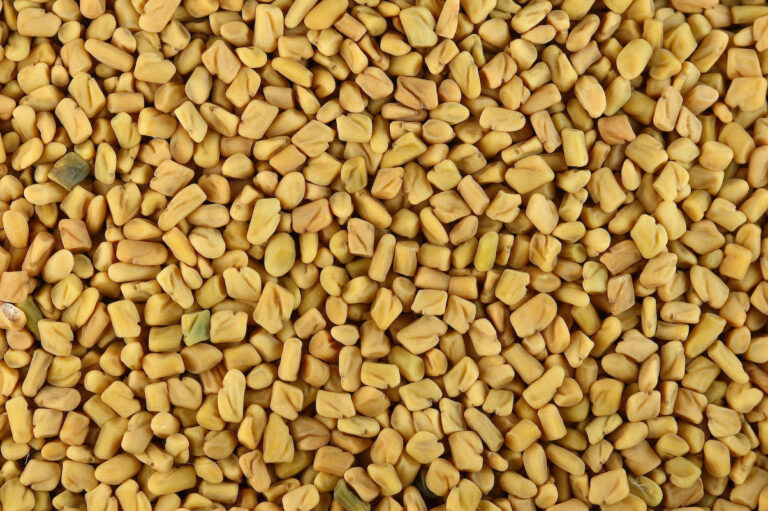
A small golden seed that has flavoured curries and fed nursing mothers for thousands of years, from ancient Egypt to India. Its maple-syrup aroma is the same one that famously lingers on the skin of people who take it.
The full guide, with how to use it and the safety notes, is in the Remedies Vault.
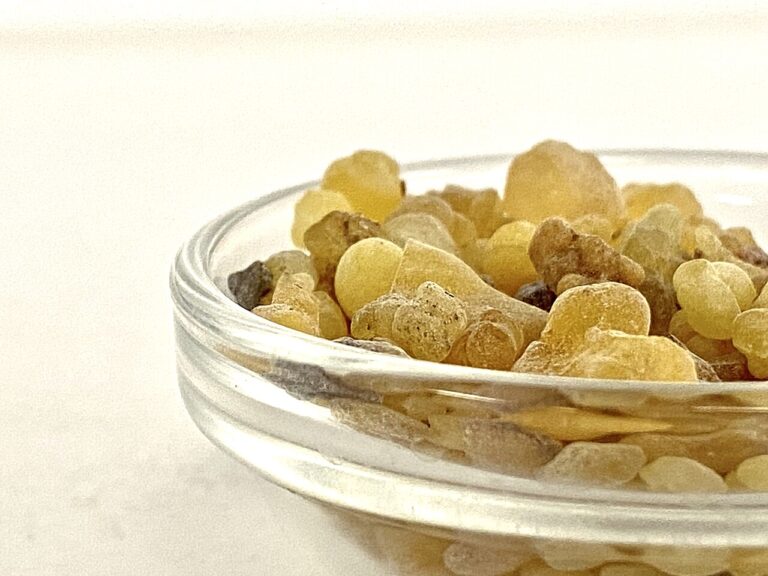
The fragrant resin of the frankincense tree, burned in temples for thousands of years and used in Ayurveda for stiff, aching joints. Today it's one of the most-studied herbs for joint comfort.
The full guide, with how to use it and the safety notes, is in the Remedies Vault.
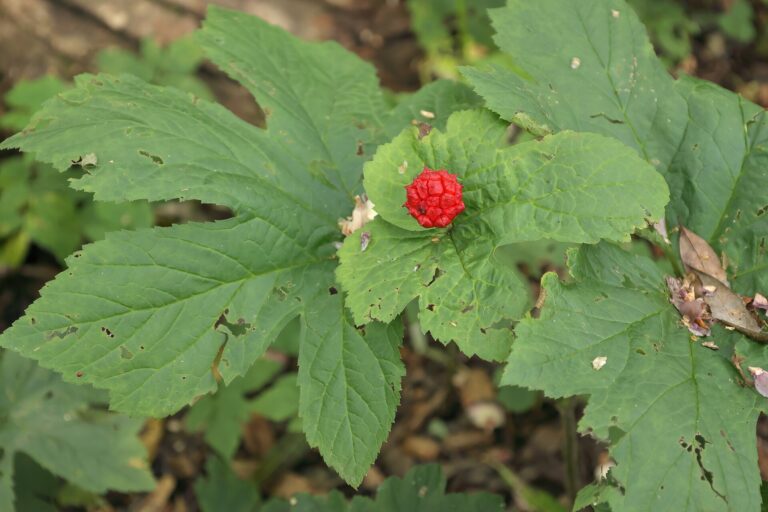
A small woodland plant of eastern North America with a bright-yellow root, used by Cherokee, Iroquois and other Indigenous nations for sore eyes, wounds and as a yellow dye. It became one of the best-known remedies of 19th-century herbal medicine, and is now so heavily harvested that it's a protected, at-risk species, so where it comes from matters.
The full guide, with how to use it and the safety notes, is in the Remedies Vault.

Colloidal silver is one of the most talked-about "natural antibiotics" online. Before you buy it, read why health regulators in Canada and the US warn against taking it, and what silver's real history in medicine looks like.
The full guide, with how to use it and the safety notes, is in the Remedies Vault.
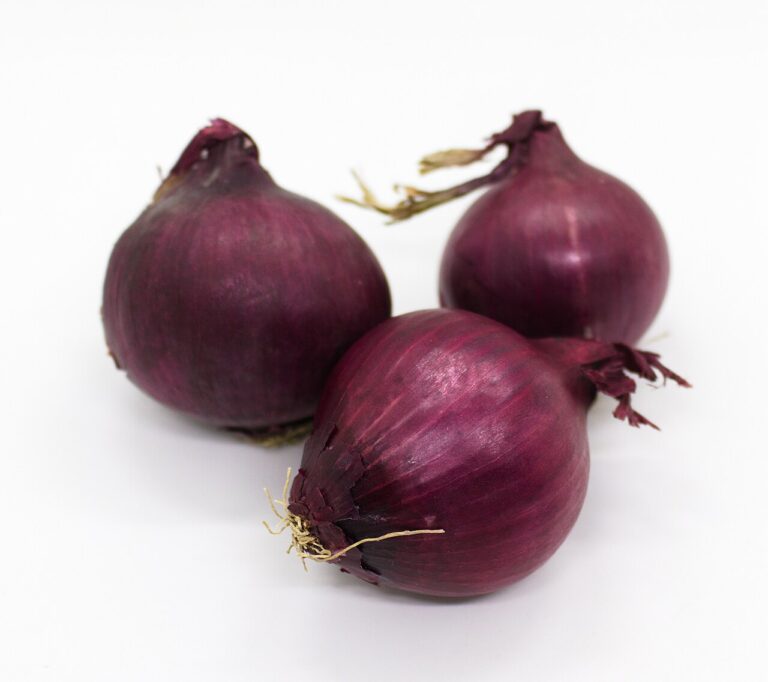
Quercetin is the most common flavonoid in the human diet, the yellow pigment behind onion skins and apple peels. Here's how naturopaths use it, the traditional herbs that are rich in it, and what the research shows.
The full guide, with how to use it and the safety notes, is in the Remedies Vault.