
Zinc
Zinc is a trace mineral your body uses in hundreds of enzymes, from immune cells to skin repair. Here's how traditional medicine and naturopaths use it, what the research shows, and why more isn't better.
Zinc is a trace mineral your body uses in hundreds of enzymes, from immune cells to skin repair. Here's how traditional medicine and naturopaths use it, what the research shows, and why more isn't better.
The full guide, with how to use it and the safety notes, is in the Remedies Vault.
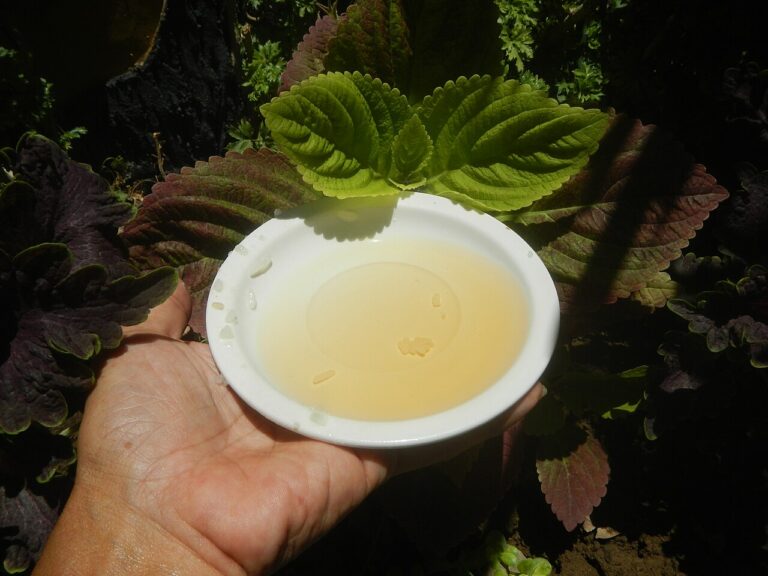
People have used vinegar as a kitchen remedy for thousands of years, from Hippocrates' wound care to the honey-and-vinegar tonics of Persian medicine. Here's what tradition says, what the small modern studies found, and how to take it without hurting your throat.
The full guide, with how to use it and the safety notes, is in the Remedies Vault.
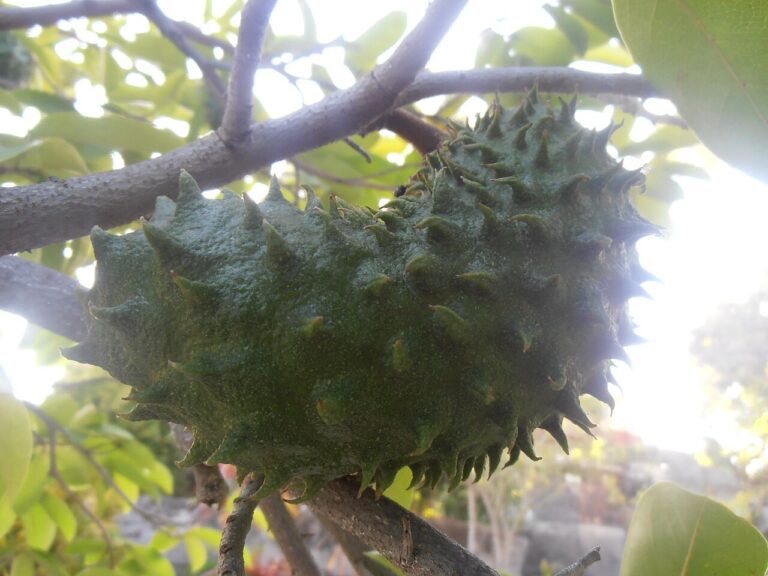
A tropical fruit tree whose leaves have been brewed as a folk tea across the Caribbean, Latin America and Africa for generations. Here's what tradition says, what the research has (and hasn't) shown, and the safety points every user should know first.
The full guide, with how to use it and the safety notes, is in the Remedies Vault.
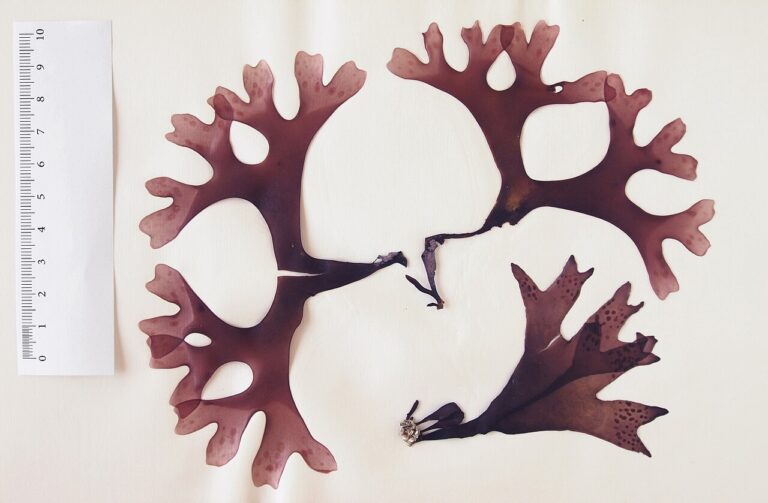
A red seaweed from rocky North Atlantic shores that Irish families boiled into a soothing drink for coughs and colds, and that Caribbean kitchens turned into a thick, spiced milk drink for strength. Today it's a popular gel and gummy sold as a mineral-rich "superfood".
The full guide, with how to use it and the safety notes, is in the Remedies Vault.
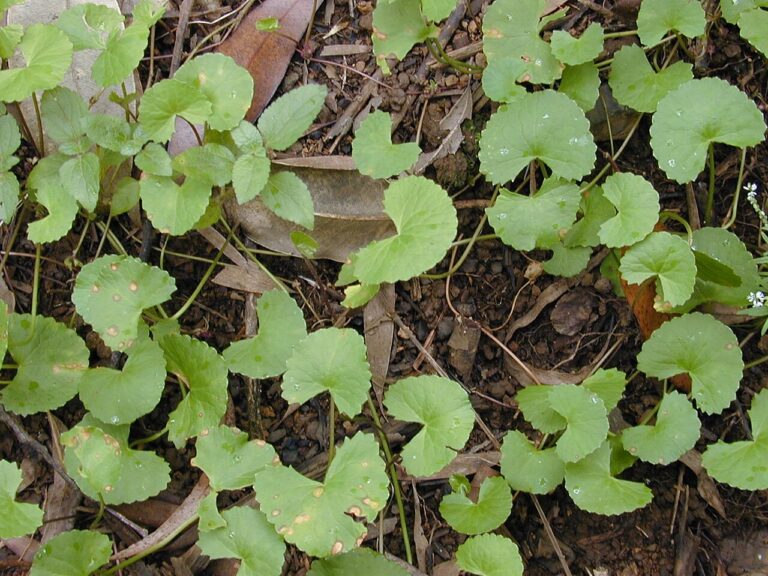
A small creeping plant from the carrot family, prized in Ayurveda as a "medhya rasayana", a tonic for the mind, and across Asia for skin, wounds and longevity. Sri Lankan tradition held that eating the leaves helped people live longer.
The full guide, with how to use it and the safety notes, is in the Remedies Vault.
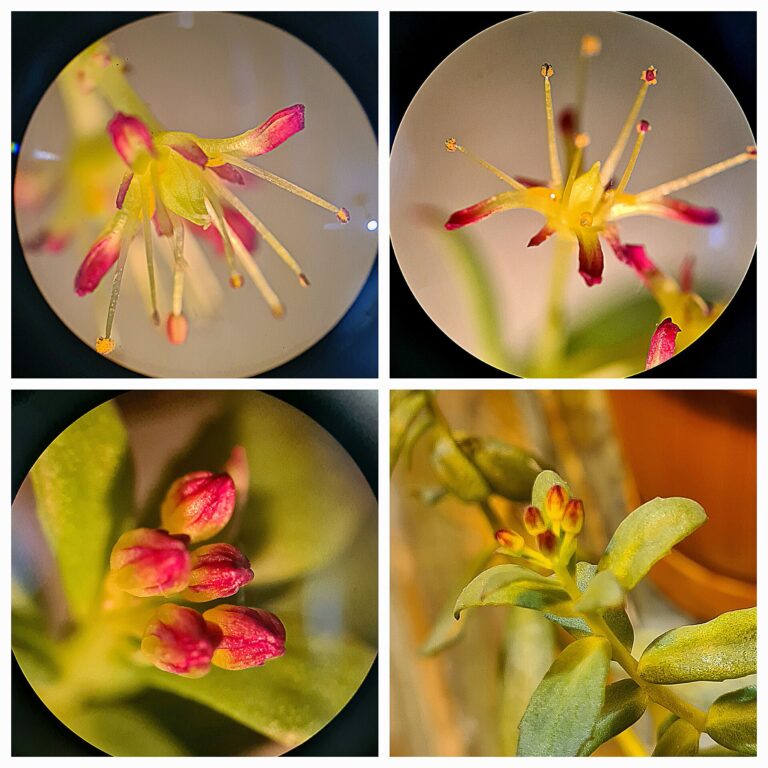
A hardy Arctic and mountain root that Scandinavian, Siberian and Russian folk medicine have long used for endurance, cold winters and recovering strength. Today it's one of the best-known "adaptogens" for everyday stress and tiredness.
The full guide, with how to use it and the safety notes, is in the Remedies Vault.
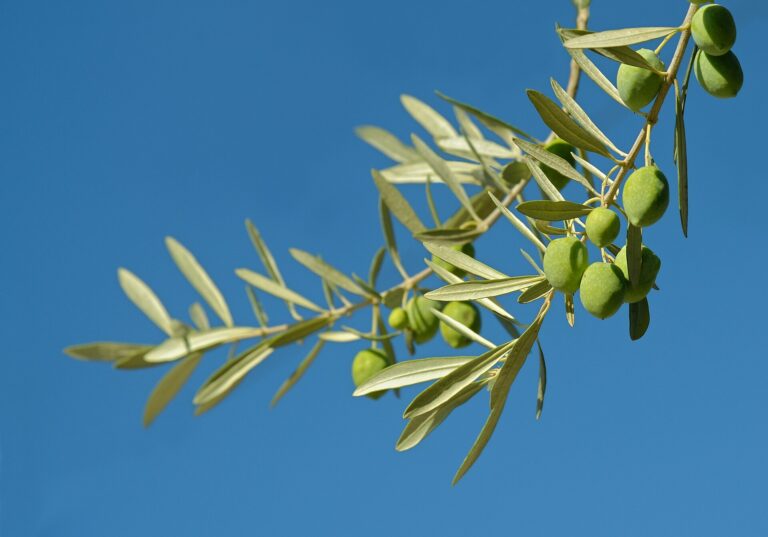
The silver-green leaves of the olive tree, one of the oldest cultivated trees on earth, have been brewed into a bitter tea around the Mediterranean for centuries. Here's what tradition and research say about them, and who should be careful.
The full guide, with how to use it and the safety notes, is in the Remedies Vault.
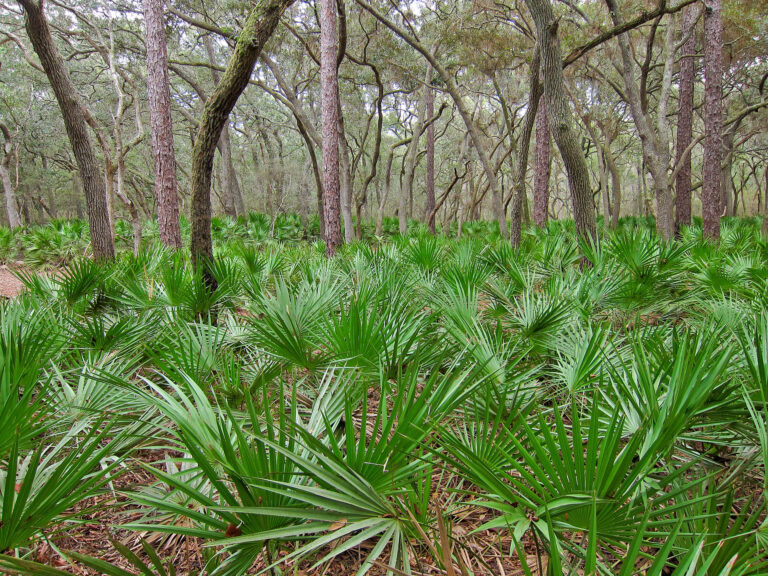
A small Florida palm whose dark berries were food for the Seminole and Ais peoples and became the best-known men's herb in Europe and North America. Here's what tradition and research say about it, and who should be careful.
The full guide, with how to use it and the safety notes, is in the Remedies Vault.
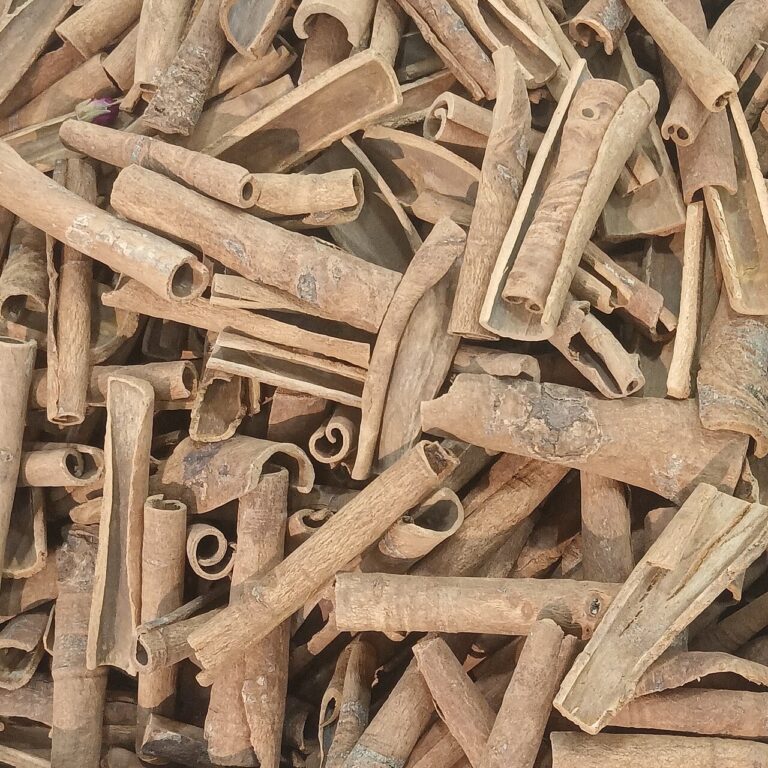
One of the oldest spices in the world, cinnamon was traded from Asia to Egypt as far back as 2000 BC. Ayurveda, Chinese medicine and Persian medicine all use it as a warming herb for digestion, circulation and the womb, and modern researchers are studying it for period pain and metabolic health.
The full guide, with how to use it and the safety notes, is in the Remedies Vault.
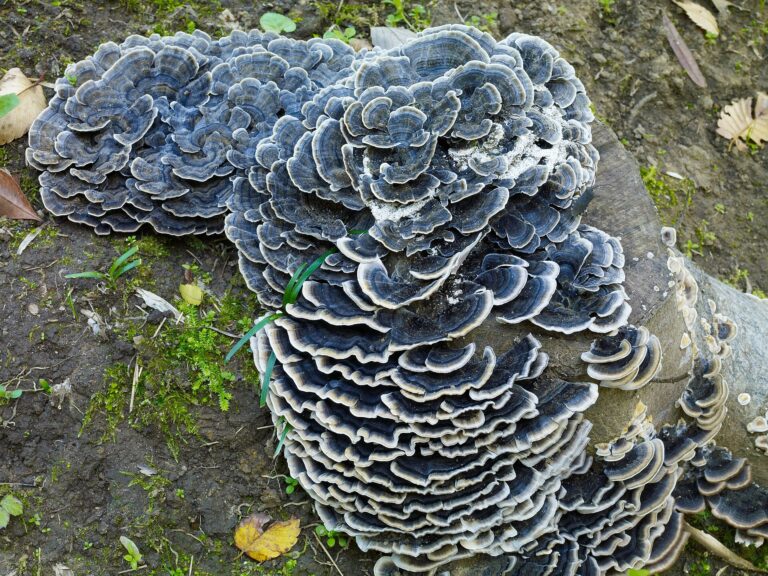
A striped, fan-shaped mushroom that grows on fallen logs across North America, Europe and Asia, turkey tail is one of the most studied medicinal mushrooms in the world. It has a long history in Chinese and Japanese medicine as an immune tonic, and its extracts are used in hospitals in Japan and China.
The full guide, with how to use it and the safety notes, is in the Remedies Vault.