
Peach Kernel (Tao Ren)
Peach kernel is a classic Chinese herb for menstrual pain and constipation, but the raw seed contains amygdalin, which the body turns into cyanide. This profile explains the tradition and why it's a practitioner-only herb.
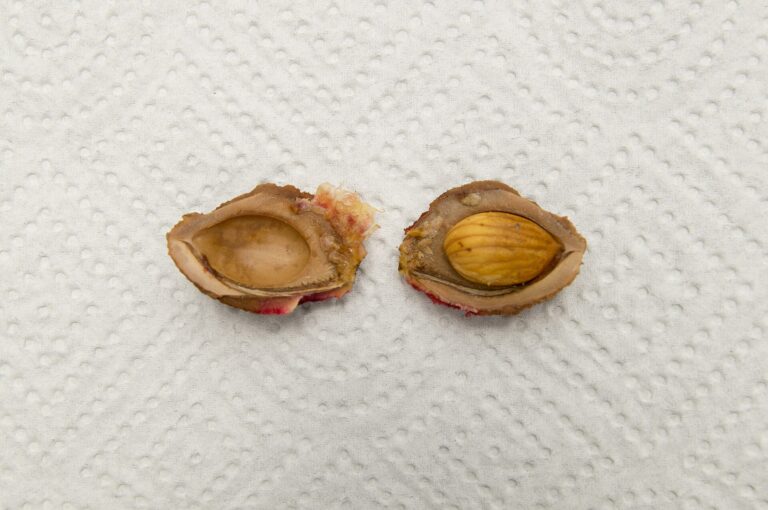
Peach kernel is a classic Chinese herb for menstrual pain and constipation, but the raw seed contains amygdalin, which the body turns into cyanide. This profile explains the tradition and why it's a practitioner-only herb.
The full guide, with how to use it and the safety notes, is in the Remedies Vault.
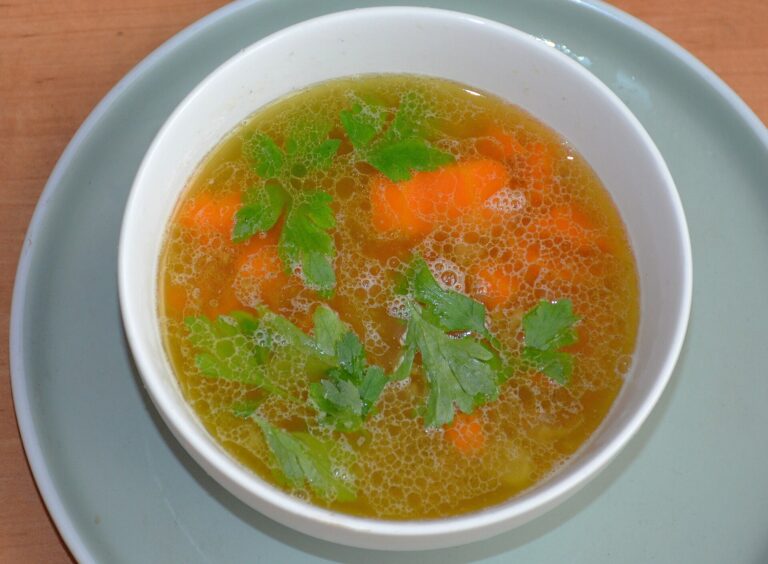
Grandmothers, Maimonides and Ayurvedic cooks all reached for long-cooked broth when someone was ill or run down. Here's what's known about bone broth today: what's really in the pot, what the research does and doesn't show, and how to make and store it safely.
The full guide, with how to use it and the safety notes, is in the Remedies Vault.
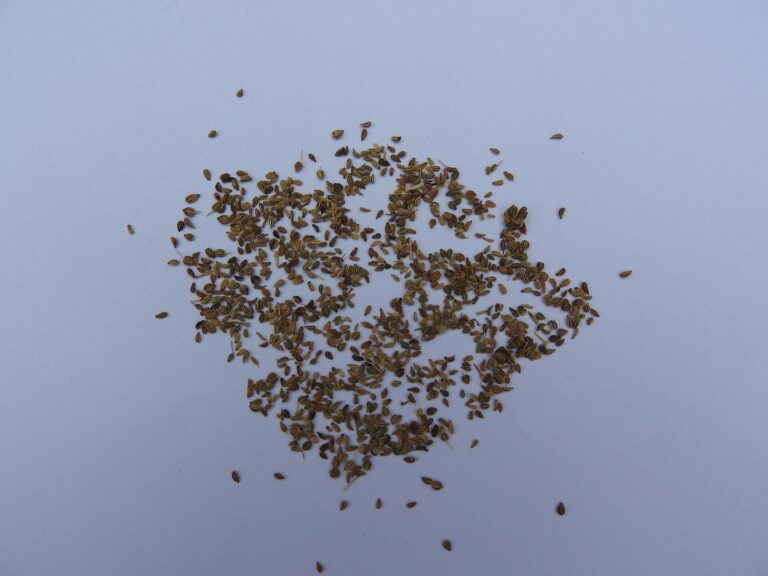
Ajwain is the tiny, thyme-scented seed that goes into Indian breads, pakoras and bean dishes, and it's one of Ayurveda's and Unani medicine's best-known kitchen remedies for wind and indigestion. Here's what those traditions use it for, what little research there is, how it's taken, and why it's a firm no in pregnancy.
The full guide, with how to use it and the safety notes, is in the Remedies Vault.
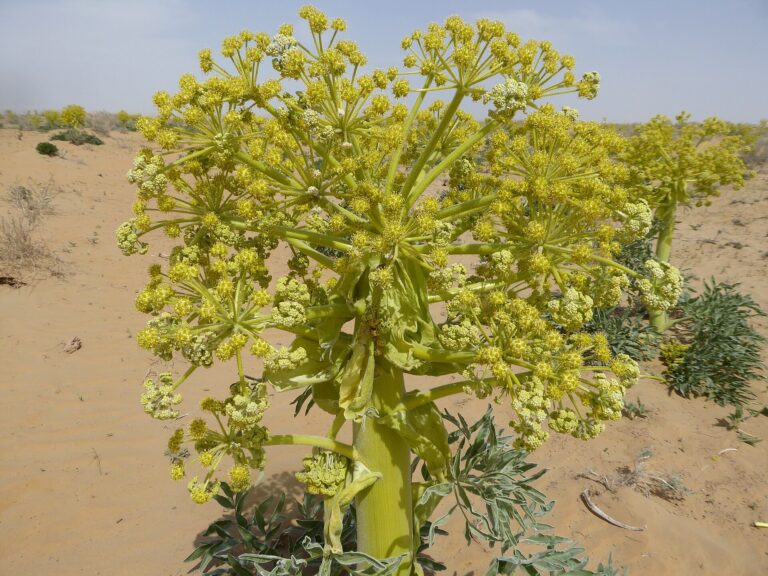
Asafoetida, or hing, is the pungent resin that Indian cooks add by the pinch to beans and lentils, and that Ayurvedic and Persian healers have long used for wind and sluggish digestion. Here's what traditions use it for, what the small trials found, and who should keep it to food amounts.
The full guide, with how to use it and the safety notes, is in the Remedies Vault.
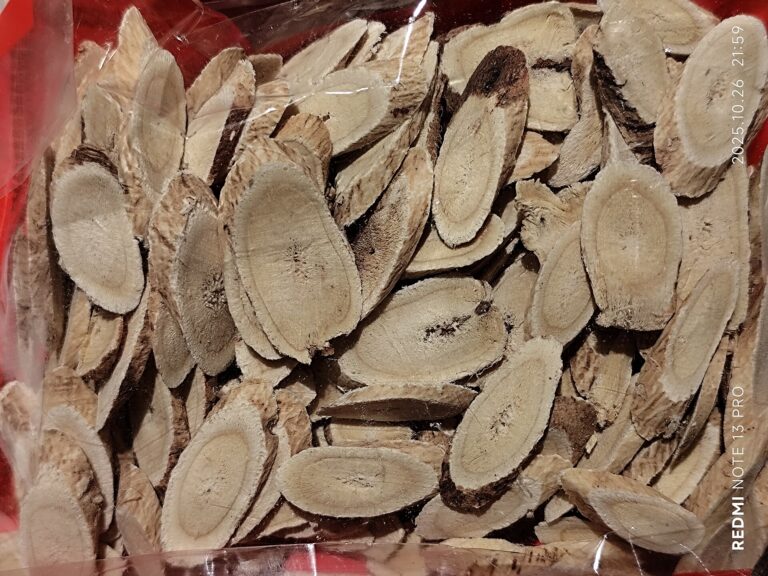
Huang Qi, the yellow root behind Chinese "Jade Windscreen" formulas, is one of the best-known qi tonics in traditional Chinese medicine and a popular immune-season herb in the West. Here's what the tradition uses it for, what the (mostly small, Chinese) studies show, the Health Canada amounts, and why people with autoimmune disease or a transplant should steer clear.
The full guide, with how to use it and the safety notes, is in the Remedies Vault.
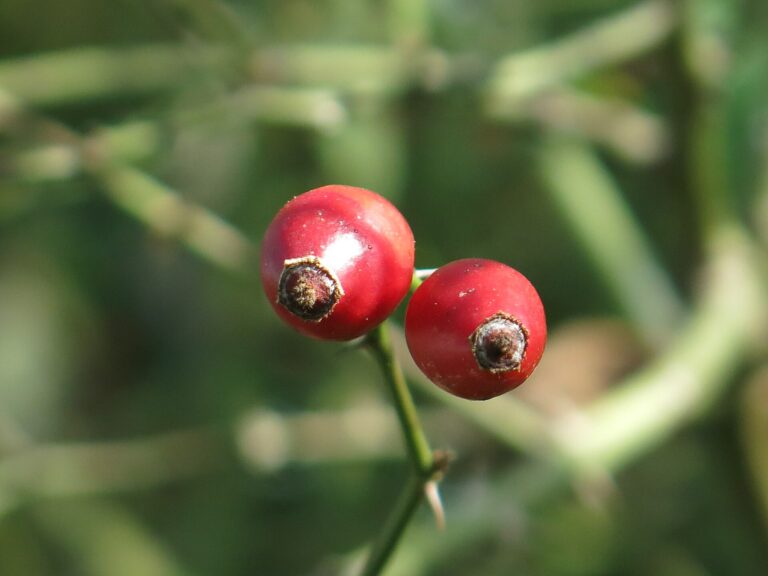
The bright red fruit left on wild roses after the petals fall has been brewed into a warming winter tea for generations, from Indigenous communities in British Columbia to European kitchens. This profile covers its traditional uses, the joint research that put rosehip powder on the map, and who should go easy on it.
The full guide, with how to use it and the safety notes, is in the Remedies Vault.
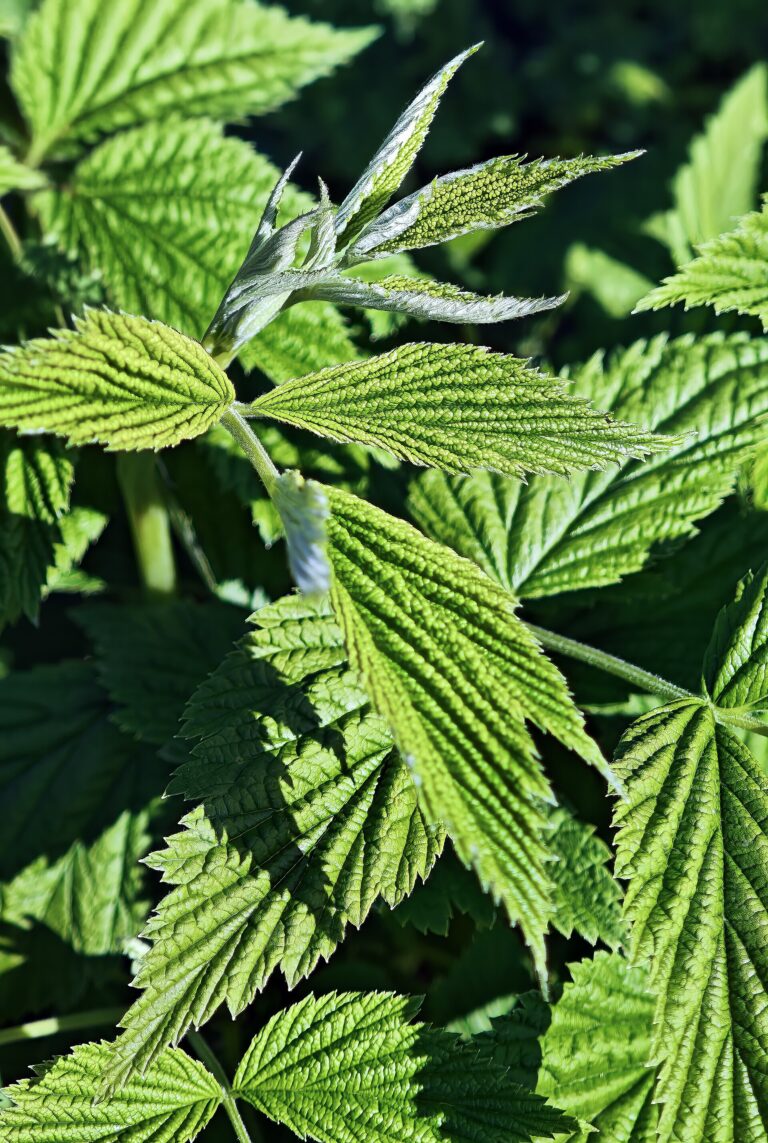
Raspberry leaf is one of the best-known "women's teas", a mild, slightly drying leaf that midwives and herbalists have handed down for generations. It is also a European-approved traditional tea for period cramps, mild tummy upsets and as a mouth and throat gargle.
The full guide, with how to use it and the safety notes, is in the Remedies Vault.
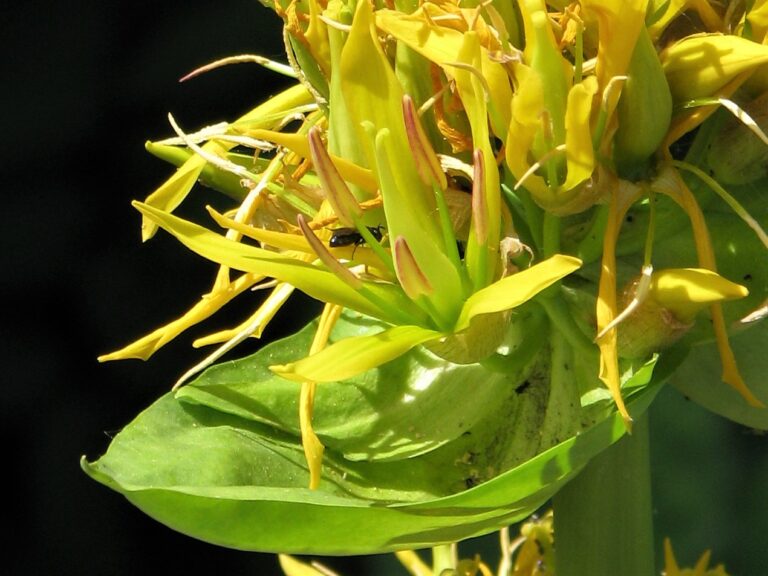
Gentian root and Swedish bitters are sipped before meals in European tradition to wake up appetite, digestion and bile flow. Here's the history, what the research does and doesn't show, the EU amounts, and why most Swedish bitters are short-term only.
The full guide, with how to use it and the safety notes, is in the Remedies Vault.
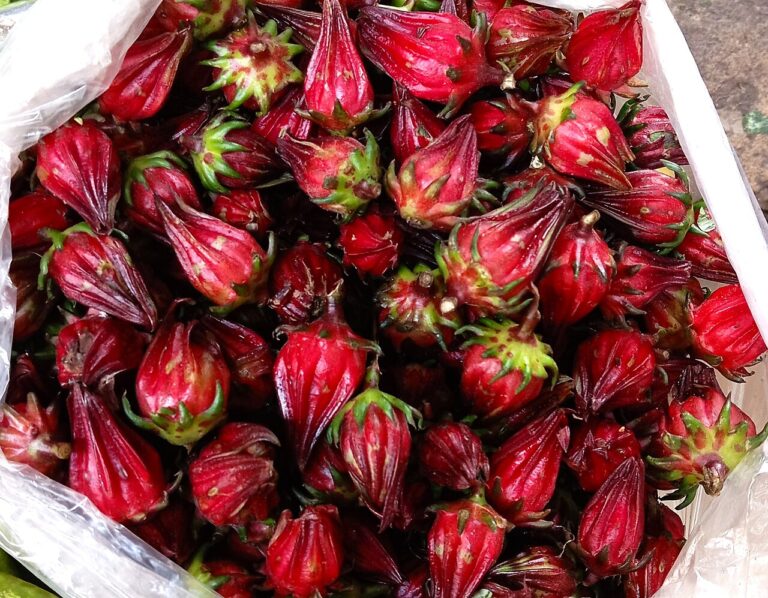
Tart, ruby-red hibiscus tea is drunk hot or iced from Egypt to Mexico and is one of the most-studied herbal teas for heart wellness. Here's what traditions use it for, what the trials show, how people brew it, and who should check first.
The full guide, with how to use it and the safety notes, is in the Remedies Vault.
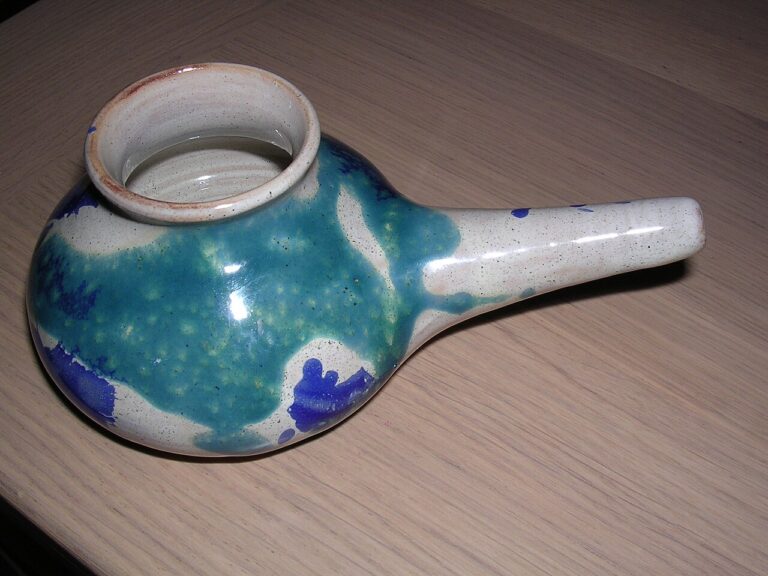
Neti pots and salt-water rinses are one of the most popular home remedies for a stuffy nose, sinus trouble and hay fever. Here's what the trials show, the yogic jala neti tradition, the recipes from allergy and health agencies, and the one water rule you must never skip.
The full guide, with how to use it and the safety notes, is in the Remedies Vault.