
Kanchanar
A flowering orchid tree whose bark is the heart of Kanchanar guggulu, one of Ayurveda's best-known formulas for swellings and glands. Here's what tradition says about it.
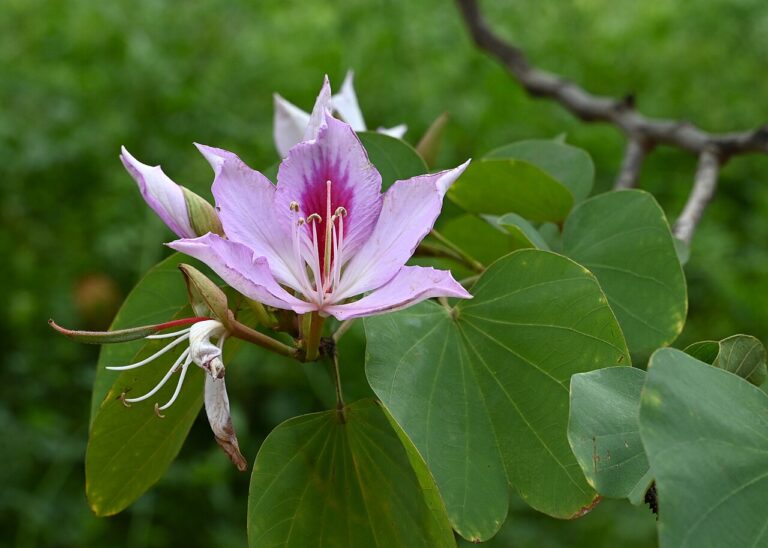
A flowering orchid tree whose bark is the heart of Kanchanar guggulu, one of Ayurveda's best-known formulas for swellings and glands. Here's what tradition says about it.
The full guide, with how to use it and the safety notes, is in the Remedies Vault.
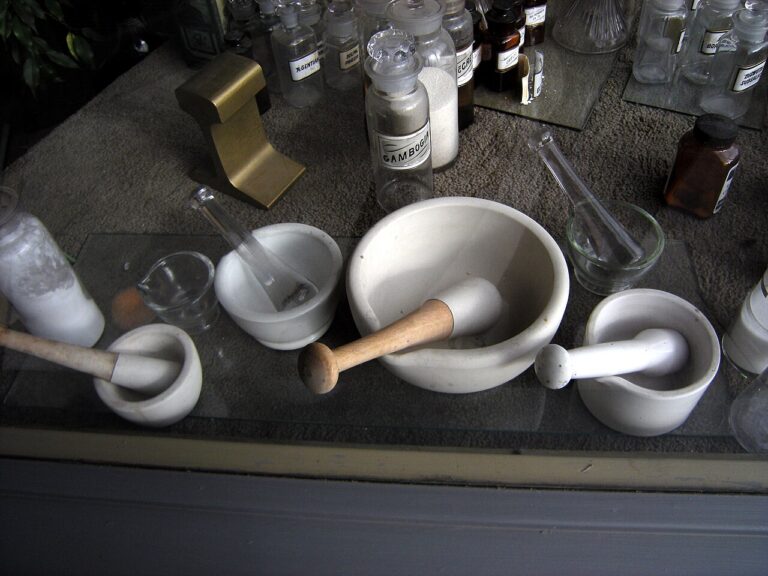
Before there were tubes of cream, there was the poultice: a warm cloth of onion, mustard, bread or clay laid where it hurt. Here's how each one has been used, what people still reach for them for, and how to use them safely.
The full guide, with how to use it and the safety notes, is in the Remedies Vault.
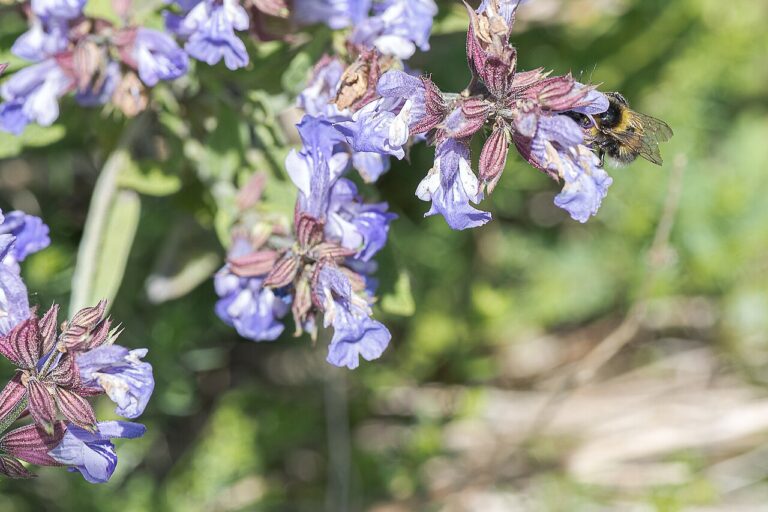
The grey-green kitchen herb of stuffing and brown butter has one of the longest medicinal records in Europe — "Sage the Saviour" to the medieval school of Salerno. Members can read what it has been used for, from sore throats and night sweats to memory, and how to use it well.
The full guide, with how to use it and the safety notes, is in the Remedies Vault.
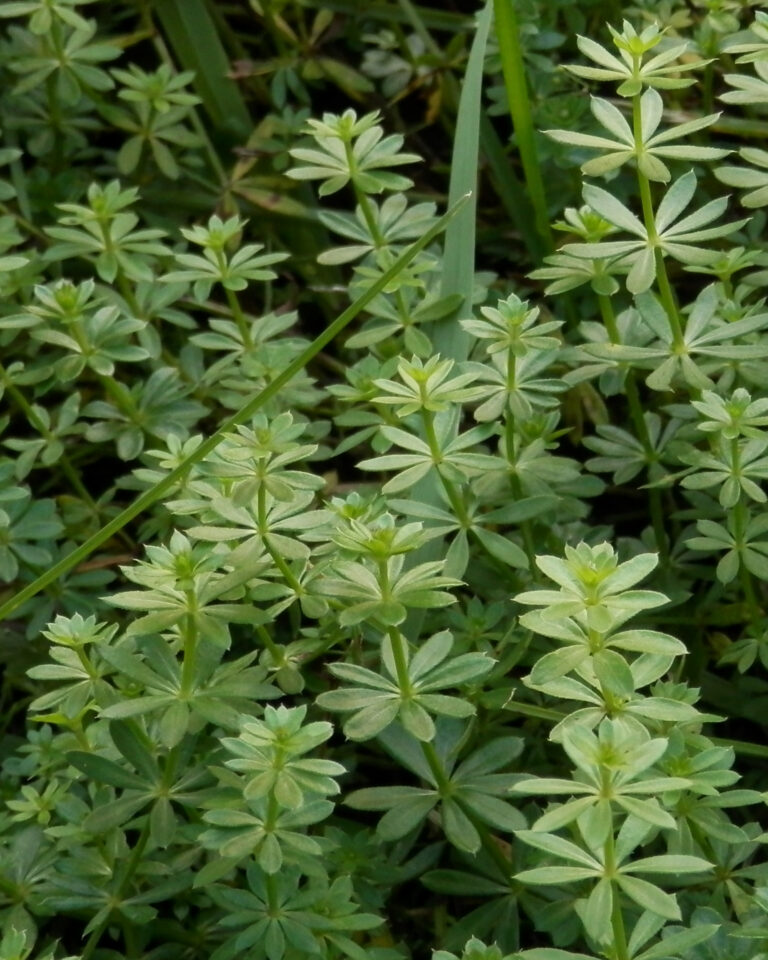
The two herbs Western herbalists have reached for longest when they are thinking about lymph, brewed as a simple spring tea. Members get the method, what people make it for, and the care list red clover comes with.
The full guide, with how to use it and the safety notes, is in the Remedies Vault.
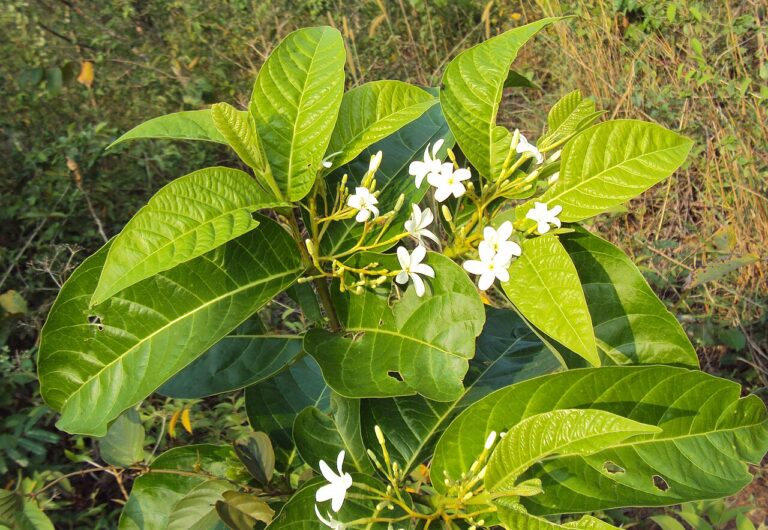
Kutaja bark is Ayurveda's best-known herb for loose stools and dysentery, and it was once sold in Western pharmacies as "conessi". This profile covers the tradition, why its strong alkaloids make it a practitioner-only herb, and gentler options to try first.
The full guide, with how to use it and the safety notes, is in the Remedies Vault.
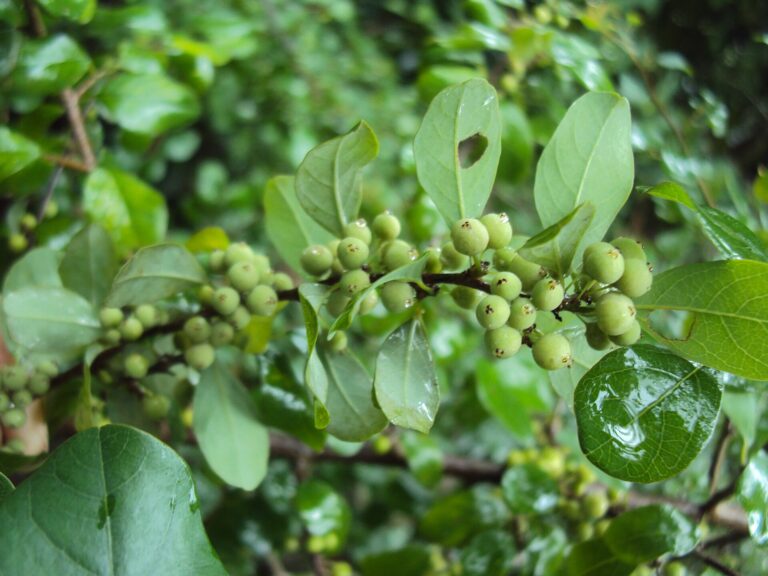
Guggul is the fragrant resin at the heart of Ayurveda's "guggulu" tablets, used for centuries for joints, weight and skin. Here's what the tradition uses it for, why a well-known US trial surprised everyone, and the rash, thyroid and medicine cautions to know first. The tree is also critically endangered, so where it comes from matters.
The full guide, with how to use it and the safety notes, is in the Remedies Vault.
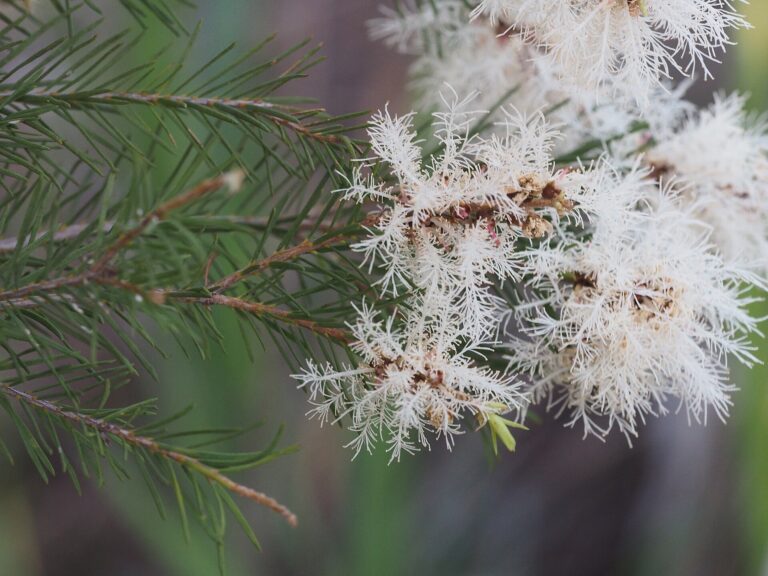
Tea tree oil is the Australian bush oil found in countless acne gels, foot creams and shampoos. It is for the skin and mouth rinses only, never for swallowing, and it needs careful handling around children and pets.
The full guide, with how to use it and the safety notes, is in the Remedies Vault.
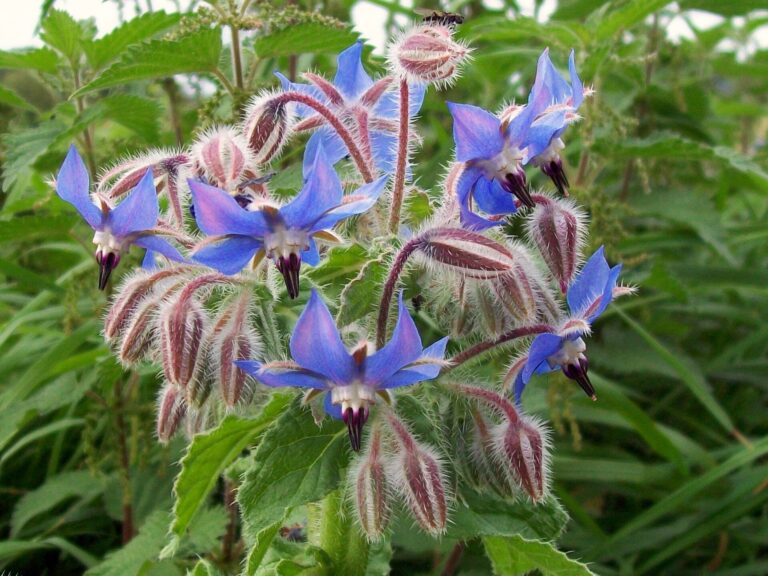
Borage is the blue "starflower" herb whose seed oil is one of the richest plant sources of GLA, an omega-6 fat. The leaf and flower carry liver-toxic alkaloids, so the vault page explains why only tested, PA-free seed oil is worth considering.
The full guide, with how to use it and the safety notes, is in the Remedies Vault.
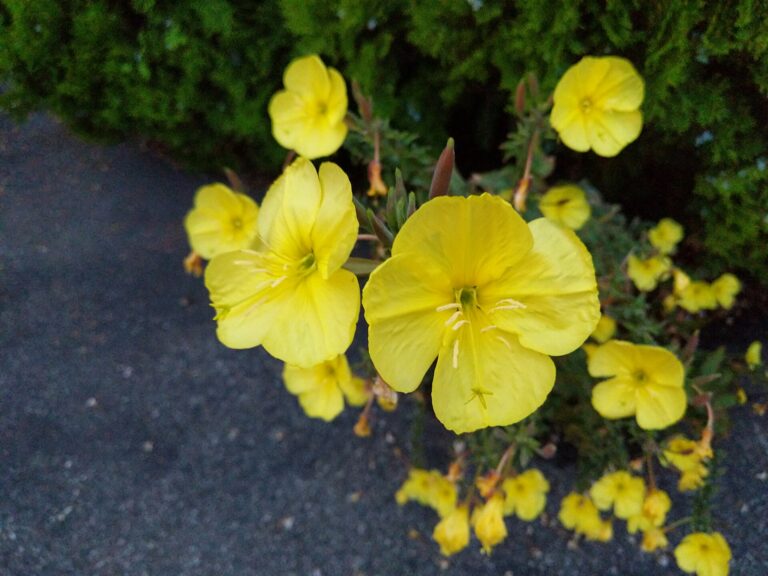
Evening primrose is a tall North American wildflower whose yellow blooms open at dusk. Indigenous peoples ate its roots and greens and used it on bruises and sore skin, and today its seed oil is one of the best-known "women's" and skin supplements.
The full guide, with how to use it and the safety notes, is in the Remedies Vault.
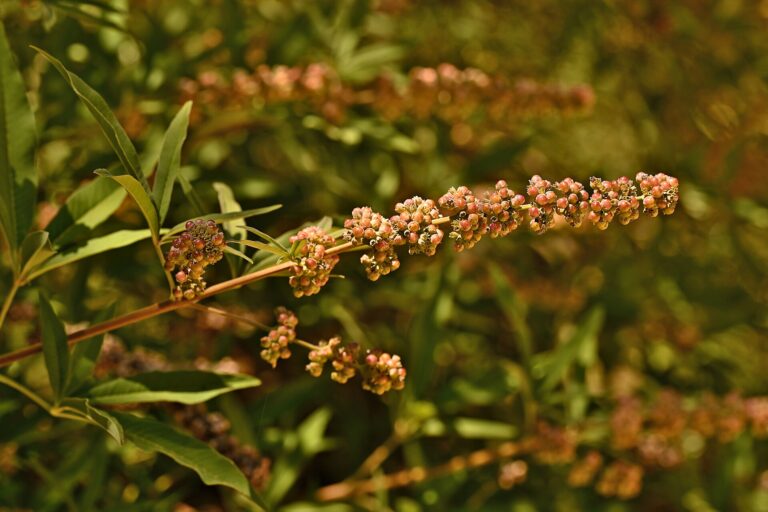
Vitex is the peppery little berry of the chaste tree, used by women for over two thousand years and best known today for the days before a period. In Europe one vitex extract is an approved herbal medicine for premenstrual syndrome.
The full guide, with how to use it and the safety notes, is in the Remedies Vault.