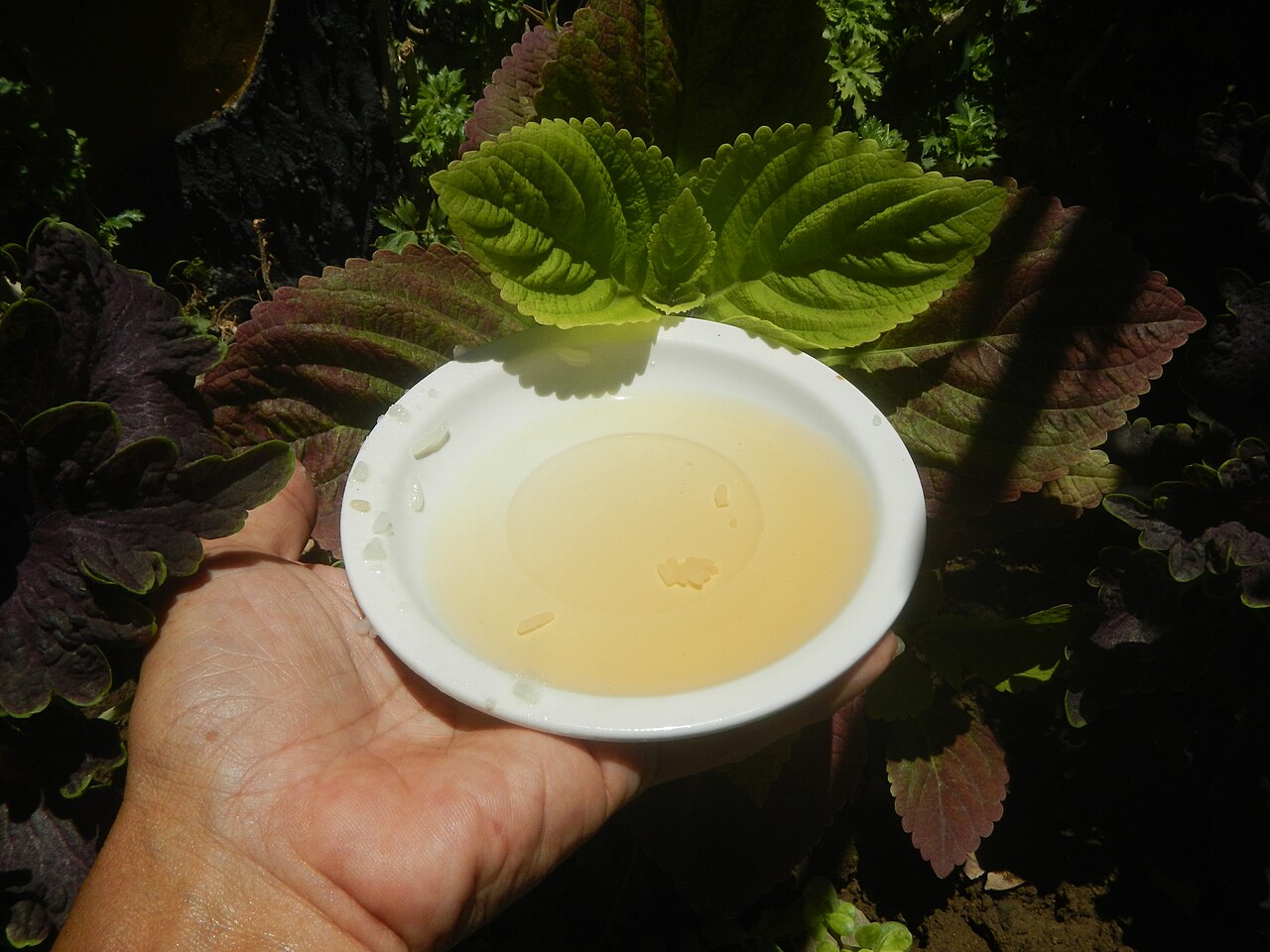
People have used vinegar as a kitchen remedy for thousands of years, from Hippocrates’ wound care to the honey-and-vinegar tonics of Persian medicine. Here’s what tradition says, what the small modern studies found, and how to take it without hurting your throat.
Similar Posts
Elderberry (Sambucus nigra)
ByClifA dark purple berry that European households have cooked into syrups for generations at the first sign of a cold. Today it's one of the most popular herbal supports for the cold and flu season.
Holy Basil (Tulsi)
ByClifSacred in Hindu tradition and called the "elixir of life" in Ayurveda, tulsi has been a daily tonic in India for thousands of years. Here's what tradition uses it for, what the modern studies show, and who should be careful with it.
Lemon
ByClifWarm lemon water is probably the most familiar morning "detox" ritual there is. Here's what lemon brings to the glass (citrate, vitamin C, a reason to drink more water), what it doesn't do, and how to keep it gentle on your teeth.
Vitamin D3 + K2
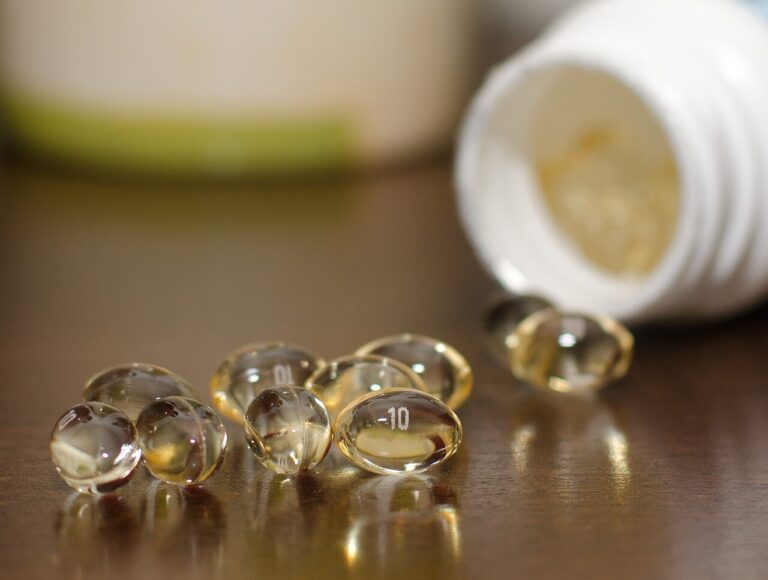
ByClifA hundred years ago, doctors found that cod liver oil and sunshine could straighten the bowed legs of children with rickets. Twenty years later a dentist found a mysterious "Activator X" in spring butter. Here's why people now take vitamin D3 and K2 together, what the studies actually show, and the one medicine that makes K2 a serious matter.
Neem
ByClifNeem is a bitter Indian tree that Ayurveda has used for centuries, and it turns up in many parasite and candida cleanses today. Members get the full entry: what the lab and small human studies show, how people take the leaf, and why neem oil should never be swallowed.
Echinacea
ByClifA prairie wildflower that Plains nations used for sore throats, toothache and wounds long before it became Europe's best-known cold remedy. Here's what tradition says, what the research shows, and who should skip it.
