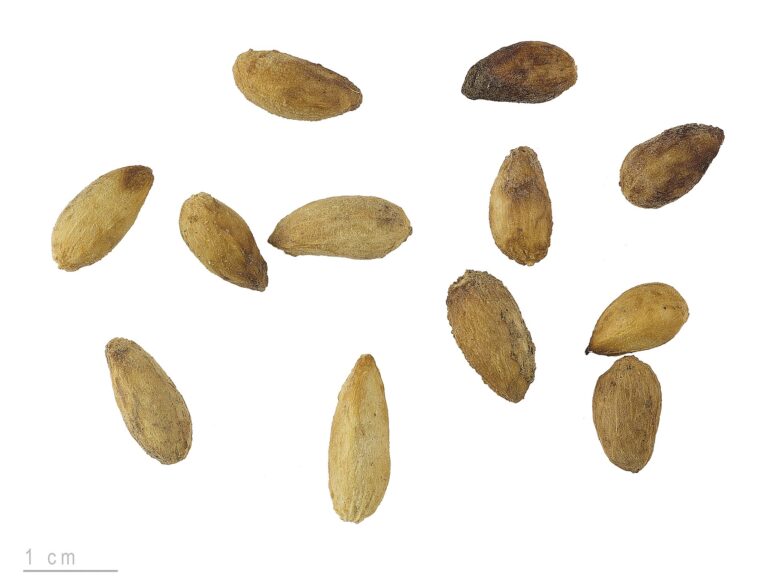
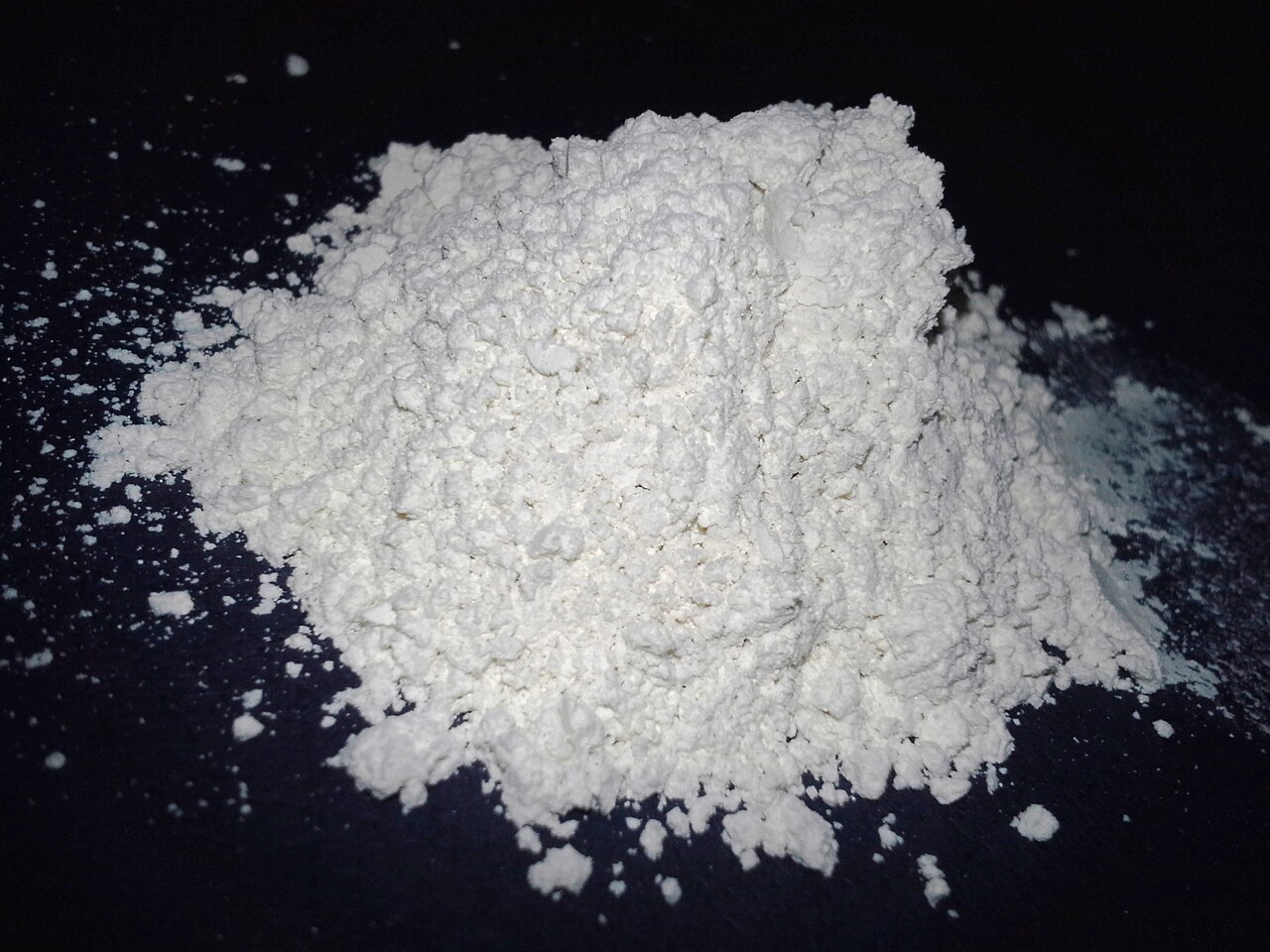
Food-grade diatomaceous earth is a fine white powder made from fossilized algae, sold for garden pests and stirred into water by some detoxers for “parasites” and “heavy metals”. Members get the full entry: where the idea comes from, what the research actually shows (spoiler: very little in people), and the breathing risk that matters more than any claimed benefit.
Similar Posts
Dry Brushing
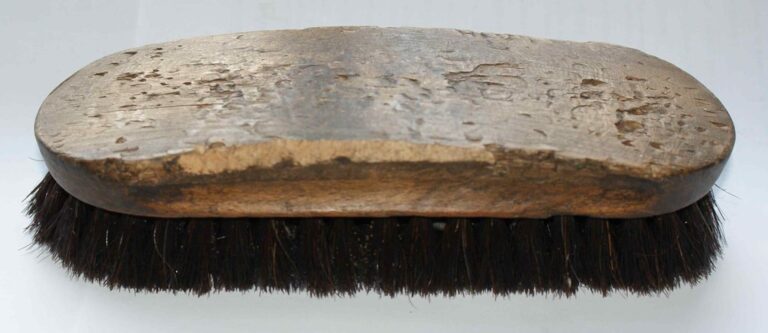
Dry brushing takes a few minutes before a shower and leaves skin noticeably smoother. Here's where the habit comes from, what it does and doesn't do for the lymph system, and how to keep it gentle on your skin.
Neem
Neem is a bitter Indian tree that Ayurveda has used for centuries, and it turns up in many parasite and candida cleanses today. Members get the full entry: what the lab and small human studies show, how people take the leaf, and why neem oil should never be swallowed.
Berberine
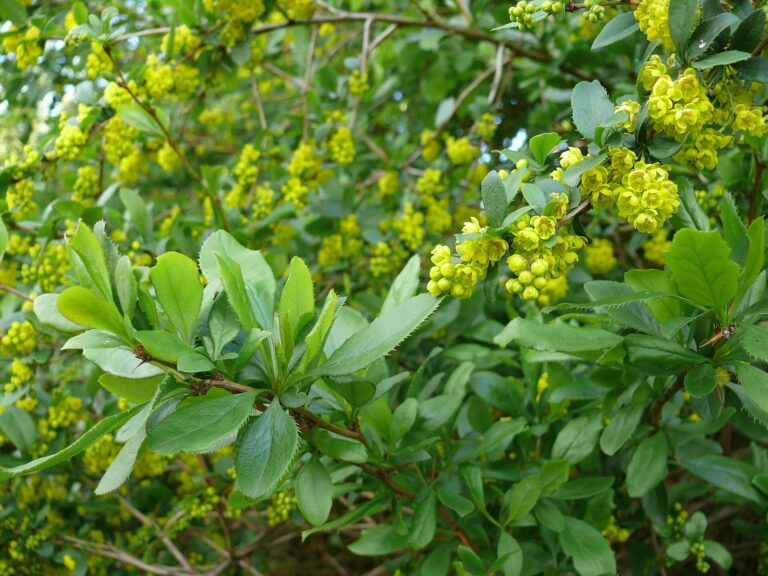
Berberine is the bright-yellow compound behind some of the oldest bitter remedies in Ayurveda and Chinese medicine, from Indian barberry to Chinese goldthread. Today it is one of the most-studied plant compounds for metabolic health, and one of the most interaction-prone, so it is worth reading the safety section first.
Ginger
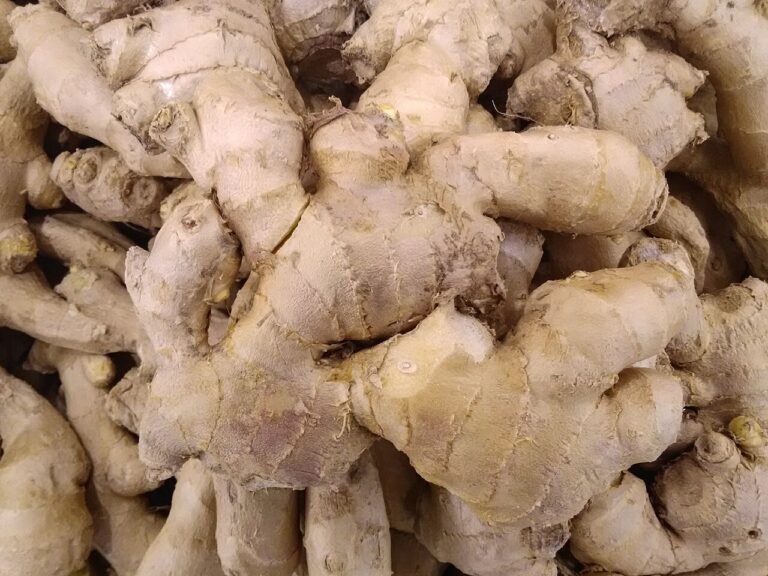
Ayurveda calls dried ginger "the great medicine" and Chinese medicine calls fresh ginger its most important herb for nausea. Here's how each tradition uses it, what the trials found for nausea, period pain and sore joints, and which medicines to check before taking it as a supplement.
Garlic
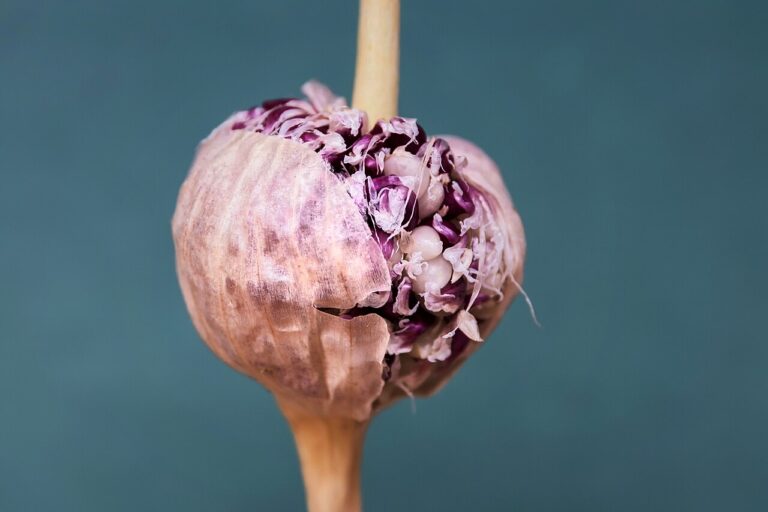
Garlic fed the pyramid builders, went into Hippocrates' remedies and is still one of the most used herbs in Ayurveda and Chinese medicine. Here's how each tradition uses it, what the bigger modern studies found for blood pressure, cholesterol and colds, and the medicine interactions that come with the supplements.
Cilantro
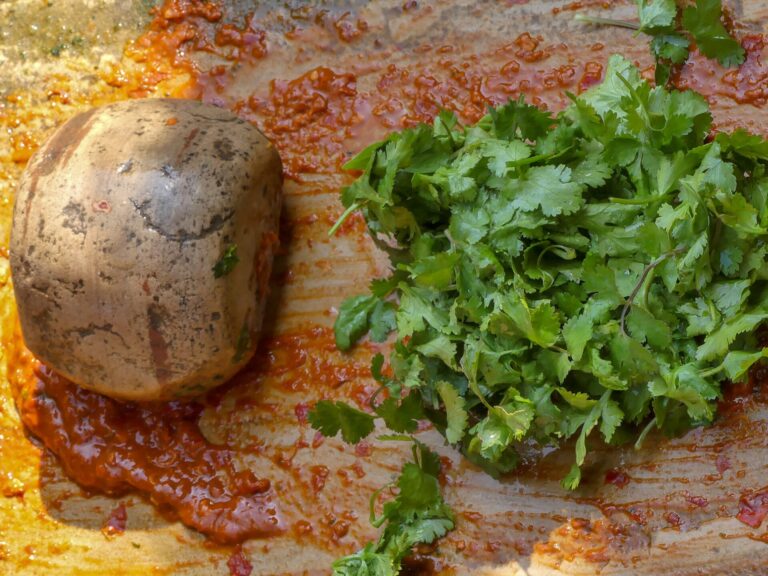
Cilantro is the everyday kitchen herb that became famous in detox circles as a "heavy metal" herb, usually paired with chlorella. Members can read where that idea came from, what the one small human trial actually found, and what product labels list.