
Shilajit
A dark mountain resin that Ayurveda has treated as a prized rejuvenating tonic for centuries, now sold worldwide for energy and men's vitality, and one of the supplements most likely to be contaminated.
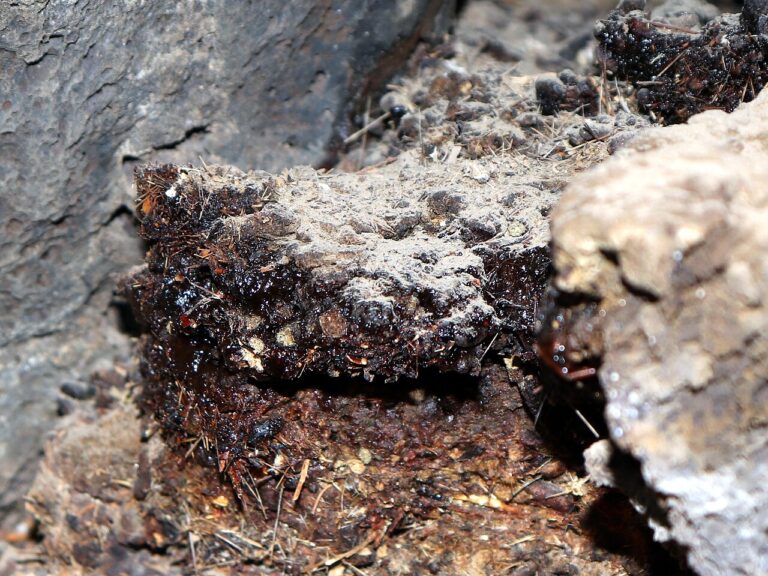
A dark mountain resin that Ayurveda has treated as a prized rejuvenating tonic for centuries, now sold worldwide for energy and men's vitality, and one of the supplements most likely to be contaminated.
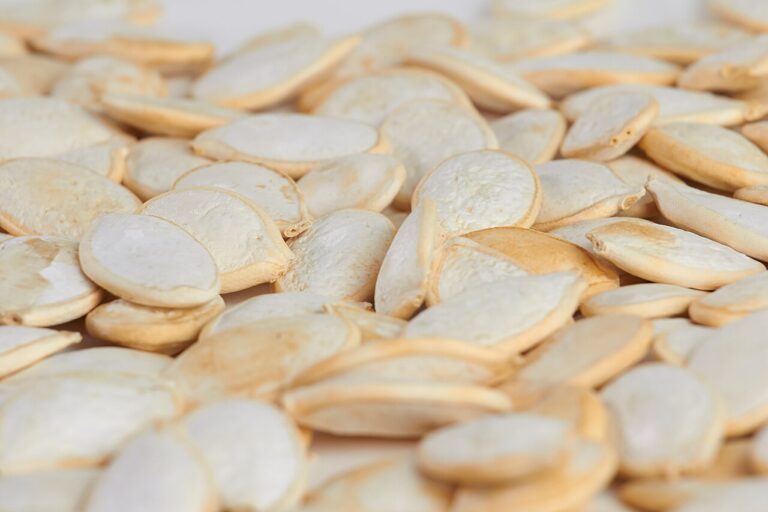
Pumpkin seed is one of the few everyday foods with an official European herbal monograph, for men's night-time bathroom trips and an overactive bladder. Members get the full profile: every traditional use, the large prostate trial and what it really showed, the official amounts, and who should check first.
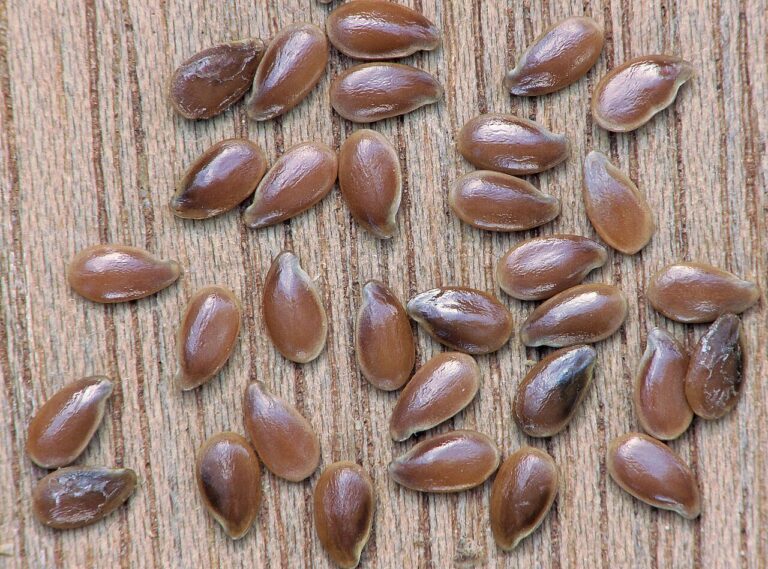
The small brown or golden seed behind linseed tea, old-fashioned linseed poultices and today's breakfast sprinkle. Flax has been a food, fibre and folk remedy for thousands of years and is now one of the better-studied seeds for the bowels and blood pressure.
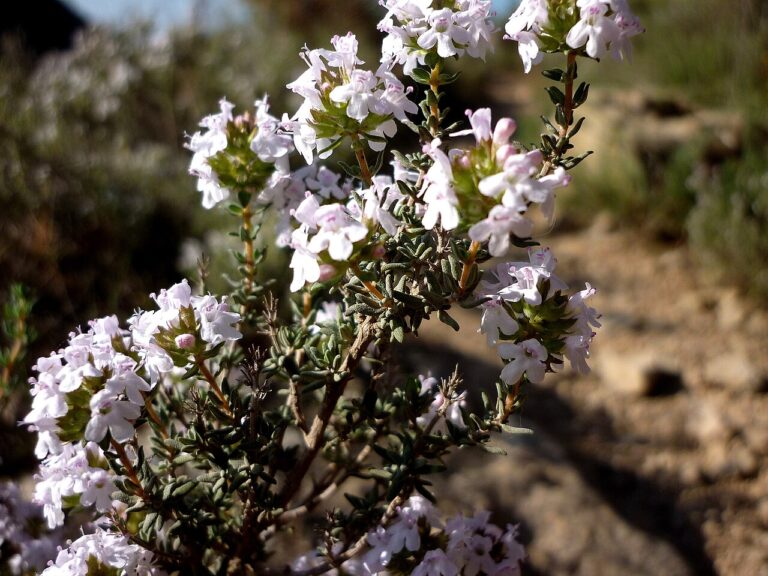
The kitchen herb behind many old-fashioned cough syrups and mouthwashes. Thyme has been used for chesty coughs, sore throats and digestion since ancient Greece, and it's still an approved traditional cough remedy in Europe.
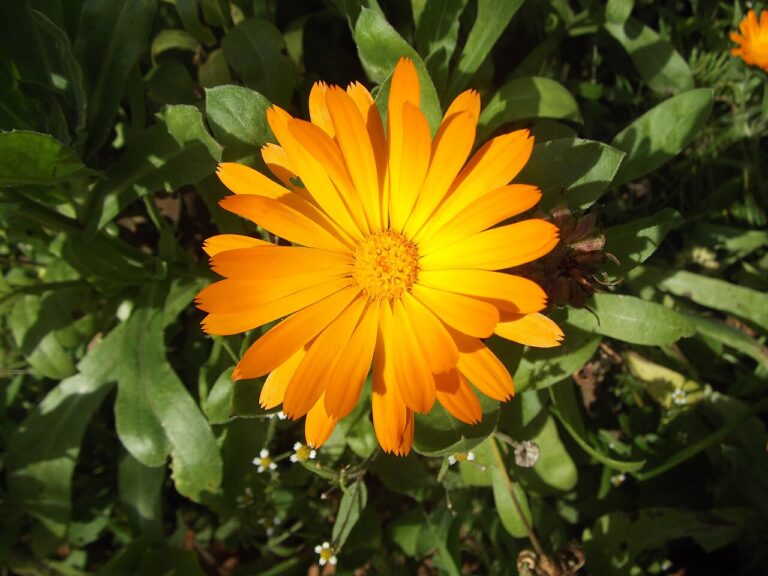
The bright orange "pot marigold" of cottage gardens, used for centuries to soothe sore skin and dress wounds. Today it's one of the best-known herbs in creams, salves and baby balms.
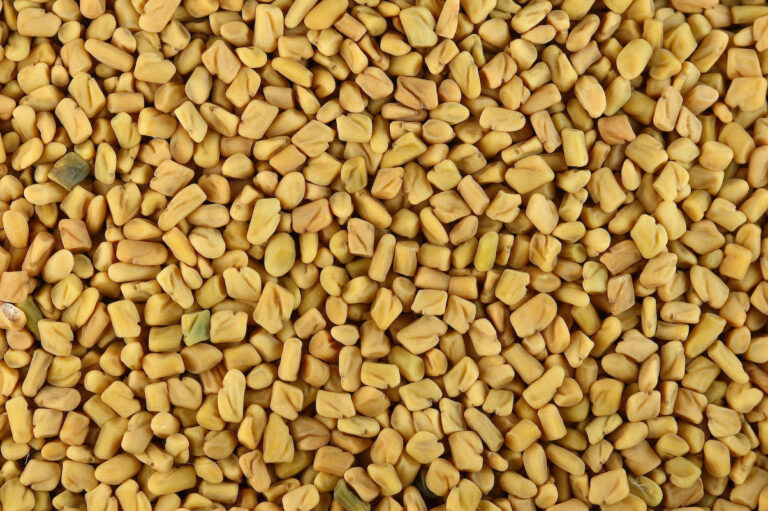
A small golden seed that has flavoured curries and fed nursing mothers for thousands of years, from ancient Egypt to India. Its maple-syrup aroma is the same one that famously lingers on the skin of people who take it.
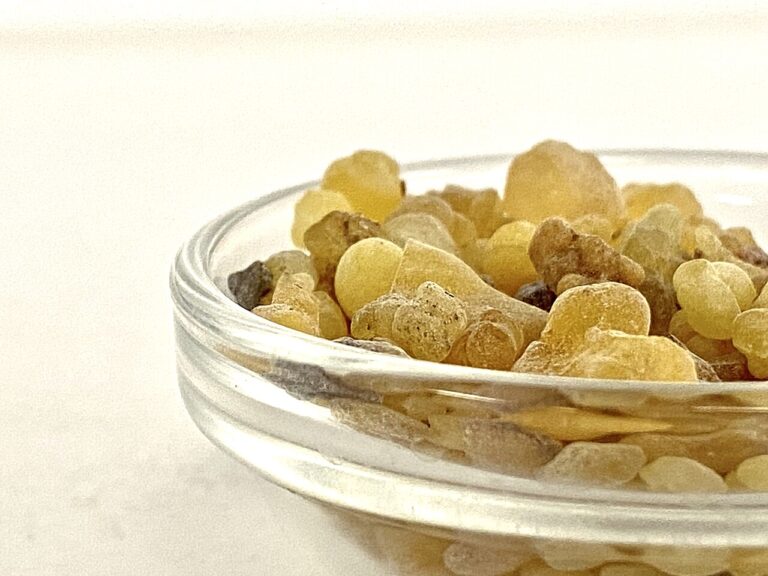
The fragrant resin of the frankincense tree, burned in temples for thousands of years and used in Ayurveda for stiff, aching joints. Today it's one of the most-studied herbs for joint comfort.
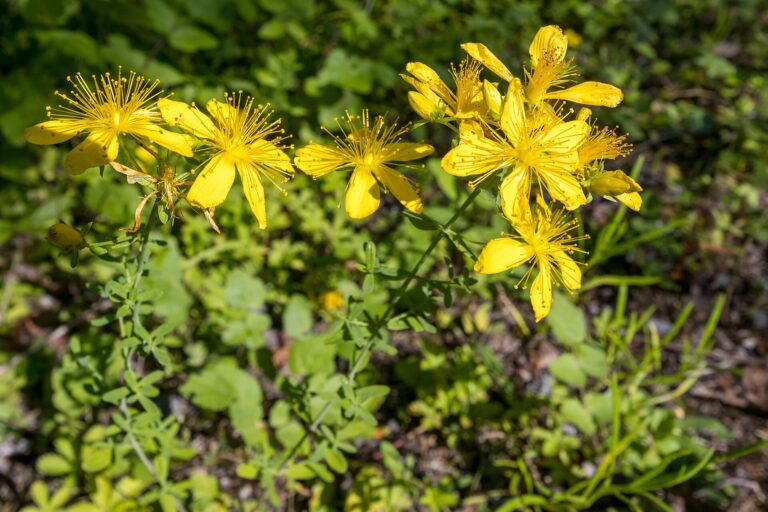
A bright yellow summer flower named after St. John, gathered around Midsummer and steeped in oil until it turns blood-red. Europe has used it for low spirits, nerves and skin for centuries, and today it's one of the most-studied herbs for mood. It also has more drug interactions than almost any other herb, so this page starts its Safety section there.
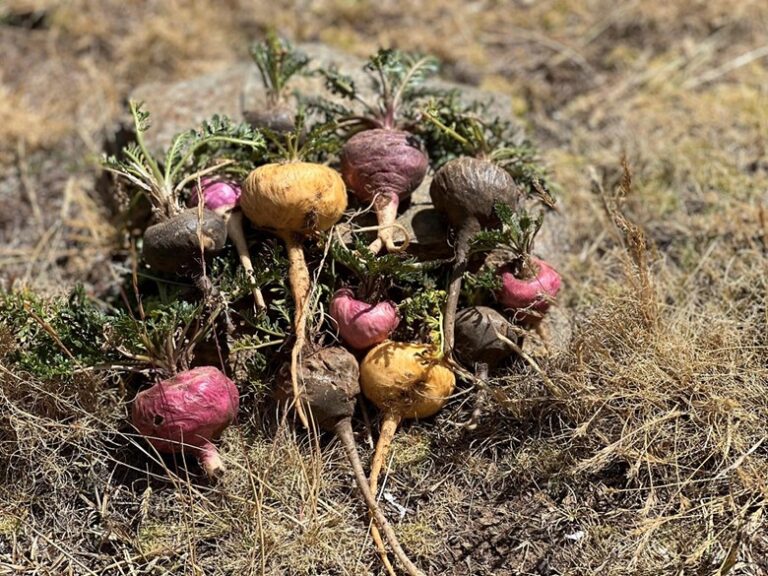
A hardy root from the high Peruvian Andes, grown at around 4,000 metres for up to 2,000 years. Andean families have long eaten it as a staple food and an energizing tonic, and today it's one of the most popular "superfood" roots for energy and vitality.
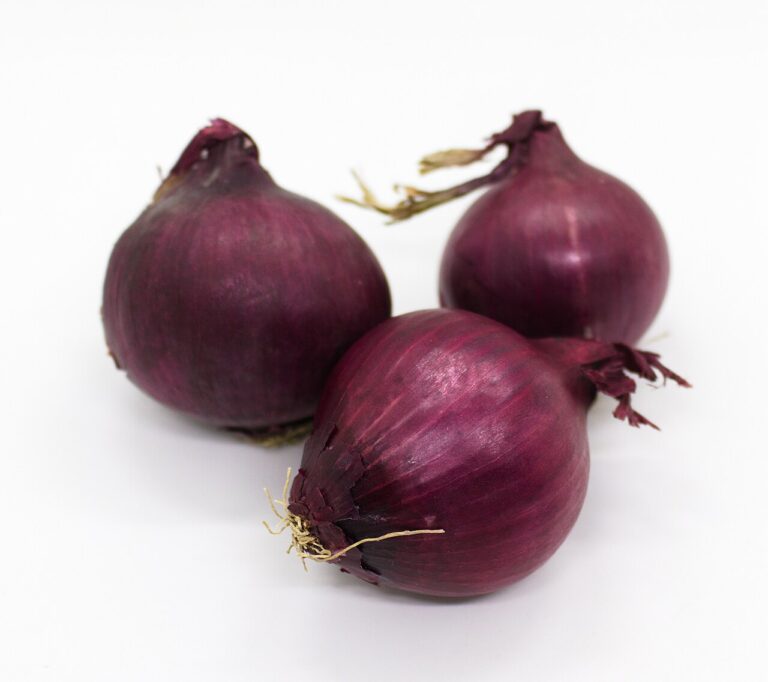
Quercetin is the most common flavonoid in the human diet, the yellow pigment behind onion skins and apple peels. Here's how naturopaths use it, the traditional herbs that are rich in it, and what the research shows.