Body system: Hormones

  • Black Cohosh

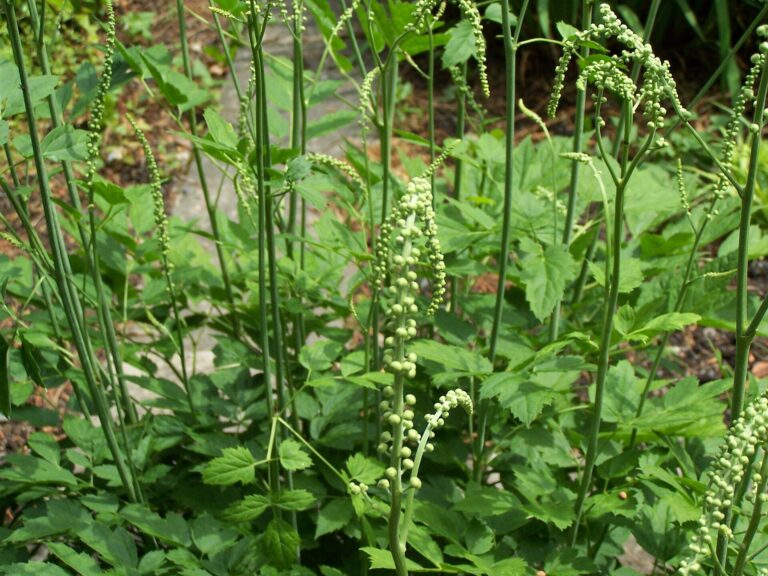
    A tall woodland plant with white flower spikes, used by Indigenous peoples of eastern North America and by 19th-century Eclectic doctors, and now one of the best-known herbs for hot flushes. Here's what the tradition used it for, what the menopause studies really show, the EU amounts, and why its rare liver warning matters.
    Members-only guide

    The full guide, with how to use it and the safety notes, is in the Remedies Vault.

    See what’s in the Vault

    Already a member? Log in here
  • Cordyceps

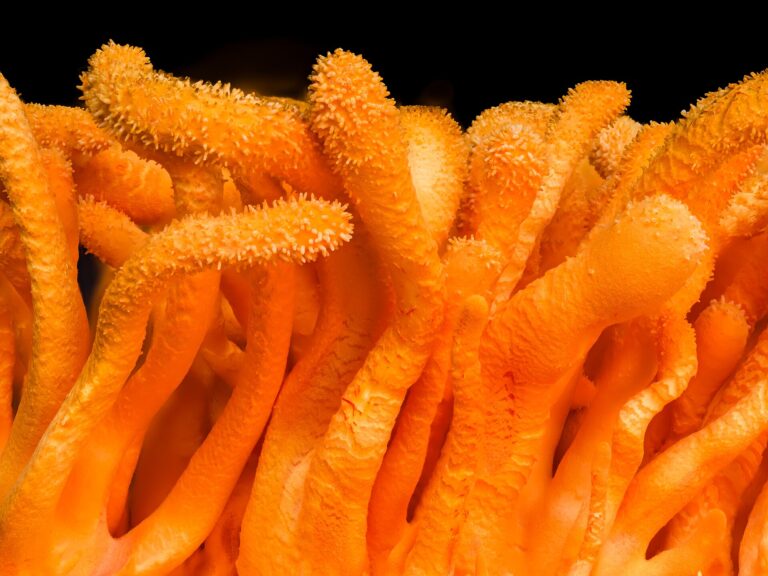
    A rare Himalayan fungus that grows out of moth caterpillars, cordyceps has been prized in Tibetan and Chinese medicine since at least the 1400s as an energy and lung–kidney tonic. Today almost all of it is grown in labs, and the research is far thinner than the marketing.

    Members-only guide

    The full guide, with how to use it and the safety notes, is in the Remedies Vault.

    See what’s in the Vault

    Already a member? Log in here
  • Saffron

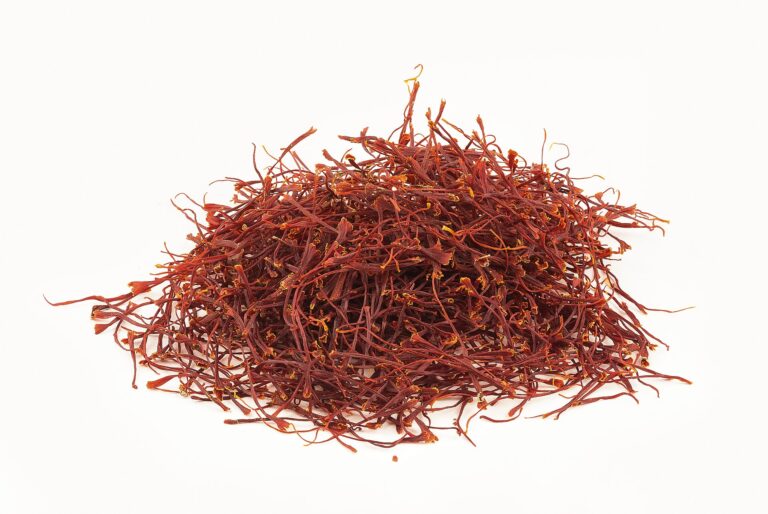
    The world's most expensive spice is also one of the oldest mood herbs on record: Persian physicians called it a heart-gladdener, and modern trials have tested it for low mood and PMS. This profile covers how tradition uses it, what the research shows, and why "more" is not better with saffron.

    Members-only guide

    The full guide, with how to use it and the safety notes, is in the Remedies Vault.

    See what’s in the Vault

    Already a member? Log in here
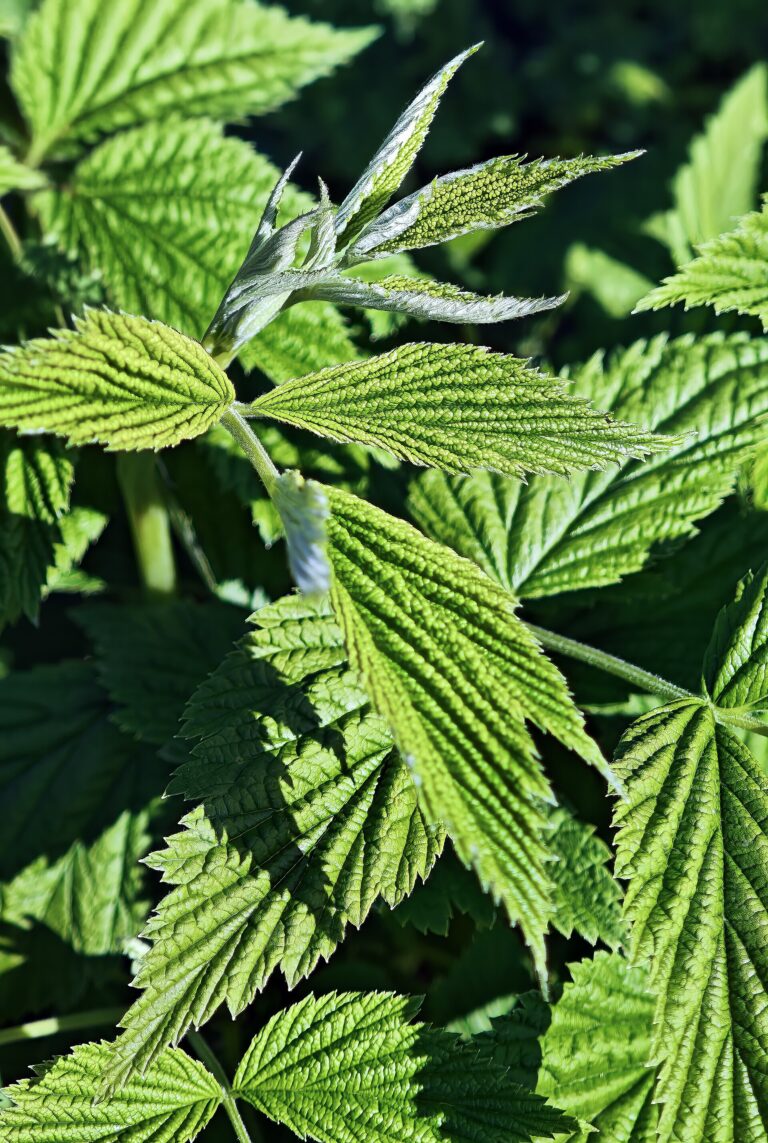
  • Red Raspberry Leaf

    Raspberry leaf is one of the best-known "women's teas", a mild, slightly drying leaf that midwives and herbalists have handed down for generations. It is also a European-approved traditional tea for period cramps, mild tummy upsets and as a mouth and throat gargle.

    Members-only guide

    The full guide, with how to use it and the safety notes, is in the Remedies Vault.

    See what’s in the Vault

    Already a member? Log in here
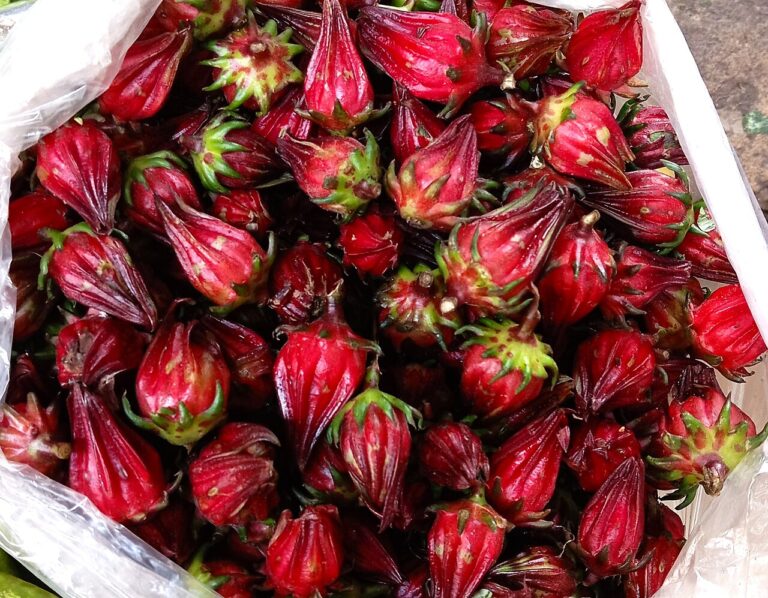
  • Hibiscus

    Tart, ruby-red hibiscus tea is drunk hot or iced from Egypt to Mexico and is one of the most-studied herbal teas for heart wellness. Here's what traditions use it for, what the trials show, how people brew it, and who should check first.

    Members-only guide

    The full guide, with how to use it and the safety notes, is in the Remedies Vault.

    See what’s in the Vault

    Already a member? Log in here
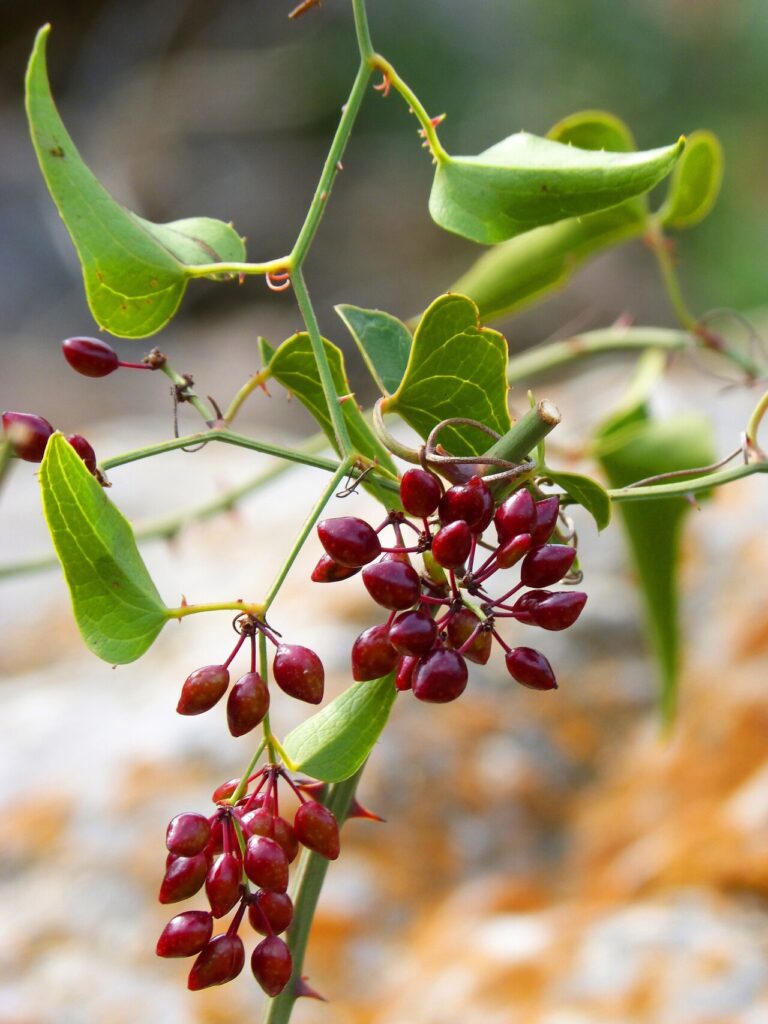
  • Sarsaparilla

    Sarsaparilla root was one of the most famous "blood purifiers" of European and American medicine for about three centuries, and it still turns up in blood-cleanse, skin and men's tonic blends. Members get the full entry: its history, why doctors doubted it as early as the 1850s, what the research does and doesn't show, and its digoxin, lithium and kidney cautions.

    Members-only guide

    The full guide, with how to use it and the safety notes, is in the Remedies Vault.

    See what’s in the Vault

    Already a member? Log in here
  • Pumpkin Seed

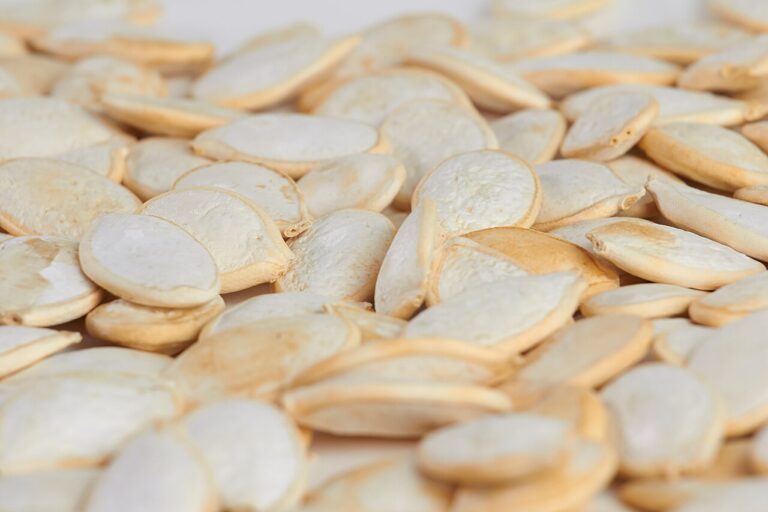
    Pumpkin seed is one of the few everyday foods with an official European herbal monograph, for men's night-time bathroom trips and an overactive bladder. Members get the full profile: every traditional use, the large prostate trial and what it really showed, the official amounts, and who should check first.

    Members-only guide

    The full guide, with how to use it and the safety notes, is in the Remedies Vault.

    See what’s in the Vault

    Already a member? Log in here
  • Flaxseed

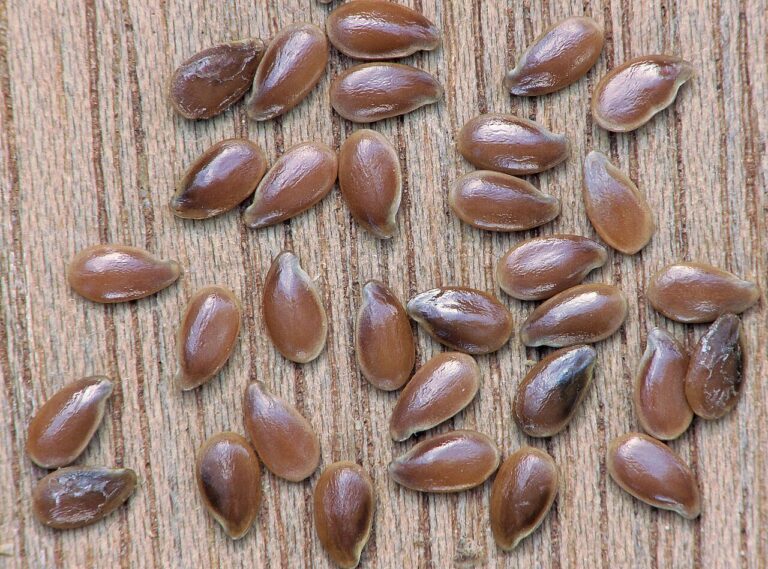
    The small brown or golden seed behind linseed tea, old-fashioned linseed poultices and today's breakfast sprinkle. Flax has been a food, fibre and folk remedy for thousands of years and is now one of the better-studied seeds for the bowels and blood pressure.

    Members-only guide

    The full guide, with how to use it and the safety notes, is in the Remedies Vault.

    See what’s in the Vault

    Already a member? Log in here
  • Thyme

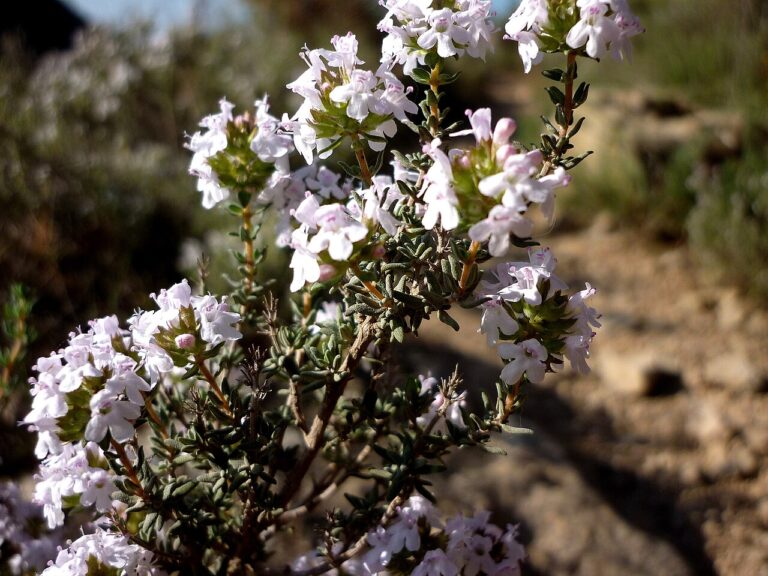
    The kitchen herb behind many old-fashioned cough syrups and mouthwashes. Thyme has been used for chesty coughs, sore throats and digestion since ancient Greece, and it's still an approved traditional cough remedy in Europe.

    Members-only guide

    The full guide, with how to use it and the safety notes, is in the Remedies Vault.

    See what’s in the Vault

    Already a member? Log in here