Body system: Hormones

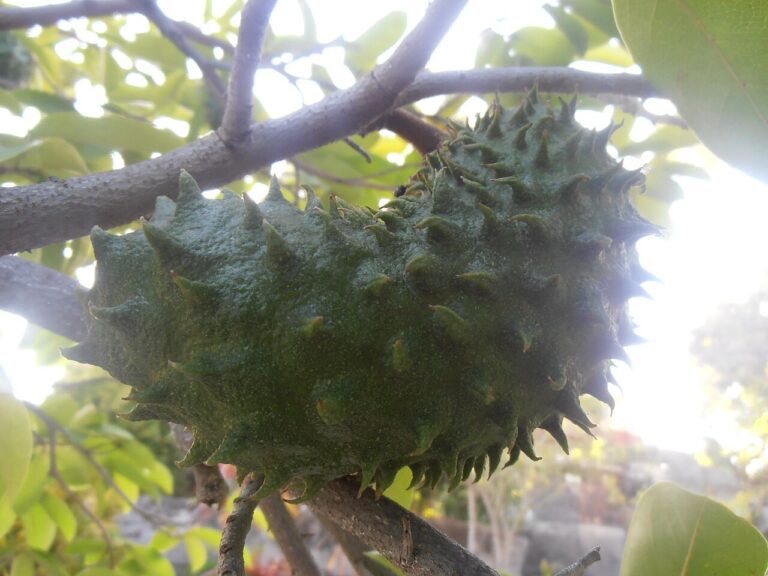
  • Soursop (Graviola)

    A tropical fruit tree whose leaves have been brewed as a folk tea across the Caribbean, Latin America and Africa for generations. Here's what tradition says, what the research has (and hasn't) shown, and the safety points every user should know first.

    Members-only guide

    The full guide, with how to use it and the safety notes, is in the Remedies Vault.

    See what’s in the Vault

    Already a member? Log in here
  • Sea Moss (Irish Moss)

    A red seaweed from rocky North Atlantic shores that Irish families boiled into a soothing drink for coughs and colds, and that Caribbean kitchens turned into a thick, spiced milk drink for strength. Today it's a popular gel and gummy sold as a mineral-rich "superfood".

    Members-only guide

    The full guide, with how to use it and the safety notes, is in the Remedies Vault.

    See what’s in the Vault

    Already a member? Log in here
  • Rhodiola

    A hardy Arctic and mountain root that Scandinavian, Siberian and Russian folk medicine have long used for endurance, cold winters and recovering strength. Today it's one of the best-known "adaptogens" for everyday stress and tiredness.

    Members-only guide

    The full guide, with how to use it and the safety notes, is in the Remedies Vault.

    See what’s in the Vault

    Already a member? Log in here
  • |

    Berberine

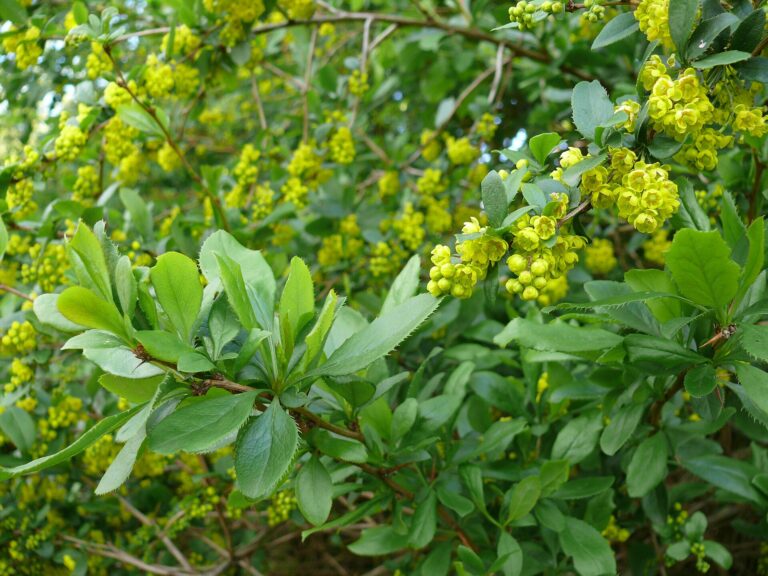
    Berberine is the bright-yellow compound behind some of the oldest bitter remedies in Ayurveda and Chinese medicine, from Indian barberry to Chinese goldthread. Today it is one of the most-studied plant compounds for metabolic health, and one of the most interaction-prone, so it is worth reading the safety section first.

    Members-only guide

    The full guide, with how to use it and the safety notes, is in the Remedies Vault.

    See what’s in the Vault

    Already a member? Log in here
  • Cinnamon

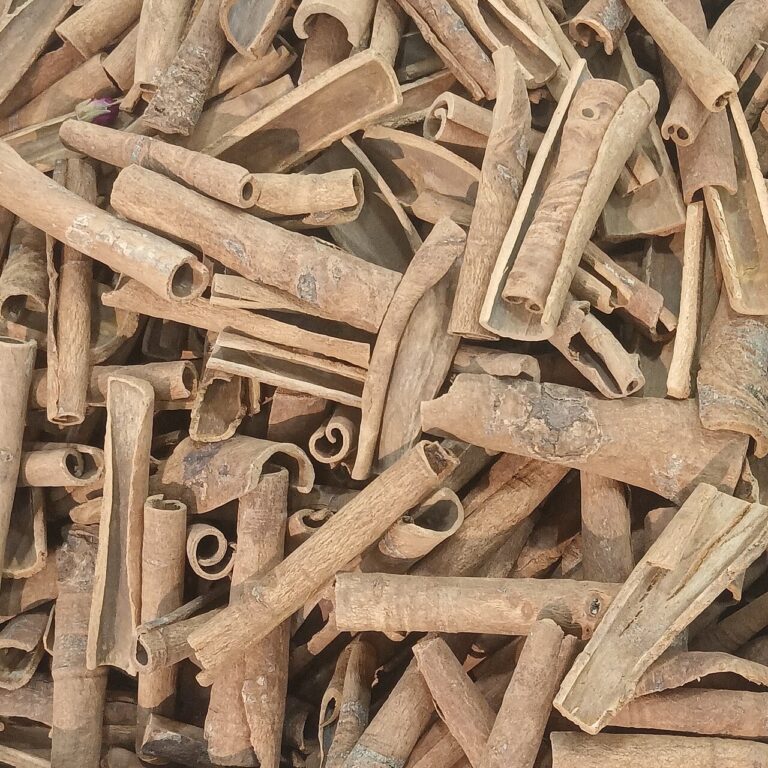
    One of the oldest spices in the world, cinnamon was traded from Asia to Egypt as far back as 2000 BC. Ayurveda, Chinese medicine and Persian medicine all use it as a warming herb for digestion, circulation and the womb, and modern researchers are studying it for period pain and metabolic health.

    Members-only guide

    The full guide, with how to use it and the safety notes, is in the Remedies Vault.

    See what’s in the Vault

    Already a member? Log in here
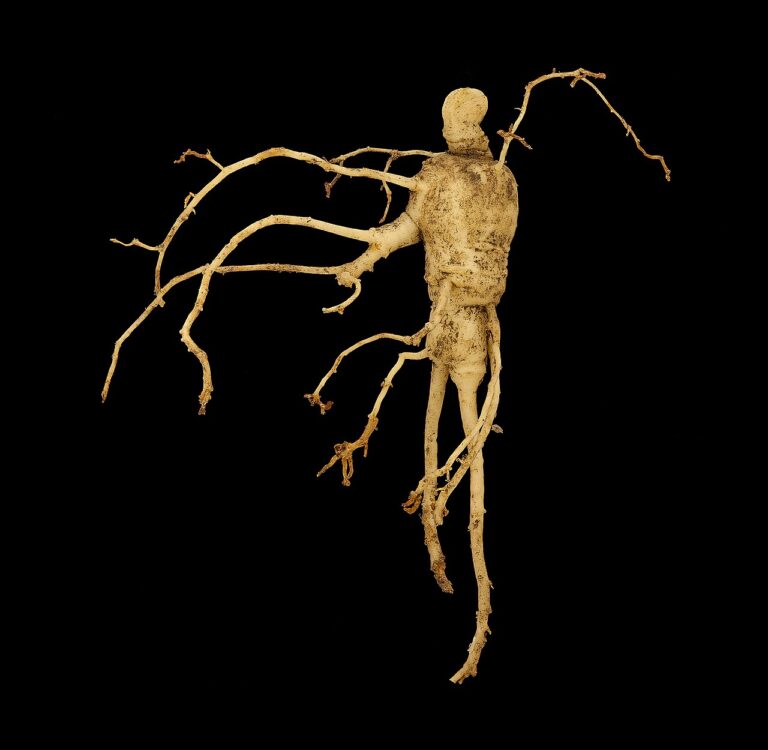
  • Ginseng (Asian and American)

    Ginseng has been the prized "root of strength" in Chinese medicine for centuries, and American ginseng was a woodland medicine of Indigenous peoples before it became a major export to China. Here's how the two ginsengs differ in tradition, what modern studies show for energy and fatigue, and who should be careful with it.

    Members-only guide

    The full guide, with how to use it and the safety notes, is in the Remedies Vault.

    See what’s in the Vault

    Already a member? Log in here
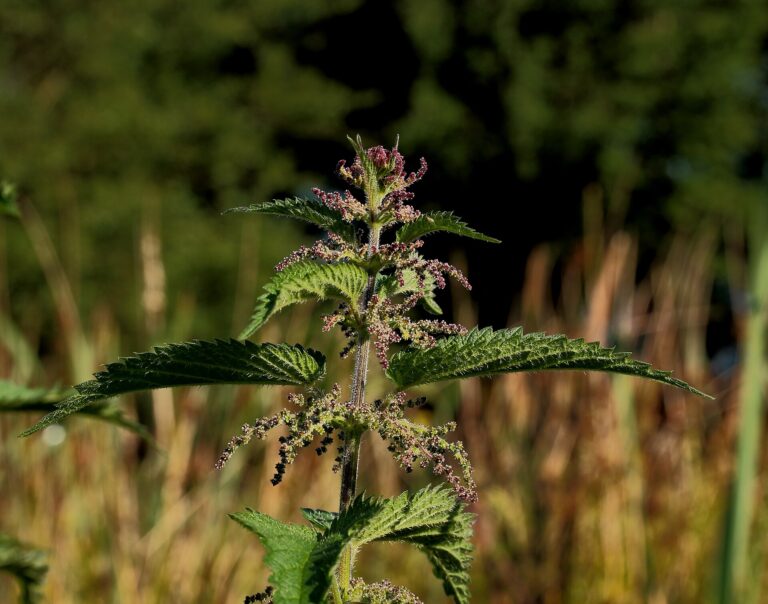
  • Nettle

    Nettle stings on the trail, but it has been a spring food, a joint remedy, a fibre plant and a "strengthening and cleansing" tea for peoples across Europe, North Africa and North America. Here's how tradition uses the leaf and the root, what the research shows for joints, the prostate and urination, and who should skip it.

    Members-only guide

    The full guide, with how to use it and the safety notes, is in the Remedies Vault.

    See what’s in the Vault

    Already a member? Log in here
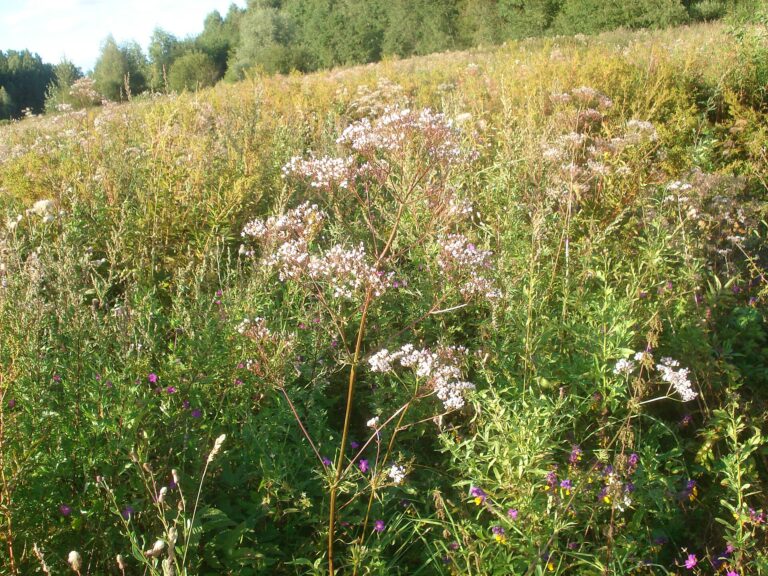
  • Valerian

    Valerian has been the classic "sleep root" since the days of Hippocrates and Galen, and it's still one of the most-used herbs for restless nights and nervous tension. Here's how tradition uses it, what the research on sleep really shows, why it can take a few weeks to work, and who should skip it.

    Members-only guide

    The full guide, with how to use it and the safety notes, is in the Remedies Vault.

    See what’s in the Vault

    Already a member? Log in here