
Cold and Contrast Showers
The old water-cure doctors swore by it, and a three-thousand-person trial put it to the test. Here's how people use a cold finish or hot-cold switch in the shower, what they report, and who should skip it.
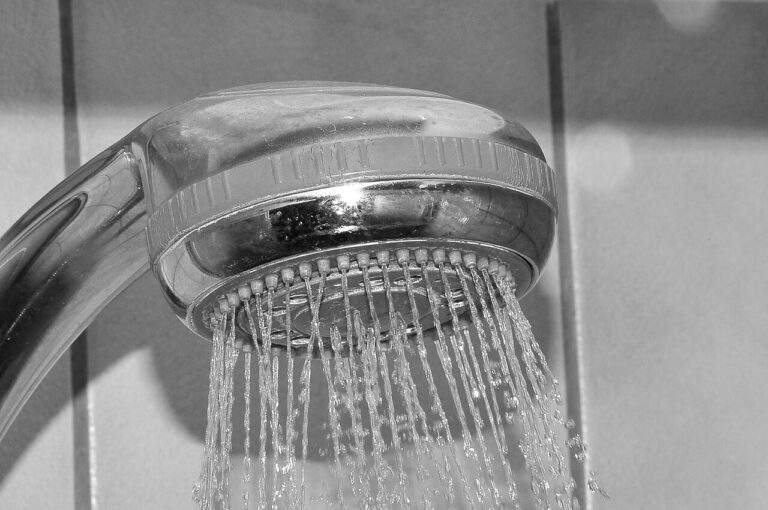
The old water-cure doctors swore by it, and a three-thousand-person trial put it to the test. Here's how people use a cold finish or hot-cold switch in the shower, what they report, and who should skip it.
The full guide, with how to use it and the safety notes, is in the Remedies Vault.
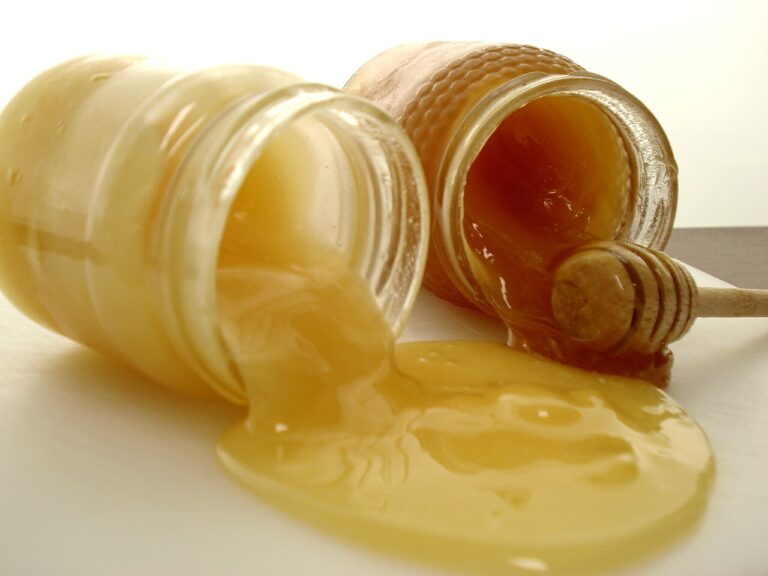
Thin ginger slices packed into raw honey and left in a jar: one of the oldest kitchen remedies there is, and one of the few with real research behind it. Members get the method, the honest story on honey and coughs, and the two kitchen rules that keep the jar good.
The full guide, with how to use it and the safety notes, is in the Remedies Vault.
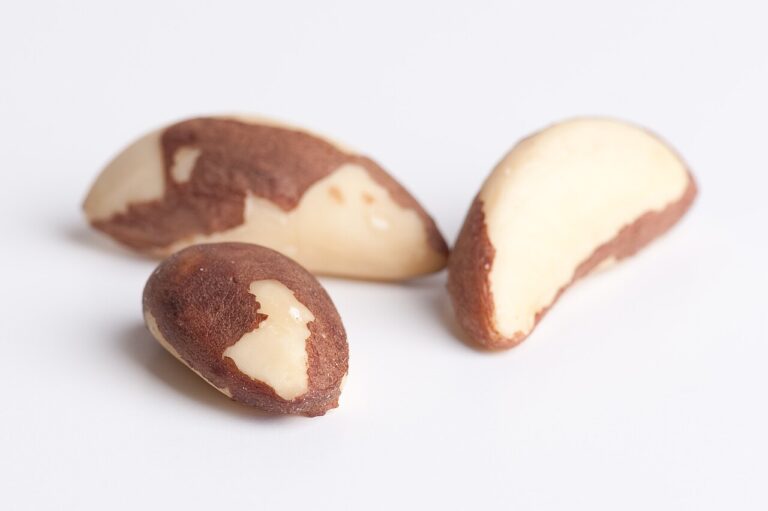
A trace mineral your thyroid and antioxidant enzymes depend on, where a little goes a long way and too much causes real harm. Here's who may need it, the best food sources, and the safe upper limit.
The full guide, with how to use it and the safety notes, is in the Remedies Vault.
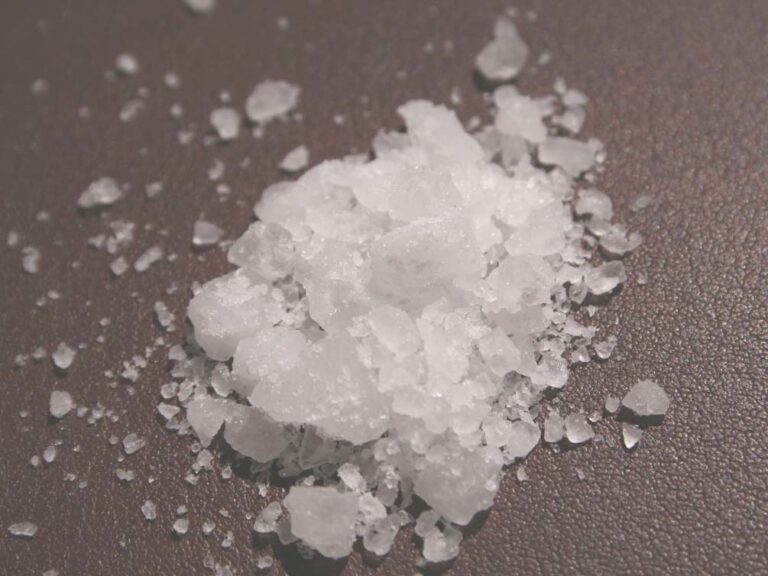
One of the oldest kitchen remedies there is. Here's what the research says about salt water gargling, how people make it, and when a sore throat needs a doctor instead.
The full guide, with how to use it and the safety notes, is in the Remedies Vault.
A spoonful of honey is one of the oldest cough remedies there is, and modern reviews back it up for children's coughs and cold symptoms. Here's what raw and manuka honey can and can't do, how manuka is graded, and the one rule every parent needs: no honey before the first birthday.
The full guide, with how to use it and the safety notes, is in the Remedies Vault.
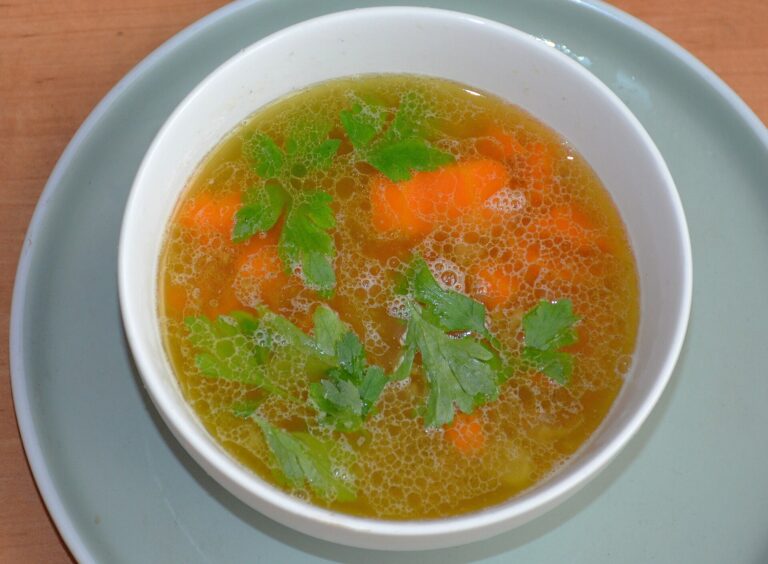
Grandmothers, Maimonides and Ayurvedic cooks all reached for long-cooked broth when someone was ill or run down. Here's what's known about bone broth today: what's really in the pot, what the research does and doesn't show, and how to make and store it safely.
The full guide, with how to use it and the safety notes, is in the Remedies Vault.
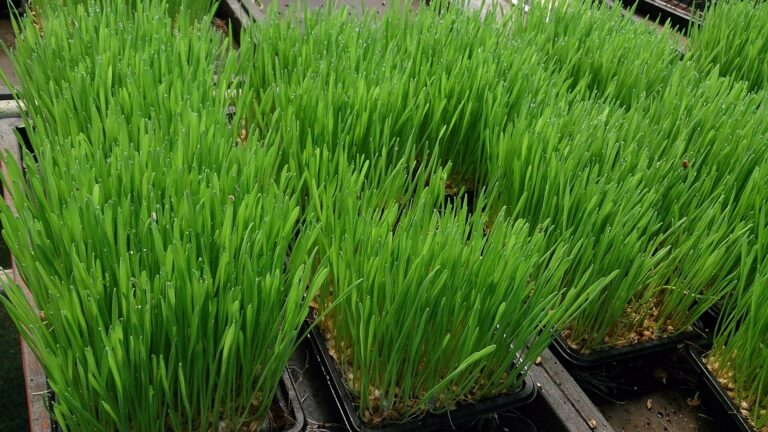
Wheatgrass shots and barley-grass powders have been sold as "detox" and "blood-builders" since the 1940s. Here is where the habit came from, what the small human trials found, how people use them, and the raw-sprout, wheat-allergy, coeliac and warfarin cautions.
The full guide, with how to use it and the safety notes, is in the Remedies Vault.
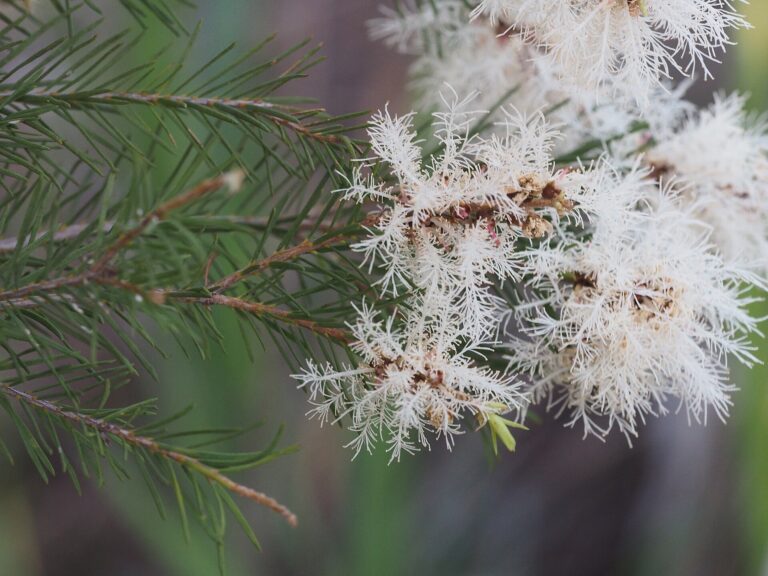
Tea tree oil is the Australian bush oil found in countless acne gels, foot creams and shampoos. It is for the skin and mouth rinses only, never for swallowing, and it needs careful handling around children and pets.
The full guide, with how to use it and the safety notes, is in the Remedies Vault.
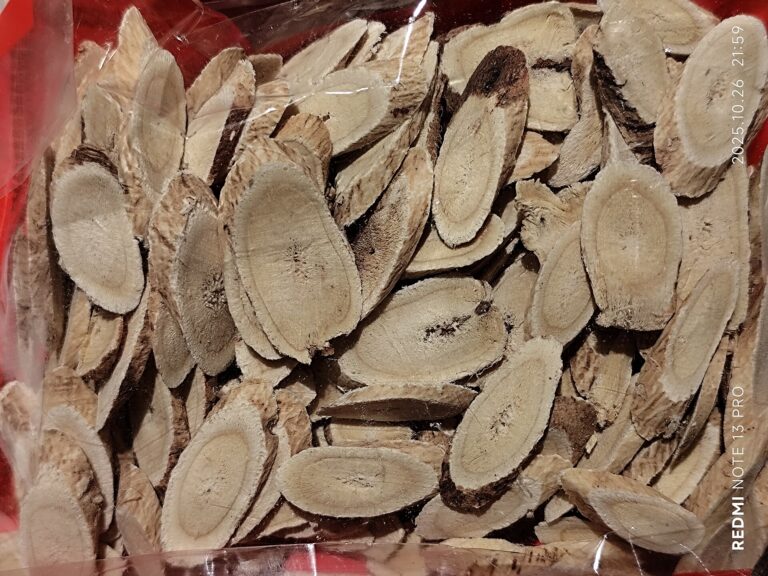
Huang Qi, the yellow root behind Chinese "Jade Windscreen" formulas, is one of the best-known qi tonics in traditional Chinese medicine and a popular immune-season herb in the West. Here's what the tradition uses it for, what the (mostly small, Chinese) studies show, the Health Canada amounts, and why people with autoimmune disease or a transplant should steer clear.
The full guide, with how to use it and the safety notes, is in the Remedies Vault.

A rare Himalayan fungus that grows out of moth caterpillars, cordyceps has been prized in Tibetan and Chinese medicine since at least the 1400s as an energy and lung–kidney tonic. Today almost all of it is grown in labs, and the research is far thinner than the marketing.
The full guide, with how to use it and the safety notes, is in the Remedies Vault.