Condition: Kidney health

  • Chanca Piedra

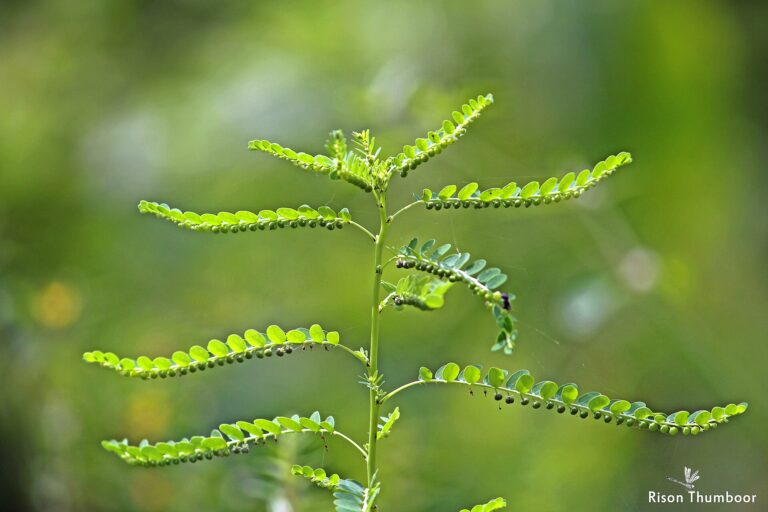
    Chanca piedra, the "stone breaker" herb of Brazil and India, is a popular tea for kidney, urinary and liver support. Here is its history, what the small studies on kidney stones and hepatitis B actually found, typical amounts, and the cautions to know first.
    Members-only guide

    The full guide, with how to use it and the safety notes, is in the Remedies Vault.

    See what’s in the Vault

    Already a member? Log in here
  • Lingonberry

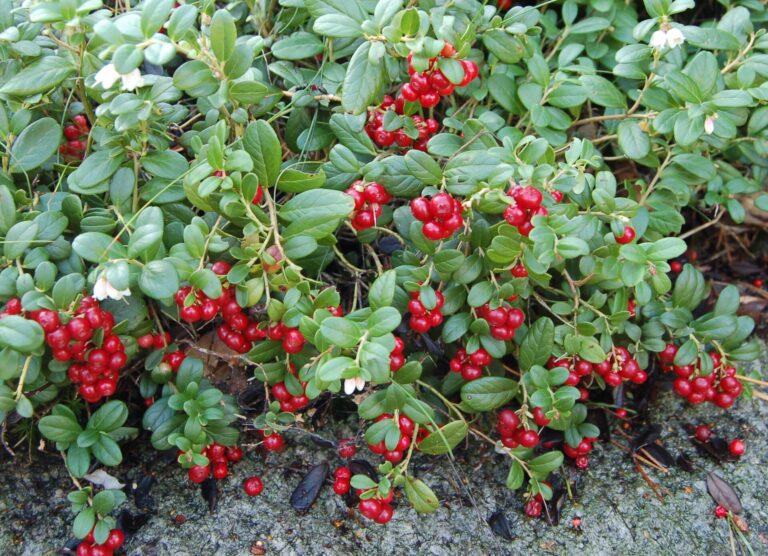
    The tart red berry of Nordic kitchens and Newfoundland "partridgeberry" jam is also a folk urinary remedy, and its juice, blended with cranberry, is in some of the best-known bladder-infection trials. Here's what it's used for, what the studies show, and why the berry and the leaf are two very different safety stories.

    Members-only guide

    The full guide, with how to use it and the safety notes, is in the Remedies Vault.

    See what’s in the Vault

    Already a member? Log in here
  • Celery Seed

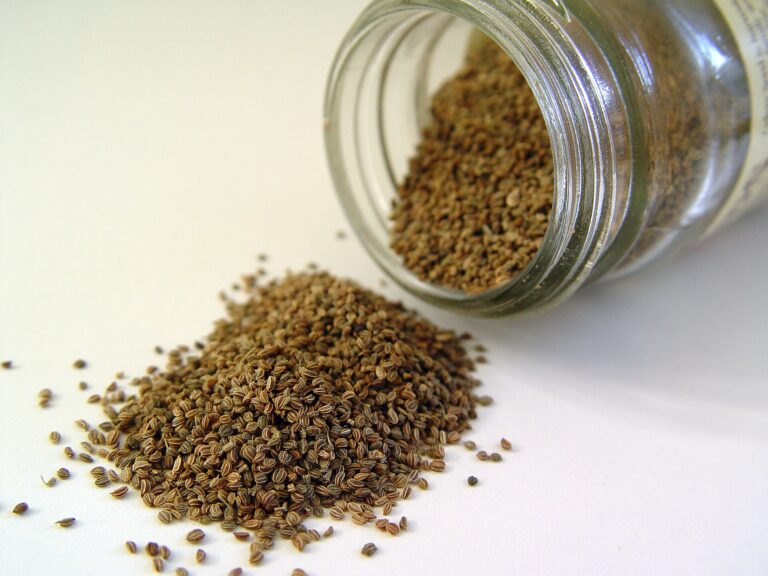
    The tiny seeds of the celery plant were an old European and Middle Eastern remedy for gout, sore joints and sluggish kidneys, and a celery seed extract has now had a small blood-pressure trial. This profile covers what's known, and why celery allergy and pregnancy are the big cautions.

    Members-only guide

    The full guide, with how to use it and the safety notes, is in the Remedies Vault.

    See what’s in the Vault

    Already a member? Log in here
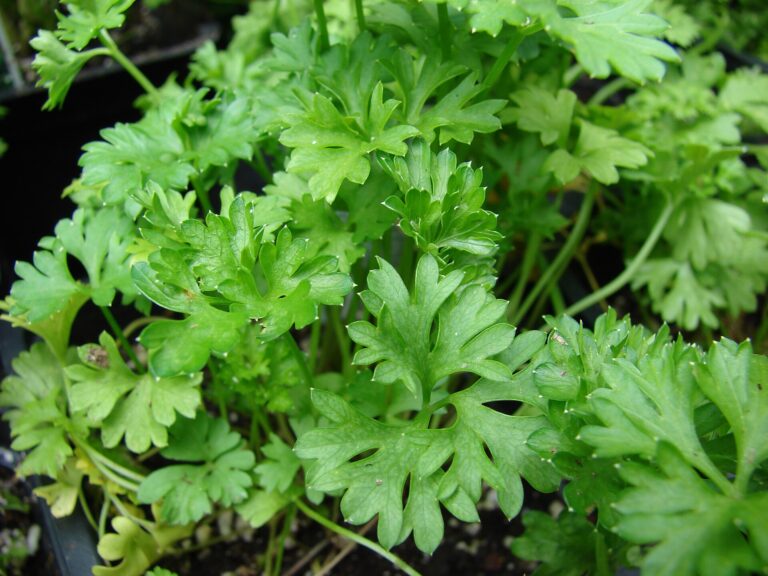
  • Parsley (Herbal Profile)

    The garnish on your plate has a long history as a kitchen herb for the bladder and the belly. This profile covers how traditions used the leaf, root and seed, why the evidence is thin, and why the seed and its oil are a different matter from the leaf.

    Members-only guide

    The full guide, with how to use it and the safety notes, is in the Remedies Vault.

    See what’s in the Vault

    Already a member? Log in here
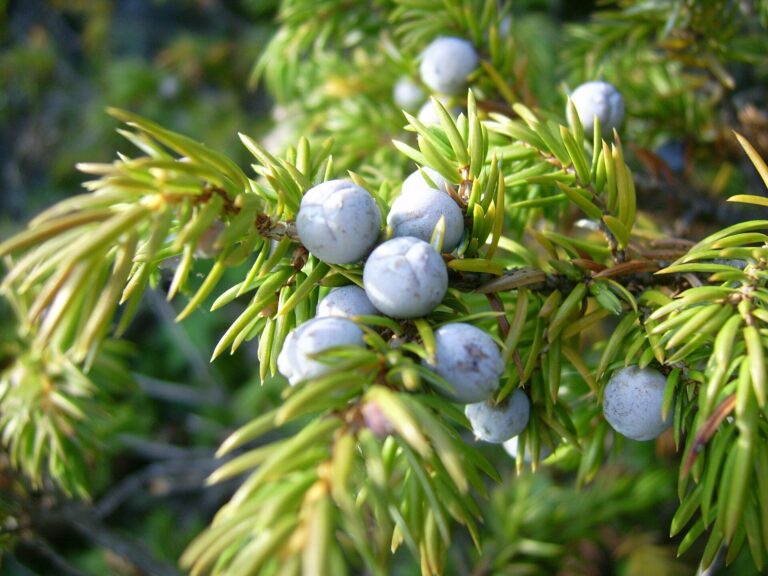
  • Juniper Berry

    The berry that flavours gin has a long second life as a European and North American folk herb for the bladder and the belly. This profile covers how traditions use it, why the evidence is thin, and the clear limits on how long and for whom it's used.

    Members-only guide

    The full guide, with how to use it and the safety notes, is in the Remedies Vault.

    See what’s in the Vault

    Already a member? Log in here
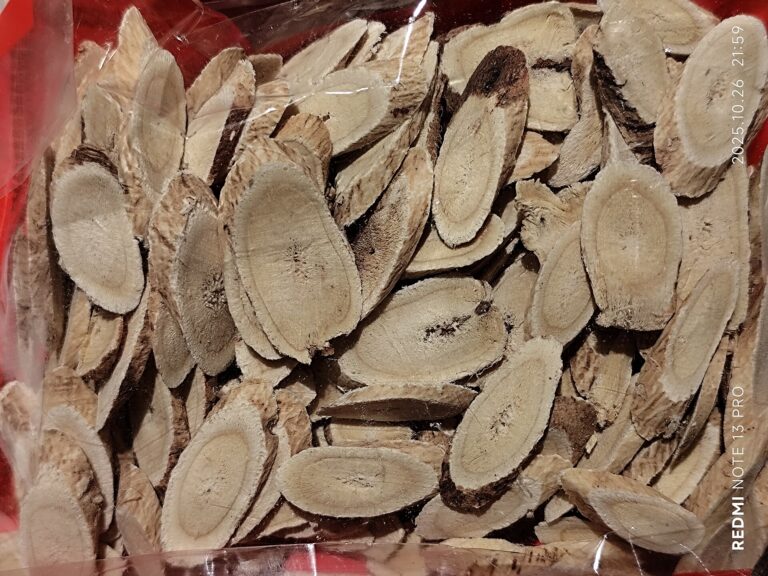
  • Astragalus

    Huang Qi, the yellow root behind Chinese "Jade Windscreen" formulas, is one of the best-known qi tonics in traditional Chinese medicine and a popular immune-season herb in the West. Here's what the tradition uses it for, what the (mostly small, Chinese) studies show, the Health Canada amounts, and why people with autoimmune disease or a transplant should steer clear.

    Members-only guide

    The full guide, with how to use it and the safety notes, is in the Remedies Vault.

    See what’s in the Vault

    Already a member? Log in here
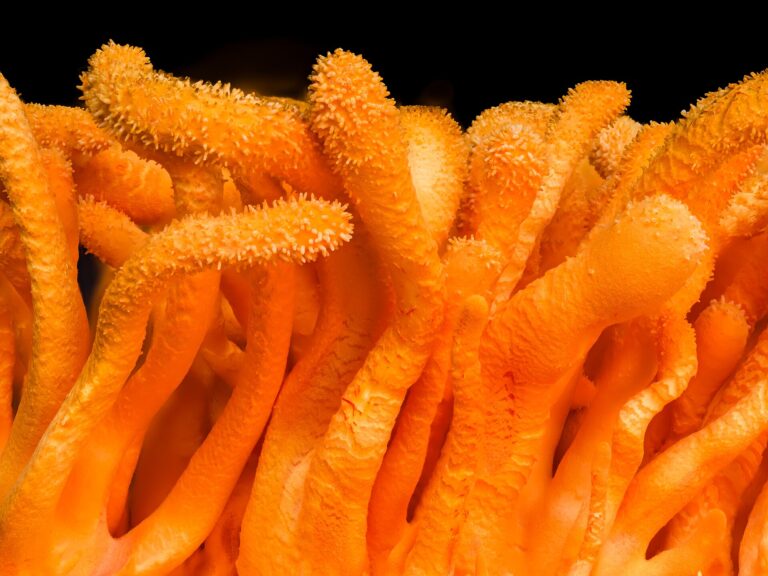
  • Cordyceps

    A rare Himalayan fungus that grows out of moth caterpillars, cordyceps has been prized in Tibetan and Chinese medicine since at least the 1400s as an energy and lung–kidney tonic. Today almost all of it is grown in labs, and the research is far thinner than the marketing.

    Members-only guide

    The full guide, with how to use it and the safety notes, is in the Remedies Vault.

    See what’s in the Vault

    Already a member? Log in here
  • Flaxseed

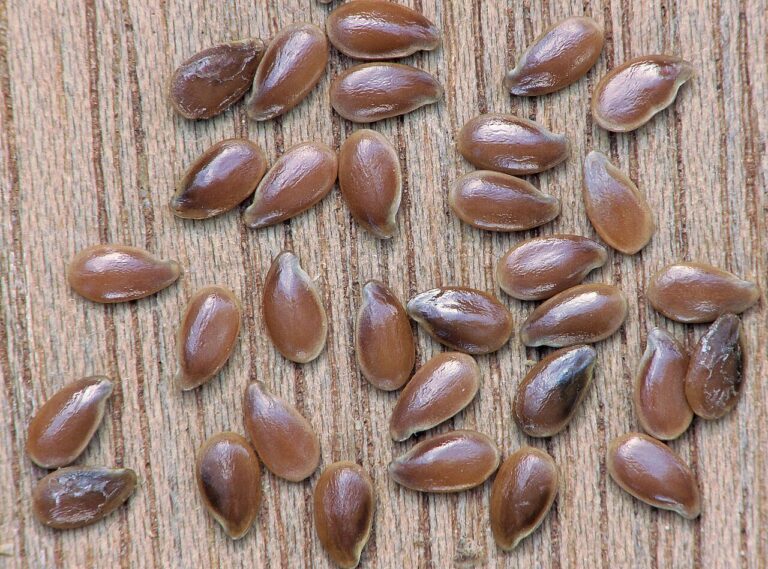
    The small brown or golden seed behind linseed tea, old-fashioned linseed poultices and today's breakfast sprinkle. Flax has been a food, fibre and folk remedy for thousands of years and is now one of the better-studied seeds for the bowels and blood pressure.

    Members-only guide

    The full guide, with how to use it and the safety notes, is in the Remedies Vault.

    See what’s in the Vault

    Already a member? Log in here
  • Sea Moss (Irish Moss)

    A red seaweed from rocky North Atlantic shores that Irish families boiled into a soothing drink for coughs and colds, and that Caribbean kitchens turned into a thick, spiced milk drink for strength. Today it's a popular gel and gummy sold as a mineral-rich "superfood".

    Members-only guide

    The full guide, with how to use it and the safety notes, is in the Remedies Vault.

    See what’s in the Vault

    Already a member? Log in here
  • Gotu Kola

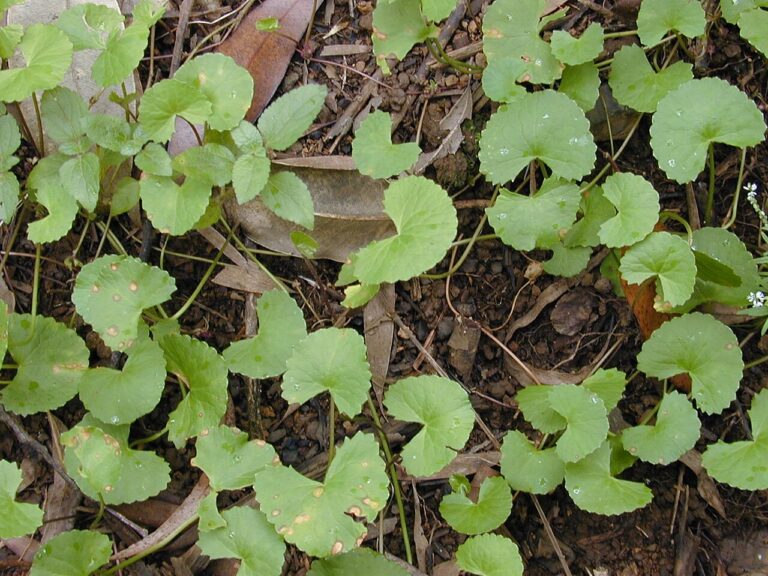
    A small creeping plant from the carrot family, prized in Ayurveda as a "medhya rasayana", a tonic for the mind, and across Asia for skin, wounds and longevity. Sri Lankan tradition held that eating the leaves helped people live longer.

    Members-only guide

    The full guide, with how to use it and the safety notes, is in the Remedies Vault.

    See what’s in the Vault

    Already a member? Log in here