Symptom: Joint pain & stiffness

  • Guggul

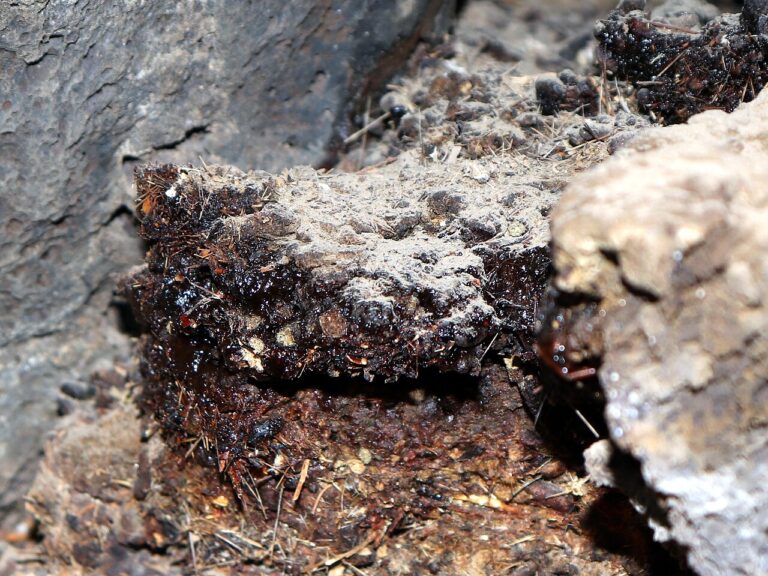
    Guggul is the fragrant resin at the heart of Ayurveda's "guggulu" tablets, used for centuries for joints, weight and skin. Here's what the tradition uses it for, why a well-known US trial surprised everyone, and the rash, thyroid and medicine cautions to know first. The tree is also critically endangered, so where it comes from matters.
    Membership Required

    You must be a member to access this content.

    View Membership Levels

    Already a member? Log in here
  • Celery Seed

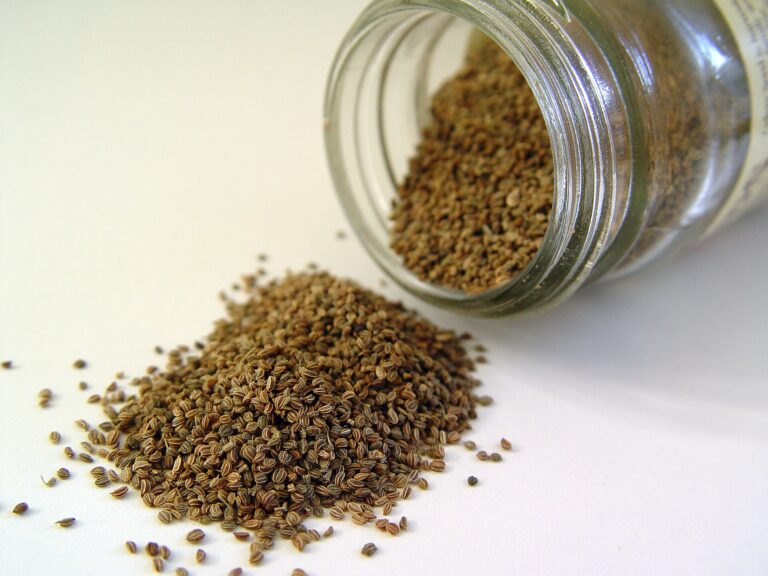
    The tiny seeds of the celery plant were an old European and Middle Eastern remedy for gout, sore joints and sluggish kidneys, and a celery seed extract has now had a small blood-pressure trial. This profile covers what's known, and why celery allergy and pregnancy are the big cautions.

    Membership Required

    You must be a member to access this content.

    View Membership Levels

    Already a member? Log in here
  • Ajwain (Carom Seed)

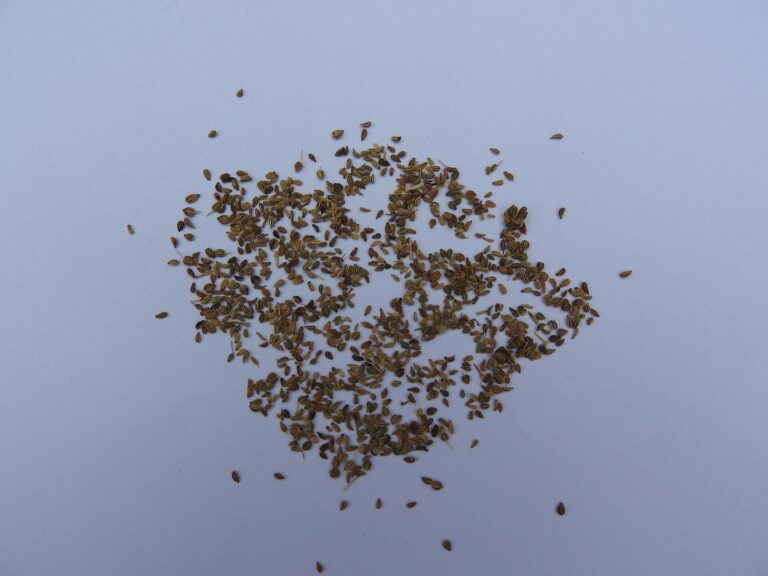
    Ajwain is the tiny, thyme-scented seed that goes into Indian breads, pakoras and bean dishes, and it's one of Ayurveda's and Unani medicine's best-known kitchen remedies for wind and indigestion. Here's what those traditions use it for, what little research there is, how it's taken, and why it's a firm no in pregnancy.

    Membership Required

    You must be a member to access this content.

    View Membership Levels

    Already a member? Log in here
  • Black Cohosh

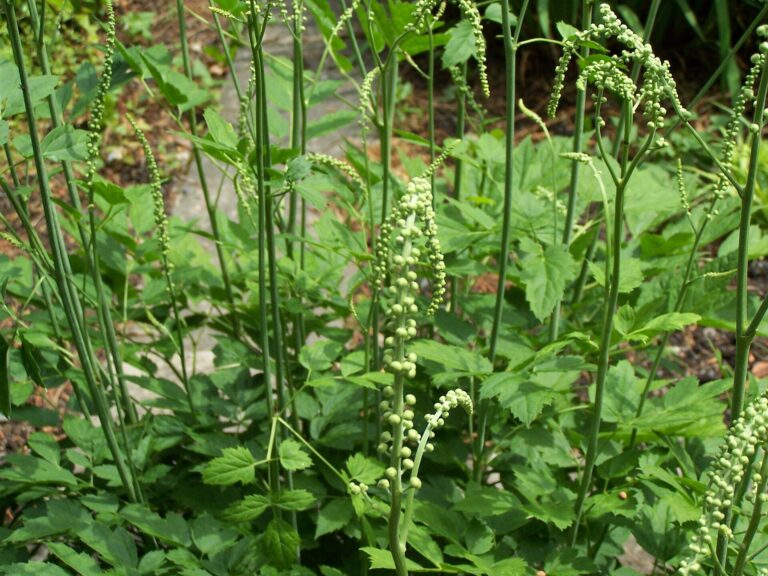
    A tall woodland plant with white flower spikes, used by Indigenous peoples of eastern North America and by 19th-century Eclectic doctors, and now one of the best-known herbs for hot flushes. Here's what the tradition used it for, what the menopause studies really show, the EU amounts, and why its rare liver warning matters.

    Membership Required

    You must be a member to access this content.

    View Membership Levels

    Already a member? Log in here
  • Rosehip

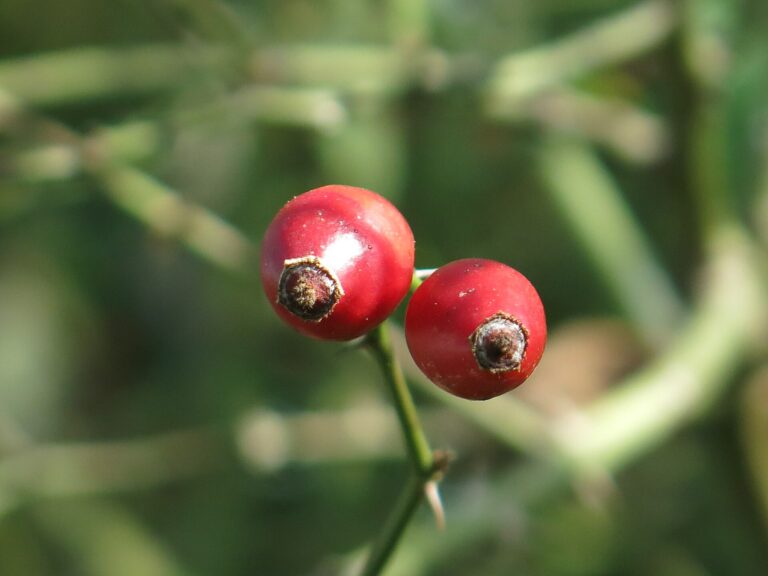
    The bright red fruit left on wild roses after the petals fall has been brewed into a warming winter tea for generations, from Indigenous communities in British Columbia to European kitchens. This profile covers its traditional uses, the joint research that put rosehip powder on the map, and who should go easy on it.

    Membership Required

    You must be a member to access this content.

    View Membership Levels

    Already a member? Log in here
  • Sarsaparilla

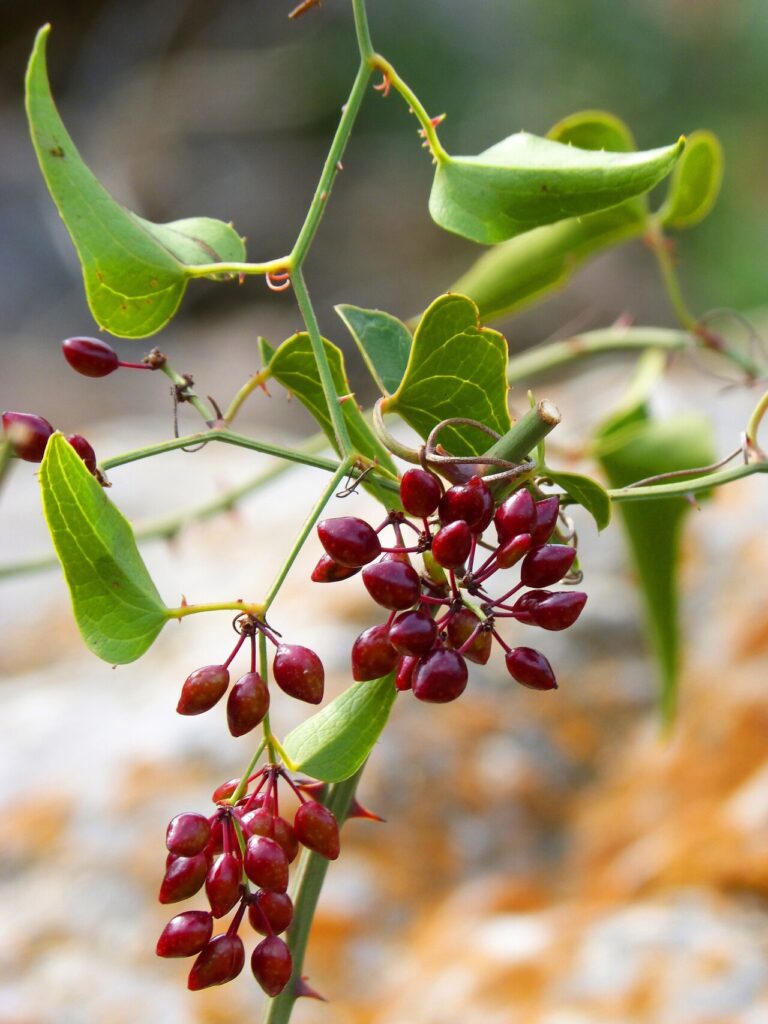
    Sarsaparilla root was one of the most famous "blood purifiers" of European and American medicine for about three centuries, and it still turns up in blood-cleanse, skin and men's tonic blends. Members get the full entry: its history, why doctors doubted it as early as the 1850s, what the research does and doesn't show, and its digoxin, lithium and kidney cautions.

    Membership Required

    You must be a member to access this content.

    View Membership Levels

    Already a member? Log in here
  • Flaxseed

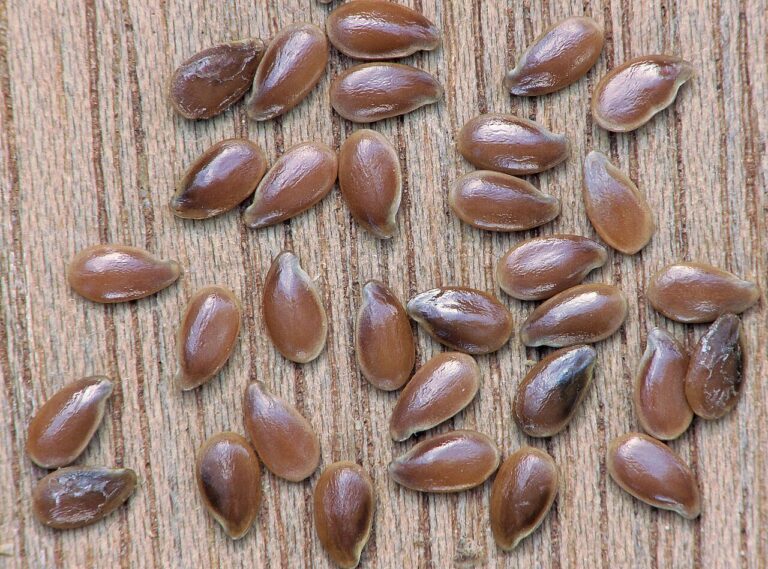
    The small brown or golden seed behind linseed tea, old-fashioned linseed poultices and today's breakfast sprinkle. Flax has been a food, fibre and folk remedy for thousands of years and is now one of the better-studied seeds for the bowels and blood pressure.

    Membership Required

    You must be a member to access this content.

    View Membership Levels

    Already a member? Log in here