
Boswellia (Frankincense)
The fragrant resin of the frankincense tree, burned in temples for thousands of years and used in Ayurveda for stiff, aching joints. Today it's one of the most-studied herbs for joint comfort.
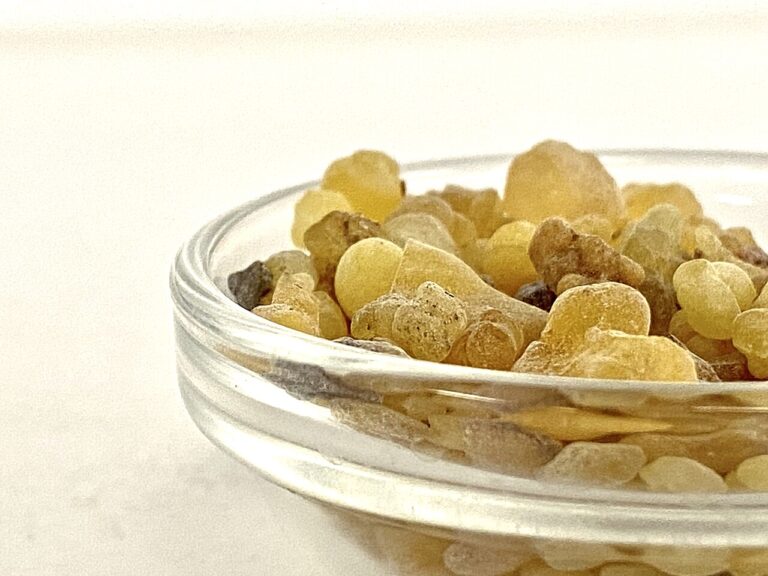
The fragrant resin of the frankincense tree, burned in temples for thousands of years and used in Ayurveda for stiff, aching joints. Today it's one of the most-studied herbs for joint comfort.
The full guide, with how to use it and the safety notes, is in the Remedies Vault.
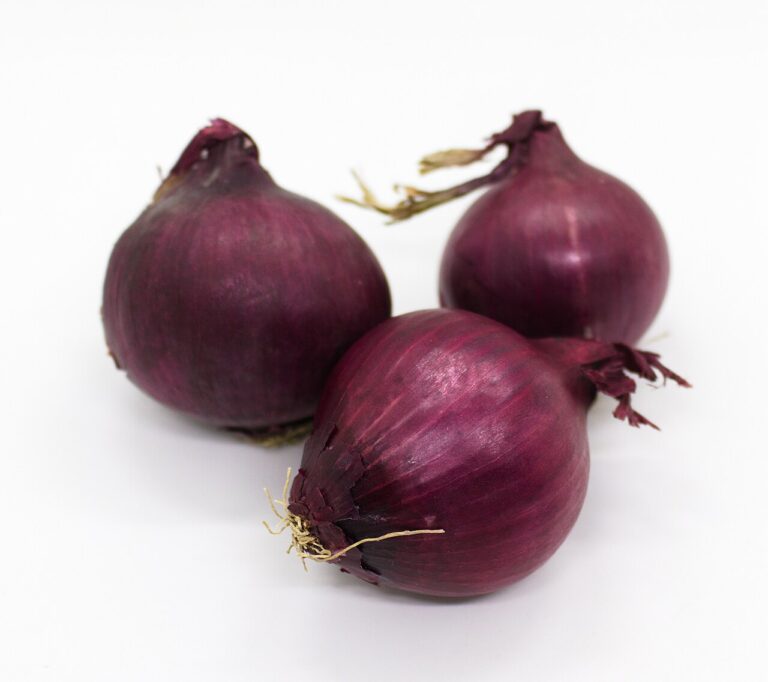
Quercetin is the most common flavonoid in the human diet, the yellow pigment behind onion skins and apple peels. Here's how naturopaths use it, the traditional herbs that are rich in it, and what the research shows.
The full guide, with how to use it and the safety notes, is in the Remedies Vault.
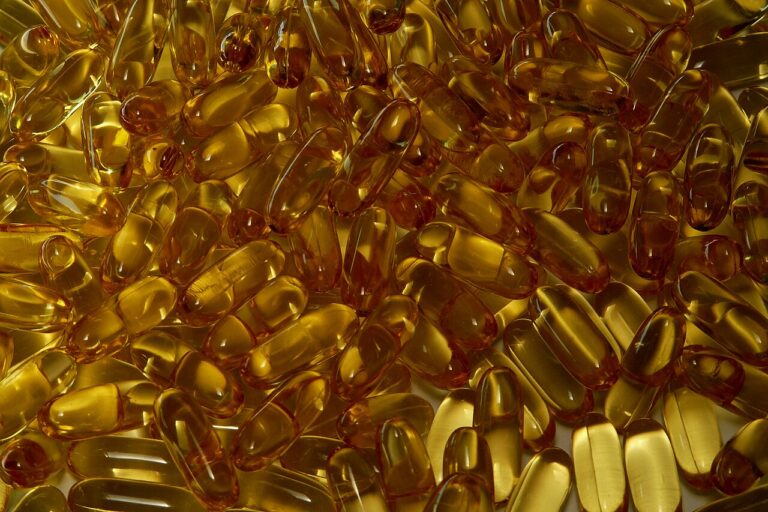
Fish oil carries EPA and DHA, the long-chain omega-3 fats found in oily fish. Here's how folk medicine and naturopaths have used it, from cod liver oil for "aches and pains" to heart and brain support, and what the big trials found.
The full guide, with how to use it and the safety notes, is in the Remedies Vault.
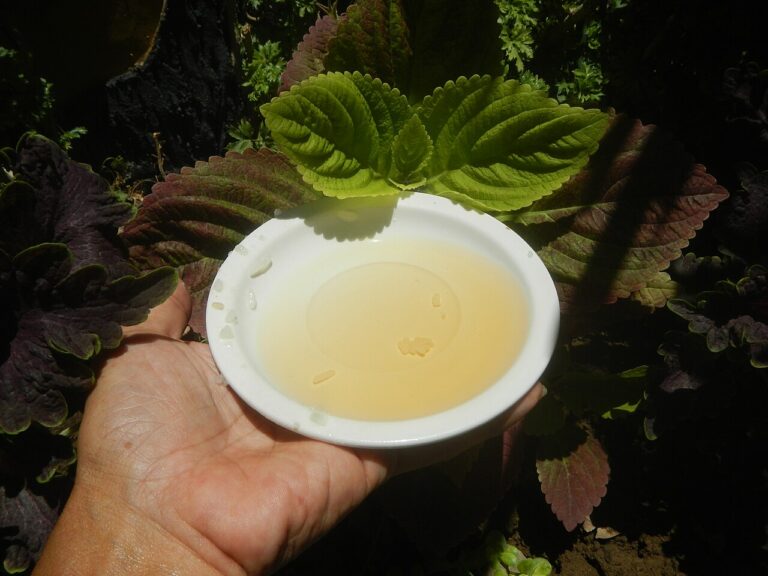
People have used vinegar as a kitchen remedy for thousands of years, from Hippocrates' wound care to the honey-and-vinegar tonics of Persian medicine. Here's what tradition says, what the small modern studies found, and how to take it without hurting your throat.
The full guide, with how to use it and the safety notes, is in the Remedies Vault.
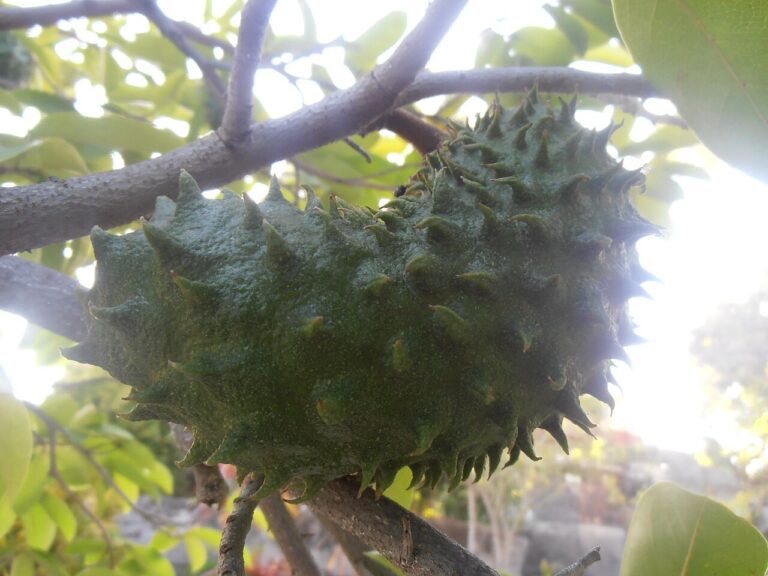
A tropical fruit tree whose leaves have been brewed as a folk tea across the Caribbean, Latin America and Africa for generations. Here's what tradition says, what the research has (and hasn't) shown, and the safety points every user should know first.
The full guide, with how to use it and the safety notes, is in the Remedies Vault.
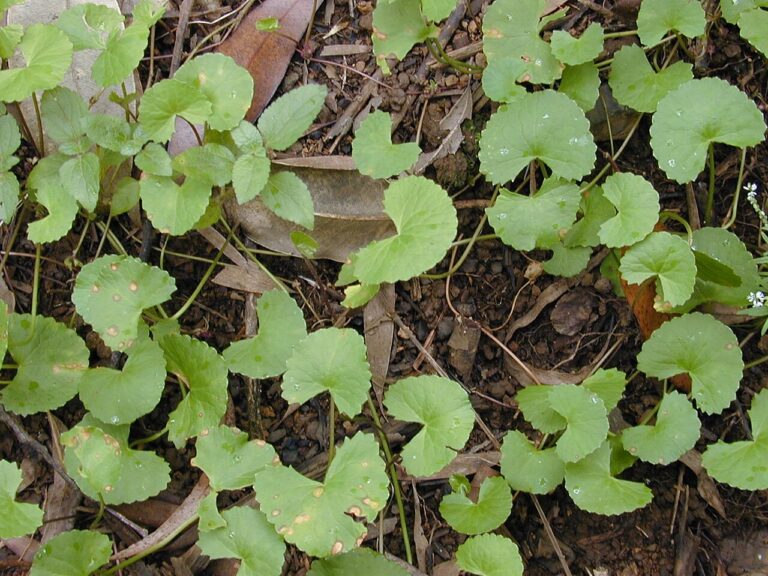
A small creeping plant from the carrot family, prized in Ayurveda as a "medhya rasayana", a tonic for the mind, and across Asia for skin, wounds and longevity. Sri Lankan tradition held that eating the leaves helped people live longer.
The full guide, with how to use it and the safety notes, is in the Remedies Vault.
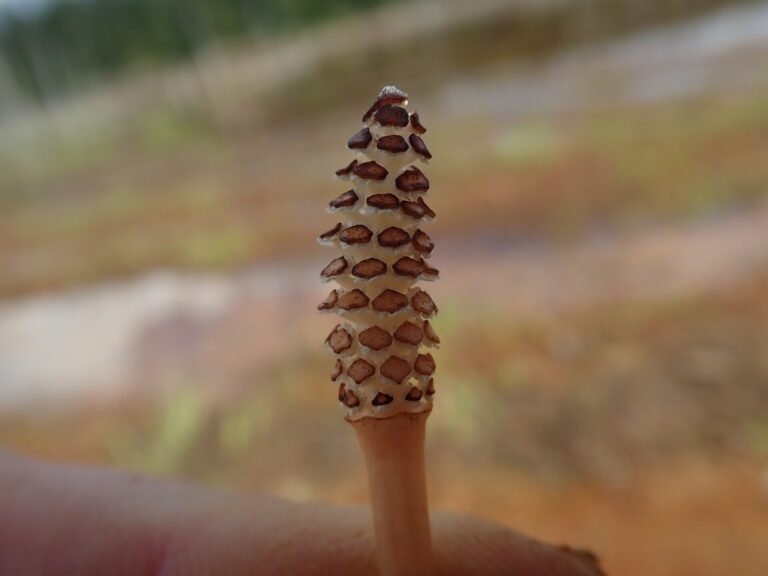
An ancient, jointed plant that looks like a little green bottle brush, horsetail is so rich in silica that people once used it to scrub pots and sand canoes. Here's what tradition and research say about it, and why it should be used carefully.
The full guide, with how to use it and the safety notes, is in the Remedies Vault.
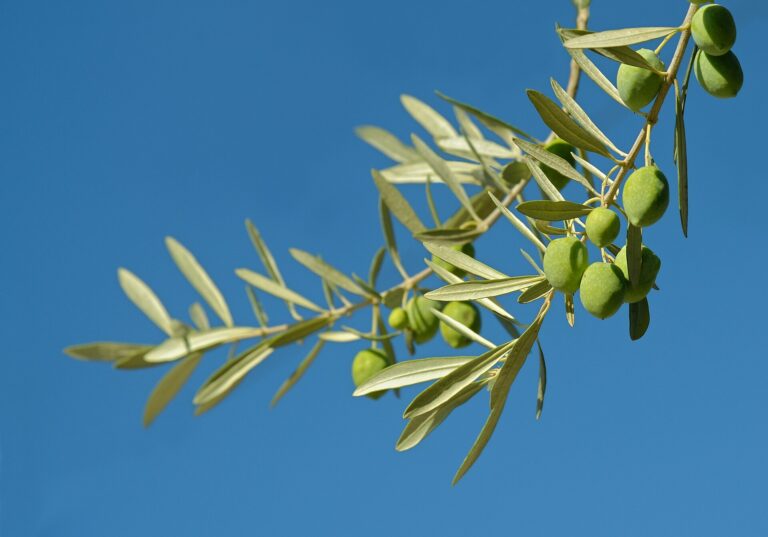
The silver-green leaves of the olive tree, one of the oldest cultivated trees on earth, have been brewed into a bitter tea around the Mediterranean for centuries. Here's what tradition and research say about them, and who should be careful.
The full guide, with how to use it and the safety notes, is in the Remedies Vault.
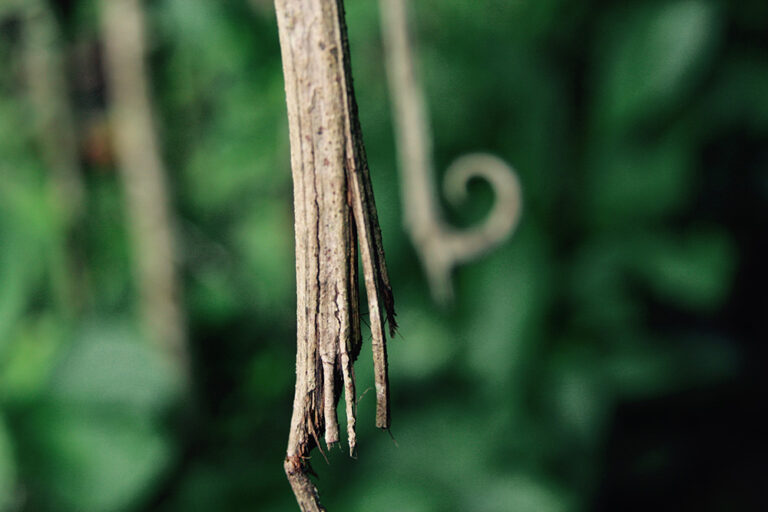
A thorny vine from the Amazon rainforest, named for the curved hooks on its stems, that Peruvian peoples have boiled into a bitter bark tea for generations. Here's what tradition and research say about it, and who should be careful.
The full guide, with how to use it and the safety notes, is in the Remedies Vault.
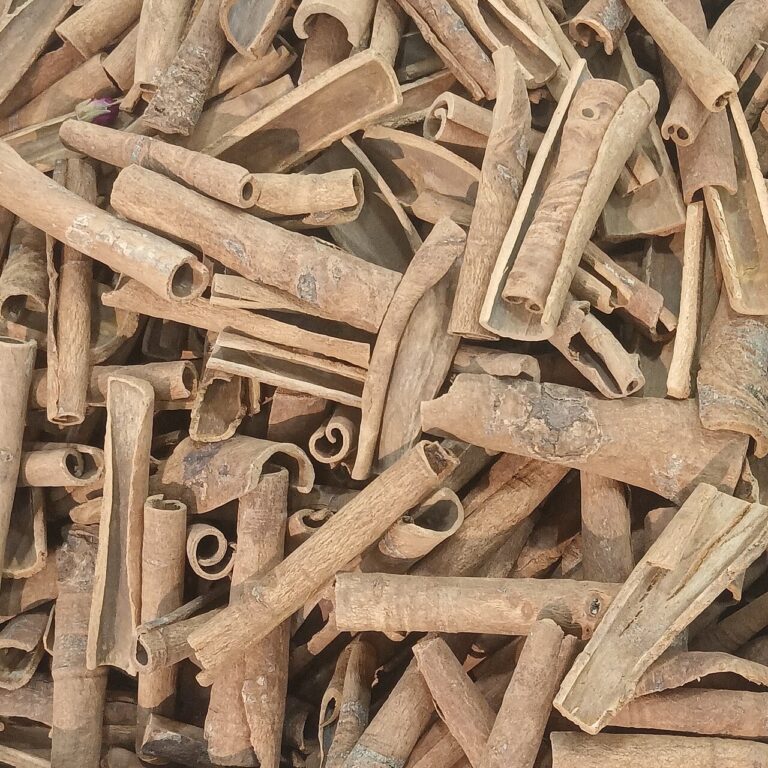
One of the oldest spices in the world, cinnamon was traded from Asia to Egypt as far back as 2000 BC. Ayurveda, Chinese medicine and Persian medicine all use it as a warming herb for digestion, circulation and the womb, and modern researchers are studying it for period pain and metabolic health.
The full guide, with how to use it and the safety notes, is in the Remedies Vault.