Lion’s mane is the shaggy white “monkey head” mushroom of Chinese and Japanese tradition, eaten as a delicacy and used for centuries to support the stomach and, more recently, memory and mood. Here’s what tradition says, what the early research shows, and who should be careful with it.
Similar Posts
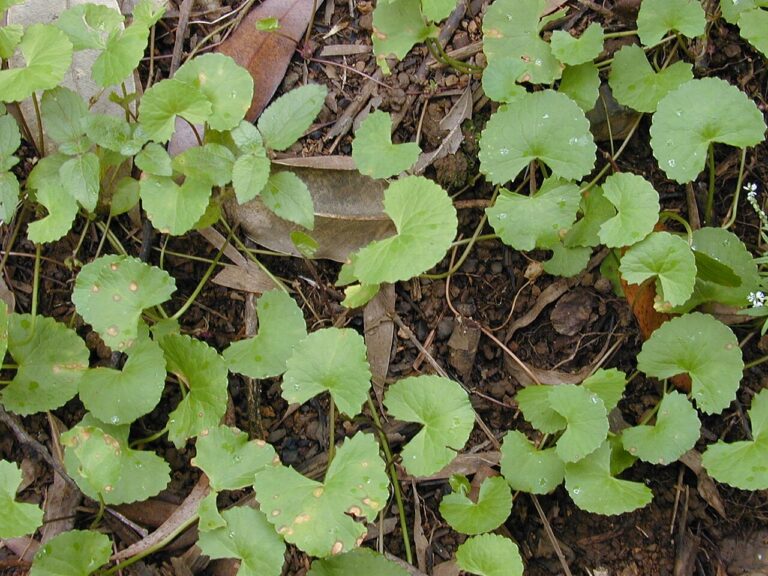
Gotu Kola
ByClifA small creeping plant from the carrot family, prized in Ayurveda as a "medhya rasayana", a tonic for the mind, and across Asia for skin, wounds and longevity. Sri Lankan tradition held that eating the leaves helped people live longer.
Zeolite (Clinoptilolite)
ByClifZeolite is a volcanic mineral with a honeycomb of tiny pores, and people take the purified form as a binder during a detox. Members get the full entry: what the (still small) research shows, common forms, typical amounts and who should steer clear.
Bentonite Clay
ByClifBentonite is a volcanic-ash clay that people stir into water as a gut "binder" during a cleanse. Members can see what the research actually shows, how people typically use it, and the quality checks that matter most with clay.
Burdock Root
ByClifBurdock root is an edible root that herbalists have long called a "blood purifier", traditionally used to support the body's own exit routes through the kidneys and skin. Members can read what the research does and doesn't show, typical amounts from official herbal monographs, and who should skip it.
Elderberry (Sambucus nigra)
ByClifA dark purple berry that European households have cooked into syrups for generations at the first sign of a cold. Today it's one of the most popular herbal supports for the cold and flu season.
Cinnamon
ByClifOne of the oldest spices in the world, cinnamon was traded from Asia to Egypt as far back as 2000 BC. Ayurveda, Chinese medicine and Persian medicine all use it as a warming herb for digestion, circulation and the womb, and modern researchers are studying it for period pain and metabolic health.
