The silver-green leaves of the olive tree, one of the oldest cultivated trees on earth, have been brewed into a bitter tea around the Mediterranean for centuries. Here’s what tradition and research say about them, and who should be careful.
Similar Posts
Moringa
ByClifCalled the "miracle tree" across Asia and Africa, moringa is both a food and a traditional medicine, and its leaves are packed with plant nutrients. Here's what tradition uses it for, what the studies show, and who should be careful with it.
Rhodiola
ByClifA hardy Arctic and mountain root that Scandinavian, Siberian and Russian folk medicine have long used for endurance, cold winters and recovering strength. Today it's one of the best-known "adaptogens" for everyday stress and tiredness.
Peppermint
ByClifPeppermint has settled stomachs and freshened breath since ancient Egypt, and today it's one of the few herbs with solid research behind it, especially for an irritable gut. Here's how tradition uses the leaf and the oil, what the studies show, and who should skip it.
Ginseng (Asian and American)
ByClifGinseng has been the prized "root of strength" in Chinese medicine for centuries, and American ginseng was a woodland medicine of Indigenous peoples before it became a major export to China. Here's how the two ginsengs differ in tradition, what modern studies show for energy and fatigue, and who should be careful with it.
Wormwood
ByClifWormwood is one of the bitterest herbs there is, and one of the three classic herbs in the traditional "parasite cleanse". Members can read what the research actually shows, the typical amounts from European and Canadian references, and the safety points that matter most with this strong herb.
Soursop (Graviola)
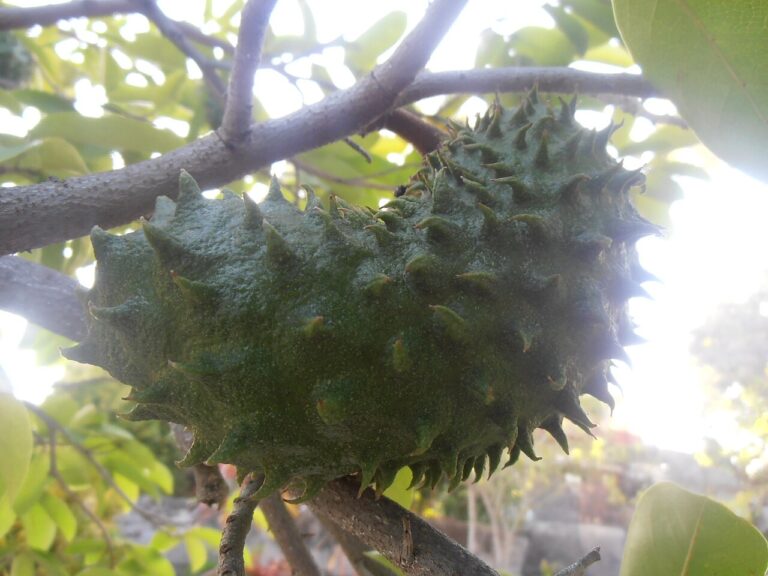
ByClifA tropical fruit tree whose leaves have been brewed as a folk tea across the Caribbean, Latin America and Africa for generations. Here's what tradition says, what the research has (and hasn't) shown, and the safety points every user should know first.