
Dry Brushing
Dry brushing takes a few minutes before a shower and leaves skin noticeably smoother. Here's where the habit comes from, what it does and doesn't do for the lymph system, and how to keep it gentle on your skin.
Members-only reference entries on herbs, binders, foods and practices used in detoxing.
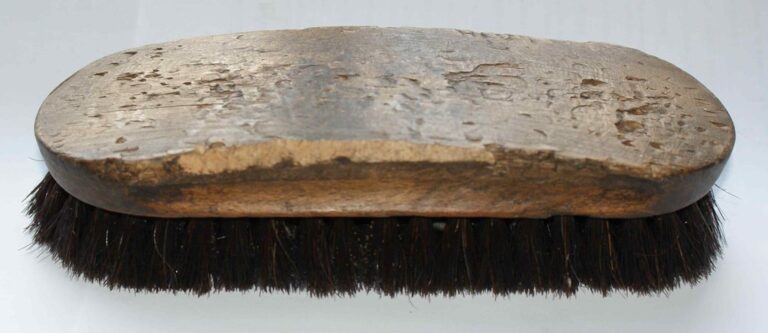
Dry brushing takes a few minutes before a shower and leaves skin noticeably smoother. Here's where the habit comes from, what it does and doesn't do for the lymph system, and how to keep it gentle on your skin.
The full guide, with how to use it and the safety notes, is in the Remedies Vault.
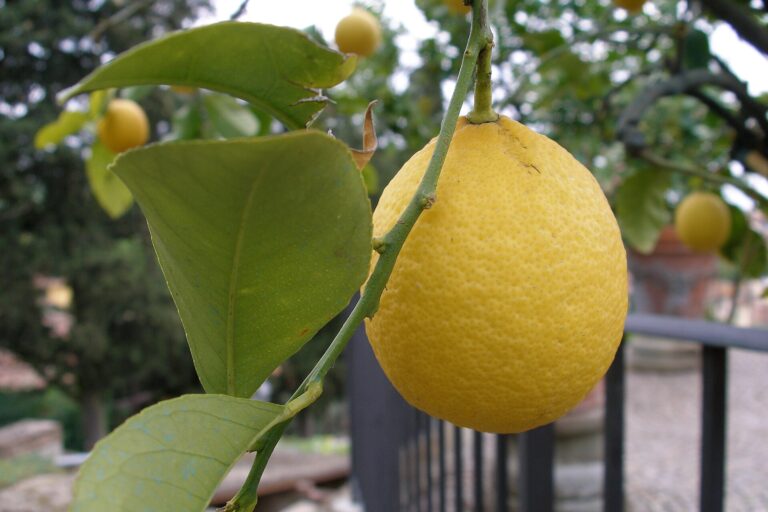
Warm lemon water is probably the most familiar morning "detox" ritual there is. Here's what lemon brings to the glass (citrate, vitamin C, a reason to drink more water), what it doesn't do, and how to keep it gentle on your teeth.
The full guide, with how to use it and the safety notes, is in the Remedies Vault.
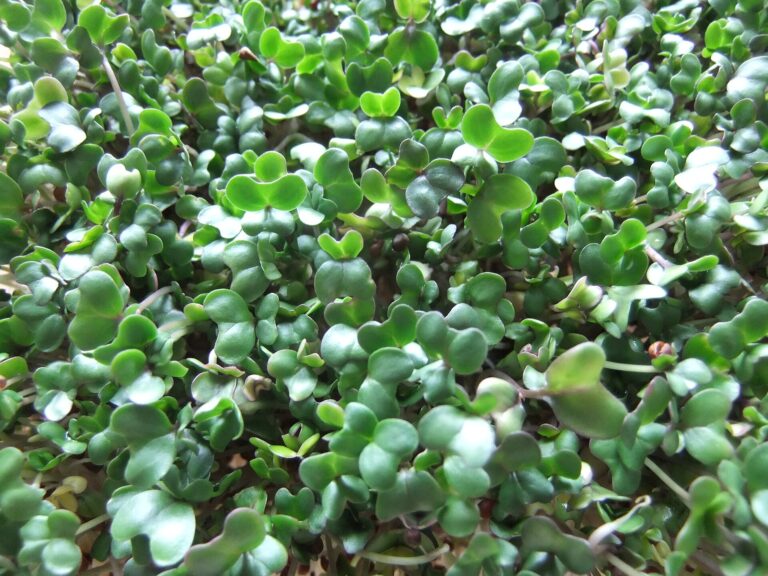
Tiny broccoli sprouts carry far more of the compound that becomes sulforaphane than grown broccoli does, and they're one of the few "detox foods" tested in a large human trial on air pollutants. Here's what that trial found, the forms people use, and the food-safety cautions for raw sprouts.
The full guide, with how to use it and the safety notes, is in the Remedies Vault.
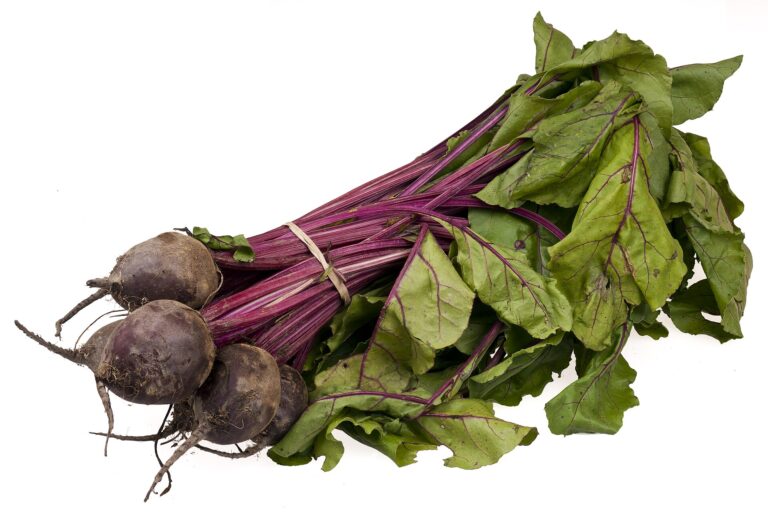
The deep-red root that shows up in almost every liver cleanse and "detox juice." Here's why people reach for it, what the research actually shows (mostly about blood pressure, not detox), and the harmless-but-alarming side effect everyone should know about.
The full guide, with how to use it and the safety notes, is in the Remedies Vault.
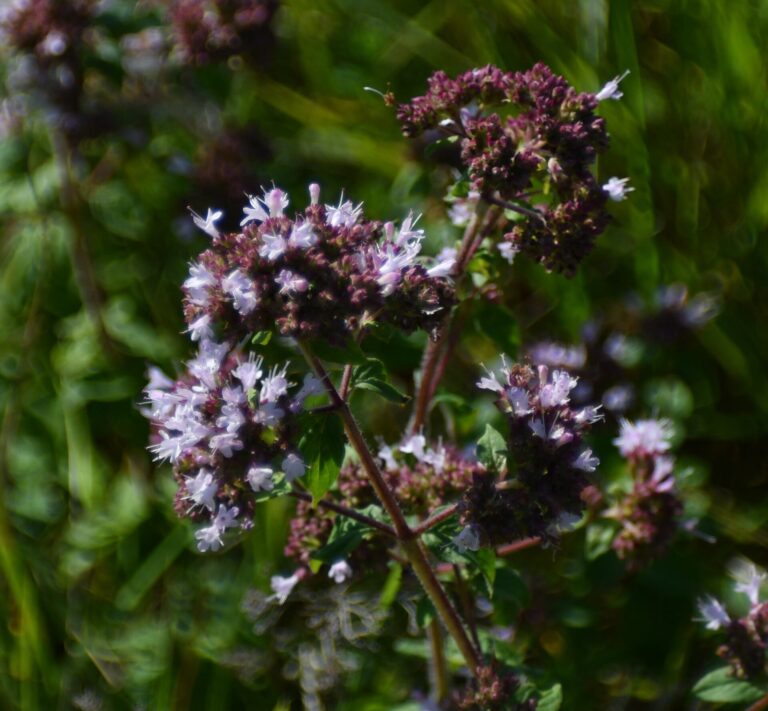
Oil of oregano is a strong-tasting herbal oil that many people add to parasite and gut & candida cleanses. Here's what the (small) research shows, the forms people use, and why it needs more care than the oregano in your kitchen.
The full guide, with how to use it and the safety notes, is in the Remedies Vault.
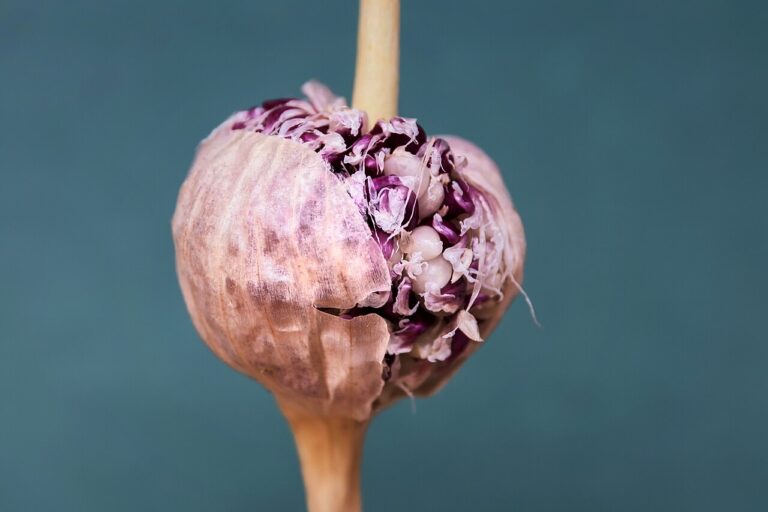
Garlic fed the pyramid builders, went into Hippocrates' remedies and is still one of the most used herbs in Ayurveda and Chinese medicine. Here's how each tradition uses it, what the bigger modern studies found for blood pressure, cholesterol and colds, and the medicine interactions that come with the supplements.
The full guide, with how to use it and the safety notes, is in the Remedies Vault.
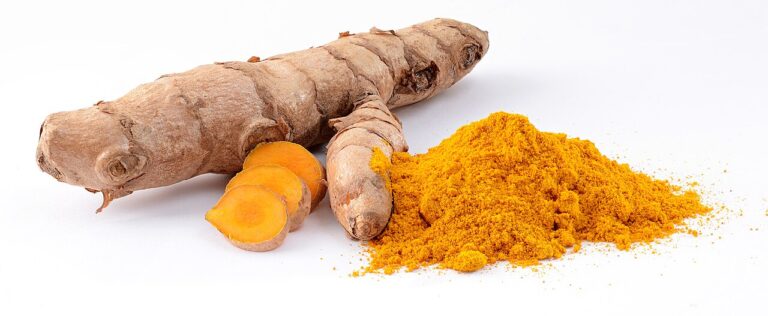
Turmeric is the golden root behind curry, wedding rituals and centuries of Ayurvedic and Chinese herbal practice. Here's how each tradition uses it, what modern studies on joints and digestion actually found, and why the strongest "high-absorption" capsules need more caution than the spice.
The full guide, with how to use it and the safety notes, is in the Remedies Vault.
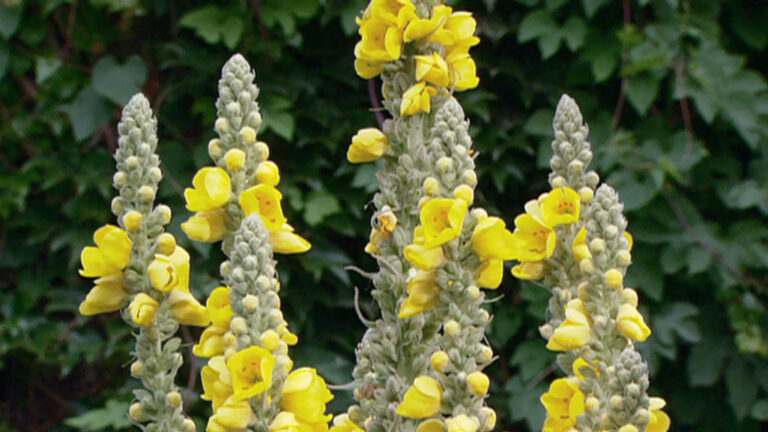
Mullein is the tall, velvety roadside plant that peoples from Spain to Turkey to the Canadian Interior have turned to for tight, irritated chests. Members can read every traditional use, how its soothing compounds are believed to work, and what the small body of research shows.
The full guide, with how to use it and the safety notes, is in the Remedies Vault.
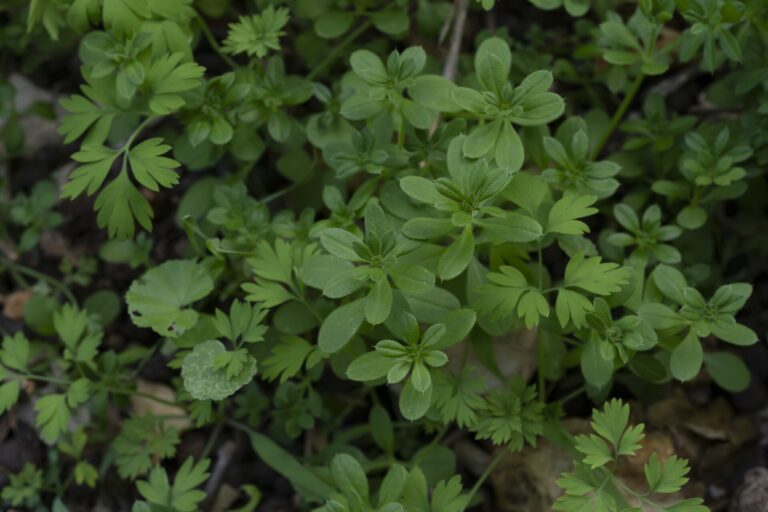
The sticky, climbing "goosegrass" weed that clings to your socks is one of herbalism's classic lymph herbs, usually taken as a gentle tea or fresh juice in spring. Members can see how people use it, what little research exists, and who should skip it.
The full guide, with how to use it and the safety notes, is in the Remedies Vault.
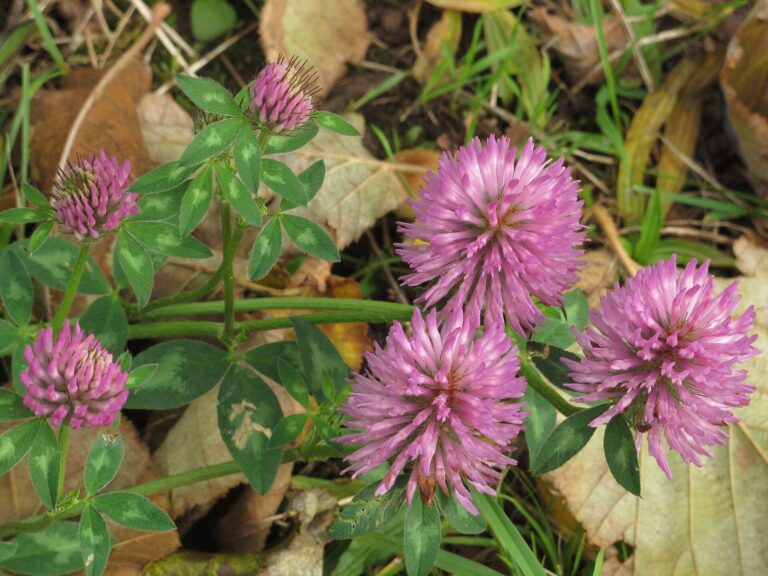
A pink meadow flower that herbalists have long counted among the classic "blood purifier" herbs, often sipped as a gentle tea. Members can see how people use it, what the research does and doesn't show, and why it isn't for everyone.
The full guide, with how to use it and the safety notes, is in the Remedies Vault.