Detox Library

Members-only reference entries on herbs, binders, foods and practices used in detoxing.

  • Mimosa Pudica Seed

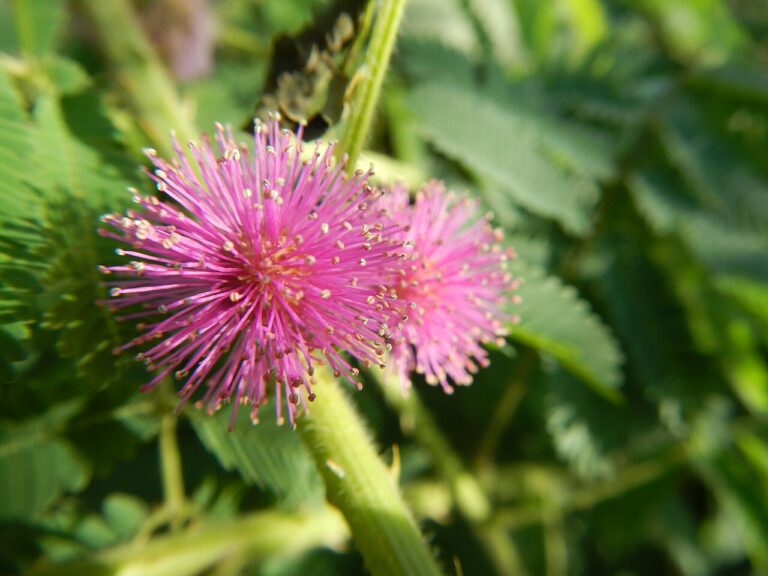
    Mimosa pudica, the "sensitive plant" whose leaves fold shut when touched, has become one of the most talked-about parasite-cleanse seeds online. Members get the full entry: its Ayurvedic and folk history, what the lab studies do and don't show, what labels list, and the safety gaps to know before trying it.
    Members-only guide

    The full guide, with how to use it and the safety notes, is in the Remedies Vault.

    See what’s in the Vault

    Already a member? Log in here
  • Pumpkin Seeds

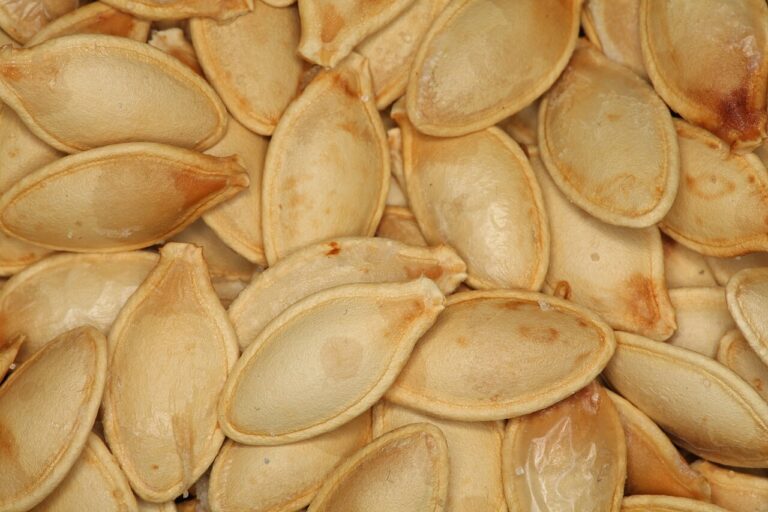
    Pumpkin seeds were an official worm remedy in US pharmacy books for over 70 years, and today they're one of the most-shared "parasite cleanse" foods online. Members get the full entry: where the tradition comes from, the one human tapeworm study (and why it can't be copied at home), typical food amounts, and who should be careful.

    Members-only guide

    The full guide, with how to use it and the safety notes, is in the Remedies Vault.

    See what’s in the Vault

    Already a member? Log in here
  • Papaya Seeds

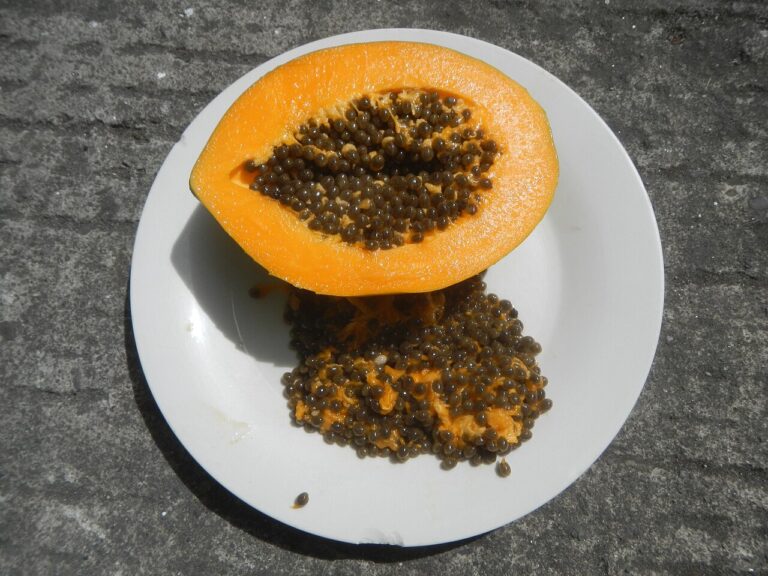
    Those small black seeds you scoop out of a papaya have a long folk reputation as a worm remedy, and they've lately become a social-media "parasite cleanse". Members get the full entry: where the idea comes from, the two small studies in children behind it, typical amounts used in research, and the fertility and pregnancy cautions to know first.

    Members-only guide

    The full guide, with how to use it and the safety notes, is in the Remedies Vault.

    See what’s in the Vault

    Already a member? Log in here
  • Diatomaceous Earth (safety entry)

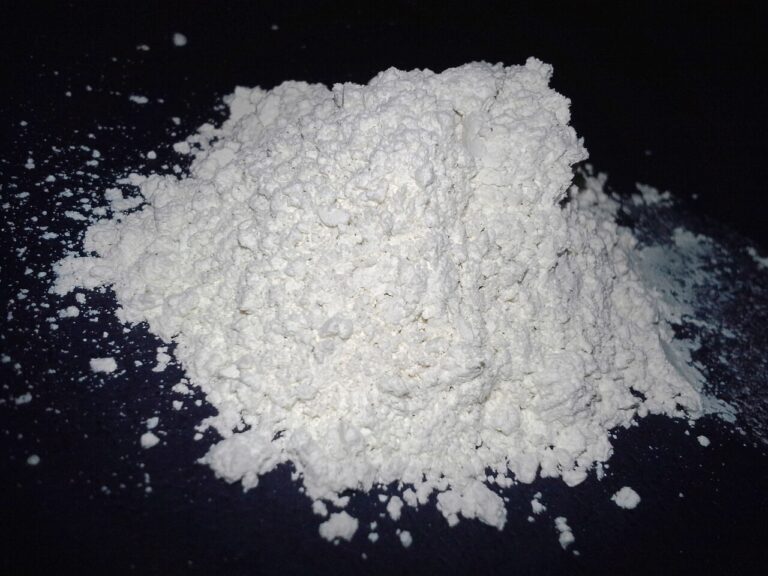
    Food-grade diatomaceous earth is a fine white powder made from fossilized algae, sold for garden pests and stirred into water by some detoxers for "parasites" and "heavy metals". Members get the full entry: where the idea comes from, what the research actually shows (spoiler: very little in people), and the breathing risk that matters more than any claimed benefit.

    Members-only guide

    The full guide, with how to use it and the safety notes, is in the Remedies Vault.

    See what’s in the Vault

    Already a member? Log in here
  • Humic and Fulvic Acid

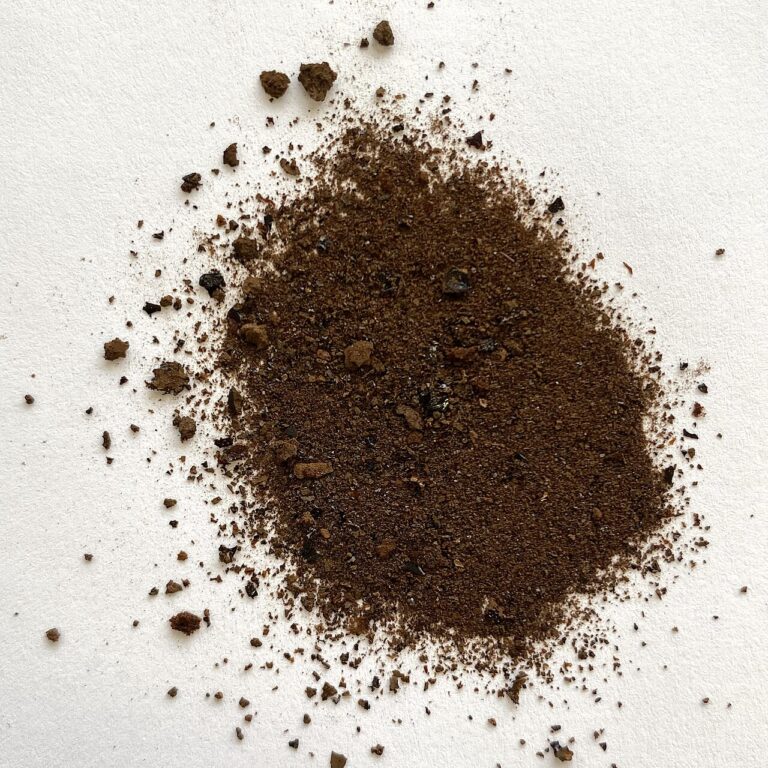
    Humic and fulvic acids are the dark, carbon-rich compounds that form as plants break down in soil, peat and ancient deposits. Detoxers take them as a liquid "binder" for metals and gut support. Members get the full entry: where the idea comes from, what the (mostly lab and animal) research shows, label amounts, and why Health Canada has stepped in on one fulvic product.

    Members-only guide

    The full guide, with how to use it and the safety notes, is in the Remedies Vault.

    See what’s in the Vault

    Already a member? Log in here
  • Epsom Salt Baths

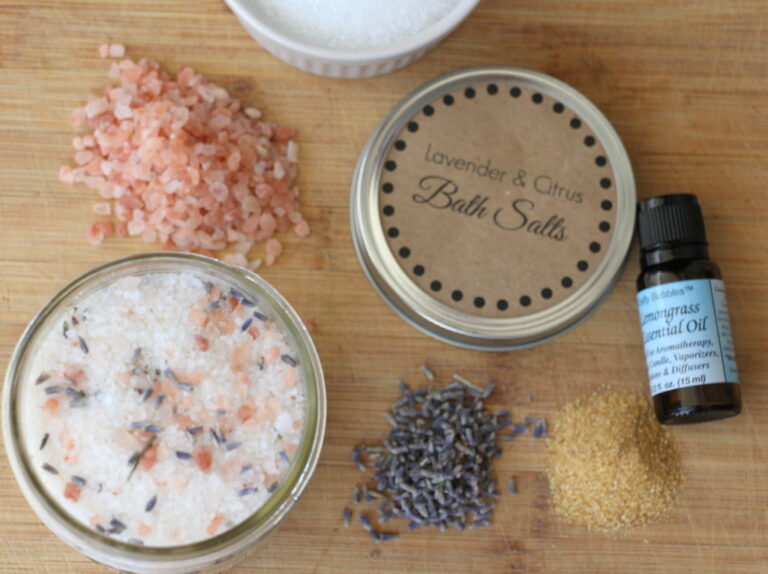
    A warm soak with Epsom salt is one of the oldest and simplest rituals in home detox routines, used to unwind sore muscles and settle in for sleep. Members can see what the "detox bath" claims are based on, what the research actually shows, and who should skip it.

    Members-only guide

    The full guide, with how to use it and the safety notes, is in the Remedies Vault.

    See what’s in the Vault

    Already a member? Log in here
  • Rebounding

    Rebounding means gentle bouncing on a small fitness trampoline, and it's a favourite in detox circles for "getting the lymph moving." Members can read where that idea came from, what the research does (and doesn't) show, how studies set up their sessions, and who should stay off the rebounder.

    Members-only guide

    The full guide, with how to use it and the safety notes, is in the Remedies Vault.

    See what’s in the Vault

    Already a member? Log in here
  • Castor Oil Packs

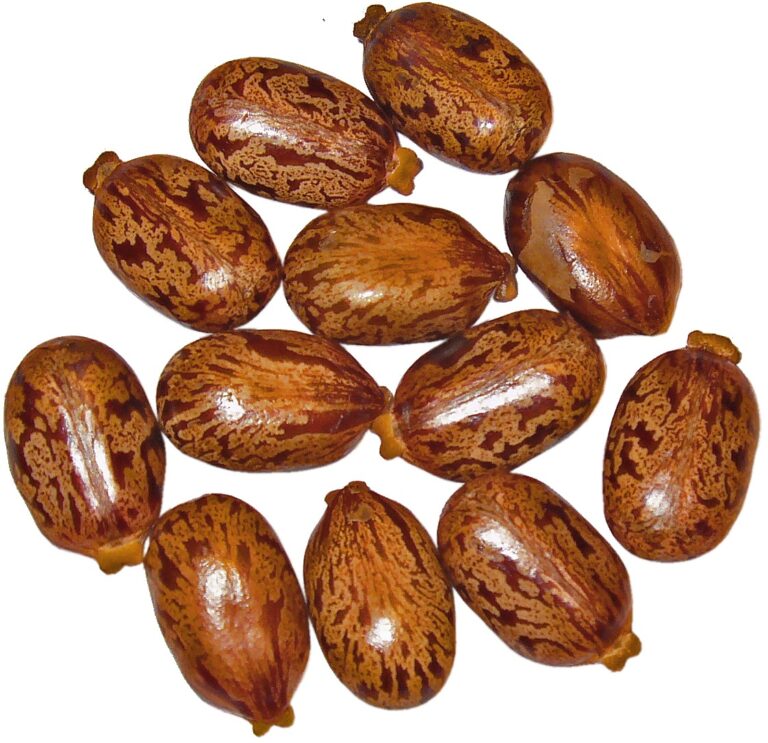
    A castor oil pack is an oil-soaked cloth laid over the belly and warmed, a slow, quiet ritual many detoxers use on rest days. Members can read where the practice comes from, what the (very small) research shows, how people traditionally set it up, and the safety points that matter.

    Members-only guide

    The full guide, with how to use it and the safety notes, is in the Remedies Vault.

    See what’s in the Vault

    Already a member? Log in here
  • |

    Marshmallow Root

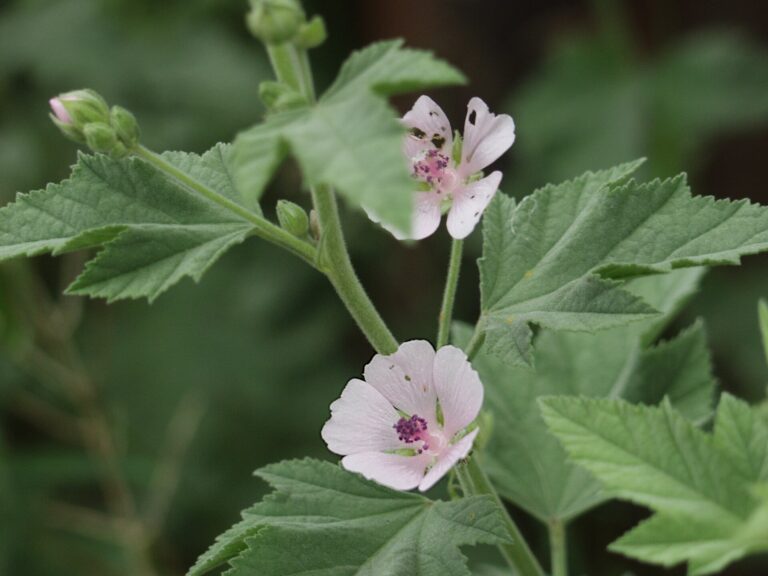
    Marshmallow root (the plant, not the candy) is a soft root that turns slippery in water. Herbalists have used it for over 2,000 years to soothe the throat and an irritated gut. Members can read what the research really shows, the typical amounts in the European monograph, and the medicine-timing point to know first.

    Members-only guide

    The full guide, with how to use it and the safety notes, is in the Remedies Vault.

    See what’s in the Vault

    Already a member? Log in here
  • |

    Slippery Elm

    Slippery elm is a North American tree bark that turns silky and gel-like in water, and it's a favourite gentle "soother" in gut-focused routines. Members can read its long history, what the (thin) research shows, and the timing and safety points to know first.

    Members-only guide

    The full guide, with how to use it and the safety notes, is in the Remedies Vault.

    See what’s in the Vault

    Already a member? Log in here