Detox Library

Members-only reference entries on herbs, binders, foods and practices used in detoxing.

  • Chlorophyll and Chlorophyllin

    Liquid chlorophyll is usually copper chlorophyllin, and its one solid finding is as an aflatoxin binder. Here is its odd history from 1950s chlorophyll gum to social-media trend, what the research shows and does not, study amounts, and the sun-sensitivity and stool-test cautions.
    Members-only guide

    The full guide, with how to use it and the safety notes, is in the Remedies Vault.

    See what’s in the Vault

    Already a member? Log in here
  • Celery Juice

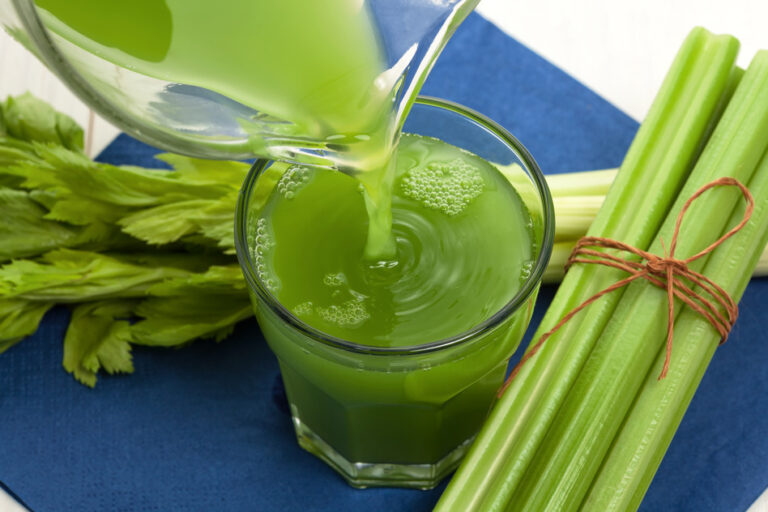
    The 16 oz morning celery juice habit is one of the best-known detox trends. Here is where it came from, what the research actually shows (no human trials of the juice itself), what is in a glass, and the allergy, sun-sensitivity, sodium, warfarin and lithium cautions.

    Members-only guide

    The full guide, with how to use it and the safety notes, is in the Remedies Vault.

    See what’s in the Vault

    Already a member? Log in here
  • Parsley

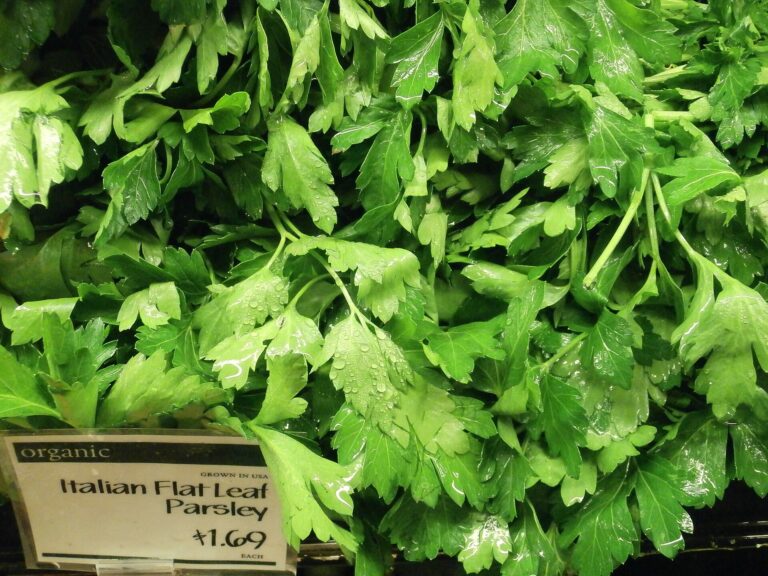
    Parsley is the kitchen herb detoxers turn into "kidney flush" teas, parsley water and green juices. Here is its traditional "water herb" use, what the evidence does and does not show, why it does not dissolve kidney stones, and the pregnancy, oxalate and medicine cautions.

    Members-only guide

    The full guide, with how to use it and the safety notes, is in the Remedies Vault.

    See what’s in the Vault

    Already a member? Log in here
  • Corn Silk

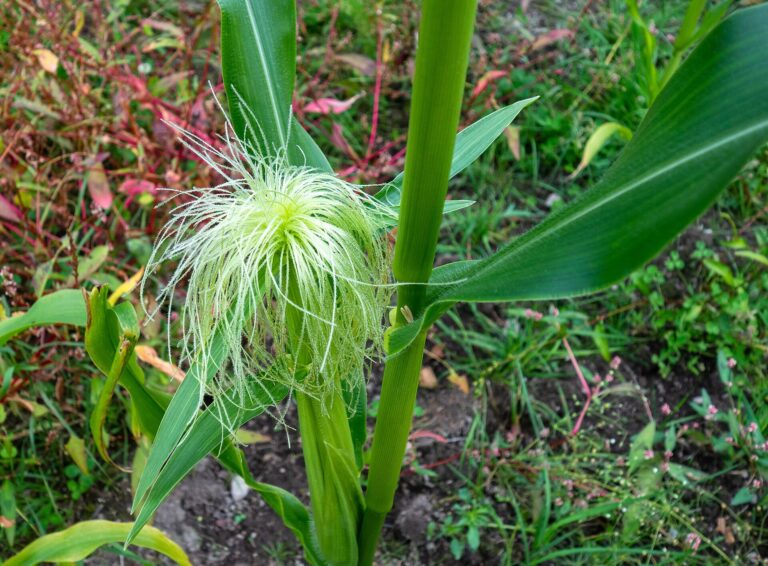
    Corn silk, the fine threads at the top of an ear of corn, is a gentle traditional tea for the bladder and puffiness in Chinese and Native American medicine. Here is its history, the draft EU monograph amounts, what the evidence does and does not show, and the potassium and medicine cautions.

    Members-only guide

    The full guide, with how to use it and the safety notes, is in the Remedies Vault.

    See what’s in the Vault

    Already a member? Log in here
  • Cranberry

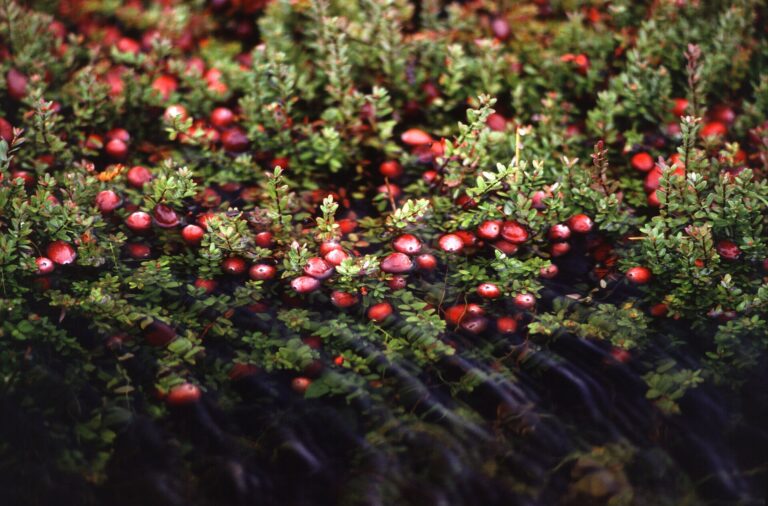
    Cranberry is the best-studied urinary food in the library. Here is its Indigenous and folk history, what the 2023 Cochrane review of 50 trials found for repeat bladder infections (and who it did not help), study amounts, and the warfarin and kidney-stone cautions.

    Members-only guide

    The full guide, with how to use it and the safety notes, is in the Remedies Vault.

    See what’s in the Vault

    Already a member? Log in here
  • Uva Ursi

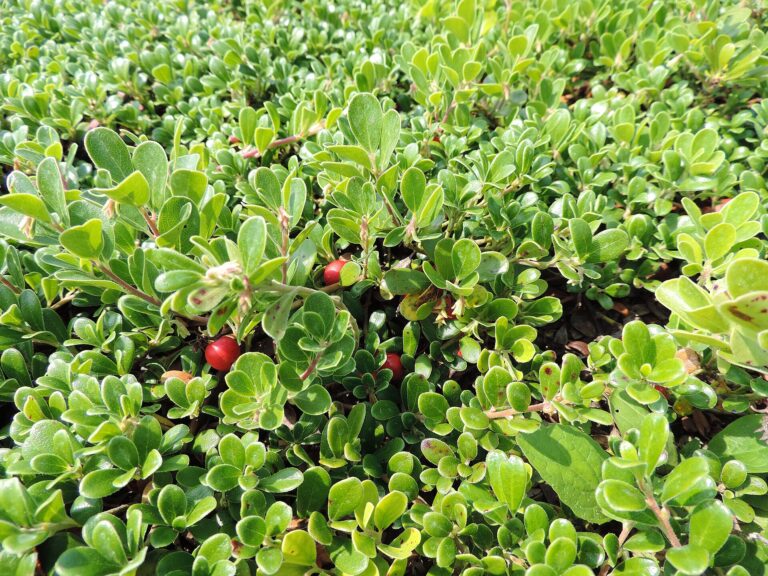
    Uva ursi, or bearberry, is one of the best-known traditional bladder herbs, and one with the strictest limits. Here is its history from Welsh physicians to kinnikinnick, what the EU monograph and a 382-woman trial say, the one-week amounts, and who should not use it.

    Members-only guide

    The full guide, with how to use it and the safety notes, is in the Remedies Vault.

    See what’s in the Vault

    Already a member? Log in here
  • Chanca Piedra

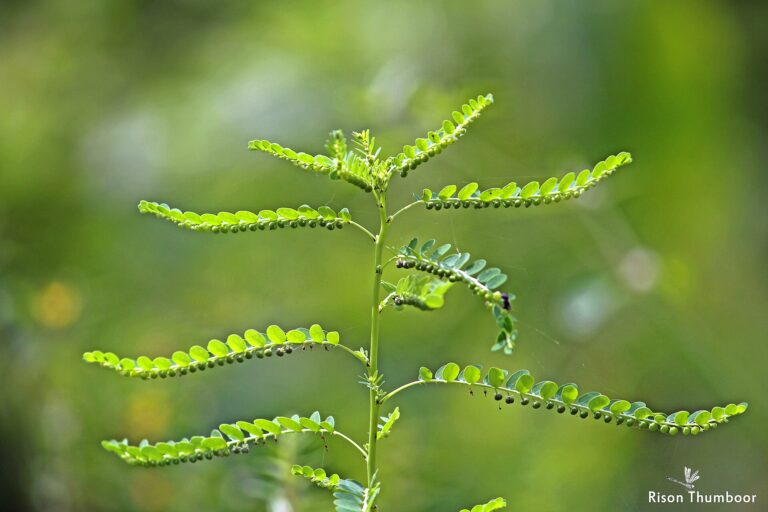
    Chanca piedra, the "stone breaker" herb of Brazil and India, is a popular tea for kidney, urinary and liver support. Here is its history, what the small studies on kidney stones and hepatitis B actually found, typical amounts, and the cautions to know first.

    Members-only guide

    The full guide, with how to use it and the safety notes, is in the Remedies Vault.

    See what’s in the Vault

    Already a member? Log in here
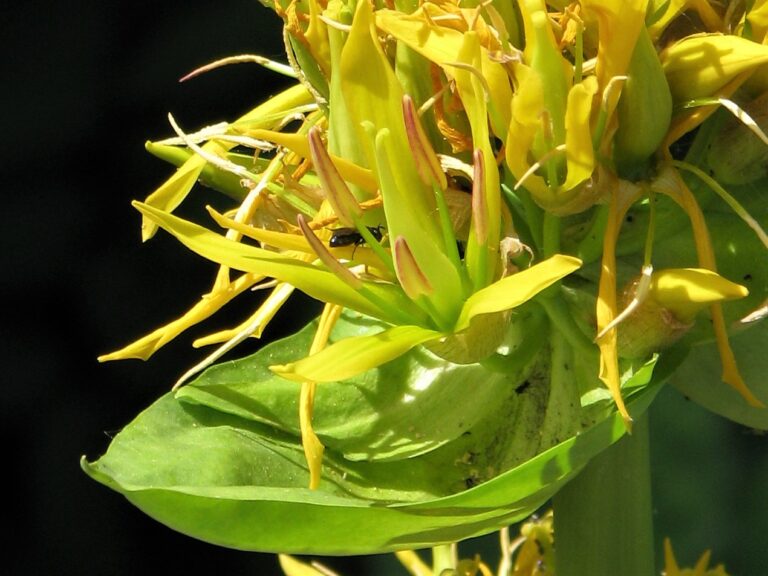
  • Bitters (Gentian and Swedish Bitters)

    Gentian root and Swedish bitters are sipped before meals in European tradition to wake up appetite, digestion and bile flow. Here's the history, what the research does and doesn't show, the EU amounts, and why most Swedish bitters are short-term only.

    Members-only guide

    The full guide, with how to use it and the safety notes, is in the Remedies Vault.

    See what’s in the Vault

    Already a member? Log in here
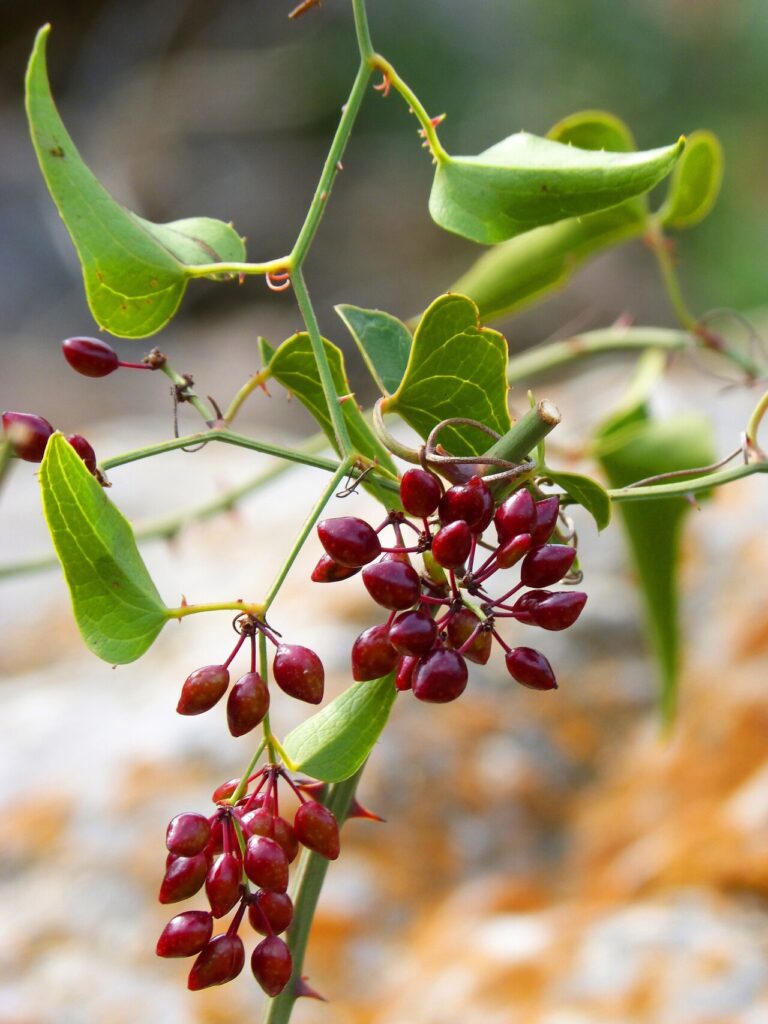
  • Sarsaparilla

    Sarsaparilla root was one of the most famous "blood purifiers" of European and American medicine for about three centuries, and it still turns up in blood-cleanse, skin and men's tonic blends. Members get the full entry: its history, why doctors doubted it as early as the 1850s, what the research does and doesn't show, and its digoxin, lithium and kidney cautions.

    Members-only guide

    The full guide, with how to use it and the safety notes, is in the Remedies Vault.

    See what’s in the Vault

    Already a member? Log in here
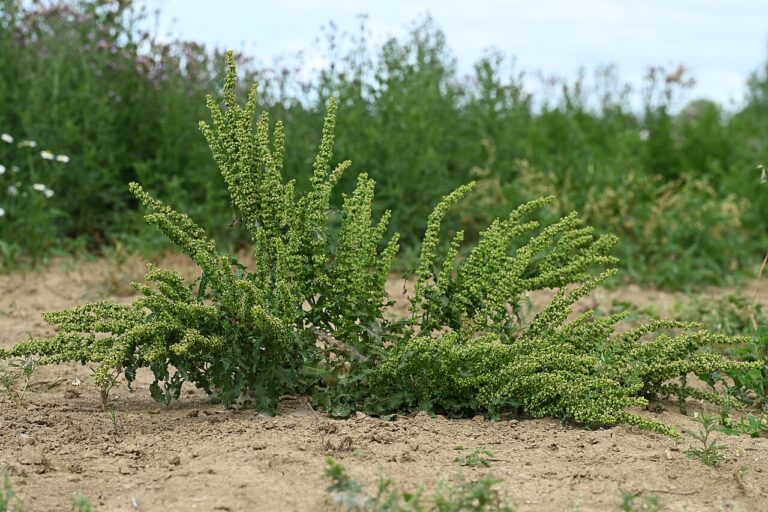
  • Yellow Dock

    Yellow dock was one of the classic "blood purifiers" of 19th-century herbal medicine, and it still turns up in liver and lymph cleanse blends and folk iron tonics. Members get the full entry: its history around the world, what the research does and doesn't show, traditional amounts, and why its safety section is longer than its benefits.

    Members-only guide

    The full guide, with how to use it and the safety notes, is in the Remedies Vault.

    See what’s in the Vault

    Already a member? Log in here