
Frangula (Alder Buckthorn)
Frangula, or alder buckthorn bark, is a strong stimulant laxative herb used in Europe since the 1500s. It's for short-term use only, and the bark has to be properly aged first; here's what to know before reaching for it.
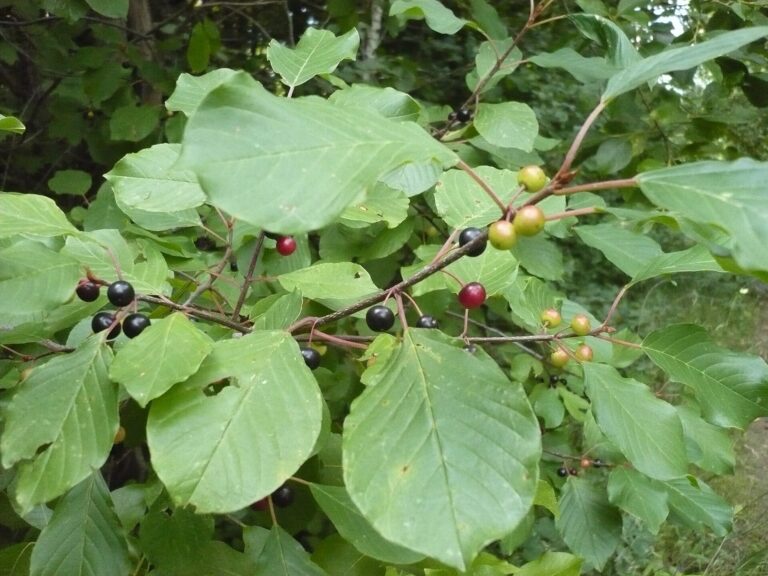
Frangula, or alder buckthorn bark, is a strong stimulant laxative herb used in Europe since the 1500s. It's for short-term use only, and the bark has to be properly aged first; here's what to know before reaching for it.
The full guide, with how to use it and the safety notes, is in the Remedies Vault.
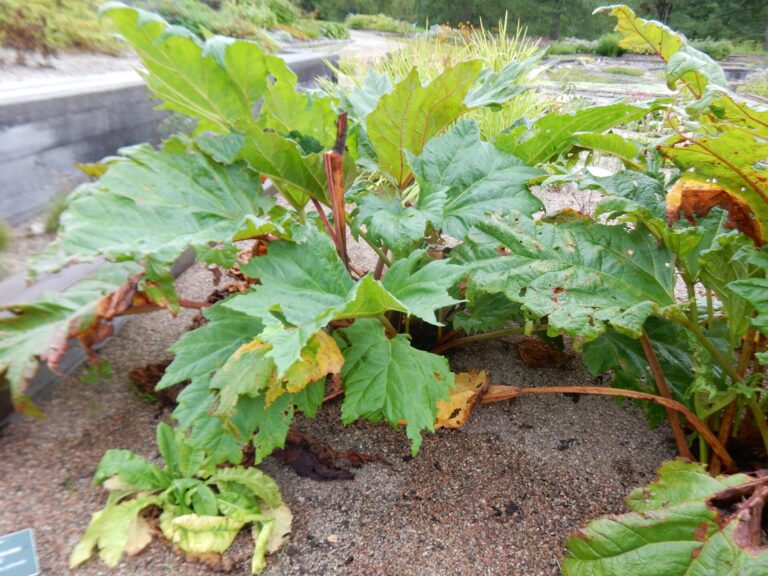
Chinese rhubarb root is a strong stimulant laxative herb with a 2,000-year history in Chinese medicine. Europe's herbal regulators allow it only for short-term use, and it isn't for everyone; here's what members need to know before trying it.
The full guide, with how to use it and the safety notes, is in the Remedies Vault.
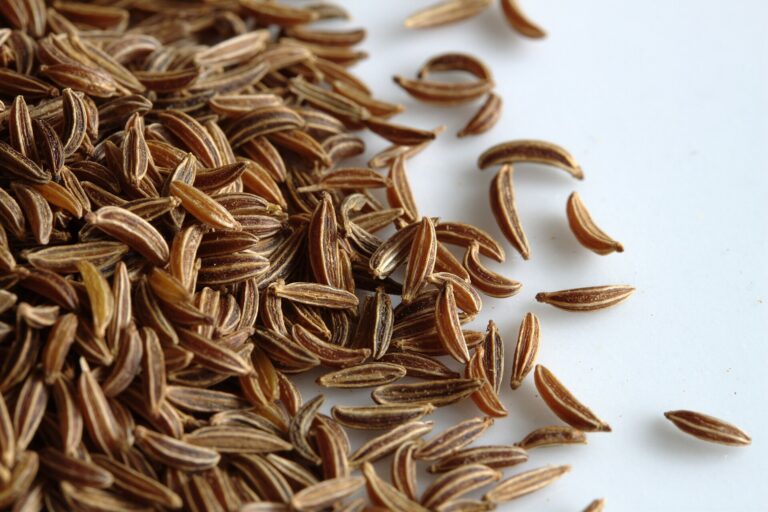
Caraway is the seed that flavours rye bread and sauerkraut, and Europe's classic after-dinner tea for wind and that over-full feeling. Here's what traditions use it for, what the studies on the caraway-plus-peppermint capsules show, how the EU says to brew it, and who should skip it.
The full guide, with how to use it and the safety notes, is in the Remedies Vault.
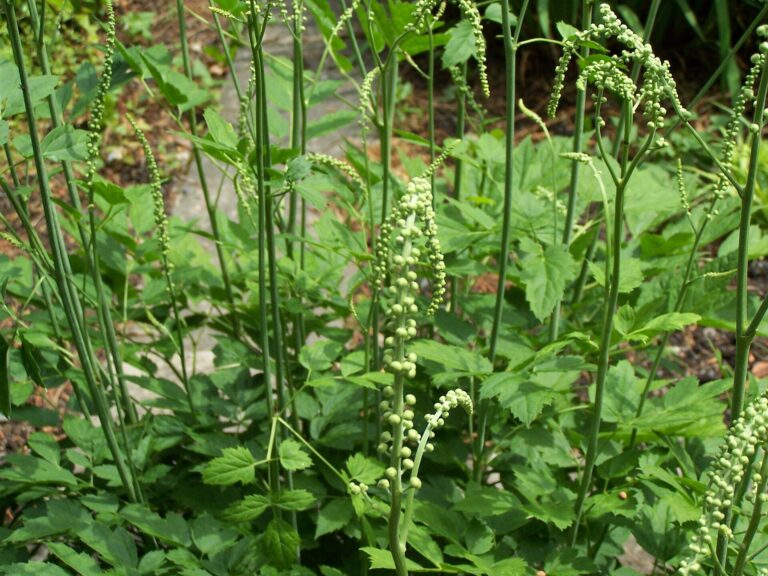
A tall woodland plant with white flower spikes, used by Indigenous peoples of eastern North America and by 19th-century Eclectic doctors, and now one of the best-known herbs for hot flushes. Here's what the tradition used it for, what the menopause studies really show, the EU amounts, and why its rare liver warning matters.
The full guide, with how to use it and the safety notes, is in the Remedies Vault.
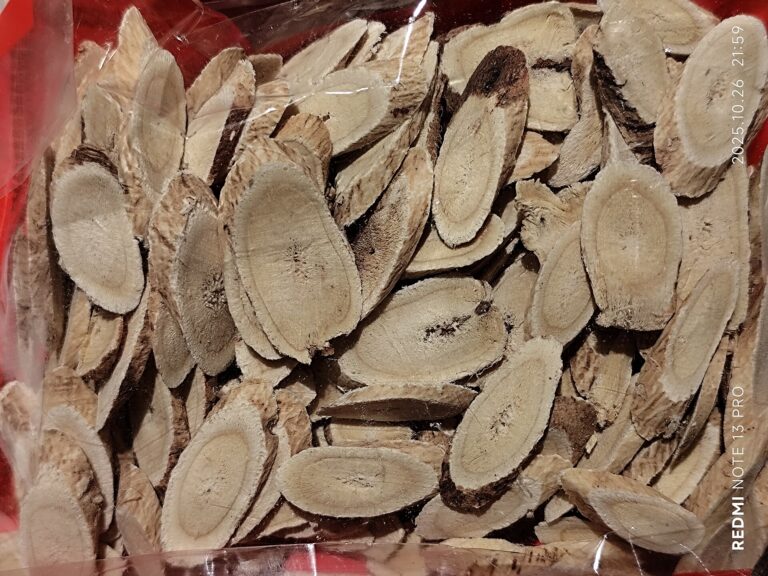
Huang Qi, the yellow root behind Chinese "Jade Windscreen" formulas, is one of the best-known qi tonics in traditional Chinese medicine and a popular immune-season herb in the West. Here's what the tradition uses it for, what the (mostly small, Chinese) studies show, the Health Canada amounts, and why people with autoimmune disease or a transplant should steer clear.
The full guide, with how to use it and the safety notes, is in the Remedies Vault.
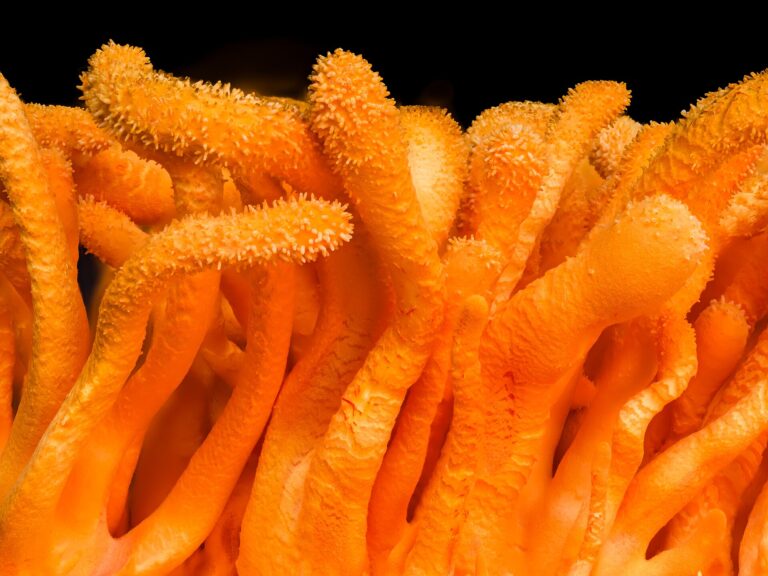
A rare Himalayan fungus that grows out of moth caterpillars, cordyceps has been prized in Tibetan and Chinese medicine since at least the 1400s as an energy and lung–kidney tonic. Today almost all of it is grown in labs, and the research is far thinner than the marketing.
The full guide, with how to use it and the safety notes, is in the Remedies Vault.
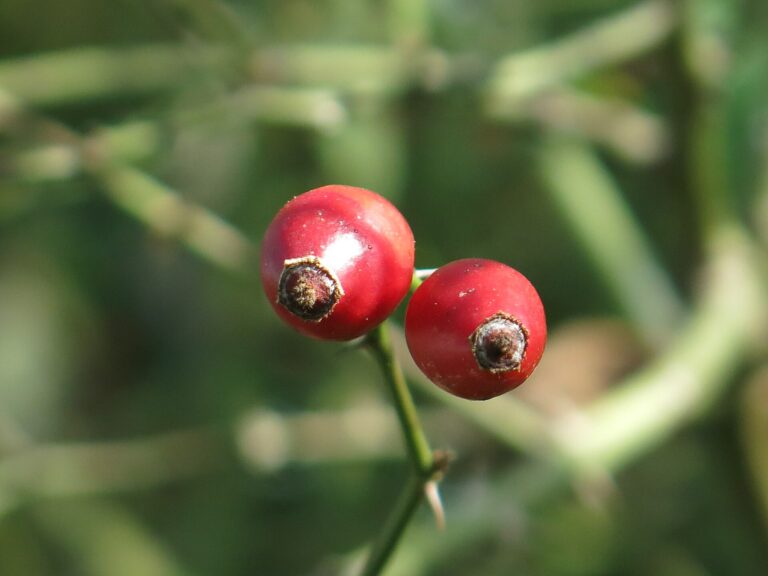
The bright red fruit left on wild roses after the petals fall has been brewed into a warming winter tea for generations, from Indigenous communities in British Columbia to European kitchens. This profile covers its traditional uses, the joint research that put rosehip powder on the map, and who should go easy on it.
The full guide, with how to use it and the safety notes, is in the Remedies Vault.
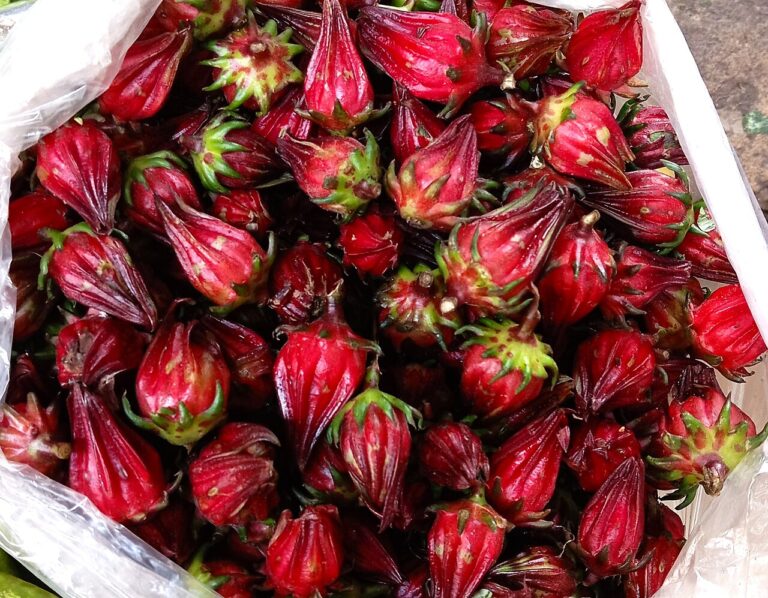
Tart, ruby-red hibiscus tea is drunk hot or iced from Egypt to Mexico and is one of the most-studied herbal teas for heart wellness. Here's what traditions use it for, what the trials show, how people brew it, and who should check first.
The full guide, with how to use it and the safety notes, is in the Remedies Vault.
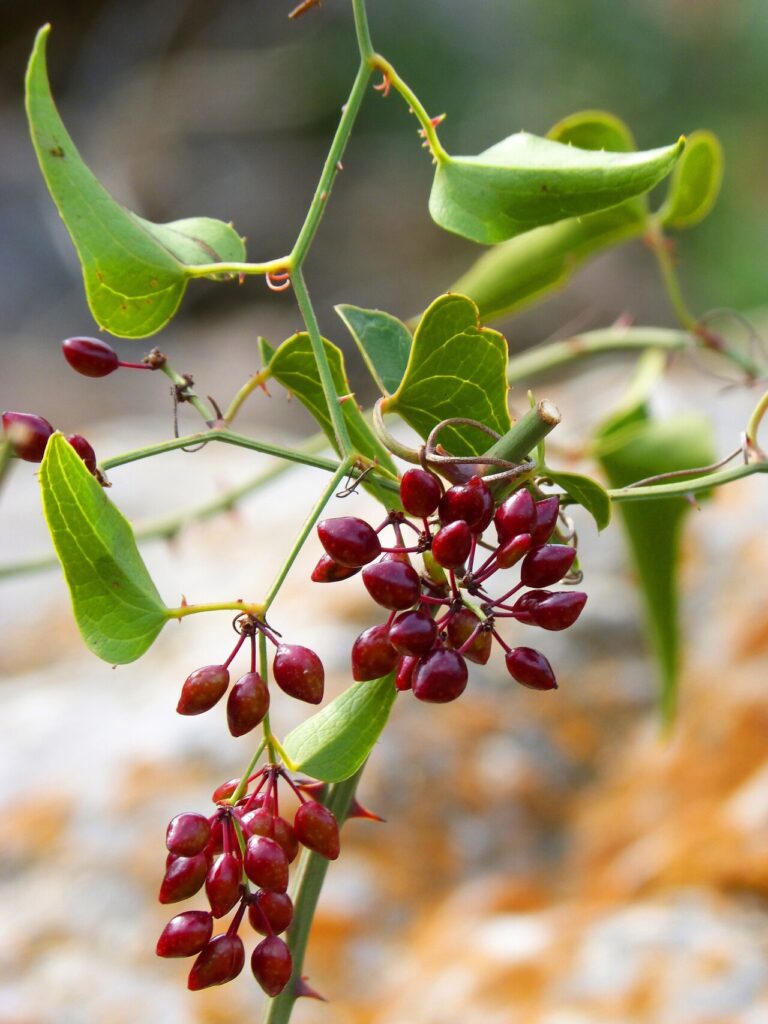
Sarsaparilla root was one of the most famous "blood purifiers" of European and American medicine for about three centuries, and it still turns up in blood-cleanse, skin and men's tonic blends. Members get the full entry: its history, why doctors doubted it as early as the 1850s, what the research does and doesn't show, and its digoxin, lithium and kidney cautions.
The full guide, with how to use it and the safety notes, is in the Remedies Vault.
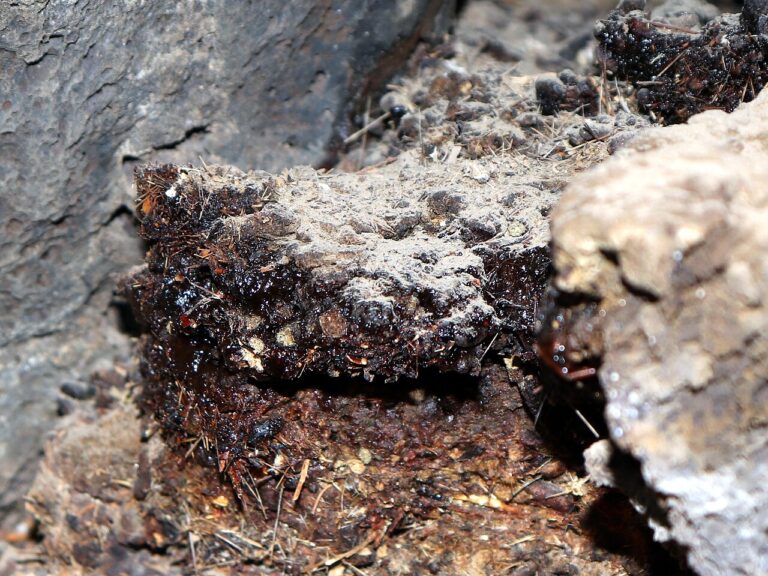
A dark mountain resin that Ayurveda has treated as a prized rejuvenating tonic for centuries, now sold worldwide for energy and men's vitality, and one of the supplements most likely to be contaminated.
The full guide, with how to use it and the safety notes, is in the Remedies Vault.