
Saw Palmetto
A small Florida palm whose dark berries were food for the Seminole and Ais peoples and became the best-known men's herb in Europe and North America. Here's what tradition and research say about it, and who should be careful.
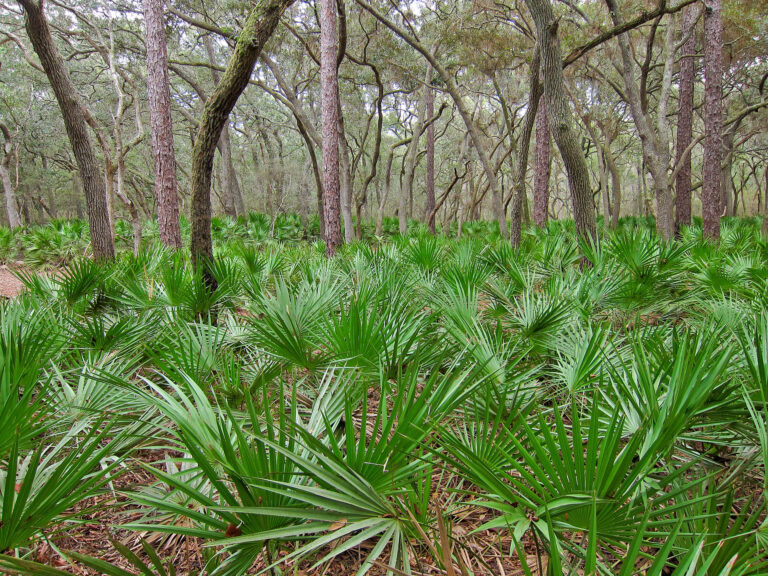
A small Florida palm whose dark berries were food for the Seminole and Ais peoples and became the best-known men's herb in Europe and North America. Here's what tradition and research say about it, and who should be careful.
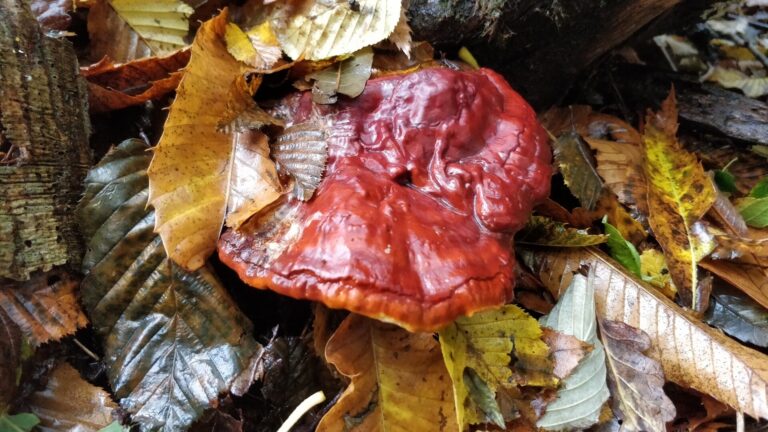
Reishi is the glossy "mushroom of immortality" of Chinese and Japanese tradition, prized for over 2,000 years as a calming, strengthening tonic. Here's what traditional medicine uses it for, what the research says so far, and who should be careful with it.
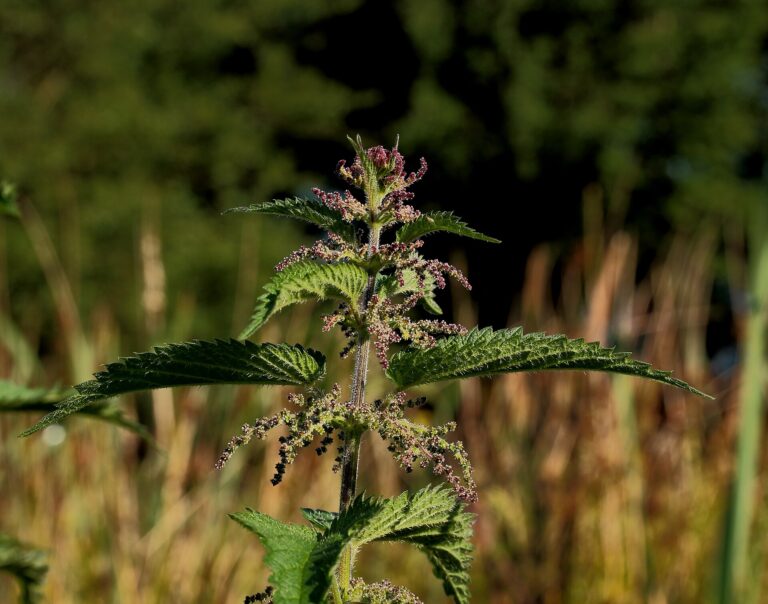
Nettle stings on the trail, but it has been a spring food, a joint remedy, a fibre plant and a "strengthening and cleansing" tea for peoples across Europe, North Africa and North America. Here's how tradition uses the leaf and the root, what the research shows for joints, the prostate and urination, and who should skip it.
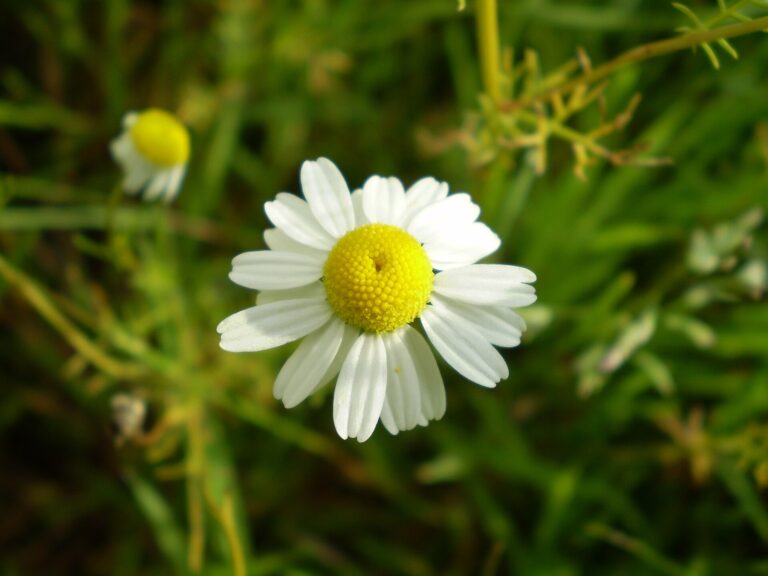
One of the oldest and gentlest herbs in the world, with more than a million cups of its tea drunk every day. Here's how tradition uses chamomile for nerves, sleep, digestion, mouth and skin, what the research shows, and the one allergy to watch for.
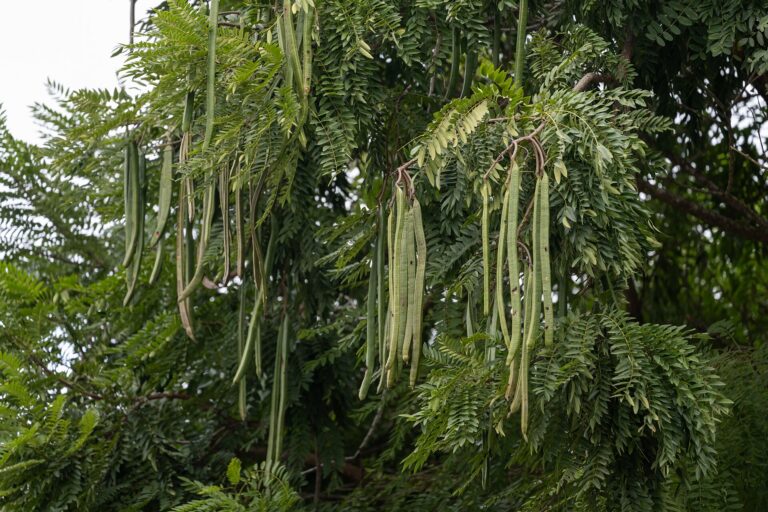
Called the "miracle tree" across Asia and Africa, moringa is both a food and a traditional medicine, and its leaves are packed with plant nutrients. Here's what tradition uses it for, what the studies show, and who should be careful with it.
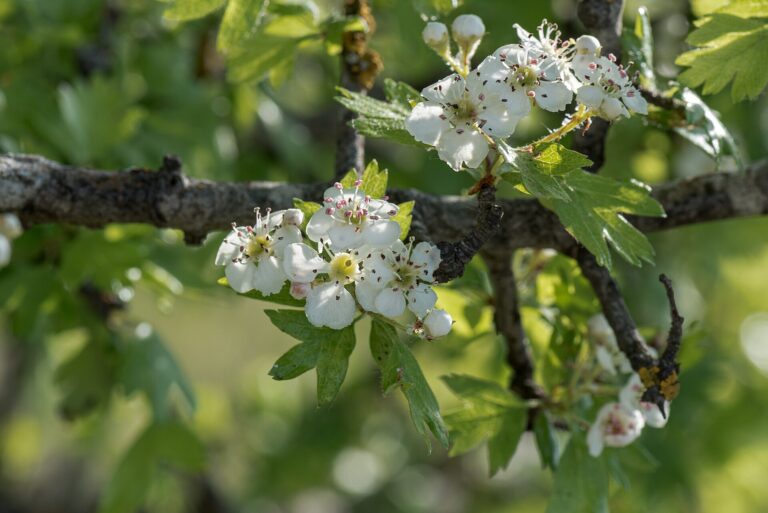
For nearly 2,000 years hawthorn has been Europe's best-known heart herb, and in Chinese medicine its tart red fruit is a classic digestive. Here's what tradition uses it for, what the studies show, and why anyone on heart medicine needs to check before taking it.
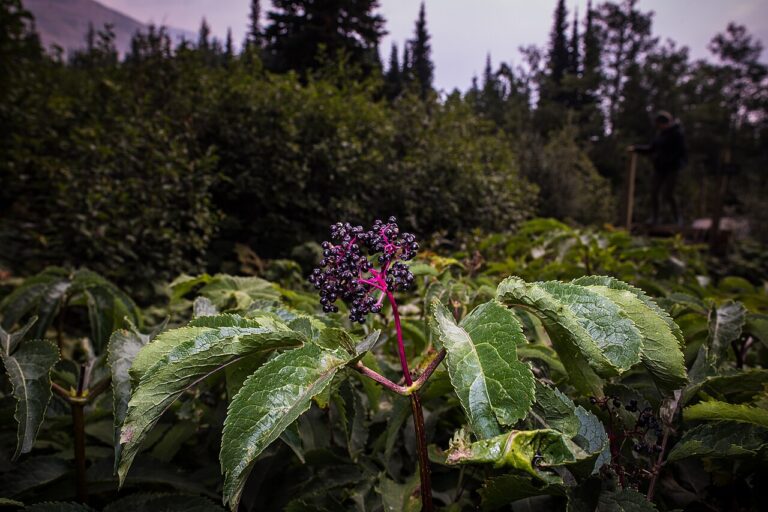
A dark purple berry that European households have cooked into syrups for generations at the first sign of a cold. Today it's one of the most popular herbal supports for the cold and flu season.
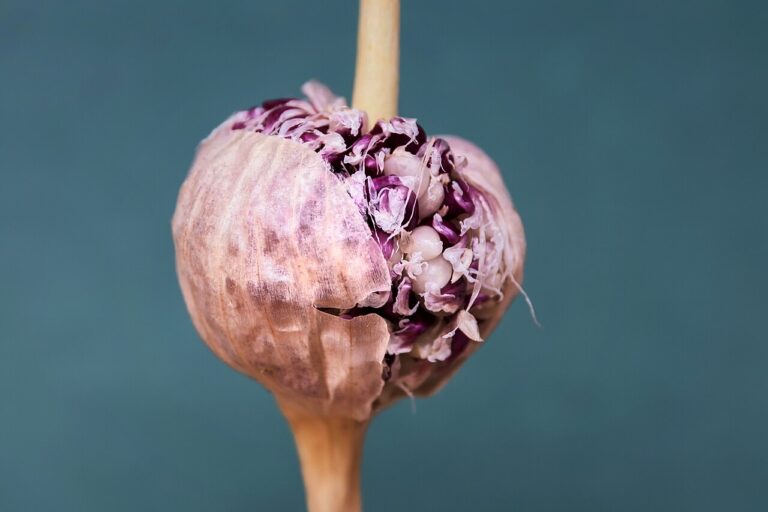
Garlic fed the pyramid builders, went into Hippocrates' remedies and is still one of the most used herbs in Ayurveda and Chinese medicine. Here's how each tradition uses it, what the bigger modern studies found for blood pressure, cholesterol and colds, and the medicine interactions that come with the supplements.
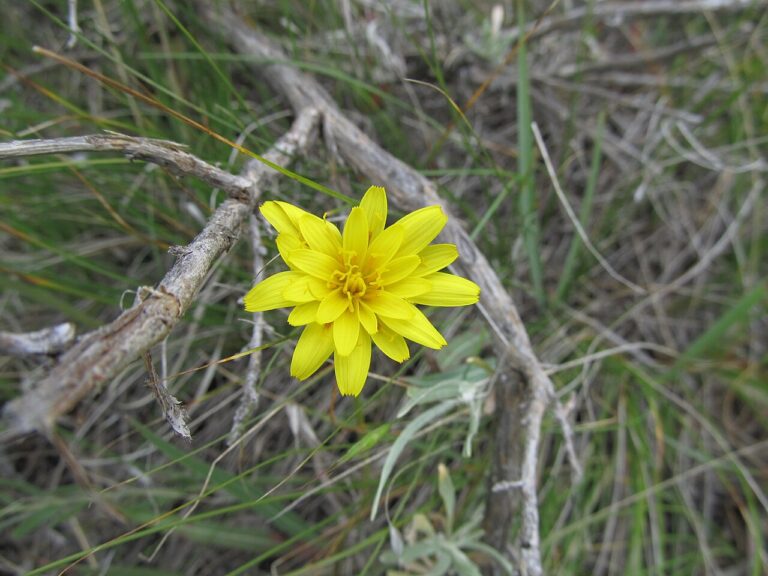
The common lawn weed is one of the most widely used plants in folk medicine, from European herbalists to Chinese and Native American healers. Members can read the traditional uses of its root, leaf and flower, how it's believed to work, what the research says, typical amounts and who should skip it.